- Forsiden

- Digitalt bildeoppslag
- peugeot
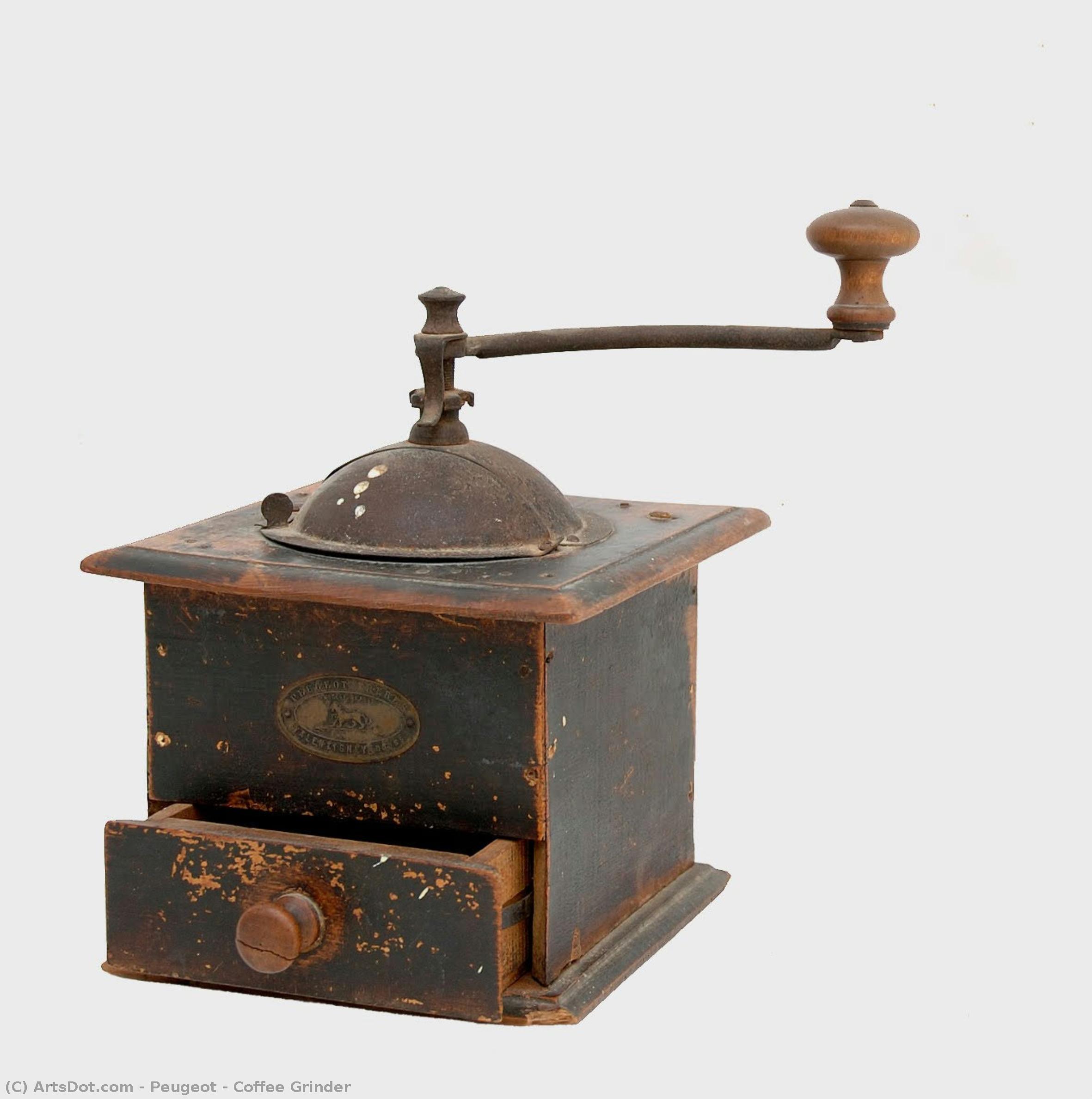
- Coffee Grinder
 Forhåndsvisning
 Send
Send Del med andre
 Vis detaljer

 Last ned bildet
 Liknende objekter
 Røntgenundersøkelse
 Lysbildefremvisning
Coffee Grinder

 Vis hele teksten
Kjøp et høyoppløselig, forbedret digitalt bilde som er langt bedre enn forhåndsvisningen på nettet.
Hver fil er omhyggelig klargjort av våre egne spesialister ved hjelp av avanserte verktøy og profesjonell manuell retusjering. Vi sørger for at hvert bilde har eksepsjonell klarhet, presis fargegjengivelse og fine detaljer.
Den endelige filen leveres via e-post innen 72 timer, optimalisert for umiddelbar bruk i profesjonelle, redaksjonelle og trykte miljøer. Dette er den samme kvaliteten som benyttes av ledende designstudioer, utgivere og gallerier.
Digitalt bilde
Last ned en høyoppløselig fil for personlig bruk, utskrift og kreative prosjekter. ( Bytt til trykk Bytt til håndmalt maleri)
Inkludert i alle bestillinger av digitale bilder
Ekspert digital levering, garantert
Når du velger OriginalUniqueArt.com, får du ikke bare et bilde – du mottar et profesjonelt forbedret digitalt kunstverk, skapt med presisjon og med en garantert tilfredshetsgaranti. Her er alt som automatisk følger med din bestilling:

Rask digital levering
Din høyoppløselige digitale bildefil sendes til din e-post innen 72 timer etter bestilling – klar til umiddelbar bruk.

KI-forbedret digital fil
Ditt kunstverk blir profesjonelt optimalisert ved hjelp av avanserte AI-verktøy og manuell redigering, noe som sikrer maksimal detaljrikdom, klarhet og fargegjengivelse.

Gratis livslang nyutlevering
Har du ved et uhell slettet eller mistet filen din? Ingen bekymring – vi sender den på nytt når som helst, helt gratis.

Ingen importavgifter – noen gang
Nyt ditt kunstverk umiddelbart uten toll, avgifter eller leveringskostnader – digitale nedlastinger er alltid avgiftsfrie.

Garantert fargenøyaktighet
Vi sikrer at ditt digitale bilde gjenspeiler de originale fargene så nøyaktig som mulig ved hjelp av profesjonelle verktøy og fargehåndtering.

60 dagers tilfredshetsgaranti
Hvis du ikke er fornøyd med ditt digitale bilde, vil vi revidere det eller refundere 100% innen 60 dager – uten spørsmål.

100% Penggaranti
Ikke fornøyd? Få full refusjon innen 60 dager etter at du har mottatt din digitale fil – uten spørsmål.

Rabatt ved storkjøp
Kjøp 3 bilder, spar 10% - Kjøp 5, spar 15% - Kjøp 10+, spar 20%. Ideelt for kreative prosjekter, gallerier og byråer.
Beskrivelse av samlerobjektet
Om kunstneren
The Enduring Lion: Exploring the Legacy of Peugeot
Peugeot, a name synonymous with automotive innovation and French design heritage, possesses a surprisingly rich artistic lineage often overshadowed by its mechanical prowess. While primarily recognized as a manufacturer, the company’s history is inextricably linked to a vibrant tradition of illustration and painting, particularly during the Belle Époque and beyond. This article delves into the lesser-known world of Peugeot’s artistic endeavors, revealing a family legacy of creativity that shaped not only the brand's visual identity but also offered a captivating glimpse into Parisian life at the turn of the 20th century.
The story begins in 1858 with Émile Peugeot, who secured the iconic lion trademark – a symbol that would become inextricably linked to the family’s automotive empire. However, the Peugeot family's artistic roots extend far beyond this foundational moment. Armand Peugeot, Émile’s brother, was a passionate inventor and artist himself, commissioning elaborate illustrations for the company’s early catalogues and promotional materials. These weren’t mere advertisements; they were meticulously crafted scenes depicting the burgeoning world of automobiles, showcasing their capabilities and appealing to a growing audience of enthusiasts. This initial artistic direction established a precedent – that Peugeot would not only build vehicles but also visually represent its ambition and technological advancements.
The Rise of the Artistic Peugeot: A Family Affair
Throughout the late 19th and early 20th centuries, several generations of Peugeot men continued to nurture this artistic tradition. Armand’s son, Émile II, further expanded the company's visual presence, employing a team of illustrators who captured the glamour and excitement surrounding early automobiles. These artists weren’t simply documenting vehicles; they were creating evocative narratives – depicting elegant couples embarking on journeys, showcasing the sophistication of Peugeot cars in opulent settings, and subtly conveying the brand’s commitment to quality and innovation. Notably, these illustrations often featured a distinctly Parisian aesthetic, reflecting the family's deep connection to the city.
Crucially, this artistic endeavor wasn’t confined solely to commissioned work. The Peugeot family actively fostered an environment of creativity within the company. They recognized that visual communication was paramount in shaping public perception and driving sales. This led to a deliberate cultivation of talent – encouraging employees with artistic inclinations to pursue their passions, often providing them with opportunities to develop their skills.
A Shift Towards Automotive Art: The Late 19th & Early 20th Centuries
As Peugeot transitioned into the automotive industry in earnest, its artistic output evolved. The late 1890s and early 1900s saw a surge in detailed illustrations of the company’s pioneering vehicles – the Panhard-Peugeot, the Peugot, and later, the renowned Type 32. These images weren't just technical drawings; they were imbued with a sense of dynamism and excitement, capturing the spirit of innovation that defined the era. The artists employed techniques reminiscent of Orientalist painting—a style popular at the time—using rich colors, dramatic lighting, and evocative compositions to create visually arresting scenes.
Furthermore, Peugeot began collaborating with prominent Parisian artists, including Léon Serpollet, a visionary architect and engineer who played a pivotal role in the development of early automobiles. These collaborations resulted in stunning illustrations that showcased both the technological advancements and the artistic sensibilities of the Peugeot brand. The influence of these partnerships extended beyond mere visual representation; they fostered a shared understanding of design principles and a commitment to pushing the boundaries of innovation.
Beyond the Automobile: Julius LeBlanc Stewart & The Legacy Continues
While the core of Peugeot’s artistic output remained firmly rooted in automotive illustration, the family's interest in visual arts continued into the 20th century. The name Julius LeBlanc Stewart is particularly noteworthy. Though not directly employed by Peugeot, Stewart’s evocative Belle Époque portraits and Orientalist scenes—capturing the glamour of Parisian life—demonstrate a lineage of artistic talent within the Peugeot family. His work reflects a similar aesthetic sensibility to earlier Peugeot illustrations – a blend of elegance, sophistication, and a keen eye for detail.
Today, Peugeot’s artistic legacy is often overlooked amidst its automotive achievements. However, by examining this lesser-known chapter in the company's history, we gain a deeper appreciation for the family’s commitment to innovation, design, and visual communication. The lion emblem, initially a symbol of branding, has become inextricably linked to a rich tradition of artistic expression—a testament to the enduring power of creativity within the Peugeot family.

peugeot
France
Kort om kunstneren
- Artistic Movement Or Style: Automotive Design
- Artists Or Movements Influenced By This Artist:
- Citroën
- Mercedes-Benz
- Artists Who Influenced This Artist:
- Panhard-Daimler
- Léon Serpollet
- Full Name: Peugeot
- Nationality: French
- Notable Artworks:
- Legendary French Designer Paints Vivid Automotive Art
- Peugeot 206
- Peugeot 208
- Place Of Birth: Paris, France

