Forhåndsvisning
 Send
Send Del
Del
 Vis detaljer
 Utskriftsvennlig guide

 Last ned bilde
 Liknende objekter
 Røntgenundersøkelse
 Lysbildefremvisning
 Spørsmål og svar
 Statistikk
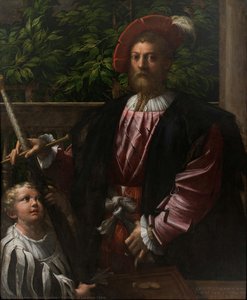
Venus Disarming Cupid

- 18.0 x 14.0 cm


 Vis hele teksten
Giclée / Kunsttrykk
Giclée- eller lerretsprint av museumskvalitet med rask produksjon og fleksible valgmuligheter for etterbehandling. ( Kjøp håndmalt maleri Bytt til digitalt bilde)




P118B Nkr10

P118H Nkr10

P118W Nkr10

P438Z Nkr10

P508JH Nkr12

P508YH Nkr12

P805H Nkr10

P805Z Nkr10

P919BZ Nkr10

P919G Nkr10

P919XJ Nkr10

P959ZH Nkr10

P968JZ Nkr12

W106C Nkr8

W218G Nkr10

W218JH Nkr8

W218Y Nkr10

W307PJ Nkr10

W316G Nkr10

W316PJ Nkr8

W316Y Nkr10

W398PJ Nkr8

W4111J Nkr10

W500HY Nkr15

W500JH Nkr15

W692G Nkr12

W849H Nkr8

W940BG Nkr15

W953PJ Nkr8




Velg mellom våre forhåndsdefinerte størrelser som bevarer kunstverkets opprinnelige proporsjoner.

Skriv inn ønsket bredde og høyde for å tilpasse trykket til din ramme eller vegg. Et trykk kan kun beskjæres, aldri skaleres opp utover motivets opprinnelige størrelse, noe som betyr at et format med andre proporsjoner vil føre til tap av deler av bildet. Vi sender deg en digital mockup for godkjenning før vi starter trykkeprosessen. Bildet som vises på denne siden viser ikke den faktiske beskjæringen — det er kun mockuppen som viser dette.
Verdensomspennende levering () på 2 uker i stedet for standard 4/5 uker. (7 November)

Gratis ekspressfrakt over hele verden

Lerretsduk av lin av høy kvalitet

Full transportforsikring

Garanti for refusjon av toll og importavgifter

Garantert fargegjengivelse

100 dagers returrett ved fabrikasjonsfeil

100% pengene tilbake-garanti

Rabatt ved flere kjøp
 Glassalternativet er kun tilgjengelig i størrelser under 110 cm

Venus Disarming Cupid
Giclée / Kunsttrykk
Størrelse på reproduksjon
-


Totalpris for valgte alternativer
Nkr 775
The Enigmatic Dance of Desire: Parmigianino’s Venus Disarming Cupid
Parmigianino's "Venus Disarming Cupid," a drawing executed between 1527 and 1530, isn’t merely a depiction of a mythological scene; it’s a profound meditation on love, power, and the very nature of desire. Created during his formative years in Florence and Rome, this work encapsulates the burgeoning Mannerist style – a deliberate departure from the idealized harmony of the High Renaissance, favoring instead an exquisite tension, a heightened drama, and a captivating sense of ambiguity. The sheet itself, a pale pink prepared paper reminiscent of a chiaroscuro woodcut, immediately establishes a mood of restrained elegance, hinting at the intricate layers of meaning concealed within the composition.
At its heart lies Venus, rendered with an almost unsettling sensuality. She’s not the serene goddess of classical sculpture; instead, she's caught in a moment of fierce, volatile emotion. Her pose – a masterful example of the *figura serpentinata*, that sinuous, twisting form so beloved by Mannerist artists – is both arresting and subtly unsettling. The exaggerated curve of her spine, the languid drape of her gown, all contribute to an image brimming with contained energy. Her hand, poised mid-gesture, holds the bow and arrow, a symbol of Cupid’s destructive power, yet she wields it not with aggression, but with a deliberate, almost playful control.
- The Myth Unveiled: The scene draws directly from Ovid's *Metamorphoses*, recounting the moment when Venus, wounded by Cupid’s arrow, retaliates by disarming her son. This isn’t a tale of simple maternal affection; it’s a complex narrative of reciprocal pain and fury – a testament to the consuming nature of love itself.
- A Study in Movement: Parmigianino meticulously explored various poses for Venus's arm, evident in the numerous preparatory sketches that accompanied this drawing. Each iteration reveals his painstaking process of achieving the perfect balance between dynamism and grace, capturing the fleeting quality of emotion.
- The Woodcutter’s Influence: The Budapest sheet’s origin is intriguing; it was likely intended for woodcuts, a technique favored by Parmigianino during his time working with Antonio da Trento. This suggests an awareness of the limitations of drawing as a medium and a desire to translate the image into a more widely accessible format.
Mannerist Sensibilities: A Departure from Tradition
“Venus Disarming Cupid” is a quintessential example of Mannerism’s distinctive aesthetic. Unlike the balanced compositions and harmonious colors of the High Renaissance, Parmigianino embraces distortion, exaggeration, and an unsettling sense of artificiality. The figures are elongated, their proportions subtly skewed, creating a visual tension that mirrors the emotional turmoil depicted. The use of pale pink as a dominant color further contributes to this atmosphere of restrained intensity – it’s not a vibrant, celebratory hue, but rather one imbued with a subtle melancholy.
This departure from classical ideals wasn't simply stylistic; it reflected a broader cultural shift. The Sack of Rome in 1527 had profoundly impacted the Italian Renaissance, shattering the confidence and stability that had characterized the era. Mannerism emerged as a response to this upheaval – a style characterized by uncertainty, anxiety, and a fascination with the grotesque. Parmigianino’s drawing embodies these anxieties, capturing the sense of disorientation and emotional instability that permeated the period.
Symbolic Layers: Beyond the Myth
Beyond its mythological narrative, “Venus Disarming Cupid” is rich in symbolic meaning. The bow and arrow represent not just Cupid's destructive power but also the vulnerability inherent in love – a force capable of inflicting both pleasure and pain. Venus’s act of disarming her son can be interpreted as a rejection of passive acceptance, a declaration of agency in the face of overwhelming emotion. The two Cupids flanking her are themselves symbolic: one appears subdued, perhaps representing the wounded innocence of youth, while the other seems to mirror Venus's defiant stance.
Furthermore, the drawing’s preparatory nature—the numerous sketches and studies—suggest a deeper exploration of the theme. It’s not simply a finished artwork but a testament to Parmigianino’s intellectual engagement with the subject matter, reflecting his meticulous approach to artistic creation.
A Legacy of Grace: Reproduction and Interpretation
Reproductions of “Venus Disarming Cupid” offer a remarkable opportunity to appreciate the nuances of Parmigianino's artistry. The delicate washes, the subtle gradations of tone, and the masterful rendering of form are all best appreciated through high-quality reproductions. This drawing remains a powerful testament to the enduring appeal of Mannerist art – a style that continues to captivate viewers with its exquisite beauty, unsettling intensity, and profound exploration of human emotion. It’s a work that invites contemplation, prompting us to consider the complexities of love, desire, and the ever-shifting boundaries between power and vulnerability.
Spørsmål og svar
Hva er lysstyrken i "Venus Disarming Cupid" av Parmigianino?
"Venus Disarming Cupid" av Parmigianino har en luminans på Soft Shadow. Luminans beskriver hvor mye lys fargene ser ut til å reflektere.
Hvilke andre navn er Parmigianino kjent under?
Parmigianino er også kjent som Girolamo Francesco Maria Mazzola, Francesco Mazzola, Le Parmesan.
Hva er de faktiske målene på "Venus Disarming Cupid" av Parmigianino?
De registrerte målene for "Venus Disarming Cupid" av Parmigianino er 18 x 14 cm. Reproduksjoner kan bestilles i andre størrelser med de samme proporsjonene.
Om kunstneren
En Fornemhetens Sensibilitet: Parmigianinos Liv og Kunst
Girolamo Francesco Maria Mazzola, kjent for historien som Parmigianino – «den lille fra Parma» – steg frem under den høye renessansen, men ble raskt en definerende skikkelse i den spirende manierismestilen. Født i Parma 11. januar 1503, var hans tidlige liv preget av familiære tap; hans far, Filippo Mazzola, døde da Girolamo bare var to år gammel. Oppdratt av sine onkler, Michele og Pier Ilario, som begge var beskjedent dyktige kunstnere i seg selv, mottok den unge Parmigianino sin første kunstneriske opplæring innenfor denne familiekretsen. Dette grunnlaget viste seg imidlertid å være lite mer enn et springbrett for et usedvanlig talent som snart ville overgå selv hans mentorer. Ved den fantastiske alderen atten år hadde han allerede fullført Bardi-altertavlen, et verk som demonstrerte en modenhet og sofistikasjon langt utover hans år, noe som signaliserte ankomsten av en virkelig bemerkelsesverdig kunstner.Reisen til Firenze, Roma og Formingen av en Manieristisk Visjon
Parmigianinos kunstneriske reise førte ham til Firenze rundt 1524, hvor han absorberte innflytelsen fra mestere som Raphael og Leonardo da Vinci, men han begynte raskt å bane sin egen distinkte vei. Han presenterte pave Clement VII med tre malerier, inkludert et slående selvportrett i et konvekst speil – et bevis på hans tekniske ferdigheter og spirende selvinnsikt. Denne handlingen sikret ham oppdrag i Roma, men byens kunstneriske landskap ble snart forstyrret av den turbulente Sack of 1527. Tvunget til å flykte, søkte Parmigianino tilflukt i Bologna, hvor han malte et av sine mest feirede verk, *Den hellige familie*. Det var i denne perioden at hans signaturstil virkelig krystalliserte seg: langstrakte former, grasiøse positurer og en raffinert sensualitet ble varemerker for hans kunst. Han beskrev ikke bare virkeligheten; han gjenskapte den gjennom et filter av eleganse og idealisert skjønnhet. Dette bruddet fra den høye renessansens vektlegging av naturalisme markerte ham som en nøkkelinnovatør innen manierismen, en kunstnerisk bevegelse.Mesterskap i Utstrekning og Ynde
Parmigianinos arv hviler på et relativt lite, men dypt innflytelsesrikt verk. *Madonna med den lange halsen* (1534) forblir kanskje hans mest ikoniske skapelse. Dens urovekkende, men fengslende komposisjon, med figurer med langstrakte nakker og lemmer, utfordrer konvensjonelle oppfatninger om skjønnhet og proporsjoner. Denne bevisste forvrengningen er ikke bare stilistisk; den formidler en følelse av åndelig lengsel og verdslig ynde. Tilsvarende viser *Visjonen av St. Jerome* (1527), fullført i løpet av hans tid i Roma, hans beherskelse av anatomi og perspektiv, samtidig som han omfavner manierismens forkjærlighet for dramatiske komposisjoner og emosjonell intensitet. Utover disse feirede maleriene avslører Parmigianinos tegninger et usedvanlig nivå av ferdighet og sensitivitet. Hans studier av figurer, draperinger og arkitektoniske elementer demonstrerer en nøye oppmerksomhet på detaljer og en dyp forståelse av form. Selv hans mindre kjente verk, som *Bow-carving Amor*, viser den samme raffinerte sensibiliteten og tekniske virtuositeten som definerer hans oeuvre.Et Avbrutt Arv: Parmigianinos Siste År
Tragisk nok ble Parmigianinos lovende karriere avkortet av hans premature død i Casalmaggiore i 1540, i en alder av bare trettisju år. Omstendighetene rundt hans bortgang forblir noe mystiske; noen beretninger antyder at han bukket under for feberen, mens andre antyder komplikasjoner fra et fall. Til tross for sitt korte liv etterlot Parmigianino et uutslettelig merke på italiensk renessanse kunst. Han står som en av de viktigste representantene for manierismen og har inspirert generasjoner av kunstnere med sin elegante stil og innovative tilnærming til form og komposisjon. Hans arbeid fortsetter å fange seere i dag, og gir et innblikk i en verden der skjønnhet ikke bare observeres, men aktivt skapes – et bevis på den varige kraften i kunstnerisk visjon. De uferdige freskene han etterlot seg i Parma og Fontanellato tjener som hjerteskjærende påminnelser om hva som kunne ha vært, men selv i sin ufullstendige tilstand avslører de briljansene til en mester hvis arv fortsetter å resonere gjennom århundrene.
Parmigianino
1503 - 1540 , Italia
Kort om kunstneren
- Artistic Movement Or Style: Manierisme
- Artists Or Movements Influenced By This Artist: ['Italiensk renessansekunst']
- Artists Who Influenced This Artist:
- Raphael
- Leonardo da Vinci
- Date Of Birth: 11. januar 1503
- Date Of Death: 1540
- Full Name: Girolamo Francesco Maria Mazzola
- Nationality: Italiensk
- Notable Artworks:
- Madonna med den lange halsen
- Visjon av St. Jørgen
- Selvportrett i et konvekst speil
- Den hellige familie
- Place Of Birth: Parma, Italia
Relaterte artikler
Mannerismens Mesterverk: Topp 10 Kunstverk som Definerte en Epoke | OriginalUniqueArt.no
Utforsk mannerismens 10 mest ikoniske kunstverk! Oppdag Pontormo, Rosso Fiorentino og El Greco. Lær om stil, teknikk & fargepalett. Finn museumskvalitets reproduksjoner for ditt hjem på OriginalUniqueArt.com – inspirasjon & luksusinteriør.

Mannerism: Bridging Renaissance Harmony & Baroque Drama – A Study of Style & Affectation
Explore the fascinating world of Mannerism! Discover its key characteristics, pioneering artists like Pontormo & Bronzino, and its pivotal role in bridging Renaissance harmony to Baroque drama. A comprehensive guide for art enthusiasts.

Mastering the Line: A Comprehensive Expert Guide to Technical Precision and Expressive Depth in Drawing
Elevate your artistic practice with this expert guide to mastering the line. Discover advanced techniques in graphite, charcoal, and contour drawing designed for art students seeking technical precision and expressive depth in their fine art studies.
The Nuances of Graphite: Exploring Emotional Depth & Technical Mastery in Pencil Drawing
Explore the captivating world of graphite drawing! Discover its rich history, master essential techniques like chiaroscuro, and learn how artists evoke emotion through this timeless medium. Expert insights for art enthusiasts.

Botticellis 25 Mesterverk: Skjønnhet, Myter og Renessansens Ånd | OriginalUniqueArt.no
Oppdag Sandro Botticellis 25 mest ikoniske malerier! Fordyp deg i renessansens skjønnhet, mytologi og elegante stil. Finn inspirasjon til ditt hjem med museumskvalitets reproduksjoner på OriginalUniqueArt.com – din kilde for klassisk kunst.