
 Se i rommet
 Del som digitalt kort
 Del
Del
 Detaljer
 Studentguide

 Last ned
 Liknende objekter
 Røntgen
 Lysbildefremvisning
 Besøksstatistikk
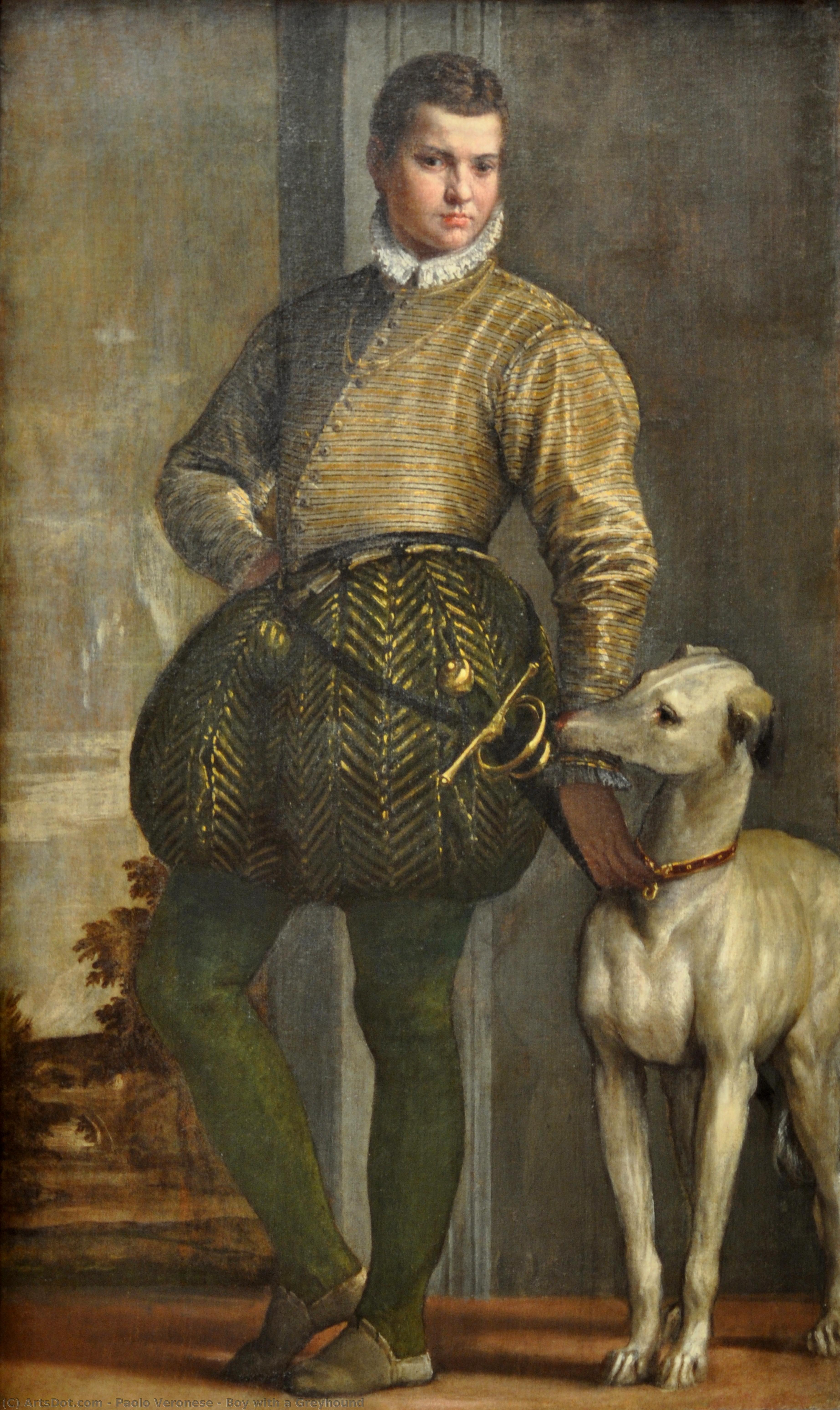
Boy with a Greyhound
 Acrylic On Canvas
- WallArt
- Late Renaissance Mannerism
 1570
1570 174.0 x 102.0 cm
 Metropolitan Museum of Art
 Les mer
Giclée / Kunsttrykk
Giclée- eller lerretsprint av museumskvalitet med rask produksjon og fleksible valgmuligheter for etterbehandling. ( Bestill håndmalt reproduksjon Gå til digitalt bilde)




P118B Nkr10

P118H Nkr10

P118W Nkr10

P438Z Nkr10

P508JH Nkr12

P508YH Nkr12

P805H Nkr10

P805Z Nkr10

P919BZ Nkr10

P919G Nkr10

P919XJ Nkr10

P959ZH Nkr10

P968JZ Nkr12

W106C Nkr8

W218G Nkr10

W218JH Nkr8

W218Y Nkr10

W307PJ Nkr10

W316G Nkr10

W316PJ Nkr8

W316Y Nkr10

W398PJ Nkr8

W4111J Nkr10

W500HY Nkr15

W500JH Nkr15

W692G Nkr12

W849H Nkr8

W940BG Nkr15

W953PJ Nkr8




Velg mellom våre forhåndsdefinerte størrelser som bevarer kunstverkets opprinnelige proporsjoner.

Du kan oppgi egne mål for å tilpasse en spesifikk ramme eller et bestemt område. Dersom den valgte størrelsen ikke samsvarer med det originale bildets proporsjoner, vil vi enten beskjære kunstverket eller utvide bildet med en speilet eller ensfarget kant. En digital mockup vil bli sendt til din godkjenning før produksjonen starter.
Vennligst merk at forhåndsvisningen på skjermen ikke gjenspeiler den faktiske beskjæringen eller utvidelsen. Kun mockuppen vil vise den endelige komposisjonen nøyaktig.
Selv om tilpassede størrelser er tilgjengelige, anbefaler vi å velge et mål fra den forhåndsdefinerte listen for å bevare de originale proporsjonene.
Verdensomspennende levering () på 2 uker i stedet for standard 4/5 uker. (10 October)

Gratis ekspressfrakt over hele verden

Lerretsduk av høykvalitets lin

Full transportforsikring

Garanti for refusjon av toll og importavgifter

Garantert fargeekthet

100 dagers returrett ved fabrikasjonsfeil

100% pengene tilbake-garanti

Mengderabatt
 Glassalternativet er kun tilgjengelig i størrelser under 110 cm

Boy with a Greyhound
Giclée / Kunsttrykk
Format på reproduksjon
-


Totalpris
Nkr 743
The Enigmatic Youth: Paolo Veronese’s ‘Boy with a Greyhound’
Paolo Veronese's “Boy with a Greyhound,” painted in 1570, is more than just a portrait; it’s a carefully constructed tableau of Renaissance ideals and subtle social commentary. This captivating work, measuring 174 x 102 cm, offers a glimpse into the opulent world of Venetian society and reveals Veronese's masterful command of color, composition, and detail. The painting immediately draws the eye to the young man, dressed in a vibrant yellow garment – a hue associated with royalty and wealth during this period – suggesting a noble lineage or elevated status. His posture is one of quiet confidence, his hand resting casually on his hip while holding the leash of a magnificent greyhound, an animal prized for its speed, loyalty, and association with nobility.
The background, rendered in a deliberately soft and blurred manner, hints at a setting – perhaps a courtyard or garden – but doesn’t distract from the central figures. This technique, common in Venetian painting of the era, reflects a shift away from the precise realism favored by earlier masters and emphasizes the importance of the subjects themselves. The greyhound's attentive gaze upward towards the boy speaks volumes about their bond; it’s a connection built on mutual respect and affection, subtly conveyed through their interaction.
A Venetian Visionary: Paolo Veronese and His Artistic World
Paolo Caliari, known as Paolo Veronese, was a pivotal figure in the vibrant artistic scene of 16th-century Venice. Born in Verona in 1528, his early training instilled him with foundational techniques, but it was his move to Venice that unleashed his extraordinary talent. The city’s wealth, its grand architecture, and its bustling markets provided an endless source of inspiration for Veronese. He absorbed the influence of masters like Titian, particularly his mastery of color, yet he developed a distinct style characterized by lavish detail, dramatic scale, and a celebration of human beauty – often imbued with a subtle air of theatricality.
Veronese’s work frequently depicted scenes from biblical narratives, mythological tales, and grand celebrations. He was renowned for his ability to create immersive environments filled with intricate details, luxurious fabrics, and an abundance of figures. His paintings were commissioned by wealthy families and religious institutions, serving as both decorative elements and statements of social status. “Boy with a Greyhound” exemplifies this approach – it’s not merely a portrait but a carefully orchestrated scene designed to evoke admiration and convey a sense of refined taste.
Symbolism and Context: Decoding the Details
The inclusion of the greyhound itself is laden with symbolism. In Renaissance Venice, dogs were associated with nobility, loyalty, and even hunting prowess – qualities highly valued by the wealthy elite. The boy’s attire, particularly the yellow garment, further reinforces this connection to privilege. The blurred background suggests a world beyond immediate perception, inviting contemplation on the social dynamics at play.
Considering the date of 1570, “Boy with a Greyhound” offers a window into the values and aesthetics of the late Renaissance. It reflects a fascination with classical ideals of beauty, a celebration of wealth and status, and an interest in portraying human figures in idealized forms. The painting’s composition—the balanced arrangement of figures, the rich colors, and the subtle gestures—demonstrates Veronese's mastery of visual language and his ability to capture the essence of his subject.
A Timeless Masterpiece: Reproduction and Appreciation
OriginalUniqueArt.com is proud to offer meticulously crafted hand-painted reproductions of Paolo Veronese’s “Boy with a Greyhound.” Each reproduction captures the original's vibrant colors, intricate details, and atmospheric depth, allowing you to bring this iconic Renaissance masterpiece into your home or office. Whether you are an art enthusiast, a collector, or simply seeking a stunning piece of decorative art, our reproductions provide an authentic and affordable way to experience the enduring beauty of Veronese’s vision. Explore the full detail and artistry of this captivating portrait – a testament to the genius of a Venetian master.
Spørsmål og svar
Hva handler "Boy with a Greyhound" om?
"Boy with a Greyhound" av Paolo Veronese avbilder: venetian painting, greyhound, renaissance, costume, royalty, dog, veronese, feast.
Hvor mettet er fargepaletten i "Boy with a Greyhound"?
"Boy with a Greyhound" av Paolo Veronese er gjengitt med en Subtle Color metning.
Hvor gammel var Paolo Veronese da hen laget "Boy with a Greyhound"?
Da "Boy with a Greyhound" ble skapt i 1570, var Paolo Veronese – født i 1528 – 42 år gammel.
Hvilket rom foreslås det at "Boy with a Greyhound" plasseres i, med tanke på fargepaletten?
Med sine Earthy farger, anbefales "Boy with a Greyhound" for et Living Room.
I hvilket år ble "Boy with a Greyhound" av Paolo Veronese skapt?
"Boy with a Greyhound" dateres til 1570. Datoen plasserer verket innenfor Paolo Veronese sin karriere og sin epoke.
Hvilken kunstner kan "Boy with a Greyhound" tilskrives?
Kunstneren bak "Boy with a Greyhound" er Paolo Veronese. Verket er katalogisert under Paolo Veronese sitt navn.
Hva er den fargemessige identiteten til "Boy with a Greyhound" av Paolo Veronese?
Fargeidentiteten til "Boy with a Greyhound" av Paolo Veronese: en Earthy-palett, dominert av Driftwood (#847551).
Kunstnerbiografi
A Venetian Visionary: The Life and Art of Paolo Veronese
Paolo Caliari, kjent verden over som Paolo Veronese, steg frem fra det pulserende kunstmiljøet i Venezia på 1500-tallet som en mester i fargebruk, komposisjon og overdådig spektakel. Født i Verona i 1528, sønn av en steinmann, var hans tidlige liv dypt forankret i det visuelle riket rundt ham – den klassiske arkitekturen, skulpturene og de voksende humanistiske idealene som preget regionen. Hans tidlige opplæring under Antonio Badile og Giovanni Francesco Caroto la et fundament i tradisjonelle teknikker, men det var hans overgang til Venezia på 1550-tallet som virkelig tennerte hans kunstneriske geni. Selve byen ble hans muse, dens travle markeder, storslåtte palasser og skimrende kanaler formet omfanget og dramatikken i hans verk. Han absorberte raskt innflytelser fra etablerte venetianske mestere som Titian, hvis koloristiske mesterskap dypt påvirket Veroneses palett, men han skapte likevel en distinkt stil preget av en uovertruffen følelse av teater og overdådighet.The Painter of Feasts and Grand Narratives
Veroneses rykte hviler på hans monumentale malerier, spesielt de som skildrer luksuriøse måltider og bibelske scener transformert til blendende utstillinger av venetiansk liv. *Bryllupet i Kana*, ferdigstilt i 1563 for den benediktinske klosterkirken San Giorgio Maggiore, er et bevis på hans dyktighet. Dette kolossale lerret er ikke bare en illustrasjon av miraklet; det er et levende panorama over 1500-tallets samfunn, fylt med elegant kledde figurer, musikere og arkitektoniske detaljer gjengitt med betagende presisjon. Maleriet handler ikke bare om hva som skjedde i Kana, men *hvordan* det ville ha sett ut hvis det hadde funnet sted i Venezia under Veroneses tid. På samme måte forårsaket *Måltidet i Levi’s hus*, opprinnelig kalt *Det siste nattverdet*, kontrovers blant Inquisisjonen på grunn av inkluderingen av samtidige figurer og en tilsynelatende uhoppholdelig atmosfære. Veronese forsvarte sin kunstneriske frihet, hevdet at malere hadde rett til samme kreativitet som poeter og dukkeførere – en dristig uttalelse som gjenspeilte hans tro på kunstens makt til å tolke og omskrive hellige fortellinger. Disse verkene var ikke bare religiøse representasjoner; de var feiringer av livet, rikdommen og Venezia selv. Han var interessert i å fange essensen av eksistens, ikke i streng spiritualitet, men i å skildre glede og overflod.Influenser og Kunstnerisk Utvikling
Mens Titian sin innflytelse på Veroneses kolorisme er ubestridelig, var hans kunstneriske utvikling en kompleks sammensmelting av ulike innflytelser. Den arkitektoniske presisjonen han brakte til komposisjonene sine skyldes i stor grad den klassiske tradisjonen som preget Verona under hans formative år, spesielt arbeidet til arkitekter som Michele Sanmicheli. Han absorberte også elementer fra sentrale italienske mestere som Raphael og Parmigianino, som er tydelige i de elegante linjene og harmoniske arrangementene i maleriene hans. Likevel kopierte Veronese ikke bare disse innflytelsene; han syntetiserte dem til en unikt venetiansk stil preget av sin dramatiske bruk av lys, livlige fargepaletter og nøyaktig oppmerksomhet på detaljer. Han utmerket seg ved å skape illusjoner av rom og dybde, og brukte perspektivteknikker for å trekke seerne inn i hjertet av sine forseggjorte scener. **Hans mesterskap med oljemaling tillot ham å oppnå en uovertruffen lysstyrke og rikdom av tekstur.** Han ledet også et stort atelier, med bidrag fra sin bror Benedetto og sønnene Gabriele og Carlo ('Carletto'), som sikret at hans stil fortsatte å blomstre selv etter hans død i 1588.Hovedresultater og Historisk Betydning
Paolo Veroneses innflytelse strekker seg langt utover kunstens rike. Hans verk har resonert gjennom århundrene, inspirert kunstnere på tvers av ulike disipliner. Hans dramatiske komposisjoner og livlige farger har blitt anerkjent som innflytelsesrike for alt fra barokkmaleri til moderne film – og finner ekko i de visuelle estetikkene til Spaghetti Westerns. Han var en del av «de store triumviratene» av venetianske malere—sammen med Titian og Tintoretto—hver bidro unikt til byens kunstneriske arv, men Veronese står ofte alene for sin rene overdådighet og feiring av jordiske gleder. John Ruskin skrev at han hadde lært fra Veroneses malerier at «å være en mesterkunstner betyr ikke å være pietist – men heller litt ondskapsfull og helt en mann av verden». Ruskin refererte til den livlige atmosfæren i Veroneses malerier, som ikke alltid møtte godkjennelsen fra de herskende kirkeorganene. Likevel var han en mann med prinsipielt motstandskraft. Dette ble demonstrert i hans forsvar for kunstnerisk frihet da han konfrontert med en eksekutiv hellig komité. Hans verk fortsetter å fange publikums oppmerksomhet med sin storhet og spektakel, og gir et innblikk i den overdådige verden av Venezia på 1500-tallet.
Paolo Veronese
1528 - 1588 , Italia
Kort om kunstneren
- Artistic Movement Or Style: Renaissance, Mannerisme
- Artists Or Movements Influenced By This Artist: ['Raphael']
- Artists Who Influenced This Artist: ['Tiziano']
- Date Of Birth: 1528
- Date Of Death: 1588
- Full Name: Paolo Caliari
- Nationality: Italiensk
- Notable Artworks:
- Bryllup i Kana
- Fest i Levi hus
- Place Of Birth: Verona, Italia
Relaterte artikler
The Art of Innocence: Capturing Childhood Wonder through Timeless Portraits of Boys
Capture the fleeting magic of boyhood with breathtaking art. Explore Impressionist-inspired portraits and transform your favorite photos into hand-painted oil masterpieces. At OriginalUniqueArt.com, we bring childhood wonder to life with museum-quality craftsmanship for your home.

Giovanni Paolo Panini: Capturing Roman Grandeur – A Vedute Master's Legacy
Explore the captivating world of Giovanni Paolo Panini, master of Roman vedute painting. Discover his technique, iconic works, influence on art history & collecting advice from experts at OriginalUniqueArt.

Timeless Canines: A Scholarly Exploration of the World's Most Iconic Dog Portraits in Art History
Explore the profound history of the world's most iconic dog portraits. From ancient symbols to 19th-century masters, journey through canine art history with expert insights and discover museum-quality, hand-painted oil reproductions and bespoke pet commissions.
Paolo Veronese: A Renaissance Master of Color, Composition, and Venetian Splendor
Explore the vibrant world of Paolo Veronese, a Renaissance master renowned for his opulent compositions, masterful use of color, and dramatic Venetian scenes. Discover key artworks & legacy.
Paolo Uccello: Pioneering Perspective & the Renaissance Pursuit of Visual Truth
Explore the revolutionary art of Paolo Uccello, a Florentine Renaissance master who pioneered perspective. Discover his iconic paintings like 'St. George & The Dragon' and learn about his lasting influence on art history.


