
 Forhåndsvisning
 Send
Send Del
Del
 Vis detaljer
 Utskriftsvennlig guide

 Last ned bilde
 Liknende objekter
 Røntgenundersøkelse
 Lysbildefremvisning
 Q&A
Q&A Statistikk
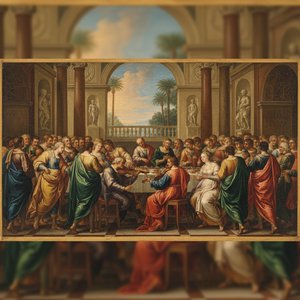
Bacchus and Ceres


 Vis hele teksten
Giclée / Kunsttrykk
Giclée- eller lerretsprint av museumskvalitet med rask produksjon og fleksible valgmuligheter for etterbehandling. ( Kjøp håndmalt maleri Bytt til digitalt bilde)




P118B Nkr10

P118H Nkr10

P118W Nkr10

P438Z Nkr10

P508JH Nkr12

P508YH Nkr12

P805H Nkr10

P805Z Nkr10

P919BZ Nkr10

P919G Nkr10

P919XJ Nkr10

P959ZH Nkr10

P968JZ Nkr12

W106C Nkr8

W218G Nkr10

W218JH Nkr8

W218Y Nkr10

W307PJ Nkr10

W316G Nkr10

W316PJ Nkr8

W316Y Nkr10

W398PJ Nkr8

W4111J Nkr10

W500HY Nkr15

W500JH Nkr15

W692G Nkr12

W849H Nkr8

W940BG Nkr15

W953PJ Nkr8




Velg mellom våre forhåndsdefinerte størrelser som bevarer kunstverkets opprinnelige proporsjoner.

Skriv inn ønsket bredde og høyde for å tilpasse trykket til din ramme eller vegg. Et trykk kan kun beskjæres, aldri skaleres opp utover motivets opprinnelige størrelse, noe som betyr at et format med andre proporsjoner vil føre til tap av deler av bildet. Vi sender deg en digital mockup for godkjenning før vi starter trykkeprosessen. Bildet som vises på denne siden viser ikke den faktiske beskjæringen — det er kun mockuppen som viser dette.
Verdensomspennende levering () på 2 uker i stedet for standard 4/5 uker. (1 November)

Gratis ekspressfrakt over hele verden

Lerretsduk av lin av høy kvalitet

Full transportforsikring

Garanti for refusjon av toll og importavgifter

Garantert fargegjengivelse

100 dagers returrett ved fabrikasjonsfeil

100% pengene tilbake-garanti

Rabatt ved flere kjøp
 Glassalternativet er kun tilgjengelig i størrelser under 110 cm

Bacchus and Ceres
Giclée / Kunsttrykk
Størrelse på reproduksjon
-


Totalpris for valgte alternativer
Nkr 770
Paolo Veronese: A Renaissance Master of Color, Composition, and Venetian Splendor
Paolo Caliari, known to the world as Paolo Veronese, emerged from the vibrant artistic landscape of 16th-century Venice as a master of color, composition, and opulent spectacle. Born in Verona in 1528, the son of a stonecutter, his early life was steeped in the visual richness of his surroundings – the classical architecture, sculpted forms, and burgeoning humanist ideals that characterized the region. His initial training under Antonio Badile and Giovanni Francesco Caroto laid a foundation in traditional techniques, but it was his move to Venice in the 1550s that truly ignited his artistic genius. The city itself became his muse, its bustling marketplaces, grand palazzi, and shimmering waterways informing the scale and drama of his work. He quickly absorbed the influences of established Venetian masters like Titian, whose mastery of color profoundly impacted Veronese’s palette, yet he forged a distinct style characterized by an unparalleled ambition to capture grandeur and emotion on canvas.- Subject Matter: Veronese's oeuvre is dominated by monumental mythological scenes—particularly depictions of feasts and celebrations—drawing heavily from classical narratives and Roman mythology. “Bacchus and Ceres,” commissioned for Villa Barbaro in Maser, exemplifies this fascination with epic storytelling and idealized beauty.
- Style: Veronese’s style belongs to Mannerism, a reaction against the harmonious balance of High Renaissance art. Unlike his predecessors who sought perfection, Veronese embraced dynamism and theatricality, prioritizing expressive gesture and dramatic lighting over anatomical accuracy. This stylistic choice lends an air of grandeur and sophistication to his paintings.
- Technique: He employed meticulous fresco painting techniques—a hallmark of Venetian artistic tradition—resulting in breathtaking surfaces adorned with shimmering pigments and intricate detailing. The layering of translucent glazes created a luminous effect, capturing the vibrancy of color and enhancing the illusionistic depth of the scene.
Villa Barbaro’s Frescoes: Context and Significance
The commission for “Bacchus and Ceres” at Villa Barbaro represents more than just an artistic endeavor; it embodies the aspirations of Daniele Barbaro, a humanist scholar and patron of the arts who envisioned his villa as a symbol of intellectual enlightenment and aristocratic refinement. Veronese's frescoes were intended to elevate the villa’s interior space into a realm of sublime beauty—a testament to the Renaissance ideal of integrating art and architecture to create harmonious environments. The painting reflects the broader cultural climate of Venice during Barbaro’s time, where artistic innovation flourished alongside humanist thought.Symbolism and Narrative Complexity
“Bacchus and Ceres” is replete with symbolic references that underscore its thematic concerns. Bacchus, representing wine and fertility, embodies Dionysiac ecstasy—a celebration of sensual pleasure and divine inspiration. Ceres, goddess of agriculture and harvest, symbolizes abundance and nourishment—essential elements for sustaining human life and fostering prosperity. The figures’ postures and expressions convey a palpable sense of joy and conviviality, inviting viewers to partake in the festivities depicted. Furthermore, Veronese skillfully employs perspective and spatial illusionism to create an immersive experience, transporting the viewer into the opulent setting of the villa's banquet hall.Emotional Impact: A Triumph of Venetian Art
Ultimately, “Bacchus and Ceres” achieves its remarkable emotional impact through Veronese’s masterful manipulation of color and light—elements that contribute significantly to the painting’s dramatic atmosphere. The rich hues—particularly reds, golds, and blues—evoke a feeling of warmth and splendor, mirroring the grandeur of Villa Barbaro itself. The luminous glazing technique enhances the illusionistic depth of the scene, drawing viewers into the midst of the celebration and capturing the essence of Renaissance artistic ambition. It remains an enduring masterpiece—a testament to Veronese’s genius and Venice's legacy as a center for artistic innovation.Further Exploration
You can find more information about Paolo Veronese and “Bacchus and Ceres” at: Around 1560-61, Veronese was commissioned by Daniele Barbaro to provide the interior frescoes for Barbaro's Palladian villa in Maser.Spørsmål og svar
Hvilken trykkstørrelse av "Bacchus and Ceres" av Paolo Veronese passer til det anbefalte rommet?
Anbefalt kombinasjon for "Bacchus and Ceres" av Paolo Veronese: et trykk i størrelsen Large til et Living Room.
Hvilken fase i Paolo Veronese sin karriere tilsvarer datoen 1560 for "Bacchus and Ceres"?
Dateringen fra 1560 plasserer "Bacchus and Ceres" i Mature Period av Paolo Veronese sin kunstneriske utvikling.
Hvilke farger dominerer i "Bacchus and Ceres" av Paolo Veronese?
Fargeidentiteten til "Bacchus and Ceres" av Paolo Veronese: en Earthy-palett, dominert av Putty (#d2beb4).
Om kunstneren
A Venetian Visionary: The Life and Art of Paolo Veronese
Paolo Caliari, kjent verden over som Paolo Veronese, steg frem fra det pulserende kunstmiljøet i Venezia på 1500-tallet som en mester i fargebruk, komposisjon og overdådig spektakel. Født i Verona i 1528, sønn av en steinmann, var hans tidlige liv dypt forankret i det visuelle riket rundt ham – den klassiske arkitekturen, skulpturene og de voksende humanistiske idealene som preget regionen. Hans tidlige opplæring under Antonio Badile og Giovanni Francesco Caroto la et fundament i tradisjonelle teknikker, men det var hans overgang til Venezia på 1550-tallet som virkelig tennerte hans kunstneriske geni. Selve byen ble hans muse, dens travle markeder, storslåtte palasser og skimrende kanaler formet omfanget og dramatikken i hans verk. Han absorberte raskt innflytelser fra etablerte venetianske mestere som Titian, hvis koloristiske mesterskap dypt påvirket Veroneses palett, men han skapte likevel en distinkt stil preget av en uovertruffen følelse av teater og overdådighet.The Painter of Feasts and Grand Narratives
Veroneses rykte hviler på hans monumentale malerier, spesielt de som skildrer luksuriøse måltider og bibelske scener transformert til blendende utstillinger av venetiansk liv. *Bryllupet i Kana*, ferdigstilt i 1563 for den benediktinske klosterkirken San Giorgio Maggiore, er et bevis på hans dyktighet. Dette kolossale lerret er ikke bare en illustrasjon av miraklet; det er et levende panorama over 1500-tallets samfunn, fylt med elegant kledde figurer, musikere og arkitektoniske detaljer gjengitt med betagende presisjon. Maleriet handler ikke bare om hva som skjedde i Kana, men *hvordan* det ville ha sett ut hvis det hadde funnet sted i Venezia under Veroneses tid. På samme måte forårsaket *Måltidet i Levi’s hus*, opprinnelig kalt *Det siste nattverdet*, kontrovers blant Inquisisjonen på grunn av inkluderingen av samtidige figurer og en tilsynelatende uhoppholdelig atmosfære. Veronese forsvarte sin kunstneriske frihet, hevdet at malere hadde rett til samme kreativitet som poeter og dukkeførere – en dristig uttalelse som gjenspeilte hans tro på kunstens makt til å tolke og omskrive hellige fortellinger. Disse verkene var ikke bare religiøse representasjoner; de var feiringer av livet, rikdommen og Venezia selv. Han var interessert i å fange essensen av eksistens, ikke i streng spiritualitet, men i å skildre glede og overflod.Influenser og Kunstnerisk Utvikling
Mens Titian sin innflytelse på Veroneses kolorisme er ubestridelig, var hans kunstneriske utvikling en kompleks sammensmelting av ulike innflytelser. Den arkitektoniske presisjonen han brakte til komposisjonene sine skyldes i stor grad den klassiske tradisjonen som preget Verona under hans formative år, spesielt arbeidet til arkitekter som Michele Sanmicheli. Han absorberte også elementer fra sentrale italienske mestere som Raphael og Parmigianino, som er tydelige i de elegante linjene og harmoniske arrangementene i maleriene hans. Likevel kopierte Veronese ikke bare disse innflytelsene; han syntetiserte dem til en unikt venetiansk stil preget av sin dramatiske bruk av lys, livlige fargepaletter og nøyaktig oppmerksomhet på detaljer. Han utmerket seg ved å skape illusjoner av rom og dybde, og brukte perspektivteknikker for å trekke seerne inn i hjertet av sine forseggjorte scener. **Hans mesterskap med oljemaling tillot ham å oppnå en uovertruffen lysstyrke og rikdom av tekstur.** Han ledet også et stort atelier, med bidrag fra sin bror Benedetto og sønnene Gabriele og Carlo ('Carletto'), som sikret at hans stil fortsatte å blomstre selv etter hans død i 1588.Hovedresultater og Historisk Betydning
Paolo Veroneses innflytelse strekker seg langt utover kunstens rike. Hans verk har resonert gjennom århundrene, inspirert kunstnere på tvers av ulike disipliner. Hans dramatiske komposisjoner og livlige farger har blitt anerkjent som innflytelsesrike for alt fra barokkmaleri til moderne film – og finner ekko i de visuelle estetikkene til Spaghetti Westerns. Han var en del av «de store triumviratene» av venetianske malere—sammen med Titian og Tintoretto—hver bidro unikt til byens kunstneriske arv, men Veronese står ofte alene for sin rene overdådighet og feiring av jordiske gleder. John Ruskin skrev at han hadde lært fra Veroneses malerier at «å være en mesterkunstner betyr ikke å være pietist – men heller litt ondskapsfull og helt en mann av verden». Ruskin refererte til den livlige atmosfæren i Veroneses malerier, som ikke alltid møtte godkjennelsen fra de herskende kirkeorganene. Likevel var han en mann med prinsipielt motstandskraft. Dette ble demonstrert i hans forsvar for kunstnerisk frihet da han konfrontert med en eksekutiv hellig komité. Hans verk fortsetter å fange publikums oppmerksomhet med sin storhet og spektakel, og gir et innblikk i den overdådige verden av Venezia på 1500-tallet.
Paolo Veronese
1528 - 1588 , Italia
Kort om kunstneren
- Artistic Movement Or Style: Renaissance, Mannerisme
- Artists Or Movements Influenced By This Artist: ['Raphael']
- Artists Who Influenced This Artist: ['Tiziano']
- Date Of Birth: 1528
- Date Of Death: 1588
- Full Name: Paolo Caliari
- Nationality: Italiensk
- Notable Artworks:
- Bryllup i Kana
- Fest i Levi hus
- Place Of Birth: Verona, Italia
Relaterte artikler

The Enduring Legacy of Fresco: Technique, History & Artistic Expression Across Cultures
Explore the rich history & enduring legacy of fresco painting! Discover ancient techniques, Giotto's masterpieces, and modern applications. Expert insights for art lovers & professionals.

Fresko som Familiens Arv: Bevar Historien i Veggene
Lær om freskomaleriets historie og teknikk! Oppdag ikoniske verk og få tips til bevaring. Finn din perfekte freskoreproduksjon hos – kvalitet og ekspertise garantert.

The Enduring Legacy of Fresco Painting: Techniques, History & Contemporary Relevance
Explore the rich history & enduring artistry of fresco painting – from Giotto to Michelangelo! Discover techniques, conservation efforts, & modern applications. Learn how OriginalUniqueArt brings this timeless art form to your home.

Kunsten som lever med deg: Den emosjonelle kraften i et skreddersydd interiørfresko
Utforsk den emosjonelle kraften i skreddersydde interiørfresker. Ekspertise, håndverk og tidløs skjønnhet for ditt hjem. Få et unikt kunstverk – kontakt oss!
Paolo Veronese: A Renaissance Master of Color, Composition, and Venetian Splendor
Explore the vibrant world of Paolo Veronese, a Renaissance master renowned for his opulent compositions, masterful use of color, and dramatic Venetian scenes. Discover key artworks & legacy.


