
 Forhåndsvisning
 Send
Send Del med andre
 Vis detaljer

 Last ned bildet
 Liknende objekter
 Røntgenundersøkelse
 Lysbildefremvisning
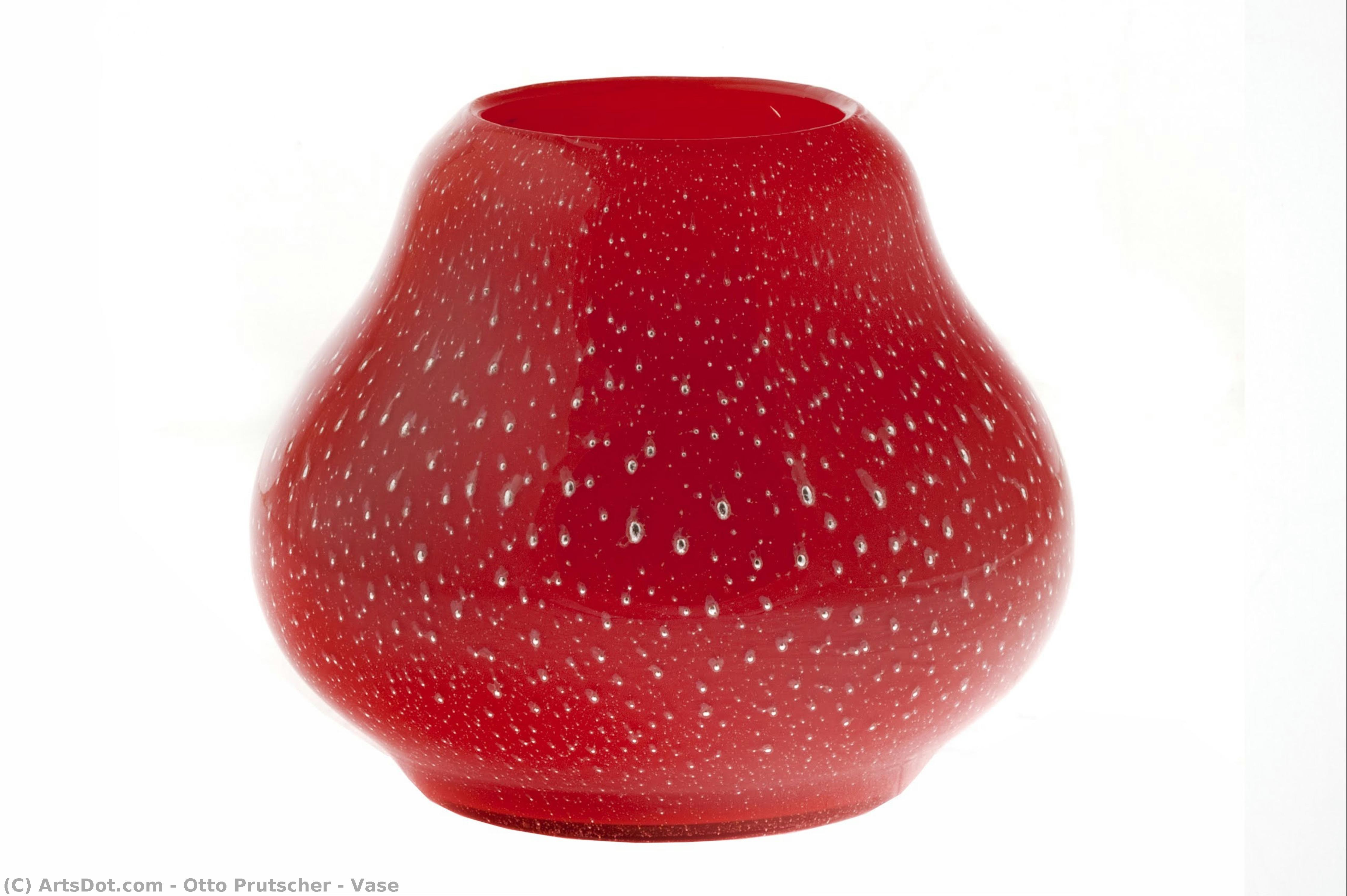
Vase
 1908
1908 6.0 x 12.0 cm
 Nasjonalt museum for dekorativ kunst i Madrid
 Vis hele teksten
Håndlaget oljereproduksjon
Håndmalt olje på lerret i din valgte størrelse og ramme, laget på bestilling av våre kunstnere. ( Kjøp trykk Kjøp bilde)




































Velg mellom våre forhåndsdefinerte størrelser som bevarer kunstverkets opprinnelige proporsjoner.

Du kan angi egne mål for å tilpasse en spesifikk ramme eller plass. Dersom den valgte størrelsen ikke samsvarer med originalbildets proporsjoner, vil vi enten beskjære kunstverket eller utvide maleriet med ytterligere håndmalte elementer. En digital mockup vil bli sendt til din godkjenning før produksjonen starter.
Vennligst merk at forhåndsvisningen på skjermen ikke gjenspeiler den faktiske beskjæringen eller utvidelsen. Kun mockuppen vil vise den endelige komposisjonen nøyaktig.
Selv om tilpassede størrelser er tilgjengelige, anbefaler vi å velge et mål fra den forhåndsdefinerte listen for å bevare de originale proporsjonene.
Etter bestilling vil OriginalUniqueArt.com-teamet sende e-post til kunden for instruksjoner og sende et utkast (mockup) som forhåndsvisning.
Verdensomspennende levering () på 3–4 uker i stedet for standard 5 uker. (5 September). Ingen kompromisser med kvaliteten.

Gratis ekspressfrakt over hele verden

Lerretsduk av høykvalitets lin

Full forsikring under transport

Garanti for refusjon av toll og importavgifter

Garantert korrekt fargegjengivelse

60 dagers returrett (kun ved feil)

100% pengene tilbake-garanti

Rabatt ved flere kjøp
 Glassalternativet er kun tilgjengelig i størrelser under 110 cm

Vase
Teknikk for reproduksjon
Størrelse på reproduksjon
-


Endelig pris
$ 300
Om kunstneren
A Pioneer of Viennese Modernism: The Life and Legacy of Otto Prutscher
Otto Prutscher, born in Vienna in 1880 and passing away in 1949, stands as a pivotal yet often-underappreciated figure in the evolution of Austrian design. He wasn’t merely an architect; he was a versatile artist who seamlessly blended tradition with burgeoning modernity, leaving an indelible mark on everything from grand architectural projects to the delicate curves of glassware and the intricate patterns adorning textiles. Prutscher embodied the spirit of Vienna at the turn of the 20th century—a city brimming with artistic innovation, intellectual ferment, and a desire to forge a new aesthetic identity. His early education at the Fachschule für Holzindustrie and subsequently at the Kunstgewerbeschule (School of Applied Arts) laid the foundation for his multifaceted career. Crucially, it was under the tutelage of Josef Hoffmann that Prutscher’s artistic sensibilities were truly shaped, instilling in him a commitment to quality craftsmanship and a keen awareness of prevailing architectural trends.Early Influences and Artistic Development
Prutscher's formative years coincided with the rise of the Vienna Secession, a movement that challenged the conservative norms of the established art world. While not a founding member, he wholeheartedly embraced its principles—a rejection of historical eclecticism in favor of a more streamlined, functional aesthetic. His initial designs reflected this influence, often characterized by geometric forms and a restrained elegance. However, Prutscher wasn’t content to simply replicate Hoffmann's style; he embarked on a journey of artistic exploration that led him to incorporate classical motifs and indigenous patterns into his work. This unique synthesis became a hallmark of his oeuvre, distinguishing him from his contemporaries. His participation in the 1900 Paris Exposition and the 1902 Turin Exposition served as crucial platforms for showcasing his burgeoning talent and establishing his reputation within the international art community. These early exhibitions weren’t just opportunities to display finished products; they were vital moments of exchange, allowing Prutscher to absorb new ideas and refine his artistic vision.A Prolific Creator: Architecture, Interiors, and Applied Arts
The sheer breadth of Prutscher's creative output is astonishing. He designed over 50 buildings, conceptualized nearly 50 exhibitions, crafted interiors for countless shops and cafés in Vienna, and produced an estimated 300 interior designs. Beyond that, he created more than 200 individual pieces and sets of furniture. This remarkable productivity was facilitated by his collaborative approach—he frequently worked with over 200 companies to bring his designs to life, most notably the Wiener Werkstätte (Vienna Workshop), Backhausen, and Augarten. Prutscher’s involvement extended beyond mere design; he also dedicated himself to education, teaching at institutions like the Graphische Lehr- und Versuchsanstalt and later returning to the Kunstgewerbeschule as an instructor. He wasn't simply creating objects; he was shaping a generation of artists and designers. His work spanned a vast range of mediums—from glassware and textiles to metalwork, silverware, and jewelry—demonstrating his mastery of diverse techniques and materials.The Legacy of a Universal Designer
Otto Prutscher’s significance lies not in any single iconic masterpiece but rather in the pervasive influence he exerted on Viennese Modernism. He was a true “Universal Designer,” capable of seamlessly transitioning between architectural plans, interior schemes, and intricate decorative details. His designs weren't merely aesthetically pleasing; they were imbued with a sense of functionality and practicality, reflecting his belief that art should enhance everyday life. He skillfully navigated the complex relationship between tradition and innovation, creating works that were both rooted in Austrian heritage and forward-looking in their aesthetic sensibility.- Vienna Secession Influence: Embraced the movement’s rejection of historical eclecticism.
- Collaborative Spirit: Worked with over 200 companies, including Wiener Werkstätte and Backhausen.
- Educational Role: Taught at prominent art institutions, shaping future generations of designers.
- Versatility in Mediums: Mastered glassware, textiles, metalwork, furniture design, and more.

Otto Prutscher
1880 - 1949 , Austria
Kort om kunstneren
- Artistic Movement Or Style: Post-Impressionism
- Artists Or Movements Influenced By This Artist:
- Fauves
- Expressionism
- Artists Who Influenced This Artist:
- Jean-François Raffaëlli
- Anton Mauve
- Date Of Birth: March 30, 1853
- Date Of Death: July 29, 1890
- Full Name: Vincent Willem van Gogh
- Nationality: Dutch
- Notable Artworks:
- Sunflowers
- Bedroom in Arles
- The Starry Night
- Wheatfield with Crows
- Place Of Birth: Netherlands

