
 Forhåndsvisning
 Send
Send Del med andre
 Vis detaljer

 Last ned bildet
 Liknende objekter
 Røntgenundersøkelse
 Lysbildefremvisning
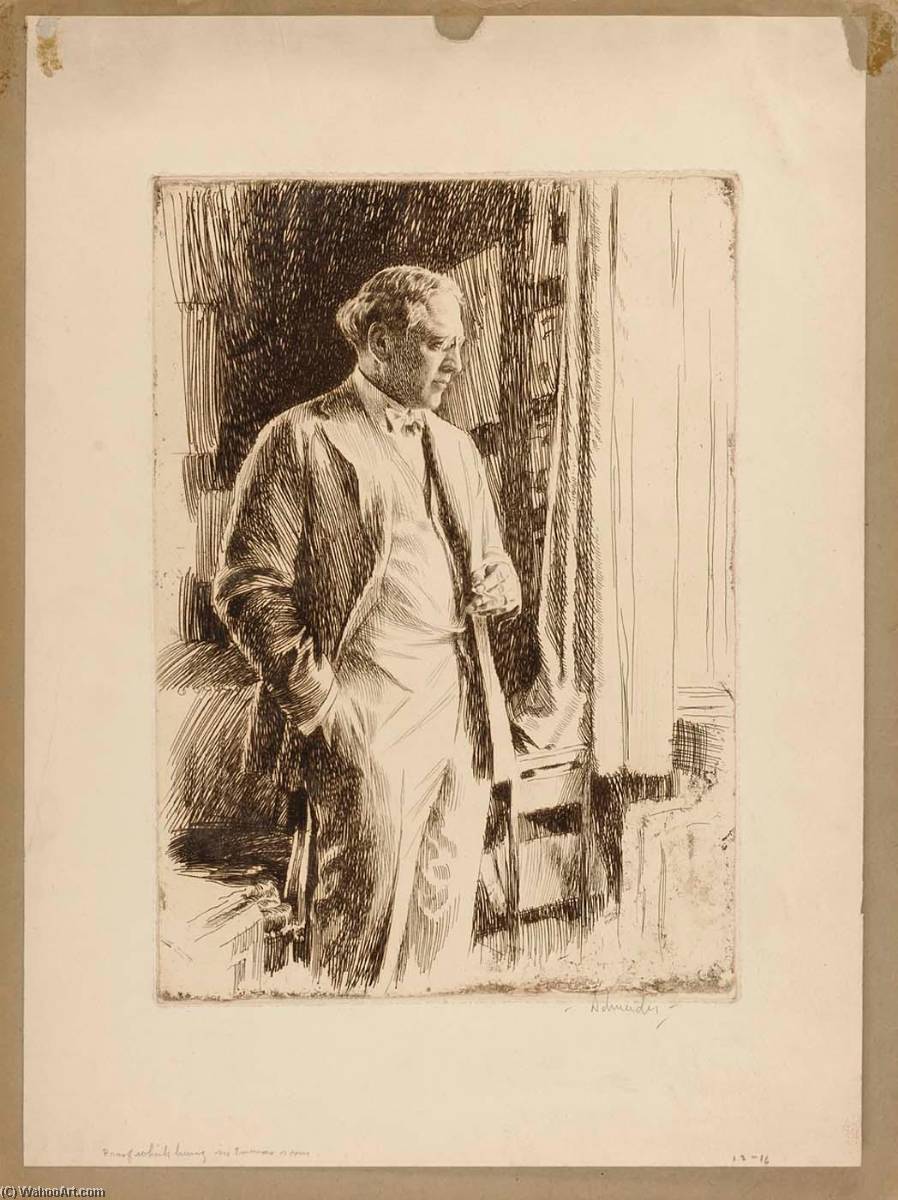
Jacob M. Loeb

 Vis hele teksten
Håndlaget oljereproduksjon
Håndmalt olje på lerret i din valgte størrelse og ramme, laget på bestilling av våre kunstnere. ( Kjøp trykk Kjøp bilde)




































Velg mellom våre forhåndsdefinerte størrelser som bevarer kunstverkets opprinnelige proporsjoner.

Du kan angi egne mål for å tilpasse en spesifikk ramme eller plass. Dersom den valgte størrelsen ikke samsvarer med originalbildets proporsjoner, vil vi enten beskjære kunstverket eller utvide maleriet med ytterligere håndmalte elementer. En digital mockup vil bli sendt til din godkjenning før produksjonen starter.
Vennligst merk at forhåndsvisningen på skjermen ikke gjenspeiler den faktiske beskjæringen eller utvidelsen. Kun mockuppen vil vise den endelige komposisjonen nøyaktig.
Selv om tilpassede størrelser er tilgjengelige, anbefaler vi å velge et mål fra den forhåndsdefinerte listen for å bevare de originale proporsjonene.
Etter bestilling vil OriginalUniqueArt.com-teamet sende e-post til kunden for instruksjoner og sende et utkast (mockup) som forhåndsvisning.
Verdensomspennende levering () på 3–4 uker i stedet for standard 5 uker. (21 August). Ingen kompromisser med kvaliteten.

Gratis ekspressfrakt over hele verden

Lerretsduk av høykvalitets lin

Full forsikring under transport

Garanti for refusjon av toll og importavgifter

Garantert korrekt fargegjengivelse

60 dagers returrett (kun ved feil)

100% pengene tilbake-garanti

Rabatt ved flere kjøp
 Glassalternativet er kun tilgjengelig i størrelser under 110 cm

Jacob M. Loeb
Teknikk for reproduksjon
Størrelse på reproduksjon
-


Endelig pris
$ 300
Om kunstneren
Otto J. Schneider (1875–1946): Bridging Realism and Impressionistic Vision
Otto J. Schneider (1875-1946) was a Hungarian painter who emerged as a prominent figure in the burgeoning landscape movement of the early 20th century, skillfully blending realism with elements of Impressionism to capture the essence of the American West and Hungarian countryside alike. Born in Budapest, Schneider’s artistic journey began amidst the Austro-Hungarian Empire's cultural dynamism, fostering an appreciation for both classical traditions and innovative stylistic explorations.- Early Influences: Schneider’s formative years were marked by exposure to European art trends—particularly Impressionism—which profoundly shaped his aesthetic sensibilities. Artists like Claude Monet and Camille Pissarro served as crucial inspirations, encouraging him to prioritize capturing fleeting moments of light and color in his canvases.
- American Landscape Painting: Recognizing the allure of the American frontier, Schneider embarked on expeditions to Wyoming and Montana during the 1920s and 30s. These travels fueled his dedication to portraying expansive vistas with meticulous detail—often utilizing techniques reminiscent of Impressionistic brushwork—resulting in iconic depictions of mountains, prairies, and sunsets.
Schneider’s Artistic Style: A Synthesis of Observation and Emotion
Schneider's distinctive style distinguished itself through a careful balance between objective observation and subjective emotional expression. He meticulously studied geological formations and atmospheric conditions to accurately represent the landscapes he encountered, yet simultaneously infused his paintings with palpable feelings—a testament to his ability to convey both visual precision and psychological depth. His masterful use of color palettes—often favoring muted hues—created an atmosphere that mirrored the grandeur and serenity of the natural world.- Technique: Schneider favored a technique characterized by loose brushstrokes layered upon one another, allowing for subtle gradations of tone and hue. This approach effectively simulated the effects of sunlight filtering through clouds or reflecting off water surfaces—a hallmark of Impressionistic painting.
- Composition: Schneider’s compositions prioritized capturing panoramic views, emphasizing horizontal lines to convey a sense of openness and expanse. He skillfully positioned figures within these landscapes—often small in scale—to heighten their vulnerability against the immensity of nature.
Notable Works and Recognition
Schneider’s artistic legacy rests upon several celebrated paintings, including “Viseu, Portugal” (1947), a stunning portrayal of Portugal's Ribeira region—a testament to his ability to capture the beauty of European landscapes. Furthermore, he produced evocative portraits of Jacob M. Loeb – demonstrating remarkable attention to detail and capturing the subject’s gaze with dramatic lighting techniques. His dedication to documenting Native American culture through James Otto Lewis’s work cemented his place as a pioneer in portraying regional identity.- "Viseu, Portugal": This masterpiece exemplifies Schneider's Impressionistic style—characterized by vibrant color and textured brushwork—effectively conveying the atmosphere of Ribeira.
- "Jacob M. Loeb": Schneider’s portrait showcases masterful lighting and hatching techniques—reflecting his commitment to realism while simultaneously capturing the subject’s psychological presence.
Legacy and Influence
Otto J. Schneider's contribution to Hungarian art history remains significant, inspiring subsequent generations of painters who embraced Impressionistic principles. His unwavering pursuit of artistic excellence—coupled with his profound connection to the landscapes he depicted—solidified his reputation as a visionary artist whose work continues to resonate with audiences today.
otto j schneider
1875 - 1946
Kort om kunstneren
- Artistic Movement Or Style: Neue Sachlichkeit
- Artists Or Movements Influenced By This Artist: ['German Expressionism']
- Artists Who Influenced This Artist:
- James Otto Lewis
- Otto Dix
- Date Of Birth: 1875
- Date Of Death: 1946
- Full Name: Otto J. Schneider
- Nationality: Austrian
- Notable Artworks:
- Viseu, Portugal
- Jacob M. Loeb
- Place Of Birth: Vienna, Austria
Relaterte artikler
The Nuances of Graphite: Exploring Emotional Depth & Technical Mastery in Pencil Drawing
Explore the captivating world of graphite drawing! Discover its rich history, master essential techniques like chiaroscuro, and learn how artists evoke emotion through this timeless medium. Expert insights for art enthusiasts.

Mastering the Line: A Comprehensive Expert Guide to Technical Precision and Expressive Depth in Drawing
Elevate your artistic practice with this expert guide to mastering the line. Discover advanced techniques in graphite, charcoal, and contour drawing designed for art students seeking technical precision and expressive depth in their fine art studies.

The Art of the Line: A Masterclass in Drawing Techniques and the Evolution of Graphic Expression
Explore the profound history of drawing techniques, from Dürer's precision to the alchemy of graphite. Discover how masters use line, weight, and contour to capture the human spirit in this expert guide to art history and technical mastery.
The Power of Graphite: Mastering Depth, Texture, and Detail in the Art of Pencil Drawing
Explore the profound artistry of graphite drawing. Discover professional techniques for mastering depth, texture, and detail through a lens of art history, from classical sketches to modern masterpieces. Elevate your understanding of the pencil medium with our expert guide.

The Enduring Power of Line: Exploring Themes & Techniques in Drawing Across Art History
Explore the rich history of drawing! Discover key techniques like linear perspective & iconic artists from the Renaissance to modern times. Enhance your art appreciation with OriginalUniqueArt.

