Se i rommet
 Del som digitalt kort
 Del
Del
 Detaljer
 Studentguide

 Last ned
 Liknende objekter
 Røntgen
 Lysbildefremvisning
 Besøksstatistikk
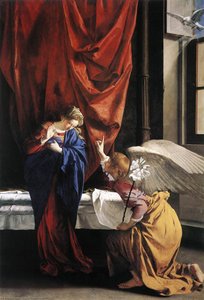
Cupid and Psyche
 Oil On Canvas
- WallArt
- Baroque Drama
 1628
1628- Early Modern
 137.0 x 160.0 cm
 Eremitasjen
 Les mer
Giclée / Kunsttrykk
Giclée- eller lerretsprint av museumskvalitet med rask produksjon og fleksible valgmuligheter for etterbehandling. ( Bestill håndmalt reproduksjon Gå til digitalt bilde)




P118B Nkr10

P118H Nkr10

P118W Nkr10

P438Z Nkr10

P508JH Nkr12

P508YH Nkr12

P805H Nkr10

P805Z Nkr10

P919BZ Nkr10

P919G Nkr10

P919XJ Nkr10

P959ZH Nkr10

P968JZ Nkr12

W106C Nkr8

W218G Nkr10

W218JH Nkr8

W218Y Nkr10

W307PJ Nkr10

W316G Nkr10

W316PJ Nkr8

W316Y Nkr10

W398PJ Nkr8

W4111J Nkr10

W500HY Nkr15

W500JH Nkr15

W692G Nkr12

W849H Nkr8

W940BG Nkr15

W953PJ Nkr8




Velg mellom våre forhåndsdefinerte størrelser som bevarer kunstverkets opprinnelige proporsjoner.

Skriv inn bredden og høyden du trenger, slik at den passer til din ramme eller vegg. Et trykk kan kun beskjæres, aldri gjøres større enn bildet, så et format med en annen form vil miste en del av motivet. Vi sender deg en digital mockup for godkjenning før vi trykker noe som helst. Bildet som vises på denne siden viser ikke den faktiske beskjæringen — det er kun mockuppen som gjør det.
Verdensomspennende levering () på 2 uker i stedet for standard 4/5 uker. (26 October)

Gratis ekspressfrakt over hele verden

Lerretsduk av høykvalitets lin

Full transportforsikring

Garanti for refusjon av toll og importavgifter

Garantert fargeekthet

100 dagers returrett ved fabrikasjonsfeil

100% pengene tilbake-garanti

Mengderabatt
 Glassalternativet er kun tilgjengelig i størrelser under 110 cm

Cupid and Psyche
Giclée / Kunsttrykk
Format på reproduksjon
-


Totalpris
Nkr 761
A Celestial Encounter: The Radiance of Orazio Gentileschi’s Cupid and Psyche
In the quiet, shadowed depths of the early seventeenth century, a transformative magic was unfolding in the heart of Italy, and few works capture this transition as poignantly as Orazio Gentileschi’s “Cupid and Psyche.” Completed in 1628, this masterpiece serves as a breathtaking bridge between the stylized, often artificial elegance of Mannerism and the raw, visceral drama of the Baroque era. The painting invites us into a sacred, intimate space where the boundaries between the mortal and the divine dissolve. As we gaze upon the central figures, we are not merely observers of a myth; we are witnesses to a profound moment of emotional vulnerability and celestial connection. The scene, steeped in the atmosphere of tenebrismo, utilizes stark contrasts of light and shadow to pull the viewer into a realm where every flicker of illumination feels like a divine revelation.
The narrative foundation of this work is drawn from the ancient, enchanting fables of antiquity—specifically the tales of Psyche, a mortal princess whose soul must undergo harrowing trials to prove her worthiness of the god Cupid. Gentileschi translates this epic journey into a singular, quiet moment of intense psychological depth. Through his masterful use of a pyramidal composition, he directs our gaze upward, centering our attention on the tender interaction between the two lovers. The artist’s technique is nothing short of extraordinary; he renders the velvet softness of Psyche’s skin and the powerful, muscular contours of Cupid with such precision that the figures seem to breathe within their dark, mysterious surroundings. This meticulous attention to texture, combined with the dramatic interplay of light, creates a sensory experience that is both tactile and ethereal.
Symbolism and the Baroque Soul
Beyond its technical brilliance, “Cupid and Psyche” is a profound meditation on the nature of love and the human spirit. The presence of two celestial beings, positioned like silent guardians above the lovers, imbues the scene with an undeniable sense of sanctity. These figures serve as reminders that the passion shared between Cupid and Psyche is not merely a fleeting earthly impulse, but a cosmic event sanctioned by the heavens. The deep, enveloping shadows that surround the pair do more than provide contrast; they represent the unknown trials and the darkness of the mortal condition, against which the light of love must constantly struggle to shine. For the discerning collector or interior designer, this painting offers much more than aesthetic beauty; it provides a focal point of profound narrative weight and spiritual resonance.
The emotional impact of the piece lies in its ability to evoke pathos through subtlety rather than overt spectacle. There is an unmistakable tension in the air—a mixture of Psyche’s trepidation and Cupid’s ardent, protective desire. This psychological complexity makes the artwork a timeless addition to any curated collection. Whether placed in a grand, classical hall or used as a sophisticated accent in a contemporary, minimalist space, a high-quality reproduction of this work brings with it an aura of historical importance and emotional sophistication. It is a piece that demands contemplation, inviting anyone who stands before it to reflect on the enduring power of devotion and the beautiful struggle of the soul to find its light.
Spørsmål og svar
Hvilken størrelse har "Cupid and Psyche" av Orazio Gentileschi i virkeligheten?
Det originale verket "Cupid and Psyche" av Orazio Gentileschi måler 137 x 160 cm.
Hvor kan jeg laste ned "Cupid and Psyche" av Orazio Gentileschi?
Nedlasting er tilgjengelig for "Cupid and Psyche": kunstverkets Last ned-side tilbyr nedlasting av et digitalt bilde i høy oppløsning.
Hvilke proporsjoner har "Cupid and Psyche" av Orazio Gentileschi, og hva er målene?
Formatet på "Cupid and Psyche" er Landscape, og originalen måler 137 x 160 cm. Begge deler er nyttige når man planlegger en reproduksjon.
Kunstnerbiografi
A Tuscan Dawn: The Life and Art of Orazio Gentileschi
Born in 1563 amidst the rolling hills of Tuscany, Orazio Gentileschi embarked on a journey that would see him become a pivotal figure in the transition from Mannerism to Baroque painting. Initially known as Orazio Lomi, he gravitated towards Rome, then the epicenter of artistic innovation, where he honed his skills within the workshops of Cola dell’Amata and absorbed the architectural sensibilities of Francesco da Sangallo. These early influences instilled in him a meticulous attention to form and composition, characteristics that would remain hallmarks of his style even as it dramatically evolved. Gentileschi’s initial work often involved contributing figures to larger decorative schemes conceived by other artists – a formative experience that taught him collaboration and adaptability, yet also hinted at a burgeoning ambition for independent expression. He began his career in Florence, learning the fundamentals of painting from his half-brother, Aurelio Lomi, before moving to Rome where he quickly gained recognition for his ability to capture dynamic movement and dramatic emotion.Embracing the Shadow: Caravaggio's Influence and Artistic Development
The turn of the 17th century marked a turning point in Gentileschi’s artistic trajectory. The revolutionary naturalism of Caravaggio burst onto the Roman art scene, challenging established conventions with its dramatic use of light and shadow – *tenebrism* – and unflinching realism. Gentileschi was profoundly affected by this seismic shift, adopting elements of Caravaggio's style into his own work. However, he wasn’t merely an imitator; rather, he filtered Caravaggio’s innovations through his existing artistic sensibilities. While retaining the dramatic intensity, Gentileschi softened the harshness of Caravaggio’s *tenebrism*, introducing a lighter palette and a more refined approach to detail. This resulted in paintings that possessed both emotional power and elegant grace – a unique synthesis that distinguished him from his contemporaries. Biblical scenes and mythological narratives became frequent subjects, allowing Gentileschi to explore themes of faith, heroism, and human vulnerability with compelling visual storytelling. His mastery of *tenebrism* is particularly evident in works like “David and Goliath,” where the stark contrast between light and dark emphasizes the hero’s strength and determination.A Courtly Wanderer: From Paris to London
Gentileschi’s artistic reputation extended beyond Italy's borders. His talent attracted the patronage of powerful figures, leading him on a peripatetic journey through Europe. He spent time at the court of Marie de' Medici in Paris, where his refined style resonated with the Queen’s taste for elegance and sophistication. This period saw a further evolution in his work, characterized by increasingly elaborate compositions and a heightened sense of decorum. He also worked in Genoa, producing impressive ceiling paintings that showcased his technical skill and ability to create immersive environments. However, it was his invitation to England in 1626 that would define the final chapter of his career. Appointed court painter to Charles I, Gentileschi became one of the first major exponents of Caravaggism in Britain, significantly influencing the development of English Baroque painting. He undertook ambitious projects, including a series of ceiling paintings for Greenwich Palace (now Marlborough House), showcasing his mastery of large-scale decorative schemes and solidifying his position as a leading artist of his time. His work during this period often reflected the grandeur and formality of the English court.The Legacy of a Master: Artemisia's Influence
Perhaps most significantly, Orazio Gentileschi’s legacy is inextricably linked to that of his daughter, Artemisia Gentileschi. Trained in her father’s studio, she absorbed his techniques and artistic sensibilities, developing into one of the most celebrated female painters of the Baroque era. While maintaining a distinct style influenced by Caravaggio, Artemisia inherited her father's dramatic flair and ability to capture intense emotion. Her works, such as “Judith dreper Holofernes,” stand as powerful testaments to her skill and independence, challenging conventional notions of gender in art. The influence of Orazio’s artistic approach on his daughter is undeniable, demonstrating a remarkable lineage of talent and innovation within the family.Key Works and Lasting Impact
Orazio Gentileschi's contributions to the world of art are multifaceted. He bridged the gap between Mannerism and Baroque, absorbing the innovations of Caravaggio while forging his own distinctive style. His use of vibrant colors, dramatic compositions, and refined technique influenced a generation of artists across Europe. He was instrumental in introducing Caravaggism to England, leaving an indelible mark on the artistic landscape there. But perhaps his most enduring legacy lies in his daughter, Artemisia Gentileschi. Today, Gentileschi’s works are held in prestigious museums and galleries worldwide – from the Uffizi Gallery in Florence to the Accademia Gallery in Venice – testaments to his enduring brilliance and lasting impact on the history of art. His paintings continue to captivate viewers with their emotional depth, technical virtuosity, and timeless beauty.- Major Works: “Danae”, "The Annunciation", "The Virgin Mary"
- Key Influences: Mannerism, Caravaggio
- Artistic Style: Baroque, Dramatic compositions, Bright colors.

Orazio Gentileschi
1563 - 1639 , Italia
Kort om kunstneren
- Artistic Movement Or Style: Barokken, Caravaggisme
- Artists Or Movements Influenced By This Artist:
- Artemisia Gentileschi
- Barokk
- Artists Who Influenced This Artist:
- Caravaggio
- Sangallo
- Date Of Birth: 1563, Toscana
- Date Of Death: 1639, London
- Full Name: Orazio Gentileschi
- Nationality: Italiensk
- Notable Artworks:
- Danae
- Annunciatio
- Maria
- Place Of Birth: Toscana, Italia
Relaterte artikler

Baroque Classicism: The Grandeur of Order and Drama in 17th-Century Art History
Explore the profound elegance of Baroque Classicism. Discover how 17th-century masters synthesized dramatic emotion with classical order through the lens of the Counter-Reformation and the works of legends like Carlo Maratta and Andrea Sacchi.

The Visceral Stage: Exploring Dramatic Narratives & Emotional Intensity in Baroque Art
Explore the dramatic world of Baroque art! Discover iconic masters like Caravaggio & Rembrandt, their techniques, and the movement's lasting impact. Expert insights for collectors & enthusiasts at OriginalUniqueArt.

The Dramatic Flourish: Exploring the Baroque Movement's Enduring Legacy in Art History
Explore the dramatic world of Baroque art! Discover iconic artists like Caravaggio & Rubens, defining techniques, and its lasting impact on art history. Expert insights for collectors & enthusiasts at OriginalUniqueArt.

Barokkens drama: Å bringe prakt og følelser inn i moderne interiører
Oppdag barokkens praktfulle drama! Lær om stilens historie, kjennetegn og hvordan du kan integrere den i ditt hjem med s eksklusive kunstutvalg.

Barokkens Mesterverk: Topp 10 Kunstverk som Definerte en Epoke | OriginalUniqueArt.no
Opplev barokkens prakt! Utforsk Rembrandts, Caravaggios og Rubenses mest ikoniske verk. Lær om historien bak disse mesterverkene og finn inspirasjon til din interiørdekor på OriginalUniqueArt.com. Museums kvalitet kunsttrykk.