Forhåndsvisning
 Send
Send Del med andre
 Vis detaljer

 Last ned bildet
 Liknende objekter
 Røntgenundersøkelse
 Lysbildefremvisning
Votary of Bacchus

 Vis hele teksten
Håndlaget oljereproduksjon
Håndmalt olje på lerret i din valgte størrelse og ramme, laget på bestilling av våre kunstnere. ( Kjøp trykk Kjøp bilde)




P118B $10

P118H $10

P118W $10

P438Z $10

P508JH $12

P508YH $12

P805H $10

P805Z $10

P919BZ $10

P919G $10

P919XJ $10

P959ZH $10

P968JZ $12

W106C $8

W218G $10

W218JH $8

W218Y $10

W307PJ $10

W316G $10

W316PJ $8

W316Y $10

W398PJ $8

W4111J $10

W500HY $15

W500JH $15

W692G $12

W849H $8

W940BG $15

W953PJ $8




Velg mellom våre forhåndsdefinerte størrelser som bevarer kunstverkets opprinnelige proporsjoner.

Du kan angi egne mål for å tilpasse en spesifikk ramme eller plass. Dersom den valgte størrelsen ikke samsvarer med originalbildets proporsjoner, vil vi enten beskjære kunstverket eller utvide maleriet med ytterligere håndmalte elementer. En digital mockup vil bli sendt til din godkjenning før produksjonen starter.
Vennligst merk at forhåndsvisningen på skjermen ikke gjenspeiler den faktiske beskjæringen eller utvidelsen. Kun mockuppen vil vise den endelige komposisjonen nøyaktig.
Selv om tilpassede størrelser er tilgjengelige, anbefaler vi å velge et mål fra den forhåndsdefinerte listen for å bevare de originale proporsjonene.
Etter bestilling vil OriginalUniqueArt.com-teamet sende e-post til kunden for instruksjoner og sende et utkast (mockup) som forhåndsvisning.
Verdensomspennende levering () på 3–4 uker i stedet for standard 5 uker. (20 August). Ingen kompromisser med kvaliteten.

Gratis ekspressfrakt over hele verden

Lerretsduk av høykvalitets lin

Full forsikring under transport

Garanti for refusjon av toll og importavgifter

Garantert korrekt fargegjengivelse

60 dagers returrett (kun ved feil)

100% pengene tilbake-garanti

Rabatt ved flere kjøp
 Glassalternativet er kun tilgjengelig i størrelser under 110 cm

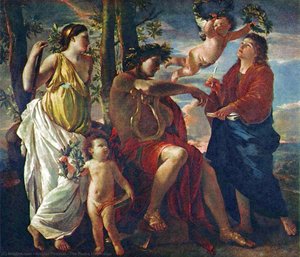
Votary of Bacchus
Teknikk for reproduksjon
Størrelse på reproduksjon
-


Endelig pris
$ 300
Beskrivelse av kunstverket
The Lady of Auxerre: A Silent Smile Across Time
The discovery of the Lady of Auxerre in 1907—a limestone sculpture unearthed from a Parisian storage vault—immediately captivated the public imagination, fueling speculation about its origins and artistic significance. This enigmatic Kore, dating back to approximately 650-625 BCE, stands as a testament to the Archaic Greek style, embodying an aesthetic that continues to fascinate scholars and artists alike. Found in Eleutherna and Gortyn, Crete, excavations conducted by Nikolaos Stampolidis have solidified its provenance and illuminated the broader artistic landscape of early Greece.- Provenance: The sculpture’s journey began in obscurity within a Parisian museum vault before being rediscovered in 1907, sparking considerable journalistic interest.
- Style: Representing an Archaic Greek masterpiece, the Lady embodies characteristics of Daedalic art—a style marked by meticulous modeling and incised ornamentation—reflecting influences from Minoan and Egyptian traditions.
- Technique: Crafted from limestone, the Lady showcases exceptional sculptural skill, demonstrating mastery of modeling and incising techniques. The surface is adorned with intricate spiral curls and geometric patterns—incised designs that contribute to the sculpture’s overall visual impact.
- Historical Context: Emerging from the Dark Age, Archaic Greek art represents a pivotal moment in European cultural history—a transition toward rational thought and artistic sophistication. The Lady’s presence serves as a tangible link to this formative era, inviting viewers to contemplate the enduring legacy of classical aesthetics.
Exploring Nicolas Poussin’s “Dancing Votary of Bacchus”
Nicolas Poussin's "Dancing Votary of Bacchus," completed around 1630-1635, stands as an exemplar of Baroque painting—characterized by dramatic lighting, dynamic composition, and meticulous attention to detail. This captivating artwork delves into themes of mythology, spirituality, and human emotion, capturing the essence of classical ideals within a vibrant visual language.- Composition: The painting’s circular frame draws viewers inward, emphasizing the central figure—a nude man holding a wine goblet—who embodies both physical grace and intellectual contemplation.
- Technique: Executed primarily in wash and brown ink over traces of black chalk, Poussin's technique demonstrates mastery of pigment blending and tonal gradation—essential elements for achieving realistic visual effects.
- Symbolism: The nude figure represents purity and vulnerability, while the wine goblet symbolizes divine inspiration and sensual pleasure. These symbolic elements converge to convey a profound meditation on human experience and the relationship between art and spirituality.
A Window Into Ancient Greece: The Significance of Archaic Sculpture
Archaic sculpture represents a transformative moment in European art history—a transition from stylized conventions toward rational thought and artistic realism. Figures like the Lady of Auxerre exemplify this burgeoning aesthetic, embodying ideals of feminine beauty and spiritual serenity while simultaneously reflecting influences from Minoan and Egyptian traditions.- Influence: Archaic sculpture drew inspiration from Minoan and Egyptian art—demonstrating the interconnectedness of cultural traditions across ancient Greece.
- Formal Characteristics: Archaic sculptures are characterized by stylized modeling and incised ornamentation—techniques that prioritize visual harmony and intellectual rigor over naturalistic representation.
The Enduring Legacy of Classical Aesthetics: Reflections on “Dancing Votary”
Nicolas Poussin's "Dancing Votary of Bacchus" stands as a cornerstone of Baroque painting—characterized by dramatic lighting, dynamic composition, and meticulous attention to detail. The artwork’s exploration of mythology, spirituality, and human emotion continues to resonate with audiences today—affirming its place as one of the most celebrated artworks of the seventeenth century.- Emotional Impact: The painting evokes feelings of serenity, contemplation, and wonder—reflecting the Baroque aesthetic's commitment to conveying profound emotional experiences through visual imagery.
- Interpretations: Scholars continue to debate “Dancing Votary”'s symbolism—examining its representation of femininity, spirituality, and human emotion through the lens of classical ideals.
Contemporary Appreciation: Why “The Lady of Auxerre” Still Matters Today
Despite its antiquity, The Lady of Auxerre retains an astonishing relevance in contemporary art discourse—inspiring artists and collectors alike with its profound contemplation of human experience and spiritual transcendence. Its serene expression—often termed “the archaic smile”—continues to captivate viewers—serving as a symbol of artistic excellence and intellectual rigor.- Influence on Modern Art: The Lady’s stylistic innovations—particularly her modeling techniques and incised ornamentation—have exerted an enduring influence on subsequent generations of artists—inspiring them to explore new visual languages while upholding classical aesthetic ideals.
- Symbolic Resonance: The Lady’s attire—a tubular dress embellished with brooches concealed beneath her hair—represents a fusion of Minoan and Egyptian stylistic elements—highlighting the interconnectedness of cultural traditions across ancient Greece.
Om kunstneren
Nicolas Poussin – En Meisterverk av Klassisk Fransk Barokk Kunst
Nicolas Poussin, en navn synonymt med praktfullheten til fransk barokk maleri, var likevel en sjel dypt rotfestet i italiensk jord for mye av sin kunstneriske livstid. Han ble født i Les Andelys, Normandie, i juni 1594, og hans tidlige år omgir seg med noe mystisk, men de la uten tvil grunnlaget for en karriere som skulle bli avgjørende for å forme klassisk tradisjon innen kunst – spesielt i Frankrike. Selv om han studerte kort i Paris tidlig på 1610-tallet og absorberte innflytelse fra mindre kjente kunstnere av tiden, var det hans reise til Roma i 1624 som virkelig tente hans kunstneriske skjebne. Dette var ikke bare en geografisk forflytning; det var en fordypning i hjertet av antikken, en pilegrimsferd til selve kilden til inspirasjon som skulle definere hans estetiske visjon. Poussin sin første virksomhet innen maleri ble preget av sensualitet, noe som minnet om italienske mestere som Titian, men selv her begynte det å spire opp en følelse av orden og intellektuell vekt – et forvarsel om stilen han så dypt ville raffinere.Roma: Forging a Classical Ideal
Roma viste seg å være mer enn bare et atelier for Poussin; det ble hans intellektuelle kjelde. Han fant seg midt i en blomstrende sirkel av forskere, arkeologer og andre kunstnere, blant annet Cassiano dal Pozzo, hvis dype forståelse av klassisk antikk hadde stor innflytelse på kunstnerens tilnærming. Dal Pozzos dedikasjon til å nøye dokumentere gamle rester inspirerte Poussin til å utvikle en dyp respekt for historisk nøyaktighet og et ønske om å gi hans malerier følelse av tidløshet. Denne perioden så Poussin flytte seg bort fra den flamboyant eksklusjonen til noen av sine samtidige, men omfavnet heller en stil som var karakterisert av klarhet, balanse og en målrettet vekt på linjebasert komposisjon. Han studerte nøye Rafael’s verk, absorberte deres harmoniske arrangementer og elegante former, mens han samtidig hentet inspirasjon fra gamle statuer og litterære kilder som Ovid’s *Metamorphoses*. Hans malerier begynte å befolkes av figurer trukket fra klassisk historie og mytologi, gjengitt ikke bare som dekorative elementer, men som uttrykk for moralske dydigheter og filosofiske idealer. Han var spesielt fascinert av Rafael’s komposisjonsteknikker og hans evne til å skape bilder som var både estetisk tiltalende og dypt betydningsfulle.Utviklingen av en Klassisk Stil
Poussin begynte sin kunstneriske utvikling med fokus på italienske klassiske verk, noe som førte til at han utviklet en unik stil som skilte seg ut fra andre samtidige kunstnere. Han var spesielt inspirert av Raphael og hans bruk av perspektiv og komposisjon for å skape bilder som føltes både realistiske og harmoniske. Dette ble ytterligere styrket av hans studier av gamle statuer og arkitektur, noe som førte til at han utviklet en forståelse for klassisk estetikk som var unik for sin tid. Han eksperimenterte med ulike teknikker og komposisjonsmønstre, noe som resulterte i verk som var både teknisk imponerende og kunstnerisk betydningsfulle. Hans første malerier var ofte preget av sensualitet og bruk av lys og farge, noe som reflekterte innflytelsen fra italienske impresjonister som Caravaggio. Men han utviklet raskt en egen stil som var karakterisert av klarhet og orden, noe som gjenspeilet hans filosofiske interesser og hans ønske om å kommunisere ideer på en effektiv måte. Han var spesielt opptatt av å bruke klassisk komposisjon for å skape bilder som var både estetisk tiltalende og dypt betydningsfulle.Tematikk og Filosofi
Poussin’s kunst fokuserte hovedsakelig på temaer fra klassisk historie og mytologi, noe som gjenspeilet hans interesse for filosofi og moral. Han var spesielt fascinert av Platons filosofi om ideer og hans syn på menneskelivets natur. Dette førte til at han utviklet en kunstnerisk stil som var både teknisk dyktig og filosofisk resonerende, noe som gjorde ham til en av de mest betydningsfulle kunstnerne i sin tid. Hans malerier ble ofte brukt til å illustrere religiøse temaer, noe som gjenspeilet hans kristne tro og hans ønske om å kommunisere religiøse ideer på en effektiv måte. Han var spesielt opptatt av å bruke klassisk komposisjon for å skape bilder som var både estetisk tiltalende og dypt betydningsfulle. Hans kunstverk ble ofte sett på som uttrykk for menneskelig dyd og filosofisk refleksjon, noe som gjorde ham til en viktig stemme i den europeiske kulturen på 1600-tallet. Han var spesielt opptatt av å bruke klassisk komposisjon for å skape bilder som var både estetisk tiltalende og dypt betydningsfulle.Et Arv av Tidløs Kvalitet
Nicolas Poussin døde i Roma i 1665, etter å ha hatt en produktiv kunstnerisk karriere som hadde satt ham blant de største navnene innen fransk klassisisme. Hans verk ble verdsatt for sin tekniske dyktighet og estetiske kvalitet gjennom hele historien, noe som gjorde ham til en av de mest innflytelsesrike kunstnerne i Europa på 1600-tallet. Han ble husket spesielt for sine landskap og religiøse bilder, noe som gjenspeilet hans interesse for klassisk estetikk og hans ønske om å kommunisere ideer på en effektiv måte. Hans kunstverk fortsetter å inspirere kunstnere og forskere i dag, noe som vitner om hans evne til å skape bilder som var både teknisk imponerende og kunstnerisk betydningsfulle. Han ble husket spesielt for sine landskap og religiøse bilder, noe som gjenspeilet hans interesse for klassisk estetikk og hans ønske om å kommunisere ideer på en effektiv måte. Hans kunstverk fortsetter å inspirere kunstnere og forskere i dag, noe som vitner om hans evne til å skape bilder som var både teknisk imponerende og kunstnerisk betydningsfulle.- Kjønn: Maler
- Født: Les Andelys, Frankrike (1594)
- Død: Roma (1665)

Nicolas Poussin
1594 - 1665 , Frankrike
Kort om kunstneren
- Artistic Movement Or Style: Barokk, Klassisisme
- Artists Or Movements Influenced By This Artist:
- Jacques-Louis David
- Paul Cézanne
- Artists Who Influenced This Artist:
- Raphael
- Titian
- Date Of Birth: 1594
- Date Of Death: 1665
- Full Name: Nicolas Antoine Taunay
- Nationality: Fransk
- Notable Artworks:
- Scipio Africanus
- Et i Arcadia Ego
- Dans til Tidens Musikkk
- Place Of Birth: Les Andelys, Frankrike
Relaterte artikler

Bronseklassikere: 10 skulpturer som revolusjonerte kunsten | OriginalUniqueArt
Utforsk 10 legendariske bronseskulpturer som formet kunsthistorien! Fra Rodin til Michelangelo – oppdag historiene, teknikkene og skjønnheten bak tidløse mesterverk. Finn din perfekte veggkunst eller interiørdekor på OriginalUniqueArt.com.

The Enduring Form: Exploring Themes & Techniques in Sculpture Across Historical Periods
Explore the rich history of sculpture from ancient masterpieces to contemporary innovations. Discover key techniques, influential artists & investment potential for discerning art collectors.

The Enduring Allure of Marble in Art History: From Classical Sculpture to Modern Abstraction
Explore the captivating history of marble sculpture from ancient Greece to modern art. Discover renowned artists like Canova & Michelangelo, carving techniques, and investment insights at OriginalUniqueArt.

Bronzens Mesterverk: 10 Skulpturer Som Forandret Kunsthistorien | OriginalUniqueArt
Oppdag 10 legendariske bronse skulpturer som revolusjonerte kunsthistorien! Fra Michelangelo til Rodin – lær om teknikker, historier og tidløs skjønnhet. Finn museumskvalitets reproduksjoner & interiørinspirasjon på OriginalUniqueArt.com.
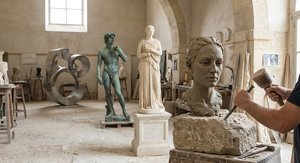
The Enduring Form: Sculpture Across History, Technique & Emotional Resonance
Explore the rich history of sculpture with OriginalUniqueArt. Discover key techniques, influential artists & investment potential for discerning collectors. Expert insights into valuing and collecting timeless masterpieces.