

 Se i rommet
 Del som digitalt kort
 Del
Del
 Detaljer
 Studentguide

 Last ned
 Liknende objekter
 Røntgen
 Lysbildefremvisning
 Besøksstatistikk
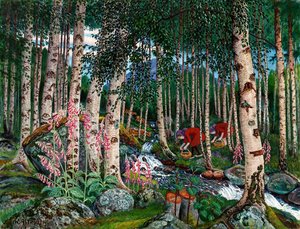
Gethsemane
 Oil On Board
- Neo-Romanticism
 1926
1926- Modern
 42.0 x 32.0 cm
 Bergen Kunstmuseum
 Les mer
Giclée / Kunsttrykk
Giclée- eller lerretsprint av museumskvalitet med rask produksjon og fleksible valgmuligheter for etterbehandling. ( Bestill håndmalt reproduksjon Gå til digitalt bilde)




P118B Nkr10

P118H Nkr10

P118W Nkr10

P438Z Nkr10

P508JH Nkr12

P508YH Nkr12

P805H Nkr10

P805Z Nkr10

P919BZ Nkr10

P919G Nkr10

P919XJ Nkr10

P959ZH Nkr10

P968JZ Nkr12

W106C Nkr8

W218G Nkr10

W218JH Nkr8

W218Y Nkr10

W307PJ Nkr10

W316G Nkr10

W316PJ Nkr8

W316Y Nkr10

W398PJ Nkr8

W4111J Nkr10

W500HY Nkr15

W500JH Nkr15

W692G Nkr12

W849H Nkr8

W940BG Nkr15

W953PJ Nkr8




Velg mellom våre forhåndsdefinerte størrelser som bevarer kunstverkets opprinnelige proporsjoner.

Skriv inn bredden og høyden du trenger, slik at den passer til din ramme eller vegg. Et trykk kan kun beskjæres, aldri gjøres større enn bildet, så et format med en annen form vil miste en del av motivet. Vi sender deg en digital mockup for godkjenning før vi trykker noe som helst. Bildet som vises på denne siden viser ikke den faktiske beskjæringen — det er kun mockuppen som gjør det.
Verdensomspennende levering () på 2 uker i stedet for standard 4/5 uker. (21 October)

Gratis ekspressfrakt over hele verden

Lerretsduk av høykvalitets lin

Full transportforsikring

Garanti for refusjon av toll og importavgifter

Garantert fargeekthet

100 dagers returrett ved fabrikasjonsfeil

100% pengene tilbake-garanti

Mengderabatt
 Glassalternativet er kun tilgjengelig i størrelser under 110 cm

Gethsemane
Giclée / Kunsttrykk
Format på reproduksjon
-


Totalpris
Nkr 755
A Visionary Encounter in the Norwegian Garden
In the quiet, evocative depths of Nikolai Astrup’s 1926 masterpiece, Gethsemane, the boundaries between biblical history and the intimate landscapes of Norway begin to dissolve. While the title refers to the sacred garden in Jerusalem where Christ faced his darkest hour, Astrup performs a profound act of artistic localization. He transports this monumental moment of spiritual agony into the familiar, lush surroundings of the parsonage garden in Ålhus. This is not merely a religious illustration; it is a dreamlike fusion of the divine and the terrestrial. The viewer is invited into a space where the heavy atmosphere of the crucifixion narrative meets the verdant, mystical textures of the West Norwegian landscape, creating a scene that feels both ancient and deeply personal.
The composition breathes with a sense of quiet drama, capturing a moment of profound transition. As the eye wanders through the painting, one encounters a scene that oscillates between a somber historical event and a visionary hallucination. The presence of figures—some appearing caught in the weight of the narrative, others seemingly lost in a trance-like state—suggests a world where the veil between reality and the supernatural is perilously thin. This sense of mystery is heightened by the scattered birds that drift through the sky and perch upon the landscape, acting as silent witnesses to the unfolding drama. For the collector or designer, this piece offers more than just a subject; it offers an atmosphere of contemplative depth that can anchor a room with its soulful, introspective energy.
Technique and the Language of Light
Astrup’s technical mastery is evident in his use of oil on cardboard, a medium that allows for a rich, concentrated application of pigment. His style, rooted in Neo-Romanticism, eschews clinical realism in favor of an intense, emotive color palette. The textures are tactile and layered, reflecting the artist's lifelong obsession with the "visual language" of his homeland. He employs light not just to illuminate form, but to evoke mood; the shadows are deep and heavy, yet they are pierced by a spectral luminosity that suggests the presence of a divine vision. This interplay of light and shadow creates a rhythmic movement across the canvas, guiding the viewer through the dense foliage and toward the heart of the spiritual struggle.
The brushwork possesses a certain raw, organic vitality that mirrors the ruggedness of the Norwegian fjords. There is no sterile perfection here; instead, there is a deliberate, expressive quality that celebrates the natural world's untamed spirit. For those seeking to incorporate fine art into a sophisticated interior, a high-quality reproduction of Gethsemane provides a centerpiece of immense character. The painting’s ability to command attention through its complex textures and brooding tones makes it an ideal choice for spaces designed for reflection, such as libraries, study alcoves, or quiet sitting rooms where the interplay of history and nature can be fully appreciated.
A Legacy of Spiritual and National Identity
To understand Gethsemane is to understand Nikolai Astrup’s broader mission: to capture the very soul of Norway. By situating a universal Christian narrative within his own local topography, he elevates the Norwegian landscape to a stage for the eternal. This technique of "sacralizing" the everyday—turning a simple garden patch into a site of cosmic significance—is what makes his work so enduringly powerful. The painting serves as a bridge between the theological and the topographical, making the profound accessible through the familiar.
For the discerning art lover, owning a reproduction of this work is an opportunity to possess a fragment of this visionary legacy. It is a piece that invites continuous re-examination, revealing new layers of symbolism and emotion with every viewing. Whether one is drawn to its historical weight, its masterful use of color, or its ability to evoke the misty, magical atmosphere of a Norwegian night, Gethsemane remains a breathtaking testament to the power of art to transform the world we see into a world we feel.
Spørsmål og svar
Er "Gethsemane" av Nikolai Astrup i det frie domene (public domain), og hvorfor?
Opphavsrettslig status for "Gethsemane" - i det frie domene – opphavsretten har utløpt - følger av kunstnerens dødsår i 1928.
Hvilke motiver fremkommer i "Gethsemane" av Nikolai Astrup?
"Gethsemane" av Nikolai Astrup avbilder: biblical scene, religious, jesus christ, gethsemane, norway landscape, night scene, visionary.
Hvordan er "Gethsemane" historisk plassert?
Historisk sett er "Gethsemane" et Neo-Romanticism-verk fra den bredere Modern-epoken.
Kunstnerbiografi
Nikolai Astrup: En visjonær fra Vestlandet
Nikolai Astrup (1880–1928) står som en unik skikkelse i norsk kunsthistorie—en maler hvis dype forbindelse til landskapene og tradisjonene på Vestlandet sikret hans plass blant de mest særpregede nyromantiske kunstnerne i sin tid. Astrup ble født i Bremanger, Sogn og Fjordane, og hans oppvekst blant værbitte fjorder og fredfulle daler formet hans kunstneriske sans på et dyptgripende vis. Dette drev ham mot en stil preget av intense fargepaletter og en urokkelig dedikasjon til å skildre hverdagslivet i det rurale Norge. Hans ettermæle ligger ikke bare i estetisk vakre lerreter, men også i hans banebrytende forsøk på å fange «et nasjonalt visuelt språk» som fremkalte tradisjonene og folkloren i hans hjemland.- Tidlig liv og utdannelse: Astrups formative år var preget av en religiøs pietisme formidlet av hans far, Christian Astrup, en prest som oppmuntret ham til teologiske studier. Til tross for de innledende tendensene mot prestetjenesten, førte lidenskapen for tegning og maleri ham til slutt bort fra Trondheim katedralskole. Han valgte i stedet å forfølge sine kunstneriske ambisjoner i Kristiania (Oslo), hvor han foredlet sine ferdigheter under veiledning av Harriet Backer.
- Parisisk innflytelse: Et kort opphold i Paris eksponerte Astrup for den fremvoksende avantgarde-bevegelsen, noe som skapte forbindelser med medkunstnere som Christian Krohg og beriket hans forståelse for impresjonistiske teknikker. Denne perioden sementerte hans vilje til eksperimentering og utvidet hans kunstneriske horisont.
- Returen til Jølster og kunstnerisk utvikling: Da han vendte tilbake til sin slekts hjem i Jølster i 1902, etablerte Astrup et hushold sentrert rundt sin kone, Engel Sunde, med hvem han fikk åtte barn. De økonomiske utfordringene i deres liv ga næring til hans kunstneriske drivkraft og ansporet ham til å fordype seg fullstendig i skildringen av sine omgivelser—et landskap som skulle fungere som en evig kilde til inspirasjon.
- Betydningsfulle utstillinger: Astrups kunstneriske rykte vokste jevnt gjennom tre viktige utstillinger holdt i Kristiania (1905), Bergen (1908) og Oslo (1911). Disse utstillingene høstet kritisk anerkjennelse og etablerte ham som en ledende stemme innen den norske kunstscenen.
- Store bragder og ettermæle: Astrups varige bidrag til norsk kunst ligger i hans urokkelige søken etter kunstnerisk autentisitet—en forpliktelse til å skildre skjønnheten og sjelen i Vestlandet med kompromissløs ærlighet. Hans malerier fortsetter å resonnere i dag, som kraftfulle symboler på nasjonal kulturarv og som legemliggjørelser av nyromantikkens idealer.
Nikolai Astrup
1880 - 1928 , Norge
Kort om kunstneren
- Artistic Movement Or Style: Nyromantikk
- Artists Or Movements Influenced By This Artist: ['Skandinavisk kunst']
- Artists Who Influenced This Artist: ['Christian Krohg']
- Date Of Birth: 1880
- Date Of Death: 1928
- Full Name: Nikolai Johannes Astrup
- Nationality: Norsk
- Notable Artworks:
- Den ivrige frier
- Naken tre
- Jente som spinner
- Place Of Birth: Bremanger, Norge
Relaterte artikler

Johan Christian Dahl: Pioneering Norwegian Romantic Landscape Painting
Explore the life & art of Johan Christian Dahl, Norway's first great Romantic painter. Discover his iconic landscapes, cultural impact, and lasting legacy with OriginalUniqueArt.

Romantiske landskap: Topp 10 mesterverk for hjemmet – Kunst fra OriginalUniqueArt.com
Oppdag de 10 mest ikoniske romantiske landskapsmaleriene! Fra Caspar David Friedrich til Turner – utforsk kunsthistorien, stemningen og fargepalettene. Finn museumskvalitets reproduksjoner på OriginalUniqueArt.com.

John Constable: Topp 25 Maler – Engelsk Landskapskunst i Ditt Hjem
Opplev John Constables 25 mest ikoniske malerier! Fordyp deg i engelsk romantikk, landskapskunst og atmosfæriske scener. Finn museumskvalitets reproduksjoner & interiørinspirasjon på OriginalUniqueArt.com. Utforsk samlingen online!

Evocations of Place: A Historical Journey Through Landscape Art
Explore the rich history of landscape art with OriginalUniqueArt. Discover renowned artists, movements like Impressionism & Romanticism, and expert guidance for collecting timeless pieces. Find your perfect serene escape today!

The Sublime and the Picturesque: Exploring Emotion & Nature in Romantic Landscape Painting
Explore the emotional power of Romantic landscape painting! Discover the sublime & picturesque traditions, key artists like Friedrich & Cole, and find your perfect artwork at OriginalUniqueArt.