
 Forhåndsvisning
 Send
Send Del
Del
 Vis detaljer
 Utskriftsvennlig guide

 Last ned bilde
 Liknende objekter
 Røntgenundersøkelse
 Lysbildefremvisning
 Spørsmål og svar
 Statistikk
The Lacemaker

- 45.0 x 53.0 cm


 Vis hele teksten
Få en utskriftsklar fil som går langt utover forhåndsvisningen på nett. Hvert digitale bilde vi selger er hentet fra en høyoppløselig master i vår database – vanligvis mellom 5 000 og 15 000 piksler bred – slik at du kan trykke stort, beskjære tett eller gjenskape fine detaljer med full trygghet.
Ingen filer forlater studioet vårt uten å bli bearbeidet. En digital ekspert kontrollerer fargene mot det originale maleriet og korrigerer dem ved behov, for deretter å forbedre klarhet og detaljrikdom med profesjonelle retusjeringsverktøy — alltid tro mot kunstnerens penselstrøk og stil. Resultatet er et bilde som fremstår som selve maleriet, ikke som en skann med filter.
Du godkjenner før ferdigstilling: vår ekspert sender bildet på e-post til din vurdering innen 72 timer. Ikke fornøyd? Be om forbedringer eller korrigeringer, eller be om refusjon dersom kvaliteten ikke svarer til forventningene.
Dette er kvaliteten forlag, designstudioer, gallerier og trykkerier stoler på.
Digitalt bilde
Last ned en høyoppløselig fil til personlig bruk, utskrift og kreative prosjekter. ( Bytt til trykk Kjøp håndmalt maleri)
Inkludert i alle bestillinger av digitale bilder
Ekspert på digital levering, garantert
Når du velger OriginalUniqueArt.com, får du ikke bare et bilde – du mottar et profesjonelt etterbehandlet digitalt kunstverk, skapt med presisjon og med en garantert tilfredshetsgaranti. Her er alt som automatisk følger med din bestilling:

Rask levering på e-post
Din høyoppløselige digitale bildefil sendes til din e-post innen 72 timer etter bestilling – klar til umiddelbar bruk.

KI-forbedret digital fil
Ditt kunstverk blir profesjonelt optimalisert ved hjelp av avanserte AI-verktøy og manuell redigering, noe som sikrer maksimal detaljrikdom, klarhet og fargegjengivelse.

Gratis livslang nyutlevering
Har du ved et uhell slettet eller mistet filen din? Ingen bekymring – vi sender den på nytt når som helst, helt gratis.

Ingen importavgifter – noen gang
Nyt ditt kunstverk umiddelbart uten toll, avgifter eller leveringskostnader – digitale nedlastinger er alltid avgiftsfrie.

Garantert fargenøyaktighet
Vi sikrer at det digitale bildet gjenspeiler de originale fargene så nøyaktig som mulig ved hjelp av profesjonelle verktøy og fargehåndtering.

100 dagers fornøydhetsgaranti
Hvis du ikke er fornøyd med ditt digitale bilde, vil vi revidere det eller refundere 100% innen 100 dager – uten spørsmål.

100% Penggaranti
Ikke fornøyd? Få full refusjon innen 100 dager etter at du har mottatt din digitale fil – uten spørsmål.

Rabatt ved storkjøp
Kjøp 3 bilder, spar 10% - Kjøp 5, spar 15% - Kjøp 10+, spar 20%. Ideelt for kreative prosjekter, gallerier og byråer.
The Lacemaker: A Glimpse of Domestic Life in Delft
Nicolaes Maes’s “The Lacemaker,” painted around 1656, is more than just a portrait; it's a meticulously crafted window into the heart of 17th-century Dutch domesticity. Housed within the Metropolitan Museum of Art in New York, this small yet remarkably detailed canvas offers a poignant study of labor, femininity, and the quiet dignity of everyday life – a hallmark of the burgeoning genre painting movement that flourished during the Dutch Golden Age. The scene unfolds within a modestly furnished room, bathed in soft light filtering through a window on the left, creating an atmosphere of serene contemplation.
The central figure is a young woman, her posture suggesting both diligence and contentment as she expertly works at her lacemaking. Her hands move with practiced grace, transforming simple threads into intricate patterns – a testament to the skill and patience required for this demanding craft. Beside her, a small child sits perched on a stool, observing his mother’s work with an expression of innocent curiosity. This juxtaposition of generations, of labor and observation, imbues the scene with a subtle narrative depth.
A Masterclass in Light and Shadow
Maes was deeply influenced by Rembrandt van Rijn, inheriting his profound understanding of *chiaroscuro*, the dramatic interplay of light and shadow. Here, this technique is masterfully employed to draw the viewer’s eye to the central figure, highlighting her hands and the delicate lace she creates. The dark background – a simple wooden room with a muted floor – serves as a powerful contrast, emphasizing the brightness of the figures and creating a sense of intimacy. Notice how Maes uses subtle gradations of light to model the woman's face and clothing, lending them a remarkable three-dimensionality.
The artist’s meticulous attention to detail extends beyond the figure itself. The textures of the fabric – the smooth sheen of the bodice, the rough weave of the tablecloth – are rendered with astonishing realism. Even the small objects on the table – a vase and a bowl – contribute to the sense of a lived-in space, grounding the scene in a tangible reality.
Symbolism and Social Context
Lacemaking was not merely a domestic occupation; it held significant social and economic value during this period. The intricate lace produced by women like the one depicted in “The Lacemaker” was highly sought after, providing an important source of income for many families. The painting therefore offers a glimpse into the lives of ordinary Dutch women, highlighting their contributions to the household economy and showcasing their skill and artistry.
Furthermore, the presence of the child adds another layer of symbolic meaning. Children were often depicted in domestic scenes as symbols of hope and continuity, representing the future generation. The boy’s attentive gaze suggests a connection between mother and child, reinforcing the values of family and tradition that were central to Dutch society.
A Timeless Portrait of Domesticity
“The Lacemaker” is more than just a beautiful painting; it's a powerful testament to the artistry and skill of Nicolaes Maes. Through his masterful use of light, shadow, and detail, he has captured a fleeting moment in time – a glimpse into the quiet dignity of domestic life in Delft. The painting’s enduring appeal lies in its ability to evoke a sense of nostalgia for a bygone era, reminding us of the simple pleasures and profound beauty that can be found in the everyday.
Spørsmål og svar
Hva har "The Lacemaker" til felles med resten av Nicolaes Maes sin produksjon?
I Nicolaes Maes sitt kunstnerskap befinner "The Lacemaker" seg innenfor Dutch Golden Age-stilen, sammen med temaene rembrandt’s light & shadow, dutch domesticity, virtue”, “17th-century life”, “genre painting focus”, maes's intimate scenes”.
Hvem skapte "The Lacemaker", og i hvilket år?
"The Lacemaker" ble skapt av Nicolaes Maes i 1656.
Hvor harmonisk er fargebruken i "The Lacemaker" av Nicolaes Maes?
Fargeharmonien i "The Lacemaker" er beskrevet som Strong Color Unity.
Om kunstneren
Nicolaes Maes (1634 - 1693): A Life Immersed in Dutch Light and Shadow
Nicolaes Maes, a name resonating softly within the pantheon of Dutch Golden Age masters, was born in Dordrecht in January 1634 into a world brimming with mercantile prosperity and artistic ferment. His father, Gerrit Maes, a successful cloth merchant and soap boiler, provided a comfortable upbringing, allowing young Nicolaes to pursue his burgeoning talent for painting. While early instruction came from a local artist of modest renown, the pivotal moment in Maes’s development arrived when he journeyed to Amsterdam around 1648 and entered the workshop of Rembrandt van Rijn. This apprenticeship proved transformative, imbuing him with an enduring appreciation for the dramatic interplay of light and shadow – *chiaroscuro* – and a masterful command of color that would define his early works. The influence was so profound that initial paintings, such as depictions of biblical scenes rendered with life-size figures and rich, glowing hues, were often mistakenly attributed to Rembrandt himself. These formative years laid the groundwork for a career marked by both technical brilliance and an intimate understanding of human emotion.Early Years and Rembrandt’s Influence
Maes's artistic journey began under the tutelage of Samuel van Hoogstraten, another former pupil of Rembrandt who resided in Dordrecht during Maes’s formative years. Although Van Hoogstraten’s instruction was modest compared to Rembrandt’s renown, it instilled in Maes a foundational understanding of perspective and draughtsmanship—skills that would prove invaluable throughout his subsequent artistic endeavors. However, the true catalyst for Maes's stylistic evolution came from his immersion within Rembrandt’s studio in Amsterdam. Here, he absorbed not only Rembrandt’s technical prowess but also his profound philosophical approach to art – namely, a preoccupation with capturing the psychological complexities of human experience and conveying emotion through subtle gestures and expressions. This apprenticeship profoundly shaped Maes’s artistic sensibilities, fostering an unwavering commitment to Rembrandt's signature technique of *chiaroscuro*, whereby dramatic contrasts between light and dark illuminate the subject matter and heighten its emotional impact. The resulting paintings—particularly those depicting biblical narratives—were often lauded for their monumental scale and luminous color palettes, earning Maes considerable acclaim during his early career.From Biblical Drama to Domestic Tranquility
Following his departure from Rembrandt’s workshop in 1654, Maes transitioned towards a more contemplative artistic path, focusing on smaller-scale genre scenes that captured the quiet rhythms of everyday life in Dordrecht and beyond. Unlike Rembrandt's grand narratives, Maes’s canvases depicted ordinary individuals engaged in commonplace activities—spinning wool, reading scripture, preparing meals—with remarkable sensitivity and detail. These paintings weren’t merely representations of daily routines; they were imbued with a palpable sense of atmosphere and emotion, reflecting the prevailing social values of the period. A particular fascination gripped Maes's imagination: the intricate art of lacemaking. He produced numerous variations on this theme, each meticulously rendered to convey not only the visual beauty of the craft but also its symbolic significance—representing patience, diligence, and domestic harmony. These works stand apart from Rembrandt’s dramatic compositions, prioritizing nuanced observation and psychological insight over theatrical grandeur.The Amsterdam Period: Portraiture and Artistic Transformation
Around 1660 Maes embarked on a new chapter of his artistic life in Amsterdam, where he established himself as one of the city's foremost portrait painters. This shift marked a significant stylistic departure from his earlier genre paintings—characterized by a cooler palette and a more restrained aesthetic—reflecting the influence of Flemish artists such as Anthony van Dyck. Maes’s portraits were distinguished by their elegance and psychological depth, capturing not only physical likeness but also subtle nuances of character and social standing. He skillfully employed *chiaroscuro* to sculpt the faces of his subjects, creating dramatic contrasts that accentuated features and conveyed emotion with remarkable precision. Notable commissions included portraits of prominent citizens—such as Gerard Röver, Merchant and Shipowner in Amsterdam—demonstrating Maes’s ability to elevate ordinary individuals into objects of artistic contemplation.Legacy and Enduring Significance
Nicolaes Maes passed away in Amsterdam in December 1693, leaving behind a legacy that continues to inspire admiration among art historians and collectors alike. His paintings exemplify the apex of Dutch Baroque artistry—characterized by meticulous detail, luminous color palettes, and profound psychological insight. Unlike Rembrandt’s theatrical grandeur, Maes's canvases prioritized quiet contemplation and nuanced observation, capturing the essence of human experience with understated grace. His enduring influence can be seen in the works of subsequent Delft painters—Johannes Vermeer and Pieter de Hooch—who adopted Maes’s innovative approach to spatial representation and tonal modulation. Today, Maes’s paintings reside in prestigious collections across Europe and North America, ensuring that his contribution to Dutch art history remains vividly alive for generations to come. His masterful command of *chiaroscuro* and his empathetic portrayal of human emotion cemented his place as one of the most important artists of the Golden Age—a testament to the transformative power of artistic apprenticeship and the enduring beauty of understated elegance.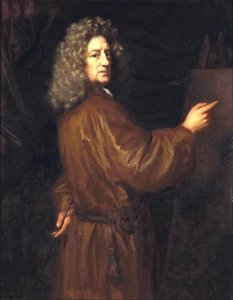
Nicolaes Maes
1634 - 1693 , Nederland
Kort om kunstneren
- Artistic Movement Or Style: Barok kunst
- Artists Or Movements Influenced By This Artist: ['Houbraken']
- Artists Who Influenced This Artist: ['Rembrandt van Rijn']
- Date Of Birth: Dordrecht, Nederland 1634
- Date Of Death: Amsterdam 1693
- Full Name: Nicolaes Maes
- Nationality: Nederlands
- Notable Artworks:
- Kristus vredesgaver barn
- Äldre kvinnas sömn över bok
- Död och förmögenhet
- Place Of Birth: Dordrecht