

 Forhåndsvisning
 Send
Send Del med andre
 Vis detaljer

 Last ned bildet
 Liknende objekter
 Røntgenundersøkelse
 Lysbildefremvisning
Christ before Pilate
 Acrylic On Canvas
- WallArt
- Dutch Golden Age
 1649
1649 216.0 x 174.0 cm
 Szépművészeti Múzeum
 Vis hele teksten
Håndlaget oljereproduksjon
Håndmalt olje på lerret i din valgte størrelse og ramme, laget på bestilling av våre kunstnere. ( Kjøp trykk Kjøp bilde)




P118B $10

P118H $10

P118W $10

P438Z $10

P508JH $12

P508YH $12

P805H $10

P805Z $10

P919BZ $10

P919G $10

P919XJ $10

P959ZH $10

P968JZ $12

W106C $8

W218G $10

W218JH $8

W218Y $10

W307PJ $10

W316G $10

W316PJ $8

W316Y $10

W398PJ $8

W4111J $10

W500HY $15

W500JH $15

W692G $12

W849H $8

W940BG $15

W953PJ $8




Velg mellom våre forhåndsdefinerte størrelser som bevarer kunstverkets opprinnelige proporsjoner.

Du kan angi egne mål for å tilpasse en spesifikk ramme eller plass. Dersom den valgte størrelsen ikke samsvarer med originalbildets proporsjoner, vil vi enten beskjære kunstverket eller utvide maleriet med ytterligere håndmalte elementer. En digital mockup vil bli sendt til din godkjenning før produksjonen starter.
Vennligst merk at forhåndsvisningen på skjermen ikke gjenspeiler den faktiske beskjæringen eller utvidelsen. Kun mockuppen vil vise den endelige komposisjonen nøyaktig.
Selv om tilpassede størrelser er tilgjengelige, anbefaler vi å velge et mål fra den forhåndsdefinerte listen for å bevare de originale proporsjonene.
Etter bestilling vil OriginalUniqueArt.com-teamet sende e-post til kunden for instruksjoner og sende et utkast (mockup) som forhåndsvisning.
Verdensomspennende levering () på 3–4 uker i stedet for standard 5 uker. (20 August). Ingen kompromisser med kvaliteten.

Gratis ekspressfrakt over hele verden

Lerretsduk av høykvalitets lin

Full forsikring under transport

Garanti for refusjon av toll og importavgifter

Garantert korrekt fargegjengivelse

60 dagers returrett (kun ved feil)

100% pengene tilbake-garanti

Rabatt ved flere kjøp
 Glassalternativet er kun tilgjengelig i størrelser under 110 cm

Christ before Pilate
Teknikk for reproduksjon
Størrelse på reproduksjon
-


Endelig pris
$ 300
Beskrivelse av kunstverket
The Weight of Judgment: Nicolaes Maes’s ‘Christ Before Pilate’
Nicolaes Maes's “Christ Before Pilate,” painted in 1649-50, isn’t merely a depiction of a biblical scene; it’s a masterclass in conveying psychological drama and the unsettling ambiguity of power. The painting immediately commands attention with its monumental scale – measuring an impressive 216 x 174 cm – drawing the viewer into a meticulously rendered tableau of apprehension and moral conflict. Maes, deeply influenced by Rembrandt's pioneering use of *chiaroscuro*, employs a dramatic interplay of light and shadow to sculpt the figures, creating a palpable sense of unease that permeates the entire composition. The muted palette, dominated by deep blues, browns, and ochres, contributes to this atmosphere of somber contemplation, while strategically placed highlights draw focus to key elements – Christ’s outstretched hands, Pilate's hesitant gaze, and the faces of the onlookers, each reflecting a complex blend of fear, curiosity, and indifference.
- Rembrandt’s Shadow: Maes’s apprenticeship under Rembrandt is undeniably evident. The masterful use of light to define form and create depth echoes Rembrandt's signature style, yet “Christ Before Pilate” possesses a distinctly more intimate and emotionally charged quality than many of the artist’s larger historical scenes.
- The Human Scale: Unlike the grand, theatrical compositions favored by some of his contemporaries, Maes presents this pivotal moment in Christian history with an almost unsettling sense of immediacy. The figures are rendered with remarkable realism, their faces etched with emotion and vulnerability – a deliberate choice that forces the viewer to confront the human cost of judgment.
- Compositional Tension: The arrangement of figures is carefully orchestrated to heighten the drama. Christ, positioned centrally, becomes the focal point of attention, while Pilate’s posture—a mixture of reluctance and resignation—suggests a profound internal struggle. The surrounding crowd, rendered in varying degrees of detail, represents the collective conscience of Jerusalem, caught between loyalty to Roman authority and compassion for the accused.
A Window into 17th-Century Dutch Society
“Christ Before Pilate” offers a fascinating glimpse into the social and religious landscape of 17th-century Holland. The painting reflects the burgeoning interest in biblical narratives within a society grappling with questions of morality, justice, and faith. The inclusion of details like the bowl and cup – symbols of earthly sustenance and ritual – subtly underscores the contrast between the spiritual significance of Christ’s sacrifice and the mundane realities of daily life. Furthermore, the presence of several onlookers—a soldier, a scribe, and a group of citizens—reflects the diverse social strata of Jerusalem at the time, highlighting the universal nature of human judgment and its potential for both righteousness and injustice.
Historical Context:Painted during a period of intense religious debate and political upheaval in Europe, “Christ Before Pilate” speaks to broader anxieties about authority, faith, and the role of the individual. The painting’s enduring appeal lies in its ability to resonate with viewers across centuries, prompting reflection on timeless questions of morality and responsibility.
Symbolism and Emotional Resonance
Beyond its historical context, “Christ Before Pilate” is rich in symbolic meaning. Christ's outstretched hands represent humility, sacrifice, and the acceptance of his fate. Pilate’s hesitant gaze embodies doubt, uncertainty, and the burden of leadership—a recognition that even those entrusted with power are not immune to moral dilemmas. The faces of the onlookers convey a spectrum of emotions – fear, indifference, curiosity, and perhaps even a flicker of hope – reflecting the complex human response to injustice. The painting’s overall effect is profoundly moving, evoking a sense of empathy for both Christ and Pilate, and prompting viewers to contemplate their own roles in the ongoing drama of human judgment.
Bringing ‘Christ Before Pilate’ into Your Space
Reproductions of Nicolaes Maes's “Christ Before Pilate” offer a remarkable opportunity to bring this powerful work of art into your home or office. Available in a range of sizes and framing options, our high-quality reproductions faithfully capture the painting’s dramatic intensity and nuanced details. Whether you are an art collector, an interior designer seeking to create a contemplative atmosphere, or simply someone who appreciates the beauty and emotional depth of classic art, a reproduction of “Christ Before Pilate” is sure to be a treasured addition to your collection. Consider pairing it with complementary colors and textures to enhance its impact – deep blues and browns will evoke the painting’s somber mood, while warm earth tones can create a sense of grounding and stability.
Om kunstneren
Nicolaes Maes (1634 - 1693): A Life Immersed in Dutch Light and Shadow
Nicolaes Maes, a name resonating softly within the pantheon of Dutch Golden Age masters, was born in Dordrecht in January 1634 into a world brimming with mercantile prosperity and artistic ferment. His father, Gerrit Maes, a successful cloth merchant and soap boiler, provided a comfortable upbringing, allowing young Nicolaes to pursue his burgeoning talent for painting. While early instruction came from a local artist of modest renown, the pivotal moment in Maes’s development arrived when he journeyed to Amsterdam around 1648 and entered the workshop of Rembrandt van Rijn. This apprenticeship proved transformative, imbuing him with an enduring appreciation for the dramatic interplay of light and shadow – *chiaroscuro* – and a masterful command of color that would define his early works. The influence was so profound that initial paintings, such as depictions of biblical scenes rendered with life-size figures and rich, glowing hues, were often mistakenly attributed to Rembrandt himself. These formative years laid the groundwork for a career marked by both technical brilliance and an intimate understanding of human emotion.Early Years and Rembrandt’s Influence
Maes's artistic journey began under the tutelage of Samuel van Hoogstraten, another former pupil of Rembrandt who resided in Dordrecht during Maes’s formative years. Although Van Hoogstraten’s instruction was modest compared to Rembrandt’s renown, it instilled in Maes a foundational understanding of perspective and draughtsmanship—skills that would prove invaluable throughout his subsequent artistic endeavors. However, the true catalyst for Maes's stylistic evolution came from his immersion within Rembrandt’s studio in Amsterdam. Here, he absorbed not only Rembrandt’s technical prowess but also his profound philosophical approach to art – namely, a preoccupation with capturing the psychological complexities of human experience and conveying emotion through subtle gestures and expressions. This apprenticeship profoundly shaped Maes’s artistic sensibilities, fostering an unwavering commitment to Rembrandt's signature technique of *chiaroscuro*, whereby dramatic contrasts between light and dark illuminate the subject matter and heighten its emotional impact. The resulting paintings—particularly those depicting biblical narratives—were often lauded for their monumental scale and luminous color palettes, earning Maes considerable acclaim during his early career.From Biblical Drama to Domestic Tranquility
Following his departure from Rembrandt’s workshop in 1654, Maes transitioned towards a more contemplative artistic path, focusing on smaller-scale genre scenes that captured the quiet rhythms of everyday life in Dordrecht and beyond. Unlike Rembrandt's grand narratives, Maes’s canvases depicted ordinary individuals engaged in commonplace activities—spinning wool, reading scripture, preparing meals—with remarkable sensitivity and detail. These paintings weren’t merely representations of daily routines; they were imbued with a palpable sense of atmosphere and emotion, reflecting the prevailing social values of the period. A particular fascination gripped Maes's imagination: the intricate art of lacemaking. He produced numerous variations on this theme, each meticulously rendered to convey not only the visual beauty of the craft but also its symbolic significance—representing patience, diligence, and domestic harmony. These works stand apart from Rembrandt’s dramatic compositions, prioritizing nuanced observation and psychological insight over theatrical grandeur.The Amsterdam Period: Portraiture and Artistic Transformation
Around 1660 Maes embarked on a new chapter of his artistic life in Amsterdam, where he established himself as one of the city's foremost portrait painters. This shift marked a significant stylistic departure from his earlier genre paintings—characterized by a cooler palette and a more restrained aesthetic—reflecting the influence of Flemish artists such as Anthony van Dyck. Maes’s portraits were distinguished by their elegance and psychological depth, capturing not only physical likeness but also subtle nuances of character and social standing. He skillfully employed *chiaroscuro* to sculpt the faces of his subjects, creating dramatic contrasts that accentuated features and conveyed emotion with remarkable precision. Notable commissions included portraits of prominent citizens—such as Gerard Röver, Merchant and Shipowner in Amsterdam—demonstrating Maes’s ability to elevate ordinary individuals into objects of artistic contemplation.Legacy and Enduring Significance
Nicolaes Maes passed away in Amsterdam in December 1693, leaving behind a legacy that continues to inspire admiration among art historians and collectors alike. His paintings exemplify the apex of Dutch Baroque artistry—characterized by meticulous detail, luminous color palettes, and profound psychological insight. Unlike Rembrandt’s theatrical grandeur, Maes's canvases prioritized quiet contemplation and nuanced observation, capturing the essence of human experience with understated grace. His enduring influence can be seen in the works of subsequent Delft painters—Johannes Vermeer and Pieter de Hooch—who adopted Maes’s innovative approach to spatial representation and tonal modulation. Today, Maes’s paintings reside in prestigious collections across Europe and North America, ensuring that his contribution to Dutch art history remains vividly alive for generations to come. His masterful command of *chiaroscuro* and his empathetic portrayal of human emotion cemented his place as one of the most important artists of the Golden Age—a testament to the transformative power of artistic apprenticeship and the enduring beauty of understated elegance.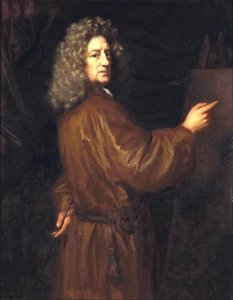
Nicolaes Maes
1634 - 1693 , Nederland
Kort om kunstneren
- Artistic Movement Or Style: Barok kunst
- Artists Or Movements Influenced By This Artist: ['Houbraken']
- Artists Who Influenced This Artist: ['Rembrandt van Rijn']
- Date Of Birth: Dordrecht, Nederland 1634
- Date Of Death: Amsterdam 1693
- Full Name: Nicolaes Maes
- Nationality: Nederlands
- Notable Artworks:
- Kristus vredesgaver barn
- Äldre kvinnas sömn över bok
- Död och förmögenhet
- Place Of Birth: Dordrecht
Relaterte artikler

Golden Light & Dutch Skies: The Timeless Magic of Dutch Golden Age Landscapes
Discover the breathtaking beauty of Dutch Golden Age landscapes. Explore the mastery of light, chiaroscuro, and 17th-century realism through an expert art history lens, celebrating the enduring legacy of the Dutch Masters for discerning collectors and art lovers.
Nicolaes Berchem: Dutch Golden Age Pastoralism & the Evolution of Landscape Painting
Explore the captivating world of Nicolaes Berchem, a leading Dutch Golden Age painter. Discover his idyllic landscapes, masterful technique & lasting influence on art history. Learn more at OriginalUniqueArt.

De 10 Mesterverkene Som Definerte Nederlandsk Barokk – Kunst og Inspirasjon | OriginalUniqueArt.no
Oppdag de 10 ikoniske mesterverkene som definerte nederlandsk barokk! Rembrandt, Vermeer og mer – lær historien bak kunsten og finn inspirasjon til ditt hjem. Museumskvalitet reproduksjoner på OriginalUniqueArt.no. Utforsk samlingen online!

De 10 Mesterverkene som Definerte den Nederlandsk Gyldne Tidsalder – Kunst & Interiør
Oppdag de 10 ikoniske mesterverkene fra den nederlandske gullalderen! Lær om Rembrandt, Vermeer og andre store kunstnere. Finn inspirasjon til klassisk interiørdekorasjon og kjøp museumskvalitets reproduksjoner på OriginalUniqueArt.com.

Mastering Light & Shadow: A Journey Through the Dutch Golden Age's Luminous Legacy
Embark on a cultural journey through the Dutch Golden Age. Explore the masterful interplay of light and shadow in 17th-century masterpieces, from Rembrandt to Vermeer, and discover how this era of profound realism continues to inspire fine art collectors today.


