
 Forhåndsvisning
 Send
Send Del
Del
 Vis detaljer
 Utskriftsvennlig guide

 Last ned bilde
 Liknende objekter
 Røntgenundersøkelse
 Lysbildefremvisning
 Spørsmål og svar
 Statistikk
Apostle Thomas


 Vis hele teksten
Giclée / Kunsttrykk
Giclée- eller lerretsprint av museumskvalitet med rask produksjon og fleksible valgmuligheter for etterbehandling. ( Kjøp håndmalt maleri Bytt til digitalt bilde)




P118B Nkr10

P118H Nkr10

P118W Nkr10

P438Z Nkr10

P508JH Nkr12

P508YH Nkr12

P805H Nkr10

P805Z Nkr10

P919BZ Nkr10

P919G Nkr10

P919XJ Nkr10

P959ZH Nkr10

P968JZ Nkr12

W106C Nkr8

W218G Nkr10

W218JH Nkr8

W218Y Nkr10

W307PJ Nkr10

W316G Nkr10

W316PJ Nkr8

W316Y Nkr10

W398PJ Nkr8

W4111J Nkr10

W500HY Nkr15

W500JH Nkr15

W692G Nkr12

W849H Nkr8

W940BG Nkr15

W953PJ Nkr8




Velg mellom våre forhåndsdefinerte størrelser som bevarer kunstverkets opprinnelige proporsjoner.

Skriv inn ønsket bredde og høyde for å tilpasse trykket til din ramme eller vegg. Et trykk kan kun beskjæres, aldri skaleres opp utover motivets opprinnelige størrelse, noe som betyr at et format med andre proporsjoner vil føre til tap av deler av bildet. Vi sender deg en digital mockup for godkjenning før vi starter trykkeprosessen. Bildet som vises på denne siden viser ikke den faktiske beskjæringen — det er kun mockuppen som viser dette.
Verdensomspennende levering () på 2 uker i stedet for standard 4/5 uker. (5 November)

Gratis ekspressfrakt over hele verden

Lerretsduk av lin av høy kvalitet

Full transportforsikring

Garanti for refusjon av toll og importavgifter

Garantert fargegjengivelse

100 dagers returrett ved fabrikasjonsfeil

100% pengene tilbake-garanti

Rabatt ved flere kjøp
 Glassalternativet er kun tilgjengelig i størrelser under 110 cm

Apostle Thomas
Giclée / Kunsttrykk
Størrelse på reproduksjon
-


Totalpris for valgte alternativer
Nkr 774
A Study in Contemplation: Nicolaes Maes’s Apostle Thomas
- The Weight of Faith: Nicolaes Maes’s “Apostle Thomas” is more than a mere portrait; it's a carefully constructed meditation on faith, knowledge, and the quiet moments of introspection. Executed in 1656 during his formative years, this Baroque masterpiece reveals the burgeoning talent of a young artist deeply influenced by the master himself, Rembrandt van Rijn. The painting’s power resides not just in its subject – the Apostle Thomas, traditionally depicted as the doubter who demanded to feel Jesus' wounds – but in Maes’s ability to translate that theological tension into a palpable visual experience.
- Baroque Drama and Dutch Light: Born in Dordrecht in 1634, Nicolaes Maes inherited the hallmarks of the Dutch Golden Age: a profound understanding of light and shadow – *chiaroscuro* – and an unwavering commitment to realism. This particular work exemplifies this approach brilliantly. The dark, almost impenetrable background serves as a dramatic stage for Thomas’s figure, intensifying the impact of the carefully rendered details. Maes skillfully manipulates light to illuminate Thomas' face and hands, drawing the viewer’s eye to his contemplative expression and the objects he holds – a book and quill pen – symbols of learning and devotion.
Technical Mastery: A Rembrandt-Inspired Approach
- Detailed Rendering and Texture: Maes's meticulous attention to detail is immediately apparent. The fur lining of Thomas’s robe isn’t simply painted; it’s sculpted with a remarkable understanding of texture, conveying warmth and luxury. Similarly, the folds of the fabric, the quill pen, and the book itself are rendered with painstaking accuracy, demonstrating Maes's dedication to capturing the nuances of form and material. This level of detail was characteristic of artists working under Rembrandt’s influence, who prioritized a realistic portrayal over idealized beauty.
- Color Palette and Composition: The color palette is rich and warm, dominated by browns, reds, and golds – colors associated with wealth, piety, and the divine. The composition itself is carefully balanced, with Thomas positioned centrally within the frame, creating a sense of stability and authority. The use of negative space further enhances the painting’s impact, allowing the viewer's eye to rest and contemplate the scene.
Historical Context: Faith and Portraiture in the Dutch Golden Age
- The Rise of Religious Portraiture: The mid-17th century was a period of significant religious upheaval in Europe, and this is reflected in the subject matter of many Dutch portraits. Portraits were not merely representations of individuals; they were often statements of faith and social status. Thomas, as one of the apostles who doubted Jesus, offered an opportunity to explore themes of doubt, repentance, and ultimately, redemption – a potent message for a society grappling with religious questions.
- Rembrandt’s Influence: Maes's apprenticeship under Rembrandt was crucial to his development. The influence of Rembrandt’s dramatic use of light and shadow, his psychological insight into his subjects, and his masterful handling of color are all evident in “Apostle Thomas.” This painting stands as a testament to the enduring legacy of one of history’s greatest artists.
Provenance and Significance
- A Staatliche Museen Masterpiece: Currently housed at the Staatliche Museen in Kassel, Germany, “Apostle Thomas” represents a significant addition to the collection of Baroque masterpieces. Its presence within a public institution underscores its artistic merit and accessibility to art lovers worldwide.
- Collecting the Spirit of the Golden Age: This reproduction offers an unparalleled opportunity to own a piece of Dutch history, capturing not only the visual beauty of Maes’s work but also the intellectual and spiritual context in which it was created. It's a window into a pivotal era of artistic innovation and religious exploration – a timeless testament to the power of human contemplation.
Spørsmål og svar
Hva slags verk er "Apostle Thomas"?
"Apostle Thomas" av Nicolaes Maes er klassifisert som WallArt. Kategorien beskriver hvilken type kunstverk originalen er.
Hva er reproduksjonsrettighetene til "Apostle Thomas" hos Staatliche Museen Kassel?
Originalen av "Apostle Thomas" befinner seg hos Staatliche Museen Kassel, og verket er fritt tilgjengelig – opphavsretten har utløpt.
Hvilke farger dominerer i "Apostle Thomas" av Nicolaes Maes?
"Apostle Thomas" er definert av en Earthy-palett med Clay (#976f50) som den dominerende fargen.
Om kunstneren
Nicolaes Maes (1634 - 1693): A Life Immersed in Dutch Light and Shadow
Nicolaes Maes, a name resonating softly within the pantheon of Dutch Golden Age masters, was born in Dordrecht in January 1634 into a world brimming with mercantile prosperity and artistic ferment. His father, Gerrit Maes, a successful cloth merchant and soap boiler, provided a comfortable upbringing, allowing young Nicolaes to pursue his burgeoning talent for painting. While early instruction came from a local artist of modest renown, the pivotal moment in Maes’s development arrived when he journeyed to Amsterdam around 1648 and entered the workshop of Rembrandt van Rijn. This apprenticeship proved transformative, imbuing him with an enduring appreciation for the dramatic interplay of light and shadow – *chiaroscuro* – and a masterful command of color that would define his early works. The influence was so profound that initial paintings, such as depictions of biblical scenes rendered with life-size figures and rich, glowing hues, were often mistakenly attributed to Rembrandt himself. These formative years laid the groundwork for a career marked by both technical brilliance and an intimate understanding of human emotion.Early Years and Rembrandt’s Influence
Maes's artistic journey began under the tutelage of Samuel van Hoogstraten, another former pupil of Rembrandt who resided in Dordrecht during Maes’s formative years. Although Van Hoogstraten’s instruction was modest compared to Rembrandt’s renown, it instilled in Maes a foundational understanding of perspective and draughtsmanship—skills that would prove invaluable throughout his subsequent artistic endeavors. However, the true catalyst for Maes's stylistic evolution came from his immersion within Rembrandt’s studio in Amsterdam. Here, he absorbed not only Rembrandt’s technical prowess but also his profound philosophical approach to art – namely, a preoccupation with capturing the psychological complexities of human experience and conveying emotion through subtle gestures and expressions. This apprenticeship profoundly shaped Maes’s artistic sensibilities, fostering an unwavering commitment to Rembrandt's signature technique of *chiaroscuro*, whereby dramatic contrasts between light and dark illuminate the subject matter and heighten its emotional impact. The resulting paintings—particularly those depicting biblical narratives—were often lauded for their monumental scale and luminous color palettes, earning Maes considerable acclaim during his early career.From Biblical Drama to Domestic Tranquility
Following his departure from Rembrandt’s workshop in 1654, Maes transitioned towards a more contemplative artistic path, focusing on smaller-scale genre scenes that captured the quiet rhythms of everyday life in Dordrecht and beyond. Unlike Rembrandt's grand narratives, Maes’s canvases depicted ordinary individuals engaged in commonplace activities—spinning wool, reading scripture, preparing meals—with remarkable sensitivity and detail. These paintings weren’t merely representations of daily routines; they were imbued with a palpable sense of atmosphere and emotion, reflecting the prevailing social values of the period. A particular fascination gripped Maes's imagination: the intricate art of lacemaking. He produced numerous variations on this theme, each meticulously rendered to convey not only the visual beauty of the craft but also its symbolic significance—representing patience, diligence, and domestic harmony. These works stand apart from Rembrandt’s dramatic compositions, prioritizing nuanced observation and psychological insight over theatrical grandeur.The Amsterdam Period: Portraiture and Artistic Transformation
Around 1660 Maes embarked on a new chapter of his artistic life in Amsterdam, where he established himself as one of the city's foremost portrait painters. This shift marked a significant stylistic departure from his earlier genre paintings—characterized by a cooler palette and a more restrained aesthetic—reflecting the influence of Flemish artists such as Anthony van Dyck. Maes’s portraits were distinguished by their elegance and psychological depth, capturing not only physical likeness but also subtle nuances of character and social standing. He skillfully employed *chiaroscuro* to sculpt the faces of his subjects, creating dramatic contrasts that accentuated features and conveyed emotion with remarkable precision. Notable commissions included portraits of prominent citizens—such as Gerard Röver, Merchant and Shipowner in Amsterdam—demonstrating Maes’s ability to elevate ordinary individuals into objects of artistic contemplation.Legacy and Enduring Significance
Nicolaes Maes passed away in Amsterdam in December 1693, leaving behind a legacy that continues to inspire admiration among art historians and collectors alike. His paintings exemplify the apex of Dutch Baroque artistry—characterized by meticulous detail, luminous color palettes, and profound psychological insight. Unlike Rembrandt’s theatrical grandeur, Maes's canvases prioritized quiet contemplation and nuanced observation, capturing the essence of human experience with understated grace. His enduring influence can be seen in the works of subsequent Delft painters—Johannes Vermeer and Pieter de Hooch—who adopted Maes’s innovative approach to spatial representation and tonal modulation. Today, Maes’s paintings reside in prestigious collections across Europe and North America, ensuring that his contribution to Dutch art history remains vividly alive for generations to come. His masterful command of *chiaroscuro* and his empathetic portrayal of human emotion cemented his place as one of the most important artists of the Golden Age—a testament to the transformative power of artistic apprenticeship and the enduring beauty of understated elegance.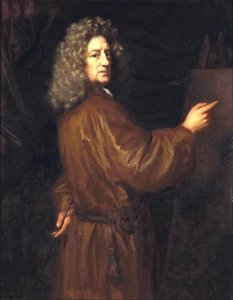
Nicolaes Maes
1634 - 1693 , Nederland
Kort om kunstneren
- Artistic Movement Or Style: Barok kunst
- Artists Or Movements Influenced By This Artist: ['Houbraken']
- Artists Who Influenced This Artist: ['Rembrandt van Rijn']
- Date Of Birth: Dordrecht, Nederland 1634
- Date Of Death: Amsterdam 1693
- Full Name: Nicolaes Maes
- Nationality: Nederlands
- Notable Artworks:
- Kristus vredesgaver barn
- Äldre kvinnas sömn över bok
- Död och förmögenhet
- Place Of Birth: Dordrecht
Relaterte artikler

Chiaroscuro and Character: A Definitive Guide to Light and Shadow in the Dutch Baroque Era
Explore the dramatic mastery of the Dutch Baroque era. Discover how masters like Rembrandt used chiaroscuro to transform everyday life into timeless art. An expert guide for collectors and enthusiasts seeking to understand the profound interplay of light and shadow.

Golden Light & Dutch Skies: The Timeless Magic of Dutch Golden Age Landscapes
Discover the breathtaking beauty of Dutch Golden Age landscapes. Explore the mastery of light, chiaroscuro, and 17th-century realism through an expert art history lens, celebrating the enduring legacy of the Dutch Masters for discerning collectors and art lovers.

De 10 Mesterverkene Som Definerte Nederlandsk Barokk – Kunst og Inspirasjon | OriginalUniqueArt.no
Oppdag de 10 ikoniske mesterverkene som definerte nederlandsk barokk! Rembrandt, Vermeer og mer – lær historien bak kunsten og finn inspirasjon til ditt hjem. Museumskvalitet reproduksjoner på OriginalUniqueArt.no. Utforsk samlingen online!

De 10 Mesterverkene som Definerte den Nederlandsk Gyldne Tidsalder – Kunst & Interiør
Oppdag de 10 ikoniske mesterverkene fra den nederlandske gullalderen! Lær om Rembrandt, Vermeer og andre store kunstnere. Finn inspirasjon til klassisk interiørdekorasjon og kjøp museumskvalitets reproduksjoner på OriginalUniqueArt.com.

Golden Age Reflections: Dutch Baroque Painting & Cultural Innovation
Explore the Dutch Golden Age of painting! Discover key artists like Vermeer & ter Borch, their innovative techniques, and the rich cultural context behind these Baroque masterpieces. Learn about collecting & appreciating this iconic art period.
