
 Forhåndsvisning
 Send
Send Del
Del
 Vis detaljer
 Utskriftsvennlig guide

 Last ned bilde
 Liknende objekter
 Røntgenundersøkelse
 Lysbildefremvisning
 Spørsmål og svar
 Statistikk
Façade


 Vis hele teksten
Få en utskriftsklar fil som går langt utover forhåndsvisningen på nett. Hvert digitale bilde vi selger er hentet fra en høyoppløselig master i vår database – vanligvis mellom 5 000 og 15 000 piksler bred – slik at du kan trykke stort, beskjære tett eller gjenskape fine detaljer med full trygghet.
Ingen filer forlater studioet vårt uten å bli bearbeidet. En digital ekspert kontrollerer fargene mot det originale maleriet og korrigerer dem ved behov, for deretter å forbedre klarhet og detaljrikdom med profesjonelle retusjeringsverktøy — alltid tro mot kunstnerens penselstrøk og stil. Resultatet er et bilde som fremstår som selve maleriet, ikke som en skann med filter.
Du godkjenner før ferdigstilling: vår ekspert sender bildet på e-post til din vurdering innen 72 timer. Ikke fornøyd? Be om forbedringer eller korrigeringer, eller be om refusjon dersom kvaliteten ikke svarer til forventningene.
Dette er kvaliteten forlag, designstudioer, gallerier og trykkerier stoler på.
Digitalt bilde
Last ned en høyoppløselig fil til personlig bruk, utskrift og kreative prosjekter. ( Bytt til trykk Kjøp håndmalt maleri)
Inkludert i alle bestillinger av digitale bilder
Ekspert på digital levering, garantert
Når du velger OriginalUniqueArt.com, får du ikke bare et bilde – du mottar et profesjonelt etterbehandlet digitalt kunstverk, skapt med presisjon og med en garantert tilfredshetsgaranti. Her er alt som automatisk følger med din bestilling:

Rask levering på e-post
Din høyoppløselige digitale bildefil sendes til din e-post innen 72 timer etter bestilling – klar til umiddelbar bruk.

KI-forbedret digital fil
Ditt kunstverk blir profesjonelt optimalisert ved hjelp av avanserte AI-verktøy og manuell redigering, noe som sikrer maksimal detaljrikdom, klarhet og fargegjengivelse.

Gratis livslang nyutlevering
Har du ved et uhell slettet eller mistet filen din? Ingen bekymring – vi sender den på nytt når som helst, helt gratis.

Ingen importavgifter – noen gang
Nyt ditt kunstverk umiddelbart uten toll, avgifter eller leveringskostnader – digitale nedlastinger er alltid avgiftsfrie.

Garantert fargenøyaktighet
Vi sikrer at det digitale bildet gjenspeiler de originale fargene så nøyaktig som mulig ved hjelp av profesjonelle verktøy og fargehåndtering.

100 dagers fornøydhetsgaranti
Hvis du ikke er fornøyd med ditt digitale bilde, vil vi revidere det eller refundere 100% innen 100 dager – uten spørsmål.

100% Penggaranti
Ikke fornøyd? Få full refusjon innen 100 dager etter at du har mottatt din digitale fil – uten spørsmål.

Rabatt ved storkjøp
Kjøp 3 bilder, spar 10% - Kjøp 5, spar 15% - Kjøp 10+, spar 20%. Ideelt for kreative prosjekter, gallerier og byråer.
Om kunstneren
Michelozzo di Bartolomeo: Arkitekten bak den florentinske renessansens storhet
Michelozzo di Bartolomeo (ca. 1396 – 7. oktober 1472), ofte bare kjent som Michelozzo, står som en hjørnesteinsfigur i det kunstneriske landskapet i det femtende århundrets Firenze, og i sannhet i den bredere italienske renessansen. Han var ikke bare en byggherre; han var en innovatør – en skulptør, designer og humanist hvis visjon dypt preget sin tids estetiske sans og sementerte Palazzo Medici Riccardi som et av de mest ikoniske eksemplene på renessansearkitektur.- Tidlig liv og læretid: Født i Firenze rundt 1396, tilbrakte Michelozzo sine formative år under veiledning av Lorenzo Ghiberti, den berømte skulptøren bak dåpshusportene til Firenze-katedralen. Dette vennskapet inngav ham en nitid sans for detaljer og en forståelse for klassiske proporsjoner – prinsipper som skulle bli kjennetegn på hans senere arkitektoniske verk.
- Samarbeid med Donatello: Michelozzos kunstneriske reise ble fordypet gjennom partnerskap med andre mestere som Donatello, noe som fremmet en dialog mellom skulpturell kunstferdighet og arkitektonisk design. Deres samarbeidsprosjekter eksemplifiserte epokens humanistiske ånd, der menneskelig form og intellektuell kontemplasjon ble prioritert side om side med teknisk dyktighet.
Palazzo Medici Riccardi: Et vitnesbyrd om renessansens idealer
Michelozzos magnum opus er uten tvil Palazzo Medici Riccardi – bestilt av Cosimo de' Medici i 1444. Dette palasset representerer høydepunktet av florentinsk arkitektonisk bragd, og legemliggjør idealene om symmetri, proporsjon og storslagenhet som definerte renessansen. Den tredelte fasaden, med sine rustikke steinblokker avbrutt av kvadersteinssøyler, formidler umiddelbart en følelse av stabilitet og autoritet – en refleksjon av Cosimos politiske dominans. Selve gårdsrommet er møysommelig planlagt og inkluderer klassiske elementer som en peristyl-søylegang og fontener, noe som skaper et fredfullt rom for ettertanke og forsterker palassets rolle som et symbol på Medicis makt.- Arkitektonisk innovasjon: Michelozzo brøt med de rådende gotiske tradisjonene og omfavnet nyromanske prinsipper for å skape en bygning som var både monumental og harmonisk. Han benyttet seg dyktig av innovative teknikker – særlig innen steinhuggerkunst – for å oppnå pustløse visuelle effekter.
- Skulpturelle bidrag: Utover Palazzo Medici Riccardi inkluderte Michelozzos skulpturelle produksjon dekorative paneler som prydet kirker og palasser over hele Firenze. Hans skulpturer er karakterisert av grasiøse linjer og raffinert modellering, noe som demonstrerer hans mestring av humanistisk estetikk.
Innflytelse og ettermæle
Michelozzos innflytelse strakte seg langt utover hans umiddelbare prosjekter. Han fungerte som en mentor for yngre arkitekter og skulptører, og spredte renessansens idealer gjennom hele Firenzes kunstneriske fellesskap. Hans Palazzo Medici Riccardi ble en modell for påfølgende palasser – og inspirerte generasjoner av byggmestre til å strebe etter lignende nivåer av eleganse og prakt. I dag huskes Michelozzo di Bartolomeo ikke bare som en arkitekt, men som en avgjørende skikkelse i utformingen av renessansens visuelle kultur – et vitnesbyrd om hans varige bidrag til den vestlige kunsthistorien.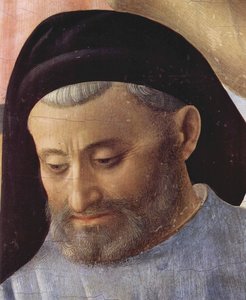
Michelozzo Di Bartolomeo
1396 - 1472 , Italia
Kort om kunstneren
- Artistic Movement Or Style: Renessansearkitektur
- Artists Or Movements Influenced By This Artist: ['Tidlig renessanse']
- Artists Who Influenced This Artist:
- Lorenzo Ghiberti
- Donatello
- Date Of Birth: ca. 1396
- Date Of Death: 7. oktober 1472
- Full Name: Michelozzo di Bartolomeo Michezzi
- Nationality: Italiensk
- Notable Artworks: ['Palazzo Medici Riccardi']
- Place Of Birth: Firenze, Italia