
 Forhåndsvisning
 Send
Send Del med andre
 Vis detaljer

 Last ned bildet
 Liknende objekter
 Røntgenundersøkelse
 Lysbildefremvisning
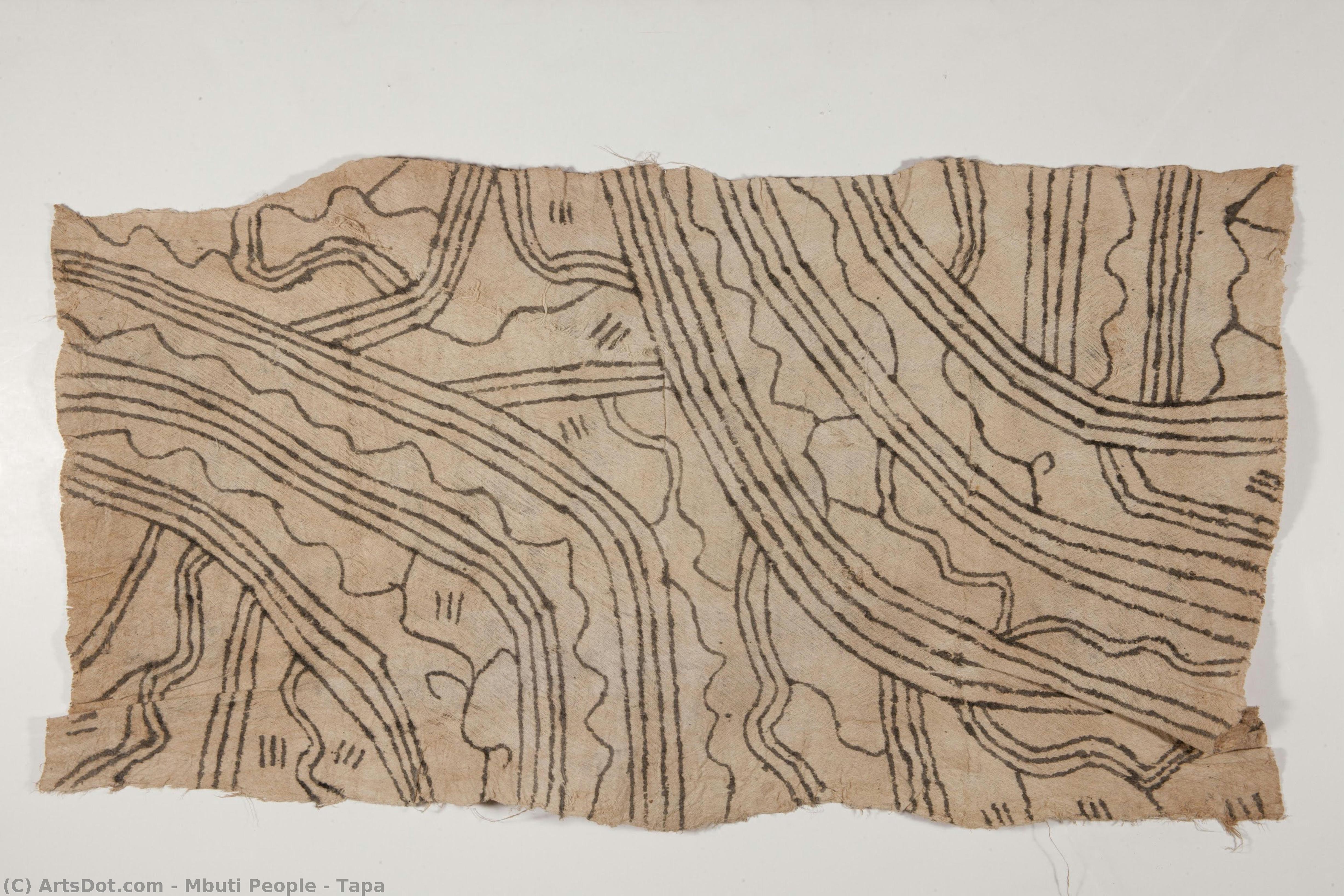
Tapa

 Vis hele teksten
Håndlaget oljereproduksjon
Håndmalt olje på lerret i din valgte størrelse og ramme, laget på bestilling av våre kunstnere. ( Kjøp trykk Kjøp bilde)




































Velg mellom våre forhåndsdefinerte størrelser som bevarer kunstverkets opprinnelige proporsjoner.

Du kan angi egne mål for å tilpasse en spesifikk ramme eller plass. Dersom den valgte størrelsen ikke samsvarer med originalbildets proporsjoner, vil vi enten beskjære kunstverket eller utvide maleriet med ytterligere håndmalte elementer. En digital mockup vil bli sendt til din godkjenning før produksjonen starter.
Vennligst merk at forhåndsvisningen på skjermen ikke gjenspeiler den faktiske beskjæringen eller utvidelsen. Kun mockuppen vil vise den endelige komposisjonen nøyaktig.
Selv om tilpassede størrelser er tilgjengelige, anbefaler vi å velge et mål fra den forhåndsdefinerte listen for å bevare de originale proporsjonene.
Etter bestilling vil OriginalUniqueArt.com-teamet sende e-post til kunden for instruksjoner og sende et utkast (mockup) som forhåndsvisning.
Verdensomspennende levering () på 3–4 uker i stedet for standard 5 uker. (21 August). Ingen kompromisser med kvaliteten.

Gratis ekspressfrakt over hele verden

Lerretsduk av høykvalitets lin

Full forsikring under transport

Garanti for refusjon av toll og importavgifter

Garantert korrekt fargegjengivelse

60 dagers returrett (kun ved feil)

100% pengene tilbake-garanti

Rabatt ved flere kjøp
 Glassalternativet er kun tilgjengelig i størrelser under 110 cm

Tapa
Teknikk for reproduksjon
Størrelse på reproduksjon
-


Endelig pris
$ 300
Om kunstneren
The Soul of Egalitarian Tradition: Exploring Mbuti Art and Culture
The mbuti people, also known as bambuti, represent a remarkable corner of African cultural heritage – a vibrant tapestry woven from hunter-gatherer traditions that persist to this day. Originating in the Democratic Republic of Congo, their artistic expression is particularly noteworthy for its profound connection to social organization and egalitarian values, offering a unique lens through which to understand precolonial Africa.- Origins & Lifestyle: The mbuti inhabit dense rainforests of Central Africa, practicing a nomadic lifestyle centered around hunting wild animals like antelopes and bush pigs alongside gathering edible plants and insects. This subsistence economy profoundly shapes their worldview and informs the motifs found in their art.
- Tapa Textiles – A Visual Language: Perhaps the most recognizable form of mbuti artistic achievement is Tapa cloth—woven from bark fibers—which serves as more than just clothing; it’s a visual record of social history, kinship ties, and ritual significance. The intricate geometric patterns aren't merely decorative; they encode information about clan membership, age grades, and individual status.
- Symbolism & Narrative: Recurring motifs in Tapa textiles include spirals, diamonds, and zigzags—symbols that hold deep cultural meaning relating to fertility, protection, and the cyclical nature of life. These patterns often depict scenes from daily life, hunting expeditions, and ancestral narratives passed down through generations.
- Influence & Contact History: European explorers began documenting mbuti culture in the late 19th century, sparking initial interest but also introducing pressures for assimilation. Despite these challenges—including attempts to settle them and introduce farming—the mbuti have steadfastly maintained their traditions, demonstrating resilience against external forces.
- Contemporary Significance: Today, mbuti art continues to inspire artists globally, highlighting the enduring power of indigenous artistic expression rooted in egalitarian social structures. Museums like the Museum of the Galician People showcase collections that celebrate this cultural heritage and promote understanding of diverse perspectives on human experience.
Technique & Materials: The Craftsmanship Behind Tapa Cloth
The creation of Tapa cloth is a labor-intensive process, passed down through matrilineal lineages. Women meticulously prepare the bark fibers—typically from fig trees—removing thorns and splitting them into strips. These strips are then beaten with wooden mallets to flatten them and soften them before weaving them together using simple tools like combs and spindles. The resulting fabric is remarkably durable and retains its vibrant colors for decades, testament to the skill of mbuti artisans.Exploring Related Artistic Traditions
The mbuti’s artistic heritage shares similarities with other hunter-gatherer societies across Africa, notably the Hadza people. Like the Hadza, mbuti artists prioritize functionality alongside aesthetic expression—creating objects that serve practical purposes while simultaneously conveying cultural values and storytelling.Notable Achievements & Recognition
While formal documentation of mbuti art has been limited historically, its influence extends beyond ethnographic studies. Contemporary artists have drawn inspiration from mbuti motifs and techniques, incorporating them into their own creative endeavors—demonstrating the continuing relevance of this tradition in a global context.
mbuti people
Democratic Republic of the Congo
Kort om kunstneren
- Artistic Movement Or Style: Traditional Tapa textiles
- Full Name: mbuti people
- Nationality: African
- Notable Artworks: ['Tapa']
- Place Of Birth: Democratic Republic of the Congo

