

 Se i rommet
 Del som digitalt kort
 Del
Del
 Detaljer
 Studentguide

 Last ned
 Liknende objekter
 Røntgen
 Lysbildefremvisning
 Besøksstatistikk
Ukjent (1880)

 Les mer
Kunstverket som vises på denne siden er beskyttet av opphavsretten, noe som betyr at vi ikke har juridisk tillatelse til å lage eller selge identiske reproduksjoner. Denne beskyttelsen håndheves i henhold til internasjonale avtaler som for eksempel Bernerkonvensjonen og av nasjonale lover, inkludert de som er fastsatt i Amerikansk opphavsrettslov – Tittel 17.
Denne metoden er i fullt samsvar med opphavsrettslige regler, da den ikke innebærer kopiering eller duplisering av det beskyttede kunstverket. I stedet er det snakk om en kreativ nytolkning – et nytt maleri som er inspirert av originalen, men ikke identisk med den.
Giclée / Kunsttrykk
Giclée- eller lerretsprint av museumskvalitet med rask produksjon og fleksible valgmuligheter for etterbehandling. ( Bestill håndmalt reproduksjon Gå til digitalt bilde)




P118B Nkr10

P118H Nkr10

P118W Nkr10

P438Z Nkr10

P508JH Nkr12

P508YH Nkr12

P805H Nkr10

P805Z Nkr10

P919BZ Nkr10

P919G Nkr10

P919XJ Nkr10

P959ZH Nkr10

P968JZ Nkr12

W106C Nkr8

W218G Nkr10

W218JH Nkr8

W218Y Nkr10

W307PJ Nkr10

W316G Nkr10

W316PJ Nkr8

W316Y Nkr10

W398PJ Nkr8

W4111J Nkr10

W500HY Nkr15

W500JH Nkr15

W692G Nkr12

W849H Nkr8

W940BG Nkr15

W953PJ Nkr8




Velg mellom våre forhåndsdefinerte størrelser som bevarer kunstverkets opprinnelige proporsjoner.

Skriv inn bredden og høyden du trenger, slik at den passer til din ramme eller vegg. Et trykk kan kun beskjæres, aldri gjøres større enn bildet, så et format med en annen form vil miste en del av motivet. Vi sender deg en digital mockup for godkjenning før vi trykker noe som helst. Bildet som vises på denne siden viser ikke den faktiske beskjæringen — det er kun mockuppen som gjør det.
Verdensomspennende levering () på 2 uker i stedet for standard 4/5 uker. (18 October)

Gratis ekspressfrakt over hele verden

Lerretsduk av høykvalitets lin

Full transportforsikring

Garanti for refusjon av toll og importavgifter

Garantert fargeekthet

100 dagers returrett ved fabrikasjonsfeil

100% pengene tilbake-garanti

Mengderabatt
 Glassalternativet er kun tilgjengelig i størrelser under 110 cm

Ukjent (1880)
Giclée / Kunsttrykk
Format på reproduksjon
-


Totalpris
Nkr 753
En Mystisk Reise Utanför Jordens Atmosfär – Ett Ögonblick Ur Surrealismens Tid
Max Ernsts ‘untitled (1880)’ är ett fascinerande verk som fångar essensen av surrealismen och dess fascination för astronomi och astrologi. Detta svartvita engraving, skapat av den tyske konstnären Maximilian Maria Ernst (1891-1976), erbjuder en djupgående titt på både vetenskaplig observation och psykologisk utforskning – något som präglade hans hela konstnärliga karriär. Konstverket är inte bara ett tekniskt imponerande exempel på engravingteknik utan också ett visuellt språk som väcker frågor om vår plats i universum och människans förhållande till det okända.- Ämne och Kontext: Ernsts verk är starkt influerat av den europeiska astronomiska kartografin under början av 1900-talet, särskilt projektet “Divide and Rule: The Partition of Africa, 1880–1914” som utforskade hur olika länder försökte kontrollera Afrika genom strategisk användning av både militär styrka och diplomati. Kartorna från denna tid var ofta komplexa och detaljerade, vilket återspeglas i Ernsts engraving där en omfattande himmelsk karta dominerar bilden och visar upp stjärnbilder och planetära rörelser med hög precision.
- Stil och Teknik: Konstverket tillhör surrealistisk stil och kännetecknas av ett illustrativt och diagrammatiskt språk. Ernst använde sig av tekniker som frottage och grattage för att skapa bilder genom att använda rubbningar från olika textilier och andra ytor, vilket gav hans verk en unik textur och atmosfär. Engravingtekniken själv är särskilt viktig eftersom den möjliggör en extrem detaljrikedom och tonal variation – egenskaper som perfekt fångar Ernsts vision av ett universum präglat av både skönhet och mystik.
- Symbolism och Emotionell Inverkan: Konstverket är laddat med symboliska betydelser som reflekterar Ernsts djupa filosofiska överväganden om människans plats i världen och psykologins roll i konstnärlig kreativitet. De cirkulära formerna – stjärnor och planeter – samt användningen av linjer för att skapa detaljerade kartor och konstellationer förstärker detta tema och väcker frågor om balans mellan ordning och kaos, mellan vetenskap och fantasi.
- Detaljerad Teknik: Engravingtekniken är särskilt imponerande eftersom den möjliggör en hög grad av tonal variation genom manuell rendering. Konstnären använde sig av hatching och crosshatching för att skapa ljus och skugga, vilket gav bilden ett subtilt och atmosfäriskt djup som är svårt att återskapa med andra tekniker. Detta arbete är ett testament till Ernsts konstnärliga precision och hans förmåga att förmedla komplexa idéer genom visuellt språk.
En Konstnärlig Pionjär Och Hans Inspirerade Samarbete
Max Ernst var en verklig pionjär inom surrealismen och engagemanget för nya tekniker som frottage och grattage visar hans vilja att bryta mot konventionella konstnärliga ramar. Hans arbete inspirerade andra konstnärer, inklusive Yves Tanguy och Urs Fischer, vilket illustrerar hur Ernsts visioner fortsätter att påverka samtida konstproduktion. Detta verk är ett perfekt exempel på Ernsts konstnärliga arv och erbjuder en unik möjlighet att uppleva surrealismens estetiska språk och filosofiska djup. För inomhusdesigners kan detta engraving inspirera till användningen av svartvita toner och abstrakta geometriska former för att skapa atmosfäriska och tankeväckande miljöer.Spørsmål og svar
Hvor mye lys ser fargene i "Ukjent (1880)" ut til å reflektere?
"Ukjent (1880)" av Max Ernst har en luminans på Mørkest. Luminans beskriver hvor mye lys fargene ser ut til å reflektere.
Hvilken størrelse anbefales for "Ukjent (1880)" i et Stue og oppholdsrom?
For et Stue og oppholdsrom er anbefalt trykkstørrelse for "Ukjent (1880)" av Max Ernst Stor.
Hvilken størrelse anbefales det å trykke "Ukjent (1880)" i?
En reproduksjon i Stor anbefales for "Ukjent (1880)" av Max Ernst. Størrelsen kan justeres mens proporsjonene opprettholdes.
Kunstnerbiografi
A Life Immersed in the Surreal
Max Ernst, born Maximilian Maria Ernst on April 1st, 1891, in Brühl, Germany, was a restless spirit destined to become one of the most pivotal figures in 20th-century art. His journey wasn’t one of conventional artistic training; rather, it was a self-directed exploration fueled by philosophical inquiry, psychological fascination, and a profound disillusionment with societal norms. Ernst's father, a teacher of the deaf and an amateur painter, instilled in him both a sensitivity to the world and a rebellious streak against established authority. This early duality would become a defining characteristic of his artistic vision.
Ernst’s academic pursuits at the University of Bonn – encompassing philosophy, art history, literature, psychology, and psychiatry – were not merely diversions but foundational elements that deeply informed his later work. He wasn’t simply interested in *how* to paint; he was grappling with *why*. This intellectual curiosity led him to encounter the groundbreaking works of Picasso, Van Gogh, and Gauguin at the Sonderbund exhibition in Cologne in 1912, a moment that irrevocably altered his artistic trajectory. The seeds of modernism had been sown.
Dada’s Disruption and the Birth of Surrealist Visions
The cataclysm of World War I proved to be a watershed moment for Ernst. His experiences as a soldier on both the Eastern and Western fronts left him profoundly shaken, fostering a deep skepticism towards established order and a yearning for new modes of expression. This disillusionment found fertile ground in the burgeoning Dada movement, which he embraced wholeheartedly after returning to Cologne in 1918. Alongside Hans Arp – a lifelong friend and collaborator – Ernst became a central figure in the Cologne Dada group, rejecting traditional artistic conventions and embracing absurdity, chance, and anti-rationality.
The Dadaists sought to dismantle bourgeois values and challenge accepted notions of beauty and logic. They employed techniques like collage, photomontage, and assemblage—often incorporating found objects—to create jarring juxtapositions that mocked the seriousness of the era. Ernst’s Dada output was marked by a preoccupation with disturbing imagery and a deliberate disregard for conventional artistic standards.
Pioneering Techniques: Frottage, Grattage, and Collage
Ernst's artistic innovation extended beyond subject matter; he was a relentless experimenter with technique. He didn’t simply adopt existing methods—he invented new ones. Perhaps his most famous contribution is frottage, a process of rubbing pencil or charcoal over textured surfaces to create unexpected and evocative images. This technique, born from a moment of boredom while observing wood grain, allowed Ernst to tap into the subconscious and generate forms that defied conscious control. It was a method he famously described as “a way of letting the unconscious speak.”
Closely related was grattage, where paint is scraped across canvas revealing underlying layers—often incorporating textures and patterns created by previous paintings. Ernst’s meticulous layering of colors and surfaces contributed to the dreamlike atmosphere characteristic of his work.
Surrealist Exploration: Dreams, Symbolism, and Psychological Depth
Ernst's engagement with Surrealism solidified his commitment to exploring the realm of dreams, the unconscious mind, and the irrational. Influenced by Sigmund Freud’s psychoanalytic theories—particularly his concept of “the Oedipus complex”—Ernst sought to unlock hidden desires and anxieties through his art. He wasn’t interested in depicting reality as it appeared but rather in revealing the underlying psychological forces that shaped perception.
His paintings frequently incorporate symbolic imagery: birds (often representing freedom and aspiration), desolate landscapes reflecting inner turmoil, unsettling juxtapositions designed to provoke thought and emotion—and recurring motifs like Loplop, Ernst’s alter ego, which embodies a blend of masculine and feminine energies. His artistic vision was driven by a profound desire to confront the darker aspects of human experience.
Major Achievements and Legacy
Throughout his prolific career, Ernst produced an astonishing array of paintings, sculptures, prints, and drawings—spanning genres from figurative landscapes to abstract compositions. Notable works include “Ofrenda funeraria,” “The Equivocal Woman,” and “L’Ange du foyer”—each demonstrating Ernst's mastery of technique and his ability to convey complex psychological states.
Max Ernst’s influence on subsequent generations of artists is undeniable. He championed innovative methods, challenged artistic conventions, and established himself as a cornerstone of Surrealist art—a movement that continues to resonate with audiences worldwide. His legacy resides not only in his stunning visual creations but also in his unwavering belief in the transformative power of imagination and the importance of confronting uncomfortable truths.
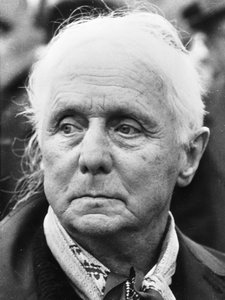
Max Ernst
1891 - 1976 , Tyskland
Kort om kunstneren
- Artistic Movement Or Style: Dada, Surrealisme
- Artists Or Movements Influenced By This Artist:
- Surrealisme
- Dada
- Artists Who Influenced This Artist:
- Picasso
- Van Gogh
- Gauguin
- Date Of Birth: 1. april 1891
- Date Of Death: 1. april 1976
- Full Name: Max Ernst
- Nationality: Tysk-Amerikansk, Fransk
- Notable Artworks:
- Byen helhetlig
- Euclides
- Av denne skal ingen vite
- Place Of Birth: Brühl, Tyskland
Relaterte artikler

Svart Kunst: Topp 10 Maler som Definerer Skyggenes Skjønnhet | OriginalUniqueArt.no
Utforsk 10 ikoniske malerier dominert av svart – fra Rembrandts skygger til Munchs ekspresjonisme. Oppdag historiene bak mesterverkene og finn kunsttrykk for ditt hjem på OriginalUniqueArt.no. Utforsk hele samlingen online!

Tidløse Grafiske Mesterverk: 10 Verk som Endret Kunsthistorien – OriginalUniqueArt.no
Oppdag 10 legendariske grafiske mesterverk som revolusjonerte kunsthistorien! Fra Rembrandt til Goya – lær om etsningens kunst og ikoniske verk. Finn museumskvalitets reproduksjoner for ditt hjem på OriginalUniqueArt.com.

Engraving: A Historical Survey of Technique, Artistic Expression & Enduring Legacy
Explore the rich history of engraving with OriginalUniqueArt. Discover techniques, iconic artists like Dürer & Callot, collecting tips, and expert guidance for preserving your art investment. Learn about intaglio printing & more!

Max Ernsts 25 Mesterverk: Surrealisme, Kunst og Inspirasjon til Ditt Hjem
Utforsk Max Ernsts 25 mest ikoniske surrealistiske malerier! Oppdag historien bak hvert mesterverk, teknikken og den tidløse skjønnheten. Finn kunsttrykk av høy kvalitet til ditt hjem på OriginalUniqueArt.com – inspirert av drømmekunst og avantgarde.

The Intricate World of Engraving: A Historical Survey of Technique, Artistic Expression & Enduring Legacy
Explore the rich history of engraving with OriginalUniqueArt. Discover techniques, iconic artists like Dürer & Callot, collecting tips, and expert guidance for preserving your art investment. Learn about intaglio printing & more!


