

 Forhåndsvisning
 Send
Send Del med andre
 Vis detaljer

 Last ned bildet
 Liknende objekter
 Røntgenundersøkelse
 Lysbildefremvisning
 Statistikk
Temptation of St. Anthony


 Vis hele teksten
Håndlaget oljereproduksjon
Håndmalt olje på lerret i din valgte størrelse og ramme, laget på bestilling av våre kunstnere. ( Bytt til trykk Bytt til digitalt bilde)




P118B $10

P118H $10

P118W $10

P438Z $10

P508JH $12

P508YH $12

P805H $10

P805Z $10

P919BZ $10

P919G $10

P919XJ $10

P959ZH $10

P968JZ $12

W106C $8

W218G $10

W218JH $8

W218Y $10

W307PJ $10

W316G $10

W316PJ $8

W316Y $10

W398PJ $8

W4111J $10

W500HY $15

W500JH $15

W692G $12

W849H $8

W940BG $15

W953PJ $8




Velg mellom våre forhåndsdefinerte størrelser som bevarer kunstverkets opprinnelige proporsjoner.

Du kan angi egne mål for å tilpasse en spesifikk ramme eller plass. Dersom den valgte størrelsen ikke samsvarer med originalbildets proporsjoner, vil vi enten beskjære kunstverket eller utvide maleriet med ytterligere håndmalte elementer. En digital mockup vil bli sendt til din godkjenning før produksjonen starter.
Vennligst merk at forhåndsvisningen på skjermen ikke gjenspeiler den faktiske beskjæringen eller utvidelsen. Kun mockuppen vil vise den endelige komposisjonen nøyaktig.
Selv om tilpassede størrelser er tilgjengelige, anbefaler vi å velge et mål fra den forhåndsdefinerte listen for å bevare de originale proporsjonene.
Etter bestilling vil OriginalUniqueArt.com-teamet sende e-post til kunden for instruksjoner og sende et utkast (mockup) som forhåndsvisning.
Verdensomspennende levering () på 3–4 uker i stedet for standard 5 uker. (18 September). Ingen kompromisser med kvaliteten.

Gratis ekspressfrakt over hele verden

Lerretsduk av høykvalitets lin

Full forsikring under transport

Garanti for refusjon av toll og importavgifter

Garantert korrekt fargegjengivelse

100 dagers returrett (kun ved mangler)

100% pengene tilbake-garanti

Rabatt ved flere kjøp
 Glassalternativet er kun tilgjengelig i størrelser under 110 cm

Temptation of St. Anthony
Teknikk for reproduksjon
Størrelse på reproduksjon
-


Endelig pris
$ 300
The Haunting Allure of “Temptation of St. Anthony”: A Surrealist Masterpiece
Max Ernst’s “Temptation of St. Anthony,” painted in 1945, is not merely a depiction of a biblical scene; it's a visceral plunge into the subconscious, a meticulously crafted exploration of desire, temptation, and the fractured nature of reality. Executed during a period of intense artistic experimentation following World War II, this surrealist work embodies Ernst’s fascination with psychological landscapes and his rejection of traditional representational art. The painting immediately captivates with its unsettling beauty – a dreamscape rendered in meticulous detail that simultaneously draws you in and keeps you at arm's length.
A Dream Within a Dream: Style, Technique, and Composition
Ernst’s technique is characterized by a deliberate layering of textures and colors. He employs oil paint with a remarkable degree of control, building up thick impasto in areas – particularly around the central figure – to create a palpable sense of volume and presence. The use of collage elements, subtly integrated into the composition, adds another layer of complexity, hinting at the fragmented nature of memory and perception. The overall composition is deliberately unbalanced, mirroring the instability of the human psyche. The figures are arranged in a seemingly random manner, yet their placement guides the viewer’s eye through the scene, creating a dynamic tension. Notice the use of strong diagonals and distorted perspectives – hallmarks of the surrealist movement – which contribute to the painting's unsettling atmosphere.
Echoes of Augustine: Symbolism and Biblical Narrative
“Temptation of St. Anthony” is based on the medieval legend of Saint Anthony, who was lured from his monastic life by a series of seductive visions orchestrated by the Devil. Ernst doesn’t offer a literal interpretation; instead, he translates the spiritual struggle into a visual metaphor for the internal battles we all face – the allure of worldly pleasures versus the pursuit of virtue. The central figure, seated in a chair with a red cushion, represents Anthony himself, vulnerable and exposed to temptation. The surrounding figures, some standing, others reclining or lying down, embody the various temptations that assail him. Crucially, the insects—beetles, butterflies, and other crawling creatures—are potent symbols of decay, corruption, and the insidious nature of sin. Their presence underscores the vulnerability of the human spirit to darker impulses.
The Context of a Shattered World
Painted in 1945, “Temptation of St. Anthony” emerged from a period of profound upheaval and uncertainty following World War II. The devastation wrought by the conflict shattered traditional values and beliefs, creating a fertile ground for artistic experimentation. Surrealism, with its emphasis on dreams, irrationality, and the unconscious mind, offered a powerful means of grappling with the trauma and disorientation of the time. Ernst’s work reflects this broader cultural anxiety, presenting a world where logic has broken down and reality itself is open to interpretation. The painting's unsettling imagery resonates powerfully today, reminding us of the enduring struggle between good and evil within ourselves.
A Timeless Reflection: For Collectors and Interior Design
“Temptation of St. Anthony” remains a profoundly evocative work of art – a testament to Max Ernst’s genius and his ability to capture the complexities of the human condition. Its powerful imagery and masterful technique make it a compelling addition to any discerning collection. Reproductions, meticulously crafted to faithfully recreate Ernst's original vision, offer an accessible way to experience this iconic masterpiece in your own home or office space. Consider its impact on interior design – the painting’s dramatic composition and unsettling beauty will undoubtedly serve as a focal point, sparking conversation and contemplation.
Om kunstneren
A Life Immersed in the Surreal
Max Ernst, born Maximilian Maria Ernst on April 1st, 1891, in Brühl, Germany, was a restless spirit destined to become one of the most pivotal figures in 20th-century art. His journey wasn’t one of conventional artistic training; rather, it was a self-directed exploration fueled by philosophical inquiry, psychological fascination, and a profound disillusionment with societal norms. Ernst's father, a teacher of the deaf and an amateur painter, instilled in him both a sensitivity to the world and a rebellious streak against established authority. This early duality would become a defining characteristic of his artistic vision.
Ernst’s academic pursuits at the University of Bonn – encompassing philosophy, art history, literature, psychology, and psychiatry – were not merely diversions but foundational elements that deeply informed his later work. He wasn’t simply interested in *how* to paint; he was grappling with *why*. This intellectual curiosity led him to encounter the groundbreaking works of Picasso, Van Gogh, and Gauguin at the Sonderbund exhibition in Cologne in 1912, a moment that irrevocably altered his artistic trajectory. The seeds of modernism had been sown.
Dada’s Disruption and the Birth of Surrealist Visions
The cataclysm of World War I proved to be a watershed moment for Ernst. His experiences as a soldier on both the Eastern and Western fronts left him profoundly shaken, fostering a deep skepticism towards established order and a yearning for new modes of expression. This disillusionment found fertile ground in the burgeoning Dada movement, which he embraced wholeheartedly after returning to Cologne in 1918. Alongside Hans Arp – a lifelong friend and collaborator – Ernst became a central figure in the Cologne Dada group, rejecting traditional artistic conventions and embracing absurdity, chance, and anti-rationality.
The Dadaists sought to dismantle bourgeois values and challenge accepted notions of beauty and logic. They employed techniques like collage, photomontage, and assemblage—often incorporating found objects—to create jarring juxtapositions that mocked the seriousness of the era. Ernst’s Dada output was marked by a preoccupation with disturbing imagery and a deliberate disregard for conventional artistic standards.
Pioneering Techniques: Frottage, Grattage, and Collage
Ernst's artistic innovation extended beyond subject matter; he was a relentless experimenter with technique. He didn’t simply adopt existing methods—he invented new ones. Perhaps his most famous contribution is frottage, a process of rubbing pencil or charcoal over textured surfaces to create unexpected and evocative images. This technique, born from a moment of boredom while observing wood grain, allowed Ernst to tap into the subconscious and generate forms that defied conscious control. It was a method he famously described as “a way of letting the unconscious speak.”
Closely related was grattage, where paint is scraped across canvas revealing underlying layers—often incorporating textures and patterns created by previous paintings. Ernst’s meticulous layering of colors and surfaces contributed to the dreamlike atmosphere characteristic of his work.
Surrealist Exploration: Dreams, Symbolism, and Psychological Depth
Ernst's engagement with Surrealism solidified his commitment to exploring the realm of dreams, the unconscious mind, and the irrational. Influenced by Sigmund Freud’s psychoanalytic theories—particularly his concept of “the Oedipus complex”—Ernst sought to unlock hidden desires and anxieties through his art. He wasn’t interested in depicting reality as it appeared but rather in revealing the underlying psychological forces that shaped perception.
His paintings frequently incorporate symbolic imagery: birds (often representing freedom and aspiration), desolate landscapes reflecting inner turmoil, unsettling juxtapositions designed to provoke thought and emotion—and recurring motifs like Loplop, Ernst’s alter ego, which embodies a blend of masculine and feminine energies. His artistic vision was driven by a profound desire to confront the darker aspects of human experience.
Major Achievements and Legacy
Throughout his prolific career, Ernst produced an astonishing array of paintings, sculptures, prints, and drawings—spanning genres from figurative landscapes to abstract compositions. Notable works include “Ofrenda funeraria,” “The Equivocal Woman,” and “L’Ange du foyer”—each demonstrating Ernst's mastery of technique and his ability to convey complex psychological states.
Max Ernst’s influence on subsequent generations of artists is undeniable. He championed innovative methods, challenged artistic conventions, and established himself as a cornerstone of Surrealist art—a movement that continues to resonate with audiences worldwide. His legacy resides not only in his stunning visual creations but also in his unwavering belief in the transformative power of imagination and the importance of confronting uncomfortable truths.
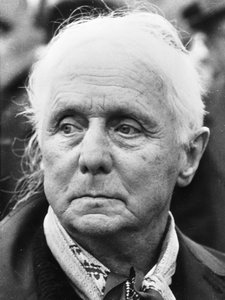
Max Ernst
1891 - 1976 , Tyskland
Kort om kunstneren
- Artistic Movement Or Style: Dada, Surrealisme
- Artists Or Movements Influenced By This Artist:
- Surrealisme
- Dada
- Artists Who Influenced This Artist:
- Picasso
- Van Gogh
- Gauguin
- Date Of Birth: 1. april 1891
- Date Of Death: 1. april 1976
- Full Name: Max Ernst
- Nationality: Tysk-Amerikansk, Fransk
- Notable Artworks:
- Byen helhetlig
- Euclides
- Av denne skal ingen vite
- Place Of Birth: Brühl, Tyskland
Relaterte artikler
Dreamscapes & Disrupted Realities: Exploring Surrealism's Enduring Influence
Explore the fascinating world of Surrealism! Discover its origins, key artists like Dalí & Magritte, and enduring influence on art & culture. Expert insights & high-quality reproductions at OriginalUniqueArt.

Max Ernsts 25 Mesterverk: Surrealisme, Kunst og Inspirasjon til Ditt Hjem
Utforsk Max Ernsts 25 mest ikoniske surrealistiske malerier! Oppdag historien bak hvert mesterverk, teknikken og den tidløse skjønnheten. Finn kunsttrykk av høy kvalitet til ditt hjem på OriginalUniqueArt.com – inspirert av drømmekunst og avantgarde.
Surrealismens 10 Mesterverk: Kunst som utfordrer virkeligheten – OriginalUniqueArt.no
Utforsk surrealismens 10 mest ikoniske malerier – Dalí, Magritte & mer! Oppdag historiene bak mesterverkene og finn kunsttrykk til ditt hjem. Eksklusive reproduksjoner på OriginalUniqueArt.no.

Beyond Reality's Grasp: Exploring the Philosophical Foundations of Surrealism
Explore the philosophical roots & artistic innovations of Surrealism with OriginalUniqueArt. Discover Dalí, Ernst, Delvaux & Freud's influence on this revolutionary movement. High-quality art reproductions available.

El Grecos 25 Mesterverk: Kunst, Historie og Inspirasjon for Ditt Hjem
Utforsk El Grecos 25 mest ikoniske malerier! Oppdag historien bak spansk renessanses mesterverk, fra 'Gravleggelsen av grev Orgaz' til dramatiske portretter. Finn kunsttrykk og reproduksjoner for ditt hjem på OriginalUniqueArt.com.


