
 Forhåndsvisning
 Send
Send Del
Del
 Vis detaljer
 Utskriftsvennlig guide

 Last ned bilde
 Liknende objekter
 Røntgenundersøkelse
 Lysbildefremvisning
 Spørsmål og svar
 Statistikk
Sphères d'innocence


 Vis hele teksten
Få en utskriftsklar fil som går langt utover forhåndsvisningen på nett. Hvert digitale bilde vi selger er hentet fra en høyoppløselig master i vår database – vanligvis mellom 5 000 og 15 000 piksler bred – slik at du kan trykke stort, beskjære tett eller gjenskape fine detaljer med full trygghet.
Ingen filer forlater studioet vårt uten å bli bearbeidet. En digital ekspert kontrollerer fargene mot det originale maleriet og korrigerer dem ved behov, for deretter å forbedre klarhet og detaljrikdom med profesjonelle retusjeringsverktøy — alltid tro mot kunstnerens penselstrøk og stil. Resultatet er et bilde som fremstår som selve maleriet, ikke som en skann med filter.
Du godkjenner før ferdigstilling: vår ekspert sender bildet på e-post til din vurdering innen 72 timer. Ikke fornøyd? Be om forbedringer eller korrigeringer, eller be om refusjon dersom kvaliteten ikke svarer til forventningene.
Dette er kvaliteten forlag, designstudioer, gallerier og trykkerier stoler på.
Digitalt bilde
Last ned en høyoppløselig fil til personlig bruk, utskrift og kreative prosjekter. ( Bytt til trykk Kjøp håndmalt maleri)
Inkludert i alle bestillinger av digitale bilder
Ekspert på digital levering, garantert
Når du velger OriginalUniqueArt.com, får du ikke bare et bilde – du mottar et profesjonelt etterbehandlet digitalt kunstverk, skapt med presisjon og med en garantert tilfredshetsgaranti. Her er alt som automatisk følger med din bestilling:

Rask levering på e-post
Din høyoppløselige digitale bildefil sendes til din e-post innen 72 timer etter bestilling – klar til umiddelbar bruk.

KI-forbedret digital fil
Ditt kunstverk blir profesjonelt optimalisert ved hjelp av avanserte AI-verktøy og manuell redigering, noe som sikrer maksimal detaljrikdom, klarhet og fargegjengivelse.

Gratis livslang nyutlevering
Har du ved et uhell slettet eller mistet filen din? Ingen bekymring – vi sender den på nytt når som helst, helt gratis.

Ingen importavgifter – noen gang
Nyt ditt kunstverk umiddelbart uten toll, avgifter eller leveringskostnader – digitale nedlastinger er alltid avgiftsfrie.

Garantert fargenøyaktighet
Vi sikrer at det digitale bildet gjenspeiler de originale fargene så nøyaktig som mulig ved hjelp av profesjonelle verktøy og fargehåndtering.

100 dagers fornøydhetsgaranti
Hvis du ikke er fornøyd med ditt digitale bilde, vil vi revidere det eller refundere 100% innen 100 dager – uten spørsmål.

100% Penggaranti
Ikke fornøyd? Få full refusjon innen 100 dager etter at du har mottatt din digitale fil – uten spørsmål.

Rabatt ved storkjøp
Kjøp 3 bilder, spar 10% - Kjøp 5, spar 15% - Kjøp 10+, spar 20%. Ideelt for kreative prosjekter, gallerier og byråer.
Sphères d’innocence: A Dadaist Dreamscape
Max Ernst's "Sphères d’innocence" isn’t merely a painting; it’s an invitation into a fractured, dreamlike world—a quintessential expression of the Dada and Surrealist movements that shook the foundations of 20th-century art. Completed in 1924, this oil on canvas presents a deliberately unsettling yet profoundly captivating composition, immediately arresting the viewer with its vibrant red backdrop and the enigmatic central figure: a robot-like automaton gazing intently into an unseen distance.
The painting’s genesis lies within the turbulent intellectual climate of post-World War I Europe. Dadaism, born out of disillusionment and a rejection of traditional artistic values, sought to dismantle established norms through radical experimentation. Ernst, deeply involved in this movement, channeled his anxieties about technology, societal control, and the loss of innocence into works like “Sphères d’innocence.” The robot figure isn't simply a mechanical construct; it embodies a complex relationship between humanity and increasingly powerful machines – a theme that resonated powerfully during an era rapidly embracing industrialization.
Composition and Technique: A Deliberate Disruption
Ernst masterfully employs a limited color palette—primarily red, punctuated by the stark contrast of black and white figures—to heighten the painting’s emotional impact. The composition is deliberately unbalanced, creating a sense of unease and instability. The large robot dominates the foreground, its two eyes drawing the viewer's attention as if searching for something just beyond the canvas. Smaller, almost ghostly figures populate the background, adding layers of mystery and suggesting a forgotten past or an unrealized future.
Technically, Ernst utilized techniques honed during his early experimentation with collage and frottage (rubbing). The smooth, slightly blurred quality of the robot’s form hints at this process, lending it a dreamlike, almost ephemeral appearance. The background elements are rendered with a looser brushstroke, further contributing to the painting's overall sense of disorientation. He deliberately avoided sharp lines and precise details, favoring instead an atmosphere of ambiguity and suggestion.
Symbolism: Birds, Robots, and the Loss of Innocence
“Sphères d’innocence” is rich in symbolic imagery. The bird perched near the top right corner—a frequent motif in Ernst's work—represents freedom, hope, and a yearning for escape. Its presence offers a fragile counterpoint to the more ominous elements of the composition. The robot itself can be interpreted as a symbol of technological advancement, but also as a representation of humanity’s potential for self-destruction or alienation.
The arrangement of the figures—the central robot and the smaller ones in the background—suggests a hierarchical structure, perhaps representing power dynamics or the struggle between control and liberation. Some art historians believe the painting reflects Ernst's own anxieties about the rise of totalitarianism and the suppression of individual expression. The title itself, "Sphères d’innocence," evokes a sense of lost purity and vulnerability—a poignant reminder of the fragility of human experience.
A Timeless Masterpiece: Reproduction & Beyond
Max Ernst's “Sphères d’innocence” remains a profoundly influential work, continuing to fascinate viewers with its unsettling beauty and complex symbolism. OriginalUniqueArt offers meticulously crafted hand-painted reproductions that capture the essence of this iconic painting, allowing you to experience its power and mystery firsthand. Whether displayed in a contemporary art space or incorporated into your home décor, this reproduction serves as a powerful reminder of the enduring legacy of Dadaism and Surrealism—and Max Ernst’s unparalleled vision.
To explore more works by Max Ernst and delve deeper into the world of Dadaism, visit our artists database or discover related artworks on our artwork page.
Spørsmål og svar
Hvem selger håndmalte kopier av "Sphères d'innocence" av Max Ernst?
"Sphères d'innocence" er tilgjengelig som en håndmalt oljereproduksjon på linlerret. Du kan bestille på siden Håndmalt oljereproduksjon, hvor du kan velge mellom ulike størrelser.
Hvor kan jeg kjøpe et trykk av "Sphères d'innocence" av Max Ernst?
Du kan bestille et trykk av "Sphères d'innocence" av Max Ernst direkte på siden for Kunsttrykk i høy kvalitet: et kunsttrykk på bomullslerret eller arkivbestandig lerretspapir.
Hvor anbefales det å stille ut Portrait-formatet av "Sphères d'innocence"?
Portrait-formatet til "Sphères d'innocence" av Max Ernst anbefales for et Living Room. Format og romfølelse fungerer sammen som en veiledning for plassering av en reproduksjon.
Om kunstneren
Livet og opprinnelsen til Max Ernst
Max Ernst trådte inn i verden den 2. april 1891 i Brühl, Tyskland. Han vokste opp i en katolsk middelklassefamilie som det tredje av ni barn. Oppveksten ble formet av den stille og disiplinerte atmosfæren i hjemmet, der faren, Philipp, arbeidet som lærer for døve. Philipp var også en amatørmaler, og det var gjennom ham at gutten først kom i kontakt med kunstens verktøy og praksis.
Innen 1909, mens han var student ved Universitetet i Bonn, begynte Max Ernst å male. Denne tidlige perioden av livet hans var preget av en voksende interesse for den visuelle verden, selv om hans vei etter hvert ville utvide seg langt utover lerretet. Han ble en mann av mange medier, og arbeidet som maler, skulptør, grafiker, bildekunstner og poet. Hans tidlige år handlet mindre om å finne én enkelt retning, og mer om en rastløs nysgjerrighet knyttet til hvordan man kan representere verden og menneskesinnet.
Akademiske ambisjoner og tidlige kunstneriske impulser
Max Ernst sin vei mot kunsten ble formet av en dyp nysgjerrighet knyttet til det menneskelige sinn og tankens komplekse strukturer. Under studiene ved Universitetet i Bonn var han ikke utelukkende opptatt av pensel og lerret; i stedet viet han tiden sin til filosofi, kunsthistorie, litteratur, psykologi og psykiatri. Disse fagfeltene ga ham et rammeverk for å forstå verden som strakte seg langt forbi det rent estetiske. Han søkte etter de underliggende årsakene til eksistensen, med et ønske om å forstå psykens mekanismer og menneskelig uttrykkshistorie. Dette intellektuelle fundamentet skulle senere gjøre det mulig for ham å bevege seg forbi tradisjonell representasjon og utforske de mer skjulte, irrasjonelle lagene av menneskelig erfaring.
Hans tidlige år var preget av en økende tilknytning til det kunstneriske miljøet i Tyskland. I 1911 ble han en del av gruppen Die Rheinischen Expressionisten. Denne perioden i livet hans var definert av en søken etter et nytt visuelt språk. Et avgjørende vendepunkt inntraff i 1912 da han besøkte Sonderbund-utstillingen i Köln. Møtet med verkene til Pablo Picasso, Vincent van Gogh og Paul Gauguin endret hans perspektiv fundamentalt. Disse kunstnerne tilbød ham en vei ut av de etablerte normene. Han følte seg trukket mot deres tilnærminger, noe som satte ham på en kurs mot den radikale eksperimenteringen som skulle komme til å definere hele hans kunstneriske karriere.
Virkningene av første verdenskrig
Utbruddet av den store krigen førte til et fundamentalt brudd i Max Ernsts livsløp. Han ble utskrevet til tjeneste og tilbrakte fire år som soldat ved frontlinjene. Som artillerist ble han konfrontert med de brutale realitetene på både øst- og vestfronten. Denne erfaringen var langt mer enn bare et avbrudd i studiene hans; det var et dyptgående psykologisk sjokk. Kaoset og ødeleggelsene han var vitne til, rystet ham i hans innerste, og la grunnlaget for en varig skepsis til den moderne verden og dens etablerte samfunnsordener.
Traumet fra konflikten var så absolutt at det virket som om det utradert hans tidligere selv. I sin egen selvbiografi skrev han om denne indre døden med en rystende klarhet, der han fastslo at Max Ernst døde den 1. august 1914. Denne følelsen av tap, og den påfølgende desillusjonen, skulle etter hvert drive ham mot de radikale, anti-rasjonalistiske uttrykkene i de kunstbevegelsene som fulgte.
Dadaismen og gruppen i Köln
Kaoset fra den store krigen etterlot Max Ernst med en dyp skepsis til det moderne samfunnets strukturer. Innen 1919 fant denne desillusjonen en stemme i Köln, hvor han slo seg sammen med Hans Arp og Johannes Theodor Baargeld for å grunnlegge Köln-dadaistene. Dette var en periode preget av intens og rastløs skaperevne. Sammen med sine nye følgesvenner bidro han til å lansere kortlevde tidsskrifter som Der Strom og die Schammade, hvor det skrevne ord ble brukt som et verktøy for å utfordre grensene for hva kunst i det hele tatt kunne være. Det var en tid preget av radikale skifter, både i hans kunstneriske virke og i hans privatliv, da han i 1919 giftet seg med kunsthistorie-studenten Luise Straus.
I løpet av disse årene begynte Ernst å bevege seg bort fra det tradisjonelle maleriet, og han fant i stedet et nytt språk gjennom montasjens kunst. Han produserte sine første collager i 1919, hvor han arbeidet med bildefragmenter for å skape noe som var fundamentalt annerledes enn de opprinnelige delene. Et bemerkelsesverdig tidlig eksempel fra denne perioden er Fiat modes, en samling litografier som demonstrerte hans voksende interesse for disse fragmenterte komposisjonene. Disse eksperimentene var ikke bare stilistiske valg; de var en måte å navigere i en verden som ikke lenger føltes sammenhengende eller rasjonell.
Den surrealistiske bevegelsen i Paris
Innen 1922 hadde den rastløse energien som hadde drevet hans dadaistiske år, funnet et nytt hjem da Ernst flyttet til Frankrike. Han beveget seg inn i de intellektuelle kretsene i Paris og fant en følelse av tilhørighet blant surrealistene. Han ble en del av en sammensveiset gruppe ledet av André Breton, en krets som søkte å kartlegge de fremmede, uoppdagede territoriene i menneskesinnet. Dette var en tid preget av intenst samarbeid og et felles formål, hvor grensene for hva kunsten kunne representere, ble skjøvet inn i drømmenes og det underbevisste rike.
Hans tilstedeværelse i denne kretsen var preget av et dypt engasjement for både det skrevne ord og det visuelle bildet. Han samarbeidet med Paul Éluard om tidsskriftet Littérature, et prosjekt som bidro til å definere bevegelsens rekkevidde. Disse årene var karakterisert av en konstant søken etter nye måter å visualisere det irrasjonelle på. I 1924 tok nysgjerrigheten hans ham langt utenfor Paris' gater da han reiste til Indokina, en erfaring som tilførte enda flere lag til hans stadig utvidede verdensbilde.
- Oedipus Rex
- Celebes
Innovative teknikker og kunstneriske metoder
Max Ernst var en rastløs eksperimentator som søkte å omgå det bevisste sinnets kontroll. Han vendte seg ofte mot det tilfeldige for å finne sitt visuelle språk. Dette førte til utviklingen av frottage, en metode der han plasserte papir over teksturerte overflater og gnidde dem med blyant eller kull. Denne enkle handlingen lot uventede former tre frem fra treverkets årringer eller bladets riller. Han utvidet denne ideen med grattage, en prosess der han skrapte maling over lerretet for å avdekke teksturene til objekter plassert under. Disse metodene gjorde det mulig for ham å skape landskap som føltes både organiske og fremmede på samme tid.
Hans fascinasjon for det irrasjonelle ledet ham også til decalcomania. Ved å presse maling fra én overflate til en annen, oppnådde han drømmeaktige forvrengninger og lagdelte effekter som om de hadde steget direkte ut av en drøm. Han var også en mester i collage, hvor han møysommelig satte sammen ulike elementer – som vitenskapelige illustrasjoner eller utklipp fra magasiner – til komposisjoner som utfordret vår oppfatning av virkeligheten. Han malte ikke bare en scene; han konstruerte den av fragmenter fra verden rundt seg.
- The Elephant Celebes (1921)
- Europe after the Rain II (1942)
- The Robing of the Bride (1940)
Symbolikken bak fugler og Loplop
En merkelig, personlig fiksering på fugler fulgte Max Ernst gjennom hele livet. Dette var ikke bare en overfladisk interesse for naturen, men en dyptliggende besettelse som sprang ut fra et barndomsminne. Han mintes et øyeblikk der hans kjære kjæledyr døde nøyaktig samtidig som hans yngre søster ble født. Denne tilfeldigheten virket å smelte sammen ideene om liv og død i hans sinn, og forvandlet fugler til symboler som bar på både varsler og mysterier. Han betraktet dem ofte som skapninger som kunne bygge bro over gapet mellom den menneskelige erfaring og det overnaturlige.
Denne fascinasjonen tok etter hvert en fysisk, nesten psykologisk form gjennom et fugleaktig, freudiansk alter ego som han kalte Loplop. Denne karakteren var mer enn bare et tilbakevendende motiv; den var en veiviser gjennom hans eget sinns landskap. Loplop gjorde sitt første formelle opptreden i hans kollasje-roman fra 1929, La Femme 100 Têtes. I dette verket fungerte fuglen som en forteller som ledet leseren gjennom en serie sammenstilte bilder og fragmenterte realiteter. Gjennom Loplop fant Max Ernst en måte å personifisere underbevissthetens irrasjonelle impulser på, ved å gi et ansikt – eller et nebb – til de delene av seg selv som trosset logikken.
- Forest and Dove
Eksil og livet i USA
Skyggene fra andre verdenskrig nådde til slutt selv kunstnerens fristed i Frankrike. I 1938 snudde det politiske klimaet brått mot ham, og han ble internert i Camp des Milles nær Aix-en-Provence. Denne perioden med fangenskap var en tung bør, særlig fordi naziregimet hadde stemplet ham som en uønsket utlending. Usikkerheten rundt hans situasjon vokste i takt med at krigen intensiverte, noe som tvang frem en beslutning om å forlate det livet han hadde bygget opp i Europa.
En vei til trygghet åpnet seg gjennom hjelp fra Peggy Guggenheim. I 1941 flyktet han til New York, og ankom en by som var i ferd med å bli et tilfluktssted for mange av hans samtidige. Denne flyttingen var mer enn bare et skifte av omgivelser; det var en total forskyvning. Han og Guggenheim giftet seg i 1942 og fant en følelse av stabilitet i hverandre midt i tidens kaos. Mens han oppholdt seg i USA, fortsatte han å eksperimentere med sine metoder og fant nye måter å oversette det underbevisste sitt teksturelle språk til lerretet på.
- Napoleón en el desierto (1941)
- Day and Night (1941)
- Europe after the Rain II (1942)
De senere år og de siste verkene
Etter år med liv i USA, vendte Ernst tilbake til Paris i 1953. Denne hjemkomsten markerte en periode med betydelig anerkjennelse for hans livslange eksperimentering. I 1954 ble han tildelt hovedprisen for maleri under den 27. Venezianske biennalen. Hans tilstedeværelse i kunstverdenen forble urokkelig mens han fortsatte å utforske mediets grenser langt inn i sine senere år.
Hans nysgjerrighet ledet ham ofte mot materialer som føltes både skjøre og evige. I 1966 skapte han et sjakkspill i glass med tittelen Immortel. Dette verket reflekterte hans evne til å finne magi i objektenes fysiske egenskaper, på samme måte som teksturene han hadde brukt tiår på å avdekke gjennom gnidning og skraping. Han forble aktiv i sitt kreative virke helt frem til sin død i Paris den 1. april 1976.
Hvor du kan se hans verk i dag
Å spore fotavtrykkene til Max Ernsts rastløse fantasi krever en reise gjennom flere av verdens store kulturelle knutepunkter. I Venezia huser Peggy Guggenheim Collection verk som reflekterer hans dype tilknytning til den surrealistiske kretsen. Hans nærvær er også merkbart i salene til Metropolitan Museum of Art, hvor hans eksperimenter med tekstur og form er bevart for de som studerer de radikale skiftene i det tidlige tjuende århundre.
Reisende kan også komme over hans arbeid i Edinburgh, ved National Galleries of Scotland. Samlingen der gir en sjelden mulighet til å oppleve hans visjon på nært hold. Andre betydelige samlinger finnes i Staatsgalerie Stuttgart og Tel Aviv Museum of Art, noe som sikrer at hans innflytelse forblir tilgjengelig på tvers av kontinenter. Disse institusjonene holder hans fysiske arv i live, og lar oss se de faktiske overflatene han skrapte og gnidde for å fremkalle sine unike motiver.
- The Entire City (ca. 1936)
- Europe after the Rain II (1942)
- The Robing of the Bride (1940)
- Oedipus Rex (1922)
- The Elephant Celebes (1921)
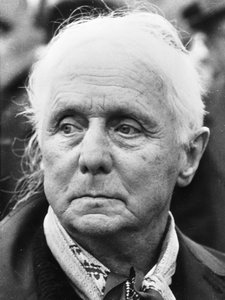
Max Ernst
1891 - 1976 , Tyskland
Kort om kunstneren
- Artistic Movement Or Style:
- Dada
- Surrealisme
- Artists Or Movements Influenced By This Artist: ['Surrealisme']
- Artists Who Influenced This Artist:
- Pablo Picasso
- Vincent van Gogh
- Paul Gauguin
- Date Of Birth: 1891
- Date Of Death: 1976
- Full Name: Maximilian Maria Ernst
- Nationality: Tysk
- Notable Artworks:
- The Entire City
- Euclides
- Of This Men Shall Know Nothing
- Forest and Dove
- Place Of Birth: Brühl, Tyskland