
 Forhåndsvisning
 Send
Send Del
Del
 Vis detaljer
 Utskriftsvennlig guide

 Last ned bilde
 Liknende objekter
 Røntgenundersøkelse
 Lysbildefremvisning
 Spørsmål og svar
 Statistikk
Self-portrait with champagne glass


 Vis hele teksten
Giclée / Kunsttrykk
Giclée- eller lerretsprint av museumskvalitet med rask produksjon og fleksible valgmuligheter for etterbehandling. ( Kjøp håndmalt maleri Bytt til digitalt bilde)




P118B Nkr10

P118H Nkr10

P118W Nkr10

P438Z Nkr10

P508JH Nkr12

P508YH Nkr12

P805H Nkr10

P805Z Nkr10

P919BZ Nkr10

P919G Nkr10

P919XJ Nkr10

P959ZH Nkr10

P968JZ Nkr12

W106C Nkr8

W218G Nkr10

W218JH Nkr8

W218Y Nkr10

W307PJ Nkr10

W316G Nkr10

W316PJ Nkr8

W316Y Nkr10

W398PJ Nkr8

W4111J Nkr10

W500HY Nkr15

W500JH Nkr15

W692G Nkr12

W849H Nkr8

W940BG Nkr15

W953PJ Nkr8




Velg mellom våre forhåndsdefinerte størrelser som bevarer kunstverkets opprinnelige proporsjoner.

Skriv inn ønsket bredde og høyde for å tilpasse trykket til din ramme eller vegg. Et trykk kan kun beskjæres, aldri skaleres opp utover motivets opprinnelige størrelse, noe som betyr at et format med andre proporsjoner vil føre til tap av deler av bildet. Vi sender deg en digital mockup for godkjenning før vi starter trykkeprosessen. Bildet som vises på denne siden viser ikke den faktiske beskjæringen — det er kun mockuppen som viser dette.
Verdensomspennende levering () på 2 uker i stedet for standard 4/5 uker. (8 November)

Gratis ekspressfrakt over hele verden

Lerretsduk av lin av høy kvalitet

Full transportforsikring

Garanti for refusjon av toll og importavgifter

Garantert fargegjengivelse

100 dagers returrett ved fabrikasjonsfeil

100% pengene tilbake-garanti

Rabatt ved flere kjøp
 Glassalternativet er kun tilgjengelig i størrelser under 110 cm

Self-portrait with champagne glass
Giclée / Kunsttrykk
Størrelse på reproduksjon
-


Totalpris for valgte alternativer
Nkr 775
Max Beckmann's Intimate Reflection: Self-Portrait with Champagne Glass (1919)
This arresting self-portrait by Max Beckmann, painted in 1919, offers a profound glimpse into the artist’s evolving consciousness during a turbulent period of European history. More than just a depiction of two men sharing a glass of champagne, it's a carefully constructed meditation on isolation, observation, and the unsettling shift in perspective brought about by the horrors of World War I. Beckmann, born in Leipzig in 1884, was already experimenting with distortion and psychological depth before the war, but the experience of serving as a medical orderly during the conflict irrevocably altered his artistic trajectory. The resulting works, like this self-portrait, are characterized by their fragmented forms and emotionally charged atmosphere – a direct response to the shattered realities he witnessed.
A Study in Discomforting Observation
The scene unfolds within what appears to be an art gallery or studio setting, meticulously rendered with scattered bottles, cups, and a sense of studied disarray. The two men at the table are not engaged in jovial conversation; rather, they exist in a state of quiet contemplation, almost detached from one another. One man raises a glass to his lips, while the other observes him with an expression that borders on melancholy or perhaps even suspicion. This deliberate ambiguity is central to Beckmann’s artistic strategy – he doesn't offer easy answers but instead presents unsettling questions about human interaction and perception. The inclusion of the partially visible figure in the background adds another layer of complexity, suggesting a broader social context and hinting at the anxieties of a rapidly changing world.
Technique and Symbolism: Echoes of Medieval Art
- Style: Beckmann’s style is immediately recognizable for its deliberate distortions and flattened perspectives, influenced heavily by medieval stained glass. This influence is particularly evident in the use of color – rich, saturated hues reminiscent of the vibrant palettes found in religious iconography.
- Technique: The painting employs a technique of layered brushstrokes and subtle gradations of tone, creating a sense of depth and atmosphere despite the stylized forms. Beckmann’s meticulous attention to detail is evident in the rendering of the textures – the glass of the wine glasses, the fabric of the men's clothing, and the surfaces of the tables.
- Symbolism: The champagne itself can be interpreted as a symbol of fleeting pleasure and superficiality, juxtaposed against the underlying sense of unease and disillusionment. Beckmann’s fascination with medieval art—particularly Bosch and Grünewald—suggests an interest in exploring themes of sin, damnation, and the fragility of human existence.
Emotional Resonance and Lasting Impact
“Self-Portrait with Champagne Glass” is a powerfully evocative work that transcends its immediate subject matter. It speaks to the anxieties of modernity, the alienation of the individual in an increasingly complex world, and the enduring human need for connection – even if that connection is fraught with uncertainty. Beckmann’s ability to capture such profound emotional depth through his distinctive artistic style ensures that this painting remains a compelling and relevant work of art over a century after its creation. It's a testament to the artist's courage in confronting difficult truths and his enduring legacy as one of the most significant figures in 20th-century art.
Spørsmål og svar
Hva er den overordnede stemningen i "Self-portrait with champagne glass" av Max Beckmann?
"Self-portrait with champagne glass" har en Nostalgic atmosfære.
Hvilken fase av Max Beckmann sin karriere tilhører "Self-portrait with champagne glass" (1919)?
"Self-portrait with champagne glass", skapt i 1919, tilhører Post WWI i Max Beckmann sin karriere.
Hvordan harmonerer fargene i "Self-portrait with champagne glass" med hverandre?
Fargene i "Self-portrait with champagne glass" av Max Beckmann utviser en Balanced Harmony harmoni. Harmoni beskriver hvordan fargene samspiller med hverandre.
Om kunstneren
tidlig liv og kunstnerisk utvikling
max beckmann, en anerkjent tysk maler, tegner, grafiker, skulptør og forfatter, ble født 12. februar 1884 i leipzig, sachsen. Hans kunstneriske reise begynte med akademisk korrekte fremstillinger, som senere transformerte seg til forvrengte figurer og rom, noe som reflekterte hans endrede syn på menneskeheten etter å ha tjenestegjort som medisinsk hjelper under første verdenskrig.kunstnerisk stil og innflytelse
Beckmanns stil, med røtter i bildeverdenen til middelalderens glassmalerier, var påvirket av ulike kunstnere, inkludert cézanne, van gogh, blake, rembrandt og rubens. Han hentet også inspirasjon fra nordeuropeiske kunstnere fra senmiddelalderen og tidlig renessanse, slik som bosch, bruegel og matthias grünewald.bemmerkelsesverdige verk og utstillinger
- the bark (ervervet av nasjonalgalleriet i berlin)
- selvportrett i smoking (kjøpt i 1928)
- retrospektive utstillinger ved städtische kunsthalle mannheim (1928) og i basel og zurich (1930)
senere liv og eksil
Beckmanns lykke endret seg med Adolf Hitlers fremgang, noe som førte til hans avskjed fra kunstskolen i frankfurt og konfiskering av over 500 av hans verk. Han levde i selvvalgt eksil i amsterdam i ti år, etter å ha mislyktes i å få visum til USA.ettermæle
- underviste ved kunstskolene ved washington university i st. louis og brooklyn museum
- den første retrospektive utstillingen i USA fant sted i 1948 ved city art museum, saint louis
- max-slevogt galerie, Tyskland, rommer en samling av hans verk
- født: 12. februar 1884
- død: 27. desember 1950

Max Beckmann
1884 - 1950 , Tyskland
Kort om kunstneren
- Artistic Movement Or Style: Ekspresjonisme
- Artists Or Movements Influenced By This Artist: ['Rembrandt']
- Artists Who Influenced This Artist:
- Georges Seurat
- Vincent van Gogh
- Date Of Birth: Februar 12, 1884
- Date Of Death: Desember 27, 1950
- Full Name: Max Carl Friedrich Beckmann
- Nationality: Tysk
- Notable Artworks:
- Barken
- Selvportrett i smoking
- Place Of Birth: Leipzig, Tyskland
Relaterte artikler

Max Beckmann: Navigating Trauma & Modernity Through a Distorted Lens
Explore the powerful world of Max Beckmann's art – a journey through trauma, modernity & distortion. Discover his key works, influences, and lasting legacy with expert analysis.
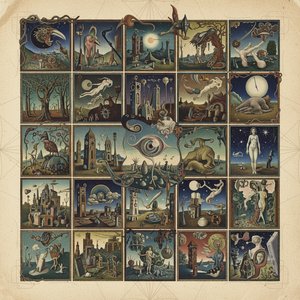
Max Ernsts 25 Mesterverk: Surrealisme, Kunst og Inspirasjon til Ditt Hjem
Utforsk Max Ernsts 25 mest ikoniske surrealistiske malerier! Oppdag historien bak hvert mesterverk, teknikken og den tidløse skjønnheten. Finn kunsttrykk av høy kvalitet til ditt hjem på OriginalUniqueArt.com – inspirert av drømmekunst og avantgarde.
Vinens Palett: En Kuratorisk Veiledning til Kunstvalg i Vinkjellere og Smakerom – Forbedring av Oenologisk Opplevelse Gjennom Landskap, Symbolikk og Interiørharmoni
Lær hvordan du skaper et unikt smakerom med kunst! Ekspertveiledning om landskap, symbolikk og interiørharmoni for å fremheve vinens smaksopplevelse. Inspirasjon & tips.

Giclée Prints: Archival Quality & Aesthetic Nuances for the Discerning Collector
Explore the world of giclée prints with OriginalUniqueArt. Learn about archival quality, aesthetic nuances & investment potential. Expert guidance for discerning art collectors seeking museum-quality reproductions and lasting value.

The Enduring Legacy of Fine Art Prints: Technique, History & Aesthetic Impact
Explore the rich history & techniques of fine art prints. Discover investment potential, assess authenticity, and learn how to preserve your collection with expert guidance. Trusted insights for discerning collectors.


