Expressionism · 1946
Actresses (Max Beckmann, 1946)
Max Beckmann (1884–1950) har laget Actresses. Den er fra 1946. Det tilhører Expressionism-bevegelsen. Den er laget i Acrylic On Canvas. Verket er bevart ved Kunsthaus Zürich i Zürich, Sveits. Mål: 160 × 120 cm
- 1946
- Acrylic On Canvas
- 160 × 120 cm
- Kunsthaus Zürich

 Forhåndsvisning

 Håndmalt oljemaleri
 Send
 Del
 Faktablad


 Last ned bilde
 Liknende objekter
 Røntgenundersøkelse
 Lysbildefremvisning
 Spørsmål og svar

 Statistikk
Actresses, kort fortalt
- Tittel
- Actresses
- Kunstner
- Max Beckmann (1884–1950)
- Kunstner født i
- Leipzig, Tyskland
- Dato
- 1946
- Medium
- Acrylic On Canvas
- Dimensjoner
- 160 × 120 cm
- Hvor det kan ses
- Kunsthaus Zürich, Zürich, Sveits
- Bevegelse
- Expressionism
- Motiv
- actresses, dressing room, theatre, women, reflection, black and white
Hva forestiller Actresses?
A Moment Frozen in Glamour: Max Beckmann’s “Actresses”
Max Beckmann's 1946 painting, "Actresses," isn’t merely a depiction of two women in a dressing room; it’s a potent distillation of anxiety, vulnerability, and the carefully constructed facade of performance. Housed within the Kunsthaus Zürich’s collection, this oil on canvas invites us into a space both intimate and unsettling, revealing a complex interplay between reality and illusion that defines much of Beckmann's oeuvre. The painting immediately draws the eye to the central figures – two women seated before a large mirror, their postures suggesting a blend of anticipation and weariness. One woman, positioned slightly to the left, holds her hand delicately to her face, a gesture simultaneously shielding herself from an unseen light or expressing a profound discomfort. Her expression is ambiguous, hinting at both apprehension and a quiet resignation.
Beckmann’s style during this period – often categorized as New Objectivity or Neo-Expressionism – deliberately rejected the emotional excesses of earlier Expressionist movements. Instead, he favored a stark realism, employing flattened perspectives and fragmented forms to create a sense of unease and psychological depth. The mirror itself is crucial; it's not a simple reflective surface but an active participant in the scene, distorting and multiplying the figures, suggesting that identity itself is fluid and constructed. The lighting, too, contributes significantly to the painting’s mood – a diffused, almost clinical light casts long shadows, emphasizing the women’s faces and highlighting their vulnerability.
Echoes of Weimar and the Shadow of War
To fully appreciate “Actresses,” it's essential to understand the historical context in which it was created. Painted in 1946, just after the end of World War II, the painting reflects the profound anxieties and uncertainties gripping Germany at the time. The Weimar Republic, a period of relative prosperity and artistic experimentation, had collapsed into chaos and ultimately succumbed to the rise of Nazism. Beckmann, a staunch critic of authoritarianism, channeled these turbulent emotions through his art. The scene within the dressing room can be interpreted as a metaphor for the broader societal anxieties – the crumbling of established norms, the loss of innocence, and the pervasive sense of disillusionment.
Beckmann’s earlier life in Leipzig, Germany, was marked by significant personal tragedy, including the death of his wife. This experience undoubtedly informed his later work, contributing to a recurring theme of isolation and psychological distress. The painting's somber palette – dominated by muted browns, grays, and blacks – reinforces this sense of melancholy and foreboding. The overall effect is less celebratory than one might expect from a depiction of actresses, instead evoking a feeling of quiet desperation.
Symbolism and the Performance of Identity
Beyond its immediate visual impact, “Actresses” is rich in symbolic meaning. The dressing room itself represents the constructed nature of identity – the elaborate costumes, makeup, and carefully rehearsed performances that actresses present to the public. The mirror serves as a constant reminder that this performance is ultimately an illusion, concealing the women’s true selves. The book visible on the table further reinforces this theme, suggesting a preoccupation with stories, narratives, and the roles we play in life.
Furthermore, the positioning of the figures – one woman facing away from the viewer, the other turned towards her – creates a dynamic tension. It’s as if they are both observing each other, caught in a silent exchange that reveals nothing but their shared vulnerability. The painting doesn't offer easy answers or resolutions; instead, it compels us to confront the complexities of human experience and the often-painful process of self-discovery.
A Timeless Reflection on Artifice and Reality
“Actresses” remains a powerfully evocative work of art, demonstrating Beckmann’s mastery of psychological observation and his ability to translate complex emotions onto canvas. It's a painting that rewards repeated viewing, revealing new layers of meaning with each encounter. Its enduring appeal lies in its honest portrayal of human fragility and the inherent tension between appearance and reality – themes that resonate deeply across generations. Whether viewed as a historical document or a timeless meditation on identity, “Actresses” continues to captivate and challenge viewers today.
Hvilket museum har Actresses?
Kunsthaus Zürich
Zürich, Sveits
Historien om Kunsthaus Zürich Røttene til Kunsthaus Zürich kan spores helt tilbake til 1901, da institusjonen ble grunnlagt av Zürcher Kunstgesellschaft. Det som begynte som et lite selskap dedikert til å fremme forståelsen for kunstneriske uttrykk, har i dag vokst til å bli Sveits' største kulturelle institusjon. Museet ligger i hjertet av Zürich, Sveits, og besitter det største arealet av alle kunstmuseer i landet.


Høyoppløselige bilder av Actresses

Fritlig eiendom: kunstneren døde i 1950.
Andre størrelser, beskjæringer og sitering →Max Beckmann, Actresses (1946), Kunsthaus Zürich. Felleseie
Spørsmål om Actresses, besvart
Hvor kan "Actresses" av Max Beckmann sees utstilt i dag?
Du kan se originalen av "Actresses" på Kunsthaus Zürich, Zürich, Sveits.
Hva er dateringen til "Actresses" av Max Beckmann?
"Actresses" av Max Beckmann ble skapt i 1946.
Hvilken teknikk er "Actresses" laget med?
"Actresses" av Max Beckmann er utført i Acrylic On Canvas. Reproduksjonene har som mål å gjengi utseendet til denne teknikken.
Hva er de faktiske målene på "Actresses" av Max Beckmann?
De registrerte målene for "Actresses" av Max Beckmann er 160 x 120 cm. Reproduksjoner kan bestilles i andre størrelser med de samme proporsjonene.
Hva forestiller "Actresses"?
Temaene i "Actresses" av Max Beckmann inkluderer actresses, dressing room, theatre, women, reflection, black and white, 1946, germany. Sammen oppsummerer de verkets motiv.
Er bildet av "Actresses" av Max Beckmann i det frie domene?
Opphavsrettslig status for "Actresses" av Max Beckmann: verket er fritt tilgjengelig – opphavsretten har utløpt. Dette avgjør om det er tillatt å lage frie reproduksjoner av bildet.
Hvem er kunstneren bak "Actresses"?
Kunstneren bak "Actresses" er Max Beckmann. Verket er katalogisert under Max Beckmann sitt navn.
Hvilken stilart tilhører "Actresses"?
"Actresses" av Max Beckmann tilhører Expressionism-retningen. Denne retningen gir det stilistiske kontekstet til verket.
Hvilken periode i Max Beckmann sin karriere tilhører "Actresses"?
"Actresses" tilhører Mature Period i Max Beckmann sin karriere. Denne klassifiseringen knytter verket til kunstnerens utvikling.
Om kunstneren, Max Beckmann

1884–1950, Tyskland
Max Beckmann
Livet og kunsten til Max Beckmann Max Beckmann var en mann med mange talenter, en kunstner som utfoldet seg som maler, tegner, grafiker, skulptør og forfatter. Han trådte inn i verden den 12. februar 1884 i Leipzig, Sachsen, og vokste opp i en øvre middelklassefamilie som den yngste av tre barn. De tidlige årene var preget av hjemmets rolige stabilitet, helt til 1894, da hans far, kornhandleren Carl Beckmann, gikk bort.
Også av Max Beckmann
 Natten1919
 Store Scene av Agony1906
 Jernbroen (Visning av Frankfurt)1922
 Columbine1950

Essays om Actresses
 Max Beckmann: Navigating Trauma & Modernity Through a Distorted LensExplore the powerful world of Max Beckmann's art – a journey through trauma, modernity & distortion. Discover his key works, influences, an…
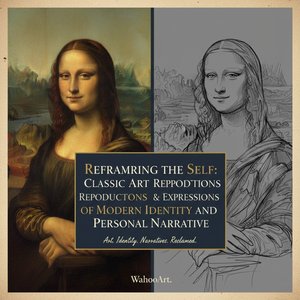 Å gjenskape selvet: Klassiske kunstgjengivelser som uttrykk for moderne identitet og personlig fortellingUtforsk klassiske kunstgjengivelser som uttrykker din personlige stil! Håndmalte reproduksjoner & portrettkommisjoner av høy kvalitet. Få e…
 Masterpieces Unveiled: The Top 25 Artworks at Kunsthaus ZürichExplore 25 iconic works from Kunsthaus Zürich, from Munch to Picasso. Discover museum-quality art at OriginalUniqueArt.com.