
 Se i rommet
 Del som digitalt kort
 Del
Del
 Detaljer
 Studentguide

 Last ned
 Liknende objekter
 Røntgen
 Lysbildefremvisning
 Besøksstatistikk
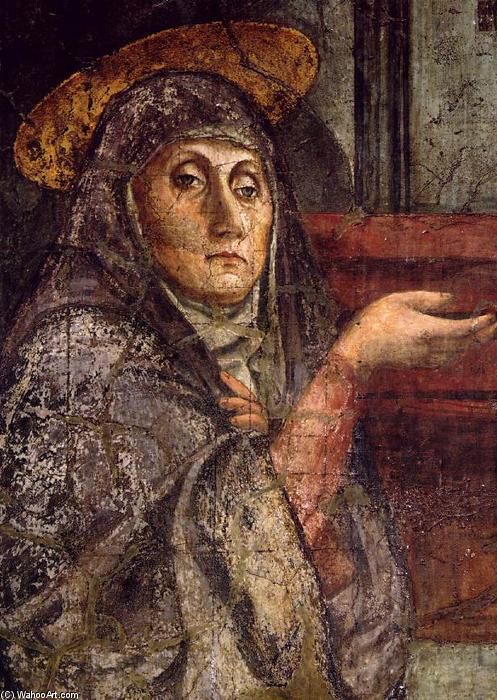
Trinity (detail)


 Les mer
Giclée / Kunsttrykk
Giclée- eller lerretsprint av museumskvalitet med rask produksjon og fleksible valgmuligheter for etterbehandling. ( Bestill håndmalt reproduksjon Gå til digitalt bilde)




P118B Nkr10

P118H Nkr10

P118W Nkr10

P438Z Nkr10

P508JH Nkr12

P508YH Nkr12

P805H Nkr10

P805Z Nkr10

P919BZ Nkr10

P919G Nkr10

P919XJ Nkr10

P959ZH Nkr10

P968JZ Nkr12

W106C Nkr8

W218G Nkr10

W218JH Nkr8

W218Y Nkr10

W307PJ Nkr10

W316G Nkr10

W316PJ Nkr8

W316Y Nkr10

W398PJ Nkr8

W4111J Nkr10

W500HY Nkr15

W500JH Nkr15

W692G Nkr12

W849H Nkr8

W940BG Nkr15

W953PJ Nkr8




Velg mellom våre forhåndsdefinerte størrelser som bevarer kunstverkets opprinnelige proporsjoner.

Skriv inn bredden og høyden du trenger, slik at den passer til din ramme eller vegg. Et trykk kan kun beskjæres, aldri gjøres større enn bildet, så et format med en annen form vil miste en del av motivet. Vi sender deg en digital mockup for godkjenning før vi trykker noe som helst. Bildet som vises på denne siden viser ikke den faktiske beskjæringen — det er kun mockuppen som gjør det.
Verdensomspennende levering () på 2 uker i stedet for standard 4/5 uker. (20 October)

Gratis ekspressfrakt over hele verden

Lerretsduk av høykvalitets lin

Full transportforsikring

Garanti for refusjon av toll og importavgifter

Garantert fargeekthet

100 dagers returrett ved fabrikasjonsfeil

100% pengene tilbake-garanti

Mengderabatt
 Glassalternativet er kun tilgjengelig i størrelser under 110 cm

Trinity (detail)
Giclée / Kunsttrykk
Format på reproduksjon
-


Totalpris
Nkr 755
Kunstnerbiografi
Masaccio (1401-1428): The Dawn of Renaissance Realism
Tommaso di Ser Giovanni di Simone Guidi Cassai, better known as Masaccio (meaning "clumsy Tom"), was a pivotal figure in the Early Italian Renaissance. Born on December 21, 1401, in San Giovanni Valdarno, Italy, and dying tragically young in 1428, his brief career revolutionized painting with groundbreaking realism, perspective, and chiaroscuro (the use of strong contrasts between light and dark). Despite his short life, Masaccio’s impact on subsequent generations of artists was profound, establishing a new standard for naturalism and influencing the course of Western art.Early Life and Training
Masaccio's origins were humble; he descended from a family involved in cabinet making – Ser Giovanni di Simone Cassai, his father, was a notary, and Monna Iacopa di Martinozzo di Dino, his mother. Tragedy struck early when Masaccio’s father perished in 1406, leaving him orphaned at the age of five alongside his brother, Giovanni (Lo Scheggia), who also pursued artistic endeavors. Giovanni Scheggia was equally adept at painting and signed only one piece, but scholars now believe that many works previously attributed to the Master of Fucecchio and Masolino were actually his creations. The details surrounding Masaccio’s artistic training remain elusive – a rarity for Renaissance artists – adding to the mystique surrounding his rapid development and innovative techniques. It is believed he apprenticed around 1415, though definitive documentation is lacking. This absence of verifiable mentorship underscores the extraordinary nature of his talent and its genesis. He joined the Florentine painters’ guild on January 7, 1422, marking his emergence as an independent master artist and signifying a crucial step in establishing his reputation within the artistic community.Artistic Development and Major Works
Masaccio's artistic journey began under the influence of Giotto di Bondone, a predecessor who championed naturalism and departed from the stylized conventions of Medieval art. However, Masaccio swiftly surpassed Giotto’s achievements in mastering perspective and anatomical accuracy. He was particularly captivated by Filippo Brunelleschi’s rediscovery of linear perspective – Brunelleschi's groundbreaking experiments fundamentally reshaped how artists represented space on canvas. Masaccio pioneered several transformative techniques that irrevocably altered the trajectory of Renaissance painting:- Linear Perspective: Employed vanishing points with meticulous mathematical precision to create a convincing illusion of depth, mirroring the architectural innovations championed by Brunelleschi.
- Chiaroscuro: Masterfully utilized light and shadow to sculpt forms, generating volume and realism previously unattainable in painting—a technique that would become synonymous with Renaissance artistry.
Historical Significance and Legacy
Masaccio's influence extended far beyond his lifetime, shaping the artistic sensibilities of subsequent generations—Leonardo da Vinci, Michelangelo, Raphael—who sought to emulate his mastery of human anatomy and his ability to convey emotion through visual representation. Giorgio Vasari famously lauded Masaccio as “the best painter of his generation,” recognizing him as the catalyst for a revolution in painting that ushered in the High Renaissance. Despite dying prematurely at the age of 26, Masaccio’s legacy persists as an enduring symbol of artistic innovation and genius—a figure whose brief but brilliant career fundamentally redefined Western art history. His pioneering use of perspective and chiaroscuro continues to inspire artists today, securing his place among the titans of Renaissance creativity.
Masaccio
1401 - 1429 , Italia
Kort om kunstneren
- Artistic Movement Or Style: Early Renaissance
- Artists Or Movements Influenced By This Artist: ['Later Renaissance painters']
- Artists Who Influenced This Artist:
- Giotto
- Filippo Brunelleschi
- Donatello
- Date Of Birth: December 21, 1401
- Full Name: Tommaso di Ser Giovanni di Simone Guidi Cassai
- Nationality: Italian
- Notable Artworks:
- Brancacci Chapel frescoes
- Holy Trinity
- Tribute Money
- Place Of Birth: San Giovanni Valdarno, Italia
Relaterte artikler
Kunsten som lever med deg: Den emosjonelle kraften i et skreddersydd interiørfresko
Utforsk den emosjonelle kraften i skreddersydde interiørfresker. Ekspertise, håndverk og tidløs skjønnhet for ditt hjem. Få et unikt kunstverk – kontakt oss!

The Enduring Legacy of Fresco: Technique, History & Artistic Expression
Explore the rich history & enduring artistry of fresco painting. Discover techniques from Giotto to Michelangelo, conservation efforts, & modern applications. Learn how OriginalUniqueArt brings this timeless art form to your home.
The Enduring Legacy of Fresco Painting: Techniques, History & Contemporary Relevance
Explore the rich history & enduring artistry of fresco painting – from Giotto to Michelangelo! Discover techniques, conservation efforts, & modern applications. Learn how OriginalUniqueArt brings this timeless art form to your home.
Fresko som Familiens Arv: Bevar Historien i Veggene
Lær om freskomaleriets historie og teknikk! Oppdag ikoniske verk og få tips til bevaring. Finn din perfekte freskoreproduksjon hos – kvalitet og ekspertise garantert.

The Enduring Legacy of Fresco: Technique, History & Artistic Expression Across Cultures
Explore the rich history & enduring legacy of fresco painting! Discover ancient techniques, Giotto's masterpieces, and modern applications. Expert insights for art lovers & professionals.


