Color Field · 1964
No. 5 (Mark Rothko, 1964)
Mark Rothko (1903–1970) har laget No. 5. Den er fra 1964. Det tilhører Color Field-bevegelsen. Den er laget i Acrylic On Canvas. Mål: 206 × 196 cm
- 1964
- Acrylic On Canvas
- 206 × 196 cm

 Forhåndsvisning

 Håndmalt oljemaleri
 Send
 Del
 Faktablad


 Last ned bilde
 Liknende objekter
 Røntgenundersøkelse
 Lysbildefremvisning
 Spørsmål og svar

 Statistikk
No. 5, kort fortalt
- Tittel
- No. 5
- Kunstner
- Mark Rothko (1903–1970)
- Kunstner født i
- Daugavpils, Latvia
- Dato
- 1964
- Medium
- Acrylic On Canvas
- Dimensjoner
- 206 × 196 cm
- Bevegelse
- Color Field
- Periode
- Modern
- Motiv
- rothko, abstract, color field, square, black and white, canvas
Hva forestiller No. 5?
Mark Rothko’s ‘No. 5’: A Meditation on Darkness and Absence
Mark Rothko's "No. 5," painted in 1964, is not merely a canvas filled with color; it’s an intensely personal and profoundly moving exploration of human emotion and the weight of existence. This monumental work, measuring 206 x 196 cm, exemplifies Rothko’s signature style – large-scale rectangular blocks of saturated color that seem to bleed into one another, creating a hypnotic effect on the viewer. The painting's stark simplicity—a vast, dark square dominating the composition—immediately confronts us with an unsettling void, prompting contemplation about mortality, isolation, and the fundamental questions of human experience.
The Genesis of Color Field Painting
Created during a pivotal moment in art history, "No. 5" is inextricably linked to the rise of Color Field painting in the mid-20th century. Rothko, along with artists like Barnett Newman and Clyfford Still, rejected traditional representational forms, seeking instead to express profound emotional states through pure color. Influenced by Abstract Expressionism’s emphasis on subjective experience, Rothko developed a technique that involved layering thin washes of acrylic paint, allowing the colors to subtly shift and merge under layers of varnish. This process created an almost sculptural quality, emphasizing the materiality of the canvas itself.
Symbolic Weight and Existential Themes
Born in 1903 in Daugavpils, Latvia (then part of the Russian Empire), Mark Rothko’s life was marked by displacement and loss – experiences that deeply informed his artistic vision. The painting's dark square can be interpreted as a visual representation of this sense of void, reflecting the anxieties and uncertainties inherent in the human condition. Some scholars suggest the work is an exploration of trauma, referencing Rothko's own difficult childhood and the pervasive atmosphere of fear and instability he experienced growing up within a Jewish family during times of political unrest. The sheer scale of the canvas amplifies this feeling, enveloping the viewer in a space of quiet contemplation.
Technique and Emotional Impact
"No. 5" is a testament to Rothko’s mastery of color and texture. The subtle gradations within the dark blocks, achieved through meticulous layering and blending, create an illusion of depth and movement. The photograph captures this intricate detail perfectly, revealing the artist's deliberate control over light and shadow. The painting’s impact isn’t about visual spectacle; it’s about a deeply felt emotional response. Rothko aimed to evoke a sense of awe and vulnerability in the viewer, inviting them to confront their own mortality and grapple with the complexities of human existence. This reproduction offers an unparalleled opportunity to experience the power and beauty of this iconic work firsthand.
Høyoppløselige bilder av No. 5
Protected by copyright: these files are for personal reference, not a licence to republish.
Mark Rothko, No. 5 (1964).
Spørsmål om No. 5, besvart
I hvilket år ble "No. 5" av Mark Rothko skapt?
"No. 5" av Mark Rothko ble skapt i 1964.
Hvilket medium er "No. 5" av Mark Rothko utført i?
Mark Rothko brukte Acrylic On Canvas-teknikken i "No. 5". Teknikken definerer det materielle uttrykket til det originale verket.
Hva er målene på det originale verket "No. 5" av Mark Rothko?
Det originale verket "No. 5" av Mark Rothko måler 206 x 196 cm.
Hva forestiller "No. 5" av Mark Rothko?
Temaene i "No. 5" av Mark Rothko inkluderer rothko, abstract, color field, square, black and white, canvas, mark rothko. Sammen oppsummerer de verkets motiv.
Er "No. 5" fri for opphavsrett?
Opphavsrettslig status for "No. 5" av Mark Rothko: verket er fortsatt beskyttet av opphavsretten. Dette avgjør om det er tillatt å lage frie reproduksjoner av bildet.
Hvilken kunstner kan "No. 5" tilskrives?
"No. 5" tilskrives Mark Rothko.
Hvilken kunstretning tilhører "No. 5" av Mark Rothko?
Kunstretningen knyttet til "No. 5" av Mark Rothko er Color Field. Denne klassifiseringen plasserer verket sammen med relaterte kunstnere og kunstverk.
Hvilken periode i Mark Rothko sin karriere tilhører "No. 5"?
I Mark Rothko sin karriere tilhører "No. 5" Mature Period. Denne perioden gjør det mulig å sammenligne verket med kunstnerens øvrige arbeider.
Hvor gammel var Mark Rothko da "No. 5" ble skapt?
Mark Rothko var 61 år gammel da No. 5 ble skapt i 1964. Alderen er beregnet ut fra kunstnerens fødselsår, 1903.
Om kunstneren, Mark Rothko

1903–1970, Latvia
Mark Rothko
Mark Rothkos tidlige liv Mark Rothko ble født som Markus Yakovlevich Rothkowitz i 1903. Han ble født i Dvinsk, Russland, i et område som i dag er kjent som Daugavpils i Latvia. Familien hans levde innenfor bosetningsområdet for jøder, en region preget av politisk uro og den konstante skyggen av pogromer. Denne atmosfæren av ustabilitet fulgte familien da de emigrerte til USA i 1913.
Også av Mark Rothko
 Hvit Senter1950
 Ingen.1
 Nr. 61 (Rust og blå)1953
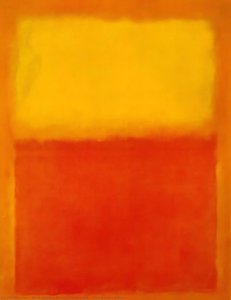 Oransje og gul1956
Essays om No. 5
 Color Fields of Calm: Transform Luxury Interiors with Minimalist Masterpiece ReproductionsElevate your luxury interiors with museum-quality Mark Rothko reproductions. Discover how hand-painted Color Field masterpieces bring profo…
 The Soul of Color: Exploring the Emotional Depth and Existential Resonance of Mark Rothko's MasterpiecesImmerse yourself in the profound emotional landscapes of Mark Rothko. Explore how his revolutionary Color Field paintings use pure pigment …
 Mark Rothkos 25 Mesterverk: Følelser i Farge – Kunst for Ditt Hjem | OriginalUniqueArt.noOppdag Mark Rothkos 25 mest ikoniske malerier! Fordyp deg i abstrakt ekspresjonisme, fargefeltmaling og emosjonell kunsthistorie. Finn insp…