
 Forhåndsvisning
 Send
Send Del med andre
 Vis detaljer

 Last ned bildet
 Liknende objekter
 Røntgenundersøkelse
 Lysbildefremvisning
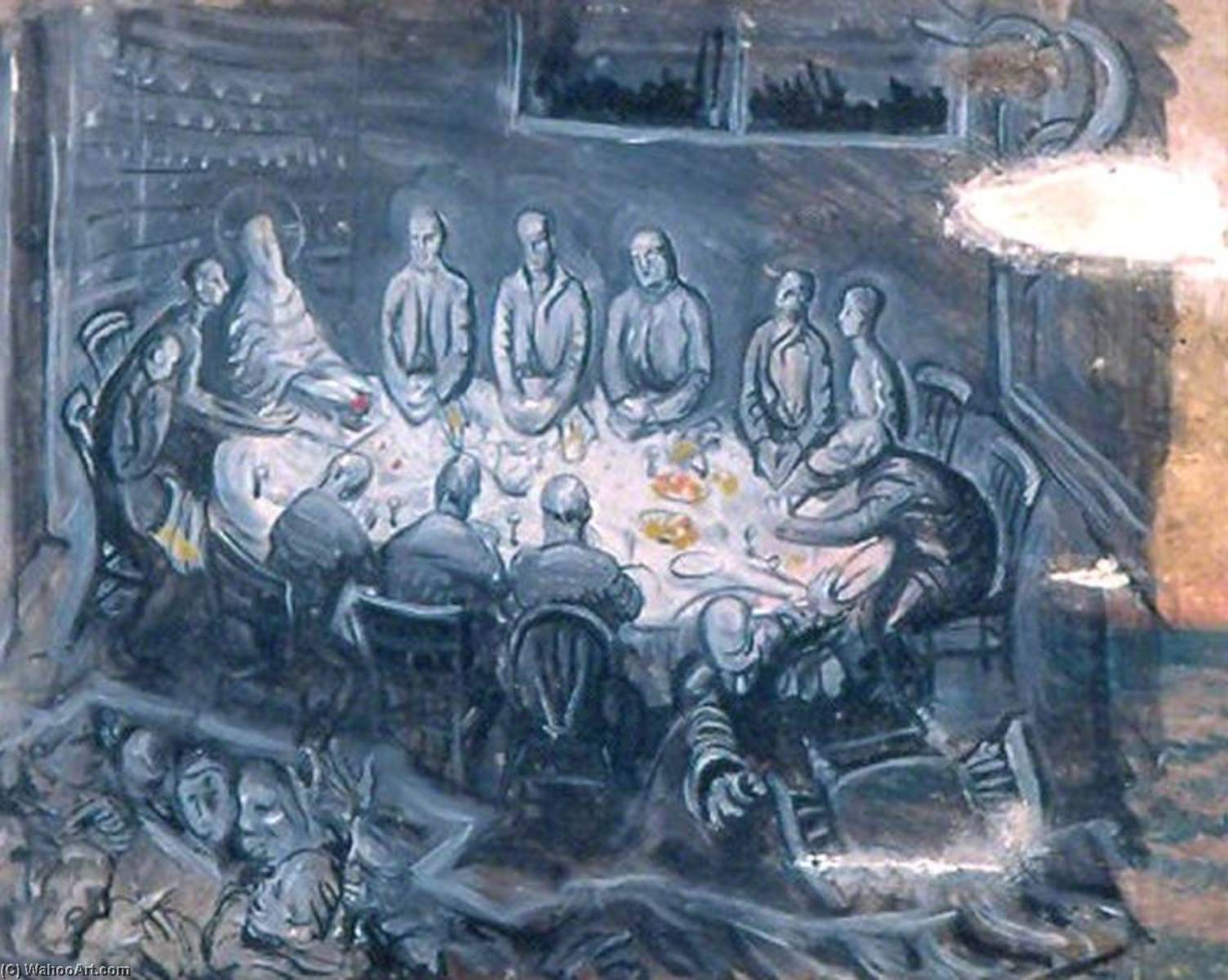
The Last Supper (preparatory study)
 Expressionism
 1933
1933 61.0 x 71.0 cm
 Reading Museum - Town Hall
 Vis hele teksten
Håndlaget oljereproduksjon
Håndmalt olje på lerret i din valgte størrelse og ramme, laget på bestilling av våre kunstnere. ( Kjøp trykk Kjøp bilde)




































Velg mellom våre forhåndsdefinerte størrelser som bevarer kunstverkets opprinnelige proporsjoner.

Du kan angi egne mål for å tilpasse en spesifikk ramme eller plass. Dersom den valgte størrelsen ikke samsvarer med originalbildets proporsjoner, vil vi enten beskjære kunstverket eller utvide maleriet med ytterligere håndmalte elementer. En digital mockup vil bli sendt til din godkjenning før produksjonen starter.
Vennligst merk at forhåndsvisningen på skjermen ikke gjenspeiler den faktiske beskjæringen eller utvidelsen. Kun mockuppen vil vise den endelige komposisjonen nøyaktig.
Selv om tilpassede størrelser er tilgjengelige, anbefaler vi å velge et mål fra den forhåndsdefinerte listen for å bevare de originale proporsjonene.
Etter bestilling vil OriginalUniqueArt.com-teamet sende e-post til kunden for instruksjoner og sende et utkast (mockup) som forhåndsvisning.
Verdensomspennende levering () på 3–4 uker i stedet for standard 5 uker. (20 August). Ingen kompromisser med kvaliteten.

Gratis ekspressfrakt over hele verden

Lerretsduk av høykvalitets lin

Full forsikring under transport

Garanti for refusjon av toll og importavgifter

Garantert korrekt fargegjengivelse

60 dagers returrett (kun ved feil)

100% pengene tilbake-garanti

Rabatt ved flere kjøp
 Glassalternativet er kun tilgjengelig i størrelser under 110 cm

The Last Supper (preparatory study)
Teknikk for reproduksjon
Størrelse på reproduksjon
-


Endelig pris
$ 500
Om kunstneren
Mark Lancelot Symons: A Visionary of Faith and Modernity
Mark Lancelot Symons (1887-1935) remains a compelling, if somewhat enigmatic, figure in British art. Born into a devout Catholic family steeped in artistic tradition – his father, William Christian Symons, was a decorative designer known for his work at Westminster Cathedral – Symons’ life and career were shaped by a complex interplay of faith, artistic ambition, and a willingness to challenge conventional perceptions. He wasn't merely a painter; he was a communicator, attempting to bridge the gap between religious belief and contemporary experience through a uniquely expressive and often unsettling visual language.
Symons’ early life provided him with an exceptional foundation. Educated at a private school in Penzance and later at the Slade School of Fine Art, he initially pursued a path towards priesthood, exhibiting a rigorous dedication to his faith. However, health issues intervened, curtailing this ambition and leading him instead to embrace painting as a means of expressing his spiritual convictions. This shift was significantly influenced by his wife, Constance Gerber, who recognized his artistic potential and encouraged him to pursue it with renewed vigor. His family’s connection to the Catholic Church – including his brother Thomas Symons becoming a monk at Downside Abbey – instilled in him a deep understanding of religious iconography and symbolism, which would profoundly inform his later work.
The Early Years: Pre-Raphaelite Echoes and Religious Devotion
Symons’ artistic development during the 1920s and early 1930s is characterized by a fascinating synthesis of influences. He was deeply affected by the Pre-Raphaelites, particularly their emphasis on luminous color, detailed rendering, and evocative storytelling. This influence is readily apparent in his early works, such as ‘Molly in the Pantry’ (1927) and ‘Baby Ann’s Breakfast’ (1930), both of which depict domestic scenes imbued with a dreamlike quality and a palpable sense of spirituality. These paintings are not simply representations of everyday life; they are carefully constructed allegories, exploring themes of innocence, faith, and the mysteries of existence.
However, Symons’ artistic vision quickly evolved beyond mere imitation of Pre-Raphaelite aesthetics. He began to incorporate elements of Expressionism, utilizing bold brushstrokes, distorted perspectives, and a deliberately unsettling palette to convey emotional intensity and psychological depth. This shift is particularly evident in ‘The Last Supper (preparatory study)’ (1933), a powerful depiction of the crucifixion that eschews traditional representations of suffering for a claustrophobic and emotionally charged portrayal of the event. The painting’s muted colors, dramatic lighting, and unsettling composition create an atmosphere of profound unease, forcing the viewer to confront the brutal reality of Christ's sacrifice.
Westminster Cathedral and Controversy
Symons’ most significant commission came in 1930 when he was tasked with decorating a chapel within Westminster Cathedral. This project provided him with an unprecedented opportunity to showcase his artistic talents on a grand scale, but it also ignited considerable controversy. His mosaics, particularly the ‘Veronica’ panel depicting Mary presenting Christ's wounds, were widely criticized for their unconventional style and perceived irreverence. Critics accused Symons of distorting religious iconography and sacrificing spiritual depth in favor of stylistic innovation.
The controversy surrounding his Westminster Cathedral work significantly shaped Symons’ career trajectory. While he continued to exhibit at the Royal Academy and receive commissions, his reputation was tarnished by the negative publicity generated by the mosaics. Despite this setback, Symons remained steadfast in his artistic vision, continuing to explore themes of faith, mortality, and the human condition through a series of emotionally charged paintings that challenged conventional notions of religious art.
A Legacy of Unconventional Faith
Mark Lancelot Symons’ legacy is one of profound complexity. He was an artist who dared to question established artistic conventions and to express his deeply held faith in a manner that was both challenging and profoundly moving. His work, often characterized by its unsettling imagery and emotional intensity, continues to provoke debate and inspire contemplation. He stands as a testament to the power of art to engage with complex spiritual questions and to offer new perspectives on timeless themes.
Symons’ final years were marked by illness and a growing sense of isolation. He died in 1935, leaving behind a body of work that is both remarkable for its originality and poignant for its exploration of the human condition. His paintings remain powerful reminders of the enduring relevance of faith, art, and the ongoing quest to understand our place in the world.

mark lancelot symons
1887 - 1935
Kort om kunstneren
- Artistic Movement Or Style: Pre-Raphaelite, Religious
- Artists Or Movements Influenced By This Artist:
- Watts
- Symbolism
- Artists Who Influenced This Artist:
- Sargent
- Brabazon
- Date Of Birth: 1887
- Date Of Death: 1935
- Full Name: Mark Lancelot Symons
- Nationality: English
- Notable Artworks:
- Were You There?
- The Last Supper
- Molly in the Pantry
- Place Of Birth: Hampstead, England
Relaterte artikler
Mark Rothkos 25 Mesterverk: Følelser i Farge – Kunst for Ditt Hjem | OriginalUniqueArt.no
Oppdag Mark Rothkos 25 mest ikoniske malerier! Fordyp deg i abstrakt ekspresjonisme, fargefeltmaling og emosjonell kunsthistorie. Finn inspirasjon til ditt hjem med museumskvalitets reproduksjoner på OriginalUniqueArt.com.
Masterpieces of the Last Supper: An Art Historian's Journey Through Iconic Depictions of a Sacred Moment
Explore the profound artistry of The Last Supper through an art historian's lens. From Leonardo da Vinci’s genius to diverse Renaissance interpretations, discover the symbolism and technique behind history's most iconic sacred depictions.
The Soul of Subjectivity: A Collector's Guide to the Raw Emotion and Lasting Power of Expressionist Art
Discover the profound power of Expressionist art. From the raw intensity of Edvard Munch to the visceral textures of Neo-Expressionism, explore how subjective emotion and distorted reality define this movement. An expert guide for discerning collectors seeking depth and soul in fine art.
Topp 10 Ekspresjonistiske Maler som Definerte Bevegelsen – Kunst til Ditt Hjem | OriginalUniqueArt.com
Utforsk de 10 mest ikoniske ekspresjonistiske maleriene fra Munch, Kirchner og Kandinsky. Oppdag historien bak fargeuttrykkene og emosjonell kunst. Finn museumskvalitets reproduksjoner på OriginalUniqueArt.com – inspirasjon for ditt hjem!
Leonardo da Vincis 25 Mesterverk: Kunst, Historie og Inspirasjon for Ditt Hjem
Oppdag Leonardo da Vincis 25 mest ikoniske kunstverk! Fordyp deg i renessansens mesterverk – fra Mona Lisa til Nattverden. Historie, teknikk og inspirasjon for ditt hjem. Finn museumskvalitets reproduksjoner på OriginalUniqueArt.com.

