

 Se i rommet
 Del som digitalt kort
 Del
Del
 Detaljer
 Studentguide

 Last ned
 Liknende objekter
 Røntgen
 Lysbildefremvisning
 Besøksstatistikk
Alpine Landscape
 Acrylic On Canvas
- WallArt
- Neo-Classical Modernism
 1930
1930- 19th Century
 70.0 x 80.0 cm
 Boschi Di Stefano House Museum
 Les mer
Kunstverket som vises på denne siden er beskyttet av opphavsretten, noe som betyr at vi ikke har juridisk tillatelse til å lage eller selge identiske reproduksjoner. Denne beskyttelsen håndheves i henhold til internasjonale avtaler som for eksempel Bernerkonvensjonen og av nasjonale lover, inkludert de som er fastsatt i Amerikansk opphavsrettslov – Tittel 17.
Denne metoden er i fullt samsvar med opphavsrettslige regler, da den ikke innebærer kopiering eller duplisering av det beskyttede kunstverket. I stedet er det snakk om en kreativ nytolkning – et nytt maleri som er inspirert av originalen, men ikke identisk med den.
Giclée / Kunsttrykk
Giclée- eller lerretsprint av museumskvalitet med rask produksjon og fleksible valgmuligheter for etterbehandling. ( Bestill håndmalt reproduksjon Gå til digitalt bilde)




P118B Nkr10

P118H Nkr10

P118W Nkr10

P438Z Nkr10

P508JH Nkr12

P508YH Nkr12

P805H Nkr10

P805Z Nkr10

P919BZ Nkr10

P919G Nkr10

P919XJ Nkr10

P959ZH Nkr10

P968JZ Nkr12

W106C Nkr8

W218G Nkr10

W218JH Nkr8

W218Y Nkr10

W307PJ Nkr10

W316G Nkr10

W316PJ Nkr8

W316Y Nkr10

W398PJ Nkr8

W4111J Nkr10

W500HY Nkr15

W500JH Nkr15

W692G Nkr12

W849H Nkr8

W940BG Nkr15

W953PJ Nkr8




Velg mellom våre forhåndsdefinerte størrelser som bevarer kunstverkets opprinnelige proporsjoner.

Skriv inn bredden og høyden du trenger, slik at den passer til din ramme eller vegg. Et trykk kan kun beskjæres, aldri gjøres større enn bildet, så et format med en annen form vil miste en del av motivet. Vi sender deg en digital mockup for godkjenning før vi trykker noe som helst. Bildet som vises på denne siden viser ikke den faktiske beskjæringen — det er kun mockuppen som gjør det.
Verdensomspennende levering () på 2 uker i stedet for standard 4/5 uker. (21 October)

Gratis ekspressfrakt over hele verden

Lerretsduk av høykvalitets lin

Full transportforsikring

Garanti for refusjon av toll og importavgifter

Garantert fargeekthet

100 dagers returrett ved fabrikasjonsfeil

100% pengene tilbake-garanti

Mengderabatt
 Glassalternativet er kun tilgjengelig i størrelser under 110 cm

Alpine Landscape
Giclée / Kunsttrykk
Format på reproduksjon
-


Totalpris
Nkr 755
Mario Sironi’s ‘Alpine Landscape’: A Study in Quietude and Post-War Reflection
This meticulously crafted hand-painted reproduction of Mario Sironi's “Alpine Landscape” (1930) offers a profound glimpse into the artist’s evolving vision during a pivotal moment in Italian art history. Measuring 70 x 80 cm, the painting immediately draws the viewer into a serene yet subtly melancholic depiction of the Italian Alps. The composition is dominated by a distant mountain range, rendered with a restrained palette and a masterful understanding of atmospheric perspective – hallmarks of Sironi’s mature style. Scattered throughout the scene are buildings, not as flamboyant displays of human activity, but rather as quiet witnesses to the enduring power of nature. These structures, varying in size and placement, subtly introduce an element of human presence without disrupting the overall sense of contemplative isolation.
The Evolution of a Master: Sironi’s Artistic Journey
Born in Sassari, Sardinia, in 1885, Mario Sironi's artistic trajectory was marked by experimentation and a profound shift in sensibility. Initially trained in engineering, he abandoned this path after a debilitating breakdown, recognizing his true calling lay within the realm of art. His early work, exemplified by pieces like “The Student,” reveals an engagement with Divisionism – a technique prioritizing separated colors to achieve luminous effects – reflecting influences from artists like Giovanni Segantini. However, Sironi’s artistic journey took a dramatic turn around 1914 when he briefly embraced Futurism, a movement championing speed and dynamism. Yet, the intensity of this period quickly dissipated, leading him towards a more restrained and introspective approach. Following World War I, Sironi developed his signature style: a monumental, almost monolithic aesthetic characterized by flattened forms, muted colors, and a profound sense of urban alienation – a reflection of the anxieties and uncertainties of the post-war era.
Technique and Materiality: A Legacy of Precision
This reproduction is executed with exceptional attention to detail, faithfully recreating Sironi’s distinctive technique. The artist employed oil paints on canvas, layering thin glazes to build up depth and luminosity. Note the careful rendering of textures – the rough stone of the mountains, the weathered surfaces of the buildings – all contributing to a remarkably realistic effect. The subdued color palette—dominated by grays, blues, and browns—is characteristic of Sironi’s mature style, reflecting his desire to move beyond the expressive gestures of earlier movements and towards a more objective representation of reality. The meticulous brushwork and precise composition demonstrate the artist's dedication to achieving a sense of monumental stillness.
Symbolism and Emotional Resonance
"Alpine Landscape" transcends a simple depiction of a mountain scene; it embodies a deeper philosophical inquiry. The vastness of the mountains, coupled with the isolated buildings, evokes a feeling of human insignificance in the face of nature’s enduring power. The painting's quietude speaks to the post-war disillusionment and the search for meaning that characterized much of European art at the time. It is a testament to Sironi’s ability to capture not just visual reality, but also the emotional weight of his subject matter. This artwork invites contemplation on themes of isolation, resilience, and the relationship between humanity and the natural world – qualities that continue to resonate with viewers today.
Spørsmål og svar
Hva er formatet og størrelsen på "Alpine Landscape"?
Formatet på "Alpine Landscape" er Square, og originalen måler 70 x 80 cm. Begge deler er nyttige når man planlegger en reproduksjon.
Fra hvilket land kommer Neo-Classical Modernism-verket "Alpine Landscape"?
"Alpine Landscape" knytter Neo-Classical Modernism-bevegelsen til Italia gjennom skaperens fødested.
Hvilken underliggende nyanse preger "Alpine Landscape" av Mario Sironi?
En Green to Violet Spectrum nyanse preger "Alpine Landscape" av Mario Sironi.
Kunstnerbiografi
Mario Sironi: Et liv i moderne italiensk kunst
Tidlig liv og utdannelse
- Født 12. mai 1885 i Sassari, Sardinia, Italia.
- Hans far var ingeniør, og hans morfar, Ignazio Villa, var en respektert arkitekt og skulptør – noe som ga ham tidlig eksponering for kunst.
- Studerte opprinnelig ingeniørfag ved Universitetet i Roma, men forlot studiene i 1903 etter et nervøst sammenbrudd. Dette markerte et vendepunkt mot kunsten.
- Begynte sin formelle kunstneriske opplæring ved Scuola Libera del Nudo ved Accademia di Belle Arti di Roma, hvor han møtte sin første betydningsfulle lærer, Giacomo Balla.
Kunstnerisk utvikling og påvirkninger
- Hans tidlige arbeid var sterkt påvirket av divisjonisme, en teknikk som vektlegger adskilte farger for å skape lysstyrke – eksemplifisert i verk som «Studenten».
- Eksperimenterte kortvarig med
- Et avgjørende skifte skjedde etter første verdenskrig, der han utviklet en stil preget av massive, ubevegelige former og geometriske figurer. Dette var påvirket av hans krigserfaringer og en voksende følelse av isolasjon.
- Viktige påvirkninger inkluderte Giacomo Balla (tidlig opplæring), Giorgio de Chirico og Carlo Carrà (den metafysiske maleriets innvirkning på form), samt elementer fra nyklassisisme og primitivistisk klassisisme.
Novecento Italiano og den modne stilen
- I 1922 ble Sironi et grunnleggende medlem av
- Hans modne stil er preget av:
- Vektlegging av geometriske former og forenklede figurer.
- En bevisst klønete eller tung estetikk i de senere verkene.
- Temaer som ensomhet, fremmedgjøring og menneskets tilstand.
- Utforskning av industrielle landskap og arbeiderklassens liv.
- Bemmerkelsesverdige verk fra denne perioden inkluderer «Venere» (1921-1923) og «Solitudine» («Ensomhet», 1925).
Politiske tilknytninger og senere liv
- Sironi var en støttespiller av Benito Mussolini og bidro omfattende til fascistiske publikasjoner med over 1700 tegninger.
- Han trodde på integreringen av kunst og arkitektur, og søkte å skape monumentale verk for offentlige rom – som reflekterte idealene til det fascistiske regimet.
- Etter andre verdenskrig førte hans tilknytning til fascismen til en nedgang i hans popularitet og kritiske anerkjennelse.
- Han trakk seg i stor grad tilbake fra offentligheten og fortsatte å male i relativ isolasjon frem til sin død.
Store prestasjoner og historisk betydning
- Sironis arbeid representerer et betydelig bidrag til italiensk modernisme, og bygger bro mellom futurismen og senere kunstneriske utviklinger.
- Hans utforskning av temaer som ensomhet og fremmedgjøring resonnerte med det 20. århundrets angst.
- Til tross for kontroversene rundt hans politiske tilknytninger, har kunsten hans blitt vist i store internasjonale utstillinger, inkludert ved Centre Georges Pompidou (1981) og Royal Academy i London (1989).
- Hans ettermæle ligger i hans unike stilistiske syntese og hans kraftfulle skildringer av menneskets tilstand i en verden i rask endring.

Mario Sironi
1885 - 1961 , Italia
Kort om kunstneren
- Artistic Movement Or Style: Modernisme, Novecento Italiano, Futurisme
- Artists Or Movements Influenced By This Artist:
- De Chirico
- Carrà
- Artists Who Influenced This Artist: ['Giacomo Balla']
- Date Of Birth: 12 mai 1885
- Date Of Death: 13 aug 1961
- Full Name: Mario Sironi
- Nationality: Italiensk
- Notable Artworks:
- La Lampada
- Venere
- Solitudine
- Place Of Birth: Sassari, Italia
Relaterte artikler

Katsushika Hokusais 25 Mesterverk: Japansk Kunst for Ditt Hjem | OriginalUniqueArt.no
Utforsk Katsushika Hokusais 25 mest ikoniske kunstverk! Oppdag historiene bak The Great Wave, ukiyo-e tresnitt og japansk estetikk. Finn museumskvalitets reproduksjoner & interiørinspirasjon på OriginalUniqueArt.com.

Echoes of Time: Exploring the Enduring Appeal & Historical Context of Vintage Art Prints
Explore the captivating world of vintage art prints! Discover their history, collecting tips & enduring appeal. Expert insights on chromolithography and building a legacy collection with OriginalUniqueArt.

The Enduring Legacy of Fine Art Prints: Technique, History & Aesthetic Impact
Explore the rich history & techniques of fine art prints. Discover investment potential, assess authenticity, and learn how to preserve your collection with expert guidance. Trusted insights for discerning collectors.

Giclée Prints: Archival Quality & Aesthetic Nuances for the Discerning Collector
Explore the world of giclée prints with OriginalUniqueArt. Learn about archival quality, aesthetic nuances & investment potential. Expert guidance for discerning art collectors seeking museum-quality reproductions and lasting value.
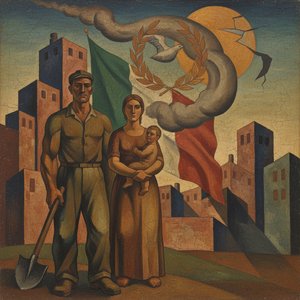
Mario Sironi: A Poetic of Modern Italian Identity Through Symbolism & Social Commentary
Explore the profound works of Mario Sironi, a key figure in Italian Modernism. Discover his evolution from Futurism to Metaphysical painting and his powerful social commentary. Learn about his legacy at OriginalUniqueArt.
