

 Forhåndsvisning
 Send
Send Del med andre
 Vis detaljer

 Last ned bildet
 Liknende objekter
 Røntgenundersøkelse
 Lysbildefremvisning
Autoportrait (1908)

 Vis hele teksten
Giclée / Kunsttrykk
Giclée- eller lerretsprint av museumskvalitet med rask produksjon og fleksible valgmuligheter for etterbehandling. ( Kjøp håndlaget maleri Kjøp bilde)




































Velg mellom våre forhåndsdefinerte størrelser som bevarer kunstverkets opprinnelige proporsjoner.

Du kan oppgi egne mål for å tilpasse en spesifikk ramme eller et bestemt område. Dersom den valgte størrelsen ikke samsvarer med det originale bildets proporsjoner, vil vi enten beskjære kunstverket eller utvide bildet med en speilet eller ensfarget kant. En digital mockup vil bli sendt til din godkjenning før produksjonen starter.
Vennligst merk at forhåndsvisningen på skjermen ikke gjenspeiler den faktiske beskjæringen eller utvidelsen. Kun mockuppen vil vise den endelige komposisjonen nøyaktig.
Selv om tilpassede størrelser er tilgjengelige, anbefaler vi å velge et mål fra den forhåndsdefinerte listen for å bevare de originale proporsjonene.
Verdensomspennende levering () på 2 uker i stedet for standard 4/5 uker. (22 August)

Gratis ekspressfrakt over hele verden

Lerretsduk av høykvalitets lin

Full forsikring under transport

Garanti for refusjon av toll og importavgifter

Garantert korrekt fargegjengivelse

60 dagers returrett (kun ved feil)

100% pengene tilbake-garanti

Rabatt ved flere kjøp
 Glassalternativet er kun tilgjengelig i størrelser under 110 cm

Autoportrait (1908)
Giclée / Kunsttrykk
Størrelse på reproduksjon
-


Endelig pris
$ 80
Om kunstneren
Marie Laurencin (1883–1956): A Parisian Muse
Marie Laurencin emerged from the vibrant artistic landscape of early 20th-century Paris as a distinctive voice, a painter who navigated the complexities of Cubism while forging her own path toward a uniquely feminine aesthetic. Born in 1883, her life was marked by both privilege and independence, shaping an artistic vision that celebrated grace, intimacy, and the subtle power of women.
Raised primarily by her mother following her father’s early death, Laurencin received a foundational education in technique at Sèvres porcelain manufactory before gravitating towards oil painting and enrolling at the Académie Humbert. This formal training provided a solid base, but it was her immersion into the Parisian avant-garde that truly ignited her artistic spirit.
Embracing Modernity: Cubism and the Section d’Or
Laurencin quickly found herself drawn to the revolutionary ideas circulating within the circles of Pablo Picasso and Guillaume Apollinaire. She became an integral part of the *Section d’Or*, a collective of artists—including Jean Metzinger, Albert Gleizes, Robert Delaunay, and Henri Le Fauconnier—dedicated to exploring the principles of Cubism. Exhibiting at the Salon des Indépendents and the Salon d’Automne between 1910 and 1912, Laurencin’s early works demonstrate a clear engagement with the fragmented forms and geometric explorations characteristic of the movement.
Her relationship with Apollinaire solidified her position within this influential milieu; he became both a muse and a champion of her work. Simultaneously, she found kinship and inspiration within Natalie Clifford Barney’s salon—a haven for American expatriates and members of the lesbian community—contributing to a network of artistic and intellectual exchange that profoundly shaped her perspective.
A Feminine Vision: Style and Themes
While deeply influenced by Cubism, Laurencin ultimately transcended its rigid structures, developing a style distinctly her own. She softened the harsh angles and stark geometries favored by Picasso and Braque, opting instead for curvilinear forms and a delicate palette of pastel colors. Her canvases are populated primarily by women—often depicted in groups or intimate portraits—radiating an aura of elegance and quiet contemplation.
Laurencin’s distinctive style blended elements from Rococo painting with Fauvist color palettes and Cubist abstraction, creating a unique synthesis that prioritized grace and subtlety. Recurring motifs included music, historic icons, animals, and young women interacting in idyllic settings—subjects she revisited throughout her career.
Later Years and Lasting Legacy
The outbreak of World War I disrupted Laurencin’s life and career. She sought refuge in Spain with her husband, Baron Otto von Waetjen, losing her French citizenship through marriage—a circumstance that underscored the societal constraints placed upon women at the time.
Following their divorce in 1920, she returned to Paris and enjoyed a period of considerable success throughout the 1920s and 30s. Despite these challenges, Laurencin continued to paint, refining her signature style and exploring new avenues of expression. Today, Marie Laurencin is increasingly recognized as a pivotal figure in early 20th-century art—one of the few female Cubist painters who challenged gender norms and expanded the boundaries of modernism.
Her paintings remain captivating not only for their aesthetic beauty but also for the subtle yet powerful statement they make about femininity, independence, and the pursuit of artistic freedom. Laurencin’s legacy continues to inspire artists and art lovers alike.

Marie Laurencin
1883 - 1956 , Frankrike
Kort om kunstneren
- Artistic Movement Or Style: Cubisme
- Artists Or Movements Influenced By This Artist: ['Fauvisme']
- Artists Who Influenced This Artist:
- Pablo Picasso
- Guillaume Apollinaire
- Date Of Birth: 31 oktober 1883
- Full Name: Marie Laurencin
- Nationality: Fransk
- Notable Artworks:
- Les Biches
- La jeune fille à la robe bleue
- Place Of Birth: Paris, Frankrike
Relaterte artikler

Marie Laurencin: Poetics of Intimacy & Modernity in Early 20th-Century Painting
Explore the captivating world of Marie Laurencin, a key figure in Parisian Cubism & Modern art. Discover her unique feminine aesthetic, intimate portraits, and lasting influence on early 20th-century painting.

Geometrisk Abstraksjon: Topp 10 Mesterverk for Kunstelskere – OriginalUniqueArt.com
Utforsk de 10 mest innflytelsesrike verkene innen geometrisk abstraksjon! Oppdag historiene bak Mondrian, Kandinsky og Malevich. Finn inspirasjon til interiøret med OriginalUniqueArt.coms eksklusive reproduksjoner – museumskvalitet for ditt hjem. Utforsk samlingen online!

Beyond Form & Color: Geometric Abstraction's Evolution in 20th/21st Century Art
Explore the evolution of geometric abstraction from Cubism to contemporary art. Discover key artists like Malevich & Mondrian, investment insights, and expert collecting advice at OriginalUniqueArt.
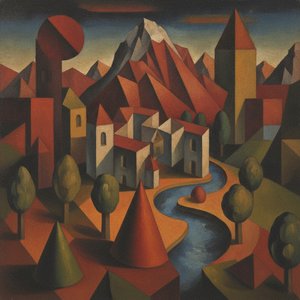
Cubist Landscapes: Redefining Perspective Through Geometric Mastery and the Evolution of Modern Vision
Explore the profound evolution of Cubist landscapes. Discover how masters like Braque and Picasso redefined perspective through geometric mastery, transforming nature into an intellectual mosaic of form and light for the discerning modern art collector.
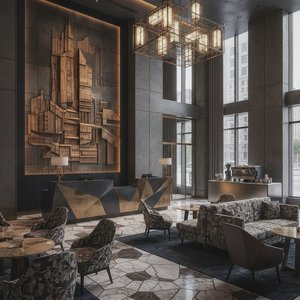
Cubist Expression: A Professional Guide to Integrating Geometric Abstraction into Modern Hospitality Design
Elevate hospitality interiors with Cubist art. Our expert guide explores integrating geometric abstraction into hotel design through high-quality, large-scale oil reproductions and custom multi-panel commissions tailored for professional designers and procurement managers.

