
 Send
Send Del med andre
 Vis detaljer

 Last ned bildet
 Liknende objekter
 Lysbildefremvisning
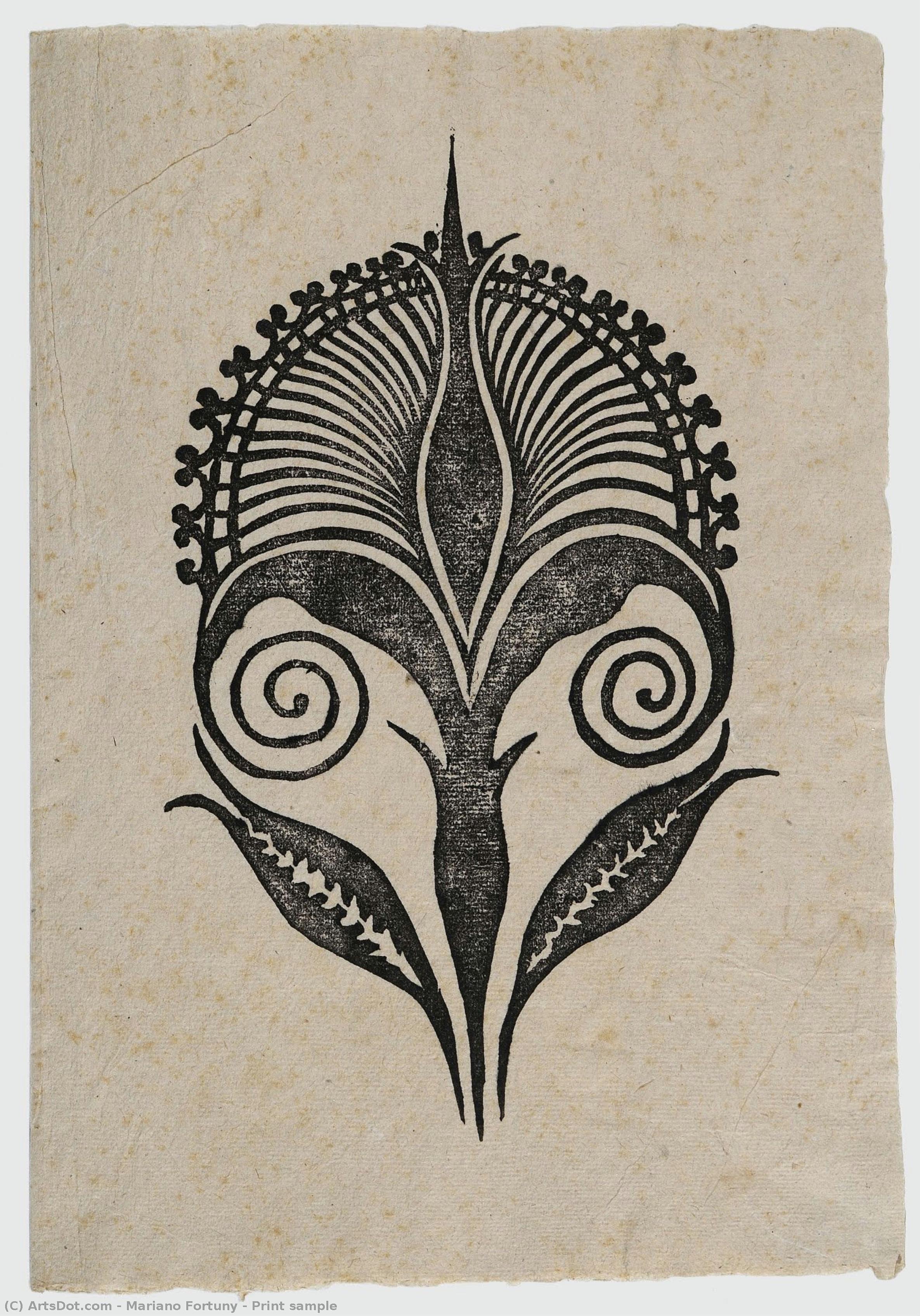
Print sample
 Giclée Print
- Digital
- Art Nouveau
 1905
1905- 19th Century
 39.0 x 27.0 cm
 Palazzo Fortuny
 Vis hele teksten
Kjøp et høyoppløselig, forbedret digitalt bilde som er langt bedre enn forhåndsvisningen på nettet.
Hver fil er omhyggelig klargjort av våre egne spesialister ved hjelp av avanserte verktøy og profesjonell manuell retusjering. Vi sørger for at hvert bilde har eksepsjonell klarhet, presis fargegjengivelse og fine detaljer.
Den endelige filen leveres via e-post innen 72 timer, optimalisert for umiddelbar bruk i profesjonelle, redaksjonelle og trykte miljøer. Dette er den samme kvaliteten som benyttes av ledende designstudioer, utgivere og gallerier.
Digitalt bilde
Last ned en høyoppløselig fil for personlig bruk, utskrift og kreative prosjekter. ( Kjøp trykk Kjøp håndlaget maleri)
Inkludert i alle bestillinger av digitale bilder
Ekspert digital levering, garantert
Når du velger OriginalUniqueArt.com, får du ikke bare et bilde – du mottar et profesjonelt forbedret digitalt kunstverk, skapt med presisjon og med en garantert tilfredshetsgaranti. Her er alt som automatisk følger med din bestilling:

Rask digital levering
Din høyoppløselige digitale bildefil sendes til din e-post innen 72 timer etter bestilling – klar til umiddelbar bruk.

KI-forbedret digital fil
Ditt kunstverk blir profesjonelt optimalisert ved hjelp av avanserte AI-verktøy og manuell redigering, noe som sikrer maksimal detaljrikdom, klarhet og fargegjengivelse.

Gratis livslang nyutlevering
Har du ved et uhell slettet eller mistet filen din? Ingen bekymring – vi sender den på nytt når som helst, helt gratis.

Ingen importavgifter – noen gang
Nyt ditt kunstverk umiddelbart uten toll, avgifter eller leveringskostnader – digitale nedlastinger er alltid avgiftsfrie.

Garantert fargenøyaktighet
Vi sikrer at ditt digitale bilde gjenspeiler de originale fargene så nøyaktig som mulig ved hjelp av profesjonelle verktøy og fargehåndtering.

60 dagers tilfredshetsgaranti
Hvis du ikke er fornøyd med ditt digitale bilde, vil vi revidere det eller refundere 100% innen 60 dager – uten spørsmål.

100% Penggaranti
Ikke fornøyd? Få full refusjon innen 60 dager etter at du har mottatt din digitale fil – uten spørsmål.

Rabatt ved storkjøp
Kjøp 3 bilder, spar 10% - Kjøp 5, spar 15% - Kjøp 10+, spar 20%. Ideelt for kreative prosjekter, gallerier og byråer.
Beskrivelse av samlerobjektet
Mariano Fortuny’s “Print Sample”: A Whisper of Venetian Ornamentation
The photograph captures a meticulously crafted print by Mariano Fortuny y Marsal, a Spanish artist who irrevocably altered the landscape of theatrical design and textile artistry. Executed around 1905 in tempera on paper – measuring 396 × 275 mm – “Print Sample” embodies Fortuny’s signature blend of Orientalist influences and geometric precision, offering a glimpse into his artistic vision during a pivotal moment in European art history. Its muted palette and subtle tonal variations speak volumes about the artist's mastery of technique and his dedication to capturing an ethereal beauty.Composition & Technique: Spirals Within Spirals
The print’s central motif is dominated by swirling, spiral patterns emanating from a prominent apex at the top. These spirals gracefully descend towards pointed extensions at the bottom, creating a dynamic visual rhythm that draws the eye inwards. Fine lines weave throughout the design, establishing an intricate framework and contributing to a palpable sense of delicacy. The artist skillfully employs repetition—the spiraling forms reappear across multiple layers—to amplify their impact and generate an illusion of depth. This technique aligns perfectly with Fortuny’s pioneering work in cyclorama projection, where he sought to simulate natural light and create immersive theatrical experiences.Historical Context & Artistic Style: Art Nouveau's Delicate Embrace
Fortuny’s artistic output flourished during the Belle Époque, a period characterized by opulent ornamentation and fascination with exotic cultures—particularly Persia and Morocco. “Print Sample” reflects this aesthetic sensibility through its organic lines reminiscent of Art Nouveau, prioritizing flowing curves and vegetal motifs. The stylized mask-like form at the core of the design carries symbolic weight, hinting at themes of identity, concealment, and ritualistic contemplation – concepts prevalent in Eastern artistic traditions. Fortuny’s meticulous attention to detail—evident in the paper's grain texture and subtle tonal variations—underscores his commitment to capturing a refined aesthetic ideal.Symbolism & Emotional Resonance: An Echo of Transformation
Beyond its formal qualities, “Print Sample” evokes an emotional response rooted in notions of metamorphosis and ethereal beauty. The spiraling patterns symbolize movement, dynamism, and the cyclical nature of existence – mirroring Fortuny’s fascination with natural phenomena and his belief in the transformative power of art. Viewing this print is akin to embarking on a visual journey—a contemplation of form, texture, and subtle color harmonies that linger long after the gaze has moved on. It stands as testament to Fortuny's ability to distill complex ideas into deceptively simple yet profoundly evocative imagery.Materials & Reproduction Considerations
The print itself utilizes tempera paint on paper – a medium favored by Fortuny for its luminosity and ability to achieve nuanced tonal gradations. Reproductions should prioritize archival quality paper stock and pigment inks to faithfully preserve the original artwork's delicate surface texture and subtle color palette. Selecting a reputable printing house ensures that collectors experience the same captivating visual impact as Fortuny himself intended, transporting them into the heart of Venetian artistic innovation.Om kunstneren
Early Life and Inspiration
Mariano Fortuny, a name synonymous with theatrical innovation and exquisite textiles, was born in Granada, Spain, on May 11, 1871. His early life was marked by profound loss – his father, Mariano Fortuny y Marsal, a celebrated genre painter, tragically passed away when the young boy was just three years old. This event profoundly shaped his family’s trajectory, leading them to relocate to Paris, France, where his mother, Cecilia de Madrazo, fostered his artistic development and introduced him to the world of luxurious fabrics and textiles. From a tender age, Mariano displayed an extraordinary talent for various art forms: painting, photography, sculpting, architecture, etching, and even theatrical stage lighting—a diverse range that foreshadowed his future as a polymath. The family’s exposure to these materials, particularly during their time in Paris, would become a cornerstone of his creative vision. His mother's background as an artist herself instilled in him a deep appreciation for artistic heritage and technique.Artistic Talents and Revolutionary Inventions
Mariano Fortuny quickly established himself as a prodigious talent, demonstrating skills across multiple disciplines with remarkable speed. He wasn’t merely a painter; he was an inventor, a designer, and a visionary. His early work showcased a keen eye for detail and a fascination with capturing the essence of movement and light—qualities that would later define his theatrical innovations. Crucially, Fortuny's artistic journey was intertwined with a relentless pursuit of technological advancement. Between 1901 and 1934, he patented over twenty groundbreaking inventions, fundamentally altering the landscape of theater design. His most celebrated creation is undoubtedly the *fortuny cyclorama dome*, a quarter-dome structure constructed from plaster or cloth, ingeniously designed to create seamless transitions between scenes through the strategic use of indirect lighting. His treatise, “Eclairage Scenique” (1904), meticulously documented his revolutionary approach to reflecting light off various surfaces, manipulating its color, intensity, and overall effect—a scientific method applied to artistic expression. This wasn’t simply about illumination; it was about crafting an immersive experience for the audience.Collaborations and Recognition
Fortuny's work gained significant recognition in the 1920s, catapulting him into the international spotlight. His collaborations with prominent figures cemented his place in art history. He worked closely with Richard Wagner, the German composer, whose operas deeply influenced his artistic sensibilities, inspiring scenes filled with dramatic intensity and evocative atmosphere. His installation of the cyclorama dome at La Scala opera house in Milan was a monumental undertaking—a testament to his engineering prowess and artistic vision. Adapting the dome for the larger theater space presented significant challenges, which he masterfully overcame by inventing a sophisticated suction fan system to maintain its taut structure. Fortuny’s influence extended beyond music; he collaborated with stage designers and performers, shaping the very fabric of theatrical spectacle.Legacy and Lasting Influence
Mariano Fortuny passed away on May 3, 1949, in Venice, Italy, leaving behind a legacy that continues to resonate today. His work profoundly impacted French novelist Marcel Proust, who drew inspiration from Fortuny’s artistic world for his epic novel *In Search of Lost Time*. Fortuny's life and achievements were also depicted in Pere Gimferrer’s novel *Fortuny*, further solidifying his place in literary history. Beyond the immediate impact on theatrical design, Fortuny’s innovations—particularly in textile printing and lighting technology—laid the groundwork for future developments in both fields. His dedication to blending art, science, and engineering established him as a true pioneer, whose influence can still be felt across multiple creative disciplines. Explore more about Mariano Fortuny's inventions and designs at OriginalUniqueArt’s collection. Discover the impact of his work on theatrical lighting in the museum destroyed by fire (united states), a story of an unfortunate event that shaped american art history, available at OriginalUniqueArt’s blog.
Mariano Fortuny
1871 - 1949 , Spania
Kort om kunstneren
- Artistic Movement Or Style: Orientalism kunst
- Artists Or Movements Influenced By This Artist: ['Marcel Proust']
- Artists Who Influenced This Artist: ['Richard Wagner']
- Date Of Birth: 11 mai 1871
- Date Of Death: 3 mai 1949
- Full Name: Mariano Fortuny y Marsal
- Nationality: Spansk
- Notable Artworks:
- Teagown
- Portrett av Henriette Fortuny
- Place Of Birth: Granada, Spania

