 Forhåndsvisning
 Send
Send Del
Del
 Vis detaljer
 Utskriftsvennlig guide

 Last ned bilde
 Liknende objekter
 Røntgenundersøkelse
 Lysbildefremvisning
 Spørsmål og svar
 Statistikk
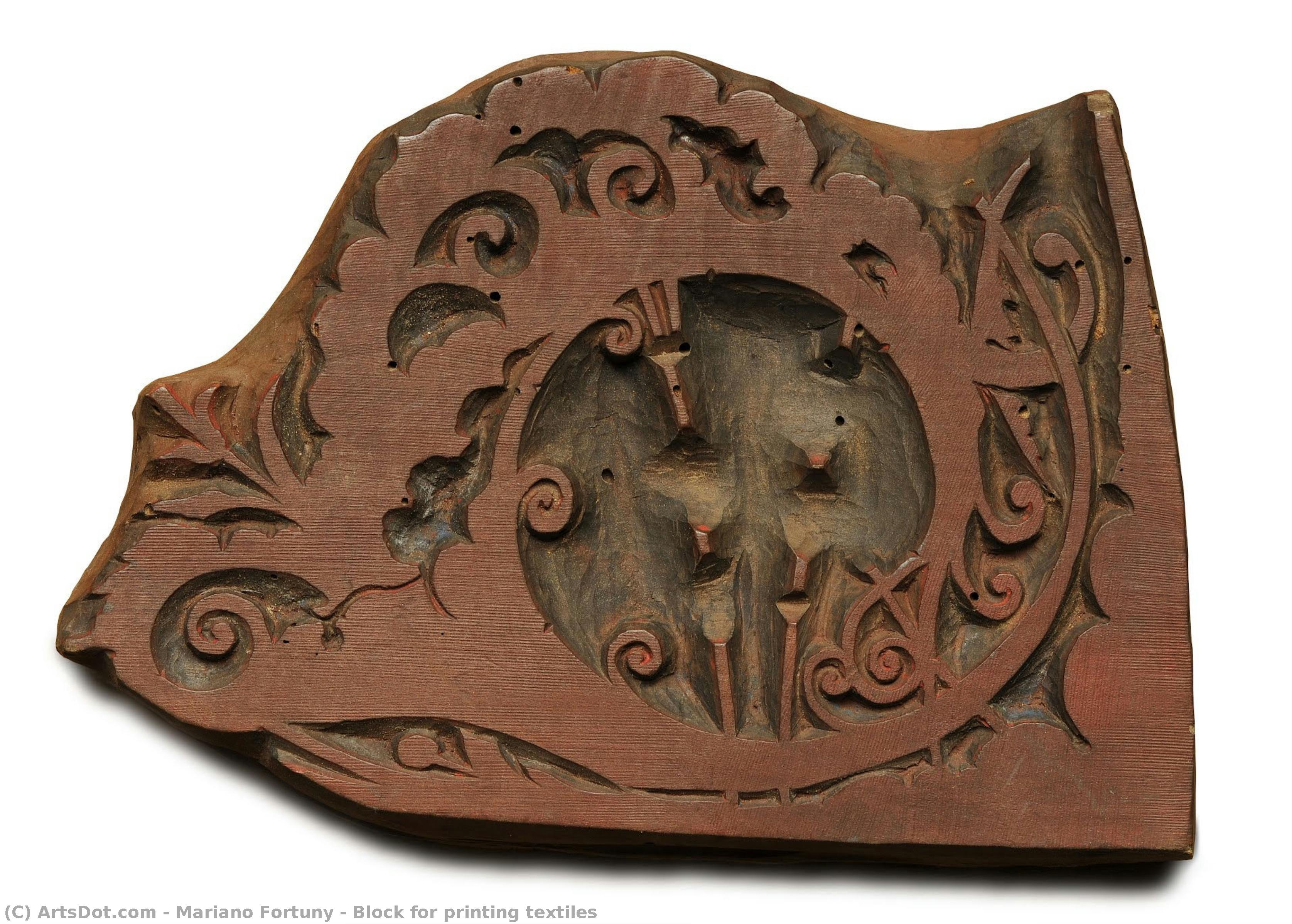
Block for printing textiles


 Vis hele teksten
Få en utskriftsklar fil som går langt utover forhåndsvisningen på nett. Hvert digitale bilde vi selger er hentet fra en høyoppløselig master i vår database – vanligvis mellom 5 000 og 15 000 piksler bred – slik at du kan trykke stort, beskjære tett eller gjenskape fine detaljer med full trygghet.
Ingen filer forlater studioet vårt uten å bli bearbeidet. En digital ekspert kontrollerer fargene mot det originale maleriet og korrigerer dem ved behov, for deretter å forbedre klarhet og detaljrikdom med profesjonelle retusjeringsverktøy — alltid tro mot kunstnerens penselstrøk og stil. Resultatet er et bilde som fremstår som selve maleriet, ikke som en skann med filter.
Du godkjenner før ferdigstilling: vår ekspert sender bildet på e-post til din vurdering innen 72 timer. Ikke fornøyd? Be om forbedringer eller korrigeringer, eller be om refusjon dersom kvaliteten ikke svarer til forventningene.
Dette er kvaliteten forlag, designstudioer, gallerier og trykkerier stoler på.
Digitalt bilde
Last ned en høyoppløselig fil til personlig bruk, utskrift og kreative prosjekter. ( Bytt til trykk Kjøp håndmalt maleri)
Inkludert i alle bestillinger av digitale bilder
Ekspert på digital levering, garantert
Når du velger OriginalUniqueArt.com, får du ikke bare et bilde – du mottar et profesjonelt etterbehandlet digitalt kunstverk, skapt med presisjon og med en garantert tilfredshetsgaranti. Her er alt som automatisk følger med din bestilling:

Rask levering på e-post
Din høyoppløselige digitale bildefil sendes til din e-post innen 72 timer etter bestilling – klar til umiddelbar bruk.

KI-forbedret digital fil
Ditt kunstverk blir profesjonelt optimalisert ved hjelp av avanserte AI-verktøy og manuell redigering, noe som sikrer maksimal detaljrikdom, klarhet og fargegjengivelse.

Gratis livslang nyutlevering
Har du ved et uhell slettet eller mistet filen din? Ingen bekymring – vi sender den på nytt når som helst, helt gratis.

Ingen importavgifter – noen gang
Nyt ditt kunstverk umiddelbart uten toll, avgifter eller leveringskostnader – digitale nedlastinger er alltid avgiftsfrie.

Garantert fargenøyaktighet
Vi sikrer at det digitale bildet gjenspeiler de originale fargene så nøyaktig som mulig ved hjelp av profesjonelle verktøy og fargehåndtering.

100 dagers fornøydhetsgaranti
Hvis du ikke er fornøyd med ditt digitale bilde, vil vi revidere det eller refundere 100% innen 100 dager – uten spørsmål.

100% Penggaranti
Ikke fornøyd? Få full refusjon innen 100 dager etter at du har mottatt din digitale fil – uten spørsmål.

Rabatt ved storkjøp
Kjøp 3 bilder, spar 10% - Kjøp 5, spar 15% - Kjøp 10+, spar 20%. Ideelt for kreative prosjekter, gallerier og byråer.
A Whisper of Geometry: Unveiling Mariano Fortuny’s ‘Block for Printing Textiles’
Mariano Fortuny y Madrazo, a name synonymous with the opulent elegance of 19th-century Spain and beyond, wasn't merely a painter; he was a revolutionary designer, a master craftsman, and an inventor who fundamentally reshaped the world of theatrical lighting and textile production. His ‘Block for Printing Textiles’ (1905), now meticulously reproduced by OriginalUniqueArt.com, offers a rare glimpse into this multifaceted genius – a tangible embodiment of his fascination with geometry, Celtic motifs, and the interplay of light and shadow. This isn't simply a decorative block; it’s a concentrated distillation of Fortuny’s artistic vision, a testament to his meticulous hand, and a window into a period of intense experimentation and innovation.
The Language of Form: Geometry and Celtic Echoes
At first glance, the block’s surface appears deceptively simple – a dense arrangement of swirling lines and geometric shapes rendered in shades of reddish-brown. However, closer inspection reveals a complex tapestry of interlocking patterns, echoing the intricate designs found in Celtic knotwork. Fortuny was deeply influenced by Orientalist art, particularly the decorative motifs of Morocco, but he also possessed a profound appreciation for ancient European traditions, evident in this subtle homage to the Celtic aesthetic. The precise execution suggests a deliberate attempt to capture not just visual form, but also the inherent dynamism and interconnectedness of these patterns – a concept central to Fortuny’s broader artistic philosophy.
A Legacy Forged in Light: Technique and Innovation
The creation of this block represents a pivotal moment in Fortuny's career. He was actively experimenting with new techniques for creating theatrical lighting, particularly his ‘cyclorama dome,’ a revolutionary device that utilized reflected light to create seamless transitions between scenes in grand opera houses. This block is believed to be a prototype or working model for these larger-scale installations – a miniature representation of the complex systems he devised to manipulate and control light. The meticulous carving demonstrates an extraordinary level of skill, requiring not only artistic vision but also a deep understanding of materials and their properties. Fortuny’s inventive spirit extended beyond lighting; his patents reveal a relentless pursuit of innovation in various fields, including textiles, ceramics, and even furniture design.
Beyond Decoration: Symbolism and the Fortuny Aesthetic
While undeniably beautiful, ‘Block for Printing Textiles’ transcends mere decorative function. It embodies Fortuny's broader aesthetic – one characterized by a harmonious blend of geometry, asymmetry, and a subtle sense of mystery. The swirling patterns evoke movement and dynamism, while the restrained color palette creates an atmosphere of sophisticated elegance. Fortuny sought to capture not just the appearance of reality but also its underlying essence—a pursuit reflected in his meticulous attention to detail and his innovative use of light and shadow. This block is a tangible manifestation of that quest – a miniature world brimming with artistic intention.
Collecting a Masterpiece: Reproduction and Preservation
OriginalUniqueArt.com offers high-quality, hand-painted reproductions of this extraordinary work by Mariano Fortuny. Each reproduction meticulously recreates the original block’s intricate details, capturing its unique texture and color palette. Choosing a reproduction allows you to bring this captivating piece into your home or office, celebrating Fortuny's legacy while preserving the integrity of his artistic vision. Explore our selection today and experience the enduring beauty of ‘Block for Printing Textiles.’
Spørsmål og svar
Når ble "Block for printing textiles" skapt, og hvilken kunstretning tilhører den?
"Block for printing textiles" ble laget i 1905, innenfor Art Nouveau-retningen.
Finnes det en guide for "Block for printing textiles" av Mariano Fortuny?
En Faktablad for studenter-side er tilgjengelig for "Block for printing textiles" av Mariano Fortuny: et utskrivbart faktablad om kunstverket, designet for studenter og bruk i klasserommet.
Hvilket medium er "Block for printing textiles" av Mariano Fortuny utført i?
Mariano Fortuny brukte Woodblock Print-teknikken i "Block for printing textiles". Teknikken definerer det materielle uttrykket til det originale verket.
Om kunstneren
Early Life and Inspiration
Mariano Fortuny, a name synonymous with theatrical innovation and exquisite textiles, was born in Granada, Spain, on May 11, 1871. His early life was marked by profound loss – his father, Mariano Fortuny y Marsal, a celebrated genre painter, tragically passed away when the young boy was just three years old. This event profoundly shaped his family’s trajectory, leading them to relocate to Paris, France, where his mother, Cecilia de Madrazo, fostered his artistic development and introduced him to the world of luxurious fabrics and textiles. From a tender age, Mariano displayed an extraordinary talent for various art forms: painting, photography, sculpting, architecture, etching, and even theatrical stage lighting—a diverse range that foreshadowed his future as a polymath. The family’s exposure to these materials, particularly during their time in Paris, would become a cornerstone of his creative vision. His mother's background as an artist herself instilled in him a deep appreciation for artistic heritage and technique.Artistic Talents and Revolutionary Inventions
Mariano Fortuny quickly established himself as a prodigious talent, demonstrating skills across multiple disciplines with remarkable speed. He wasn’t merely a painter; he was an inventor, a designer, and a visionary. His early work showcased a keen eye for detail and a fascination with capturing the essence of movement and light—qualities that would later define his theatrical innovations. Crucially, Fortuny's artistic journey was intertwined with a relentless pursuit of technological advancement. Between 1901 and 1934, he patented over twenty groundbreaking inventions, fundamentally altering the landscape of theater design. His most celebrated creation is undoubtedly the *fortuny cyclorama dome*, a quarter-dome structure constructed from plaster or cloth, ingeniously designed to create seamless transitions between scenes through the strategic use of indirect lighting. His treatise, “Eclairage Scenique” (1904), meticulously documented his revolutionary approach to reflecting light off various surfaces, manipulating its color, intensity, and overall effect—a scientific method applied to artistic expression. This wasn’t simply about illumination; it was about crafting an immersive experience for the audience.Collaborations and Recognition
Fortuny's work gained significant recognition in the 1920s, catapulting him into the international spotlight. His collaborations with prominent figures cemented his place in art history. He worked closely with Richard Wagner, the German composer, whose operas deeply influenced his artistic sensibilities, inspiring scenes filled with dramatic intensity and evocative atmosphere. His installation of the cyclorama dome at La Scala opera house in Milan was a monumental undertaking—a testament to his engineering prowess and artistic vision. Adapting the dome for the larger theater space presented significant challenges, which he masterfully overcame by inventing a sophisticated suction fan system to maintain its taut structure. Fortuny’s influence extended beyond music; he collaborated with stage designers and performers, shaping the very fabric of theatrical spectacle.Legacy and Lasting Influence
Mariano Fortuny passed away on May 3, 1949, in Venice, Italy, leaving behind a legacy that continues to resonate today. His work profoundly impacted French novelist Marcel Proust, who drew inspiration from Fortuny’s artistic world for his epic novel *In Search of Lost Time*. Fortuny's life and achievements were also depicted in Pere Gimferrer’s novel *Fortuny*, further solidifying his place in literary history. Beyond the immediate impact on theatrical design, Fortuny’s innovations—particularly in textile printing and lighting technology—laid the groundwork for future developments in both fields. His dedication to blending art, science, and engineering established him as a true pioneer, whose influence can still be felt across multiple creative disciplines. Explore more about Mariano Fortuny's inventions and designs at OriginalUniqueArt’s collection. Discover the impact of his work on theatrical lighting in the museum destroyed by fire (united states), a story of an unfortunate event that shaped american art history, available at OriginalUniqueArt’s blog.
Mariano Fortuny
1871 - 1949 , Spania
Kort om kunstneren
- Artistic Movement Or Style: Orientalism kunst
- Artists Or Movements Influenced By This Artist: ['Marcel Proust']
- Artists Who Influenced This Artist: ['Richard Wagner']
- Date Of Birth: 11 mai 1871
- Date Of Death: 3 mai 1949
- Full Name: Mariano Fortuny y Marsal
- Nationality: Spansk
- Notable Artworks:
- Teagown
- Portrett av Henriette Fortuny
- Place Of Birth: Granada, Spania