- Forsiden

- Trykk på lerret
- luis de carbajal
- Circumcision

 Bestill maleri Kjøp digitalt bilde
 Send
Send
 Del med andre
 Vis detaljer
 Legg til i favoritter

 Last ned bildet
 Liknende objekter
 Røntgenundersøkelse
 Lysbildefremvisning
Circumcision
 Akryl på lerret
- Veggkunst
- Baroque Revival
 1580
1580 95.0 x 73.0 cm
 Eremitasjen
 Vis hele teksten
Giclée / Kunsttrykk
Giclée- eller lerretsprint av museumskvalitet med rask produksjon og fleksible valgmuligheter for etterbehandling.




P118B $10

P118H $10

P118W $10

P438Z $10

P508JH $12

P508YH $12

P805H $10

P805Z $10

P919BZ $10

P919G $10

P919XJ $10

P959ZH $10

P968JZ $12

W106C $8

W218G $10

W218JH $8

W218Y $10

W307PJ $10

W316G $10

W316PJ $8

W316Y $10

W398PJ $8

W4111J $10

W500HY $15

W500JH $15

W692G $12

W849H $8

W940BG $15

W953PJ $8




Velg mellom våre forhåndsdefinerte størrelser som bevarer kunstverkets opprinnelige proporsjoner.

Du kan oppgi egne mål for å tilpasse en spesifikk ramme eller et bestemt område. Dersom den valgte størrelsen ikke samsvarer med det originale bildets proporsjoner, vil vi enten beskjære kunstverket eller utvide bildet med en speilet eller ensfarget kant. En digital mockup vil bli sendt til din godkjenning før produksjonen starter.
Vennligst merk at forhåndsvisningen på skjermen ikke gjenspeiler den faktiske beskjæringen eller utvidelsen. Kun mockuppen vil vise den endelige komposisjonen nøyaktig.
Selv om tilpassede størrelser er tilgjengelige, anbefaler vi å velge et mål fra den forhåndsdefinerte listen for å bevare de originale proporsjonene.
Verdensomspennende levering () på 2 uker i stedet for standard 4/5 uker. (23 July)

Gratis ekspressfrakt over hele verden

Lerretsduk av høykvalitets lin

Full forsikring under transport

Garanti for refusjon av toll og importavgifter

Garantert korrekt fargegjengivelse

60 dagers returrett (kun ved feil)

100% pengene tilbake-garanti

Rabatt ved flere kjøp
 Glassalternativet er kun tilgjengelig i størrelser under 110 cm

Circumcision
Giclée / Kunsttrykk
Størrelse på reproduksjon
-


Endelig pris
-
Beskrivelse av samleobjektet
Luis de Carbajal: En Toledo’s Catedral – Una Voz Renovada en el Arte Religioso
Luis de Carbajal (c. 1531 – después de 1618), nacido en Toledo, España, ocupa un lugar destacado entre los pintores españoles del Renacimiento, especialmente reconocido por sus monumentales retablos catedralicios que encarnan la grandeza y fervor espiritual de la época. Aunque eclipsado por contemporáneos como El Greco—con quien compartió una formación artística temprana—Carvajal consolidó su posición en la historia del arte como figura clave en el renacer artístico de Toledo y maestro intérprete de las sensibilidades góticas adaptadas al espíritu humanista emergente. Su producción artística abarcó décadas, dejando atrás un legado impresionante que continúa inspirando admiración por su meticulosa precisión técnica y fuerza expresiva emocional. ### La Influencia Gótica Renovada: Una Herencia Medieval en el Nuevo Mundo Artístico La formación de Carbajal estuvo marcada por una profunda conexión con Toledo, ciudad impregnada de tradición religiosa y receptiva a las ideas europeas que circulaban desde Italia. Esta influencia fue particularmente notable bajo la tutela de Juan Bautista Monegro, otro escultor destacado de Toledo, quien compartió su pasión por el arte clásico y promovió un diálogo estilístico que impulsaría la visión artística de Carbajal. Este encuentro temprano con El Greco—un artista cuyo estilo manierista dominaba el panorama artístico español—fue esencial para comprender las complejidades del lenguaje visual de la época y establecer una estética que buscara trascender los límites tradicionales sin renunciar a la belleza sublime. Esta mezcla de inspiración medieval y sensibilidad renacentista es evidente en toda su obra, donde elementos como draperías estilizadas y figuras alargadas evocan la solemnidad y reverencia asociadas con el arte gótico antiguo. ### Retablos Catedralicios: Manifestaciones Monumentales de Fe Cristiana La fama de Carbajal reside principalmente en sus retablos catedralicios—un género que floreció durante el reinado Habsburgo y sirvió como vehículo poderoso para difundir narrativas teológicas. Estos impresionantes conjuntos escultóricos y pictóricos buscaban transmitir mensajes religiosos complejos con una claridad excepcional, utilizando técnicas innovadoras como el uso del óleo sobre lienzo para lograr efectos luminosos y capturar la profundidad emocional de los personajes representados. Carbajal abordó esta tarea con maestría, aplicando meticulosamente capas translúcidas de pintura para crear imágenes que parecieran iluminarse desde dentro, reflejando así la esencia misma de la fe cristiana. Como ejemplo paradigmático de este estilo artístico, el retablo dedicado a San Cosme y San Damián en la Catedral de Toledo ejemplifica la habilidad técnica del artista y su capacidad para comunicar sentimientos religiosos profundos. La composición arquitectónica del templo refuerza el mensaje espiritual transmitido por la obra, creando una experiencia estética que invita a la contemplación y al encuentro con lo divino. ### Detalles Técnicos y Simbolismo Profundo: Una Exploración de la Luz y la Forma La maestría técnica de Carbajal se manifiesta en cada pincelada, donde la precisión anatómica y el conocimiento profundo de las proporciones clásicas armonizan con una sensibilidad estética que busca expresar emociones humanas complejas. Los artistas manieristas como Carbajal eran capaces de crear obras que trascendían la mera representación visual, convirtiéndose en vehículos de reflexión filosófica y espiritual. El uso del óleo sobre lienzo permitió lograr efectos luminosos impresionantes—una característica distintiva del estilo manierista—que resaltaban las cualidades escultóricas de las figuras pintadas y contribuían a generar una atmósfera cargada de emoción. Además, Carbajal empleaba símbolos religiosos tradicionales para comunicar mensajes complejos relacionados con la doctrina cristiana y la historia de la Iglesia Católica. Estos símbolos eran cuidadosamente seleccionados y colocados en posiciones estratégicas dentro del conjunto artístico para reforzar el mensaje espiritual deseado y estimular la contemplación del espectador. ### Legado Duradero: Una Voz Renovada en el Arte Español Hoy en día, las obras maestras de Carbajal permanecen principalmente en el Museo del Prado de Madrid, donde siguen cautivando a visitantes con su belleza excepcional y profundidad emocional. Estudios recientes han iluminado la importancia de su trabajo dentro del contexto más amplio del renacer artístico español—un período marcado por una nueva apreciación de los ideales clásicos junto con una devoción constante a la fe cristiana. Carbajal sigue siendo considerado uno de los artistas más influyentes de su época, cuyo legado continúa inspirando admiración y cuyo estilo único permanece como testimonio de la capacidad humana para crear obras maestras que trascienden el tiempo y siguen resonando en el espíritu artístico contemporáneo.Om kunstneren
Luis de Carbajal: A Toledo Master Shaping Gothic Faith
Luis de Carbajal (c. 1531 – after 1618), born in Toledo, Spain, stands as one of the most prolific and influential painters of the Spanish Renaissance, particularly renowned for his monumental cathedral altarpieces that embody the grandeur and spiritual fervor of the era. While overshadowed by contemporaries like El Greco—with whom he shared a formative artistic connection—Carvajal’s distinctive style cemented his place in art history as a pivotal figure in Toledo’s artistic revival and a masterful interpreter of Gothic sensibilities adapted to the burgeoning humanist spirit.- Early Life & Artistic Training: Carbajal's origins remain somewhat obscure, though he was undoubtedly educated within the vibrant intellectual milieu of Toledo, a city steeped in religious tradition and increasingly receptive to European ideas circulating from Italy. His formative years coincided with El Greco’s arrival in Toledo, establishing himself as a teacher and profoundly impacting Carbajal’s artistic vision. This mentorship instilled a deep appreciation for dramatic chiaroscuro—the interplay of light and shadow—a technique that would become a hallmark of Carbajal's oeuvre.
- The Gothic Influence: Unlike El Greco’s ethereal mysticism, Carbajal’s paintings retain an unwavering grounding in the architectural vocabulary of Gothic churches. He meticulously studied cathedrals like Toledo Cathedral itself, absorbing their soaring vaults, ribbed arches, and stained glass windows—elements he skillfully incorporated into his compositions to convey a sense of awe and reverence. This stylistic choice reflects not merely aesthetic preference but also a deliberate engagement with the theological concerns of the time.
- Notable Works & Artistic Style: Carbajal’s output spanned decades, producing an astonishing number of paintings – estimated at over 300 – primarily focused on religious subjects. His most celebrated achievements include the monumental altarpiece for Toledo Cathedral (completed in 1591), depicting scenes from the Passion of Christ and embodying the apex of Gothic artistic expression. Other significant commissions included works for monasteries and noble patrons, showcasing his mastery of color palettes—often rich hues accented by gold leaf—and meticulous detail.
- El Greco’s Legacy & Artistic Dialogue: Carbajal's relationship with El Greco was complex yet undeniably formative. While he absorbed El Greco’s dramatic style, Carbajal tempered it with a more restrained elegance and a greater emphasis on architectural precision. Critics have noted subtle influences from El Greco in Carbajal’s compositions—particularly in the expressive gestures of figures and the use of luminous color—suggesting a continuous artistic conversation across generations.
- Historical Significance & Artistic Reputation: Carbajal's contribution to Toledo’s artistic heritage is undeniable, shaping the visual landscape of one of Spain’s most historically significant cities. His paintings continue to inspire admiration for their technical virtuosity and spiritual depth, securing his legacy as a cornerstone of Spanish Renaissance art and a testament to the enduring power of Gothic aesthetics.

luis de carbajal
1531 - 1618 , Spain
Kort om kunstneren
- Artistic Movement Or Style: Religious Painting; Gothic Art Style
- Artists Or Movements Influenced By This Artist: ['El Greco']
- Artists Who Influenced This Artist: ['Alonso Berruguete']
- Date Of Birth: 1531
- Full Name: Luis de Carbajal y de la Cueva
- Nationality: Spanish
- Notable Artworks: ['Circumcision']
- Place Of Birth: Toledo, Spain
Relaterte artikler
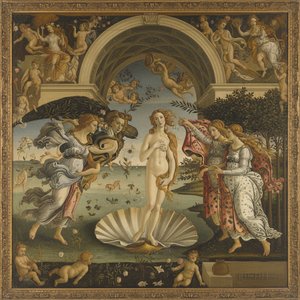
Botticellis 25 Mesterverk: Skjønnhet, Myter og Renessansens Ånd | OriginalUniqueArt.no
Oppdag Sandro Botticellis 25 mest ikoniske malerier! Fordyp deg i renessansens skjønnhet, mytologi og elegante stil. Finn inspirasjon til ditt hjem med museumskvalitets reproduksjoner på OriginalUniqueArt.com – din kilde for klassisk kunst.
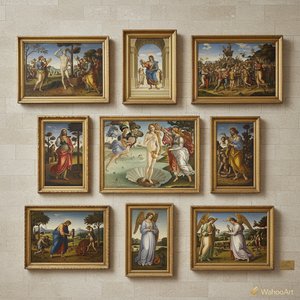
Renessansens Mesterverk: Topp 10 Kunstverk som Formet Epoken – OriginalUniqueArt.com
Utforsk de 10 mest ikoniske mesterverkene fra tidlig renessanse! Oppdag Leonardo da Vinci, Michelangelo og Botticelli. Lær om kunsthistorie, teknikker & farger. Finn museumskvalitets reproduksjoner på OriginalUniqueArt.com.

El Grecos 25 Mesterverk: Kunst, Historie og Inspirasjon for Ditt Hjem
Utforsk El Grecos 25 mest ikoniske malerier! Oppdag historien bak spansk renessanses mesterverk, fra 'Gravleggelsen av grev Orgaz' til dramatiske portretter. Finn kunsttrykk og reproduksjoner for ditt hjem på OriginalUniqueArt.com.
Alte Pinakotekets 25 Mesterverk: Kunsthistorie for Ditt Hjem | OriginalUniqueArt.no
Utforsk Alte Pinakotekets 25 mest ikoniske malerier! Oppdag renessanse- og barokkmesterverk av Dürer, Rembrandt & Caravaggio. Finn inspirasjon til hjemmet ditt med museumskvalitets reproduksjoner på OriginalUniqueArt.com.
Claude Monet: Topp 25 Maler – Impressionisme for Ditt Hjem | OriginalUniqueArt.no
Oppdag Claude Monets 25 mest ikoniske malerier! Fordyp deg i impressionismens verden, fra vannliljer til soleiloppgang. Historien bak kunsten & eksklusive reproduksjoner på OriginalUniqueArt.no – for et kunstfullt hjem.


