- Forsiden

- Trykk på lerret
- luigi prinotto
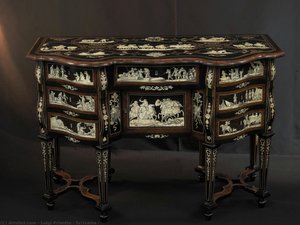
- Skrivebord

 Bestill maleri Kjøp digitalt bilde
 Send
Send
 Del med andre
 Vis detaljer
 Legg til i favoritter

 Last ned bildet
 Liknende objekter
 Røntgenundersøkelse
 Lysbildefremvisning
Skrivebord
 Akryl på lerret
- Veggkunst
- Baroque
 1730
1730 131.0 x 83.0 cm
 Det kongelige slottet i Venaria
 Vis hele teksten
Giclée / Kunsttrykk
Giclée- eller lerretsprint av museumskvalitet med rask produksjon og fleksible valgmuligheter for etterbehandling.




P118B $10

P118H $10

P118W $10

P438Z $10

P508JH $12

P508YH $12

P805H $10

P805Z $10

P919BZ $10

P919G $10

P919XJ $10

P959ZH $10

P968JZ $12

W106C $8

W218G $10

W218JH $8

W218Y $10

W307PJ $10

W316G $10

W316PJ $8

W316Y $10

W398PJ $8

W4111J $10

W500HY $15

W500JH $15

W692G $12

W849H $8

W940BG $15

W953PJ $8




Velg mellom våre forhåndsdefinerte størrelser som bevarer kunstverkets opprinnelige proporsjoner.

Du kan oppgi egne mål for å tilpasse en spesifikk ramme eller et bestemt område. Dersom den valgte størrelsen ikke samsvarer med det originale bildets proporsjoner, vil vi enten beskjære kunstverket eller utvide bildet med en speilet eller ensfarget kant. En digital mockup vil bli sendt til din godkjenning før produksjonen starter.
Vennligst merk at forhåndsvisningen på skjermen ikke gjenspeiler den faktiske beskjæringen eller utvidelsen. Kun mockuppen vil vise den endelige komposisjonen nøyaktig.
Selv om tilpassede størrelser er tilgjengelige, anbefaler vi å velge et mål fra den forhåndsdefinerte listen for å bevare de originale proporsjonene.
Verdensomspennende levering () på 2 uker i stedet for standard 4/5 uker. (22 July)

Gratis ekspressfrakt over hele verden

Lerretsduk av høykvalitets lin

Full forsikring under transport

Garanti for refusjon av toll og importavgifter

Garantert korrekt fargegjengivelse

60 dagers returrett (kun ved feil)

100% pengene tilbake-garanti

Rabatt ved flere kjøp
 Glassalternativet er kun tilgjengelig i størrelser under 110 cm

Skrivebord
Giclée / Kunsttrykk
Størrelse på reproduksjon
-


Endelig pris
-
Beskrivelse av samleobjektet
Luigi Prinotto og Skrivania – Et Blikk Inn i Barokkens Torino
Claude François, kjent som Frère Luc, var en kunstner hvis liv ble tegnet av både tro og lys. Født rundt 1614 i Amiens, utviklet han tidlig interesse for tegning og fikk veiledning under Simon Vouet, en fremtredende manieristisk maler i Paris. Denne første opplæringen gav ham et solid grunnlag, men det var hans reise til Roma som virkelig definerte hans kunstneriske visjon. Midt i resonansene av gamle mestere absorberte han teknikkene deres – spesielt den briljante bruken av lys og skygge – noe som ville bli en gjennomgående estetisk drivkraft for hele hans karriere. Denne Roma-oppholdet var ikke bare et spørsmål om kunstnerisk utvikling; det ble også preget av en dyptgripende religiøs transformasjon etter en dramatisk fall fra kirke tårn, noe som førte til at han sverget å dedikere sitt liv til tjeneste for rekolektene. Dette løfte styrket hans vei mot et kunstnerisk kall som var både estetisk og åndelig engasjert.- Kunstnerens Stil: Prinottos verk er karakterisert av den italienske Barokken, noe som gjenspeiles i den dramatiske komposisjonen og det detaljerte bruk av lys og skygge – teknikker som var høyt verdsatt av tiden. Hans kunst handler om å fremkalle følelser og skape en følelse av majestet og ære.
- Teknikk: Prinotto benyttet seg av oljemaleri på lerret, noe som var standard praksis for Barokken. Han var spesielt dyktig til å bruke perspektiv og chiaroscuro – kontrast mellom lys og skygge – for å skape en følelse av dybde og atmosfære.
- Historisk Kontekst: Maleriet ble laget rundt 1730, noe som plasserer det i Torino under Habsburgskongenes styre. Denne tiden var preget av kulturell blomstring og religiøs entusiasme, noe som gjenspeiles i kunstverkets tema og estetikk.
Symbolikken Bak Bildet: Elefant og Arbeid
Elefanten i bildet er ikke bare et dekorativt element; den har en betydelig symbolsk vekt. I Barokken ble elefanter ofte brukt til å representere styrke, rikdom og guddommelighet – kvaliteter som var viktige for både aristokratiske familier og kirken. Elefanten kan også tolkes som et symbol på visdom og stabilitet, noe som passer godt med den rolige atmosfæren i arbeidsrommet. Skrivania selv er et klassisk eksempel på Barokkens fokus på praktisk estetikk og menneskelig aktivitet. Det gjenspeiler ideen om å finne skjønnhet og mening i hverdagen – en filosofi som var sentral for den tiden.Emosjonell Påvirkning og Inspirasjon
Prinottos "Scrivania" er mer enn bare et kunstverk; det er et vindu inn i sin egen tid og kultur. Maleriet inviterer oss til å reflektere over menneskelig arbeid, kreativitet og tro – temaer som fortsatt resonerer hos publikum i dag. Reproduksjon av dette mesterverket kan bringe Barokkens eleganse og dramatikk inn i ditt hjem eller kontor, og inspirere deg til å skape et miljø som fremmer fokus og produktivitet samtidig som det gir ære til kunstens historie og estetikk. Det er en påminnelse om at selv de mest praktiske objekter kan være fulle av kunstnerisk betydning og følelsesmessig kraft.Konklusjon: Et Kunstverk Som Forteller Historie
Luigi Prinottos "Scrivania" forteller ikke bare en historie om kunstnerens teknikk og stil, men også om den kulturelle og åndelige konteksten som formet hans verk. Ved å studere dette bildet kan vi få innsikt i hvordan Barokken opplevdes av mennesker på denne tiden – og hvordan kunst fortsatt kan inspirere oss til å finne skjønnhet og mening i vår egen verden. Dette er et kunstverk som forteller historien om en tid hvor tro og lys møttes i et verk av ekte kunstnerisk briljans.Om kunstneren
Claude François (Frère Luc): A Life Painted in Faith and Light
Claude François, more intimately known as Frère Luc – a name bestowed upon him after his dedication to the Recollets order – stands as a compelling figure within 17th-century French art. Born in Amiens around 1614, his early life was marked by a fascination with drawing and an apprenticeship under Simon Vouet, a prominent Mannerist painter in Paris. This initial training provided him with a solid foundation, but it was his subsequent journey to Rome that truly shaped his artistic vision. There, amidst the echoes of the Old Masters, he honed his skills, meticulously copying works by giants like Jacopo Bassano and absorbing their techniques – particularly the masterful use of light and shadow. A pivotal moment in his life occurred during a youthful fall from a church tower; this event, recounted with dramatic detail, became intertwined with a promise to dedicate his life to religious service, solidifying his path towards monasticism.The Recollets and a Journey to New France
In 1670, Claude François embraced the Recoletos (Recollets) order in Châlons-en-Champagne, adopting the moniker Frère Luc. This transition marked a significant shift in his artistic focus, moving away from purely secular commissions and towards devotional works intended to inspire faith. His time within the monastery was not merely one of quiet contemplation; he actively contributed to the embellishment of sacred spaces, notably designing the reconstruction of Quebec’s monastery and seminary – a testament to his practical skills and dedication. However, his artistic spirit extended beyond France's borders, leading him to New France (Canada) in 1670. During his fifteen-month sojourn, Frère Luc produced a series of monumental religious paintings, most notably *La Sainte Famille à la Huronne* (The Holy Family with a Huron Woman), which remains a significant work reflecting the complexities and nuances of early colonial encounters. These canvases served as powerful visual narratives for the burgeoning Catholic community in Quebec City, bridging European artistic traditions with Indigenous perspectives.Style and Influences: A Harmonious Blend
Frère Luc’s artistic style is characterized by a remarkable synthesis of influences – a harmonious blend of Mannerism, Raphael's grace, and the dramatic lighting techniques of Italian masters. His early works, particularly those produced in Rome, demonstrate a clear admiration for Raphael, mirroring his compositional clarity, balanced forms, and refined elegance. However, he wasn’t merely a copyist; he infused these influences with a distinctly French sensibility, employing a softer palette and a more intimate portrayal of figures. The impact of Flemish genre painting, particularly the work of Adriaen Brouwer, is also evident in his depictions of peasant life – scenes rendered with a keen eye for detail, capturing both the humor and the hardship of everyday existence. Furthermore, elements of Caravaggio’s dramatic chiaroscuro are subtly integrated into his compositions, creating a sense of depth and emotional intensity.Notable Works and Legacy
Among Frère Luc's most celebrated works are *L'Assomption de la Vierge* (The Assumption of the Virgin), created at a remarkably young age in Amiens, and his series of paintings for the Jacobin church – including a copy of Bassano’s *Assumption*. His portrait of Saint Augustine presenting a dead child to the Madonna and Child, with a canvas showing his fall into the Somme behind the Virgin, is a poignant example of his ability to imbue religious subjects with personal narrative. His contributions to Quebec City's artistic landscape were particularly significant, establishing a precedent for large-scale devotional paintings that would shape the visual identity of the nascent colony. While often overshadowed by more prominent figures of the era, Claude François (Frère Luc) remains a vital figure in French art history – an artist who seamlessly combined religious devotion with technical mastery and a profound understanding of human experience.Connections to Other Artists
Frère Luc’s artistic journey reveals intriguing connections to other prominent figures of the 17th century. His early training under Simon Vouet, a key figure in the development of French portraiture, laid the groundwork for his subsequent career. The influence of Domenichino, Raphael's student, is also apparent in his meticulous attention to detail and compositional balance. Furthermore, his time in Rome exposed him to the works of Jacopo Bassano, whose dramatic use of light and color profoundly impacted his own style. The echoes of Adriaen Brouwer’s genre paintings are particularly noticeable in his depictions of peasant life, suggesting a shared interest in capturing the realities of everyday existence. Finally, his work with Jean-Marc Nattier during the later years of his career demonstrates a continued engagement with portraiture and a mastery of fashionable artistic trends.
luigi prinotto
1685 - 1780 , Italy
Kort om kunstneren
- Artistic Movement Or Style: Baroque
- Artists Or Movements Influenced By This Artist:
- Jacopo Bassano
- Jean-Marc Nattier
- Artists Who Influenced This Artist:
- Simon Vouet
- Raphael
- Date Of Birth: 1614
- Date Of Death: 1685
- Full Name: Claude François (Frère Luc)
- Nationality: French
- Notable Artworks:
- Assumption of the Virgin
- Saint Augustine's Vision
- Place Of Birth: Amiens, France
Relaterte artikler
Metropolitan Museum of Art: Topp 25 Kunstverk for Din Inspirasjon – OriginalUniqueArt.com
Oppdag de 25 mest ikoniske kunstverkene fra Metropolitan Museum of Art i New York! Lær historien bak Rembrandt, Van Gogh, Monet og mer. Finn inspirasjon til interiøret ditt med museumskvalitets reproduksjoner på OriginalUniqueArt.com.
De 25 mest ikoniske kunstverkene på Detroit Institute of Arts – En visuell reise
Utforsk de 25 mest ikoniske kunstverkene på Detroit Institute of Arts! Oppdag Van Gogh, Monet, Rembrandt og mer. Historier bak mesterverkene – perfekt for interiørdesign & inspirasjon. Finn reproduksjoner av høy kvalitet på OriginalUniqueArt.com.
MOMA's Mesterverk: Topp 25 Kunstverk for Din Inspirasjon | OriginalUniqueArt.no
Opplev MOMA's 25 mest ikoniske kunstverk! Fra Van Goghs Starry Night til Warhols Campbell Soup Cans – lær historien bak mesterklassikerne. Finn inspirasjon og museumskvalitets reproduksjoner på OriginalUniqueArt.no. Utforsk samlingen online!
De 25 mest ikoniske kunstverk på National Gallery of Art i Washington – Inspirasjon til hjemmet
Oppdag de 25 mest ikoniske kunstverkene på National Gallery of Art i Washington! Fra Cézanne til Picasso – utforsk historien, teknikken og skjønnheten bak hvert mesterverk. Finn inspirasjon til interiøret ditt og kjøp museumskvalitets reproduksjoner på OriginalUniqueArt.com.

James Abbott McNeill Whistler: Topp 25 Kunstverk – Skjønnhet og Harmoni for Ditt Hjem
Utforsk James Abbott McNeill Whistlers 25 mest ikoniske kunstverk! Oppdag historien bak Nocturnes, portretter og impresjonistisk harmoni. Finn museumskvalitets reproduksjoner & interiørinspirasjon på OriginalUniqueArt.com.