Forhåndsvisning
 Send
Send Del
Del
 Vis detaljer
 Utskriftsvennlig guide

 Last ned bilde
 Liknende objekter
 Røntgenundersøkelse
 Lysbildefremvisning
 Spørsmål og svar
 Statistikk
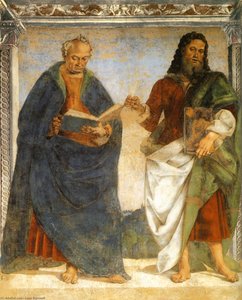
Four Demons with a Book

- 335.0 x 284.0 cm


 Vis hele teksten
Giclée / Kunsttrykk
Giclée- eller lerretsprint av museumskvalitet med rask produksjon og fleksible valgmuligheter for etterbehandling. ( Kjøp håndmalt maleri Bytt til digitalt bilde)




P118B Nkr10

P118H Nkr10

P118W Nkr10

P438Z Nkr10

P508JH Nkr12

P508YH Nkr12

P805H Nkr10

P805Z Nkr10

P919BZ Nkr10

P919G Nkr10

P919XJ Nkr10

P959ZH Nkr10

P968JZ Nkr12

W106C Nkr8

W218G Nkr10

W218JH Nkr8

W218Y Nkr10

W307PJ Nkr10

W316G Nkr10

W316PJ Nkr8

W316Y Nkr10

W398PJ Nkr8

W4111J Nkr10

W500HY Nkr15

W500JH Nkr15

W692G Nkr12

W849H Nkr8

W940BG Nkr15

W953PJ Nkr8




Velg mellom våre forhåndsdefinerte størrelser som bevarer kunstverkets opprinnelige proporsjoner.

Skriv inn ønsket bredde og høyde for å tilpasse trykket til din ramme eller vegg. Et trykk kan kun beskjæres, aldri skaleres opp utover motivets opprinnelige størrelse, noe som betyr at et format med andre proporsjoner vil føre til tap av deler av bildet. Vi sender deg en digital mockup for godkjenning før vi starter trykkeprosessen. Bildet som vises på denne siden viser ikke den faktiske beskjæringen — det er kun mockuppen som viser dette.
Verdensomspennende levering () på 2 uker i stedet for standard 4/5 uker. (6 November)

Gratis ekspressfrakt over hele verden

Lerretsduk av lin av høy kvalitet

Full transportforsikring

Garanti for refusjon av toll og importavgifter

Garantert fargegjengivelse

100 dagers returrett ved fabrikasjonsfeil

100% pengene tilbake-garanti

Rabatt ved flere kjøp
 Glassalternativet er kun tilgjengelig i størrelser under 110 cm

Four Demons with a Book
Giclée / Kunsttrykk
Størrelse på reproduksjon
-


Totalpris for valgte alternativer
Nkr 775
The Genesis of a Masterpiece: Luca Signorelli's Preparatory Drawing
Luca Signorelli’s “Four Demons with a Book,” a remarkably detailed preparatory study for the monumental fresco cycle adorning Orvieto Cathedral, offers a captivating glimpse into the mind of one of the High Renaissance’s most potent visual storytellers. More than just a sketch, it's a concentrated distillation of ideas, a vibrant testament to Signorelli’s meticulous draftsmanship and his profound understanding of human psychology – particularly as manifested through the unsettling interplay of demonic figures and forbidden knowledge. The drawing itself, rendered in charcoal or silverpoint on aged paper, possesses an immediate power, radiating a palpable sense of urgency and contained chaos.
The work’s genesis lies within the Cappella Nova, a space already steeped in religious narrative through earlier frescoes by Fra Angelico. Signorelli was tasked with expanding this existing framework, creating a dramatic visual representation of the Apocalypse – a subject demanding both grandeur and terrifying intimacy. This preparatory study isn't merely a preliminary sketch; it’s a crucial stage in the artist’s process, revealing his initial compositional choices, anatomical explorations, and the evolution of individual figures before they were unleashed upon the vast cathedral walls.
A Symphony of Line: Technique and Composition
Signorelli's mastery is immediately evident in the drawing’s intensely linear quality. Hatching and cross-hatching dominate, building up volume with a remarkable degree of precision and control. The figures aren’t simply outlined; they are sculpted through layers of carefully applied lines, conveying not just their physical form but also the texture of skin, clothing, and even the suggestion of demonic musculature. The limited palette – primarily shades of gray and white – amplifies this effect, creating a dramatic chiaroscuro that emphasizes the figures’ powerful presence against an implied darkness. The composition itself is deliberately claustrophobic, with the demons crowding together in a dynamic, almost violent arrangement. There's no background; the focus remains entirely on these unsettling characters and their interaction with the central object of contemplation – the book.
The drawing’s flattened perspective, characteristic of preparatory studies, lends it an immediacy and intimacy rarely found in finished works. It feels as though we are witnessing Signorelli wrestling with his ideas directly, capturing a fleeting moment of creative struggle. The subtle erasures and adjustments visible throughout the piece further underscore this sense of process, revealing the artist’s willingness to experiment and refine his vision.
Symbolism and Psychological Depth
The subject matter – four demonic figures clustered around a book – is laden with symbolic weight. Demons, traditionally representing temptation, sin, and the forces of evil, are inherently unsettling. Their muscular physiques and aggressive postures convey power and menace. The book, however, introduces an element of ambiguity. It’s not simply a symbol of knowledge; it suggests a dangerous, potentially corrupting influence – a forbidden text promising enlightenment but ultimately leading to damnation. The positioning of the demons, particularly one holding the book aloft with a look of intense concentration, hints at a struggle between intellect and faith, reason and revelation.
Signorelli’s genius lies in his ability to imbue these archetypal figures with psychological depth. The expressions on their faces – ranging from rage and suspicion to curiosity and perhaps even a hint of despair – suggest a complex internal landscape. The drawing isn't merely a depiction of demons; it’s an exploration of the human condition, confronting us with our own vulnerabilities and temptations.
A Legacy in Stone and Charcoal
“Four Demons with a Book” stands as a pivotal work in Signorelli’s oeuvre, foreshadowing the dramatic intensity and psychological complexity that would define his masterpiece at Orvieto. It's a testament to his extraordinary draftsmanship, his profound understanding of human anatomy, and his ability to translate complex theological ideas into visually arresting imagery. The drawing offers a rare opportunity to connect with the creative process of one of the Renaissance’s most influential artists, revealing the meticulous care and intellectual rigor that underpinned his monumental achievements. Reproductions of this captivating study offer a window into a world of dramatic tension, profound symbolism, and enduring artistic power.
Spørsmål og svar
Hva er den dominerende fargetonen i "Four Demons with a Book" av Luca Signorelli?
En Green to Violet Spectrum nyanse preger "Four Demons with a Book" av Luca Signorelli.
Hvordan finner jeg kunstverk som ligner på "Four Demons with a Book" av Luca Signorelli?
Siden Lignende verk for "Four Demons with a Book" av Luca Signorelli viser relaterte kunstverk.
Hva er reproduksjonsrettighetene til "Four Demons with a Book" hos Pierpont Morgan Bibliotek?
Opphavsretten til "Four Demons with a Book" av Luca Signorelli er klar: verket er fritt tilgjengelig – opphavsretten har utløpt. At det befinner seg hos Pierpont Morgan Bibliotek, endrer ikke denne statusen.
Om kunstneren
early life and training
Luca Signorelli, født omkring 1450 i Cortona, Toscana, var en av de mest markante malerne innen den italienske renessansen. Hans fødselsdato er omdiskutert, men det antas at han ble født mellom 1441 og 1445. Signorelli vokste opp i Cortona, en by kjent for sin kunstneriske tradisjon, og hans tidlige liv var sterkt preget av den lokale kunstscenen. Han lærte sitt håndverk fra faren, Egidio di Ventura Signorelli, som også var maler, og ble raskt sett på som en talentfull ung kunstner. En viktig milepæl i Signorellis tidlige karriere var hans læreforhold hos Piero della Francesca, en av de mest innflytelsesrike kunstnerne i renessansen. Piero, kjent for sin matematiske presisjon og dyptgående forståelse av perspektiv, hadde en enorm innvirkning på Signorellis utvikling som maler. Han studerte nøye Pieros teknikker, spesielt hans evne til å skape realistiske bilder med enestående dybde og romlig fornemmelse. Giorgio Vasari, den berømte kunsthistorikeren, beskrev Signorelli som en «kunstner som viste veien til å representere nakne figurer i maleri slik at de virket levende».artistic career
Signorellis kunstkarriere spredte seg over flere tiår og omfattet arbeider i Toscana, Umbria og Roma. Han begynte sin karriere i Firenze, hvor han jobbet for Lorenzo il Magnifico, den mektige herskeren av byen. En av hans mest kjente verk fra denne perioden er «Skolen til Pan», et fresko som ble presentert til Lorenzo de' Medici. Dette maleriet er bemerkelsesverdig for sin realistiske fremstilling av menneskekroppen og Signorellis mesterskap i å fange dynamikken i scenen. I 1472 malte han også i Arezzo, og i 1474 i Città di Castello. Signorelli var en ivrig observatør av sin tid, og hans kunst gjenspeiler ofte de politiske og sosiale forholdene han opplevde. Han deltok aktivt i det lokale livet i Cortona, hvor han ble valgt inn i byrådet i 1483. Signorellis mest berømte verk er uten tvil freskene i Orvietokatedralen (1499-1503), kjent som «Slutten av Verden» og «Den siste dommen». Disse monumentale veggmaleriene viser Signorellis evne til å skape dramatiske og emosjonelle bilder. Han var en mester i å representere menneskelige følelser og handlinger med stor kraft og intensitet, og hans bruk av lys og skygge bidro til å skape en følelse av realisme og dybde. I tillegg malte han et altetablissement for St. Onofrio i Perugia (1484) og deltok på dekoreringen av det sixtinske kapellet i Roma, hvor han ble erstattet av Michelangelo.notable works
* **Den siste dommen (1499-1503)**: Freskene i Orvietokatedralen er Signorellis mest kjente verk og et mesterverk innen renessansemaleri. De viser en imponerende samling av scener fra Bibelen, inkludert «Slutten av Verden» og «Den siste dommen». * **Skolen til Pan (1474)**: Et fresko som ble presentert til Lorenzo de' Medici, kjent for sin realistiske fremstilling av menneskekroppen og dynamikken i scenen. * **Altetablissement for St. Onofrio (1484)**: Et altetablissement i Perugia, som viser Signorellis evne til å skape detaljerte og realistiske bilder.art movement
Luca Signorelli var en sentral figur i den italienske renessansen, en periode preget av en gjenoppblomstring av interesse for klassisk kunst og kultur. Renessansen markerte overgangen fra middelalderen til den moderne tid, og ble kjennetegnet av en økt vekt på humanisme, vitenskap og individualisme. Signorelli var en del av den florentinske renessansen, som var kjent for sin fokus på realisme, proporsjoner og dyptgående forståelse av menneskekroppen. Han var også innflytelsesrik på utviklingen av perspektivmaleri, og hans bruk av teknikker for å skape illusjon av dybde og romlig fornemmelse var banebrytende. Signorelli ble ofte sammenlignet med andre store renessansemalere som Leonardo da Vinci og Michelangelo, og hans verk har hatt en betydelig innvirkning på kunsthistorien. Hans evne til å kombinere klassiske idealer med realistiske detaljer gjorde ham til en av de mest verdifulle kunstnerne i sin tid.legacy
Luca Signorellis arv er fortsatt relevant i dag. Hans bruk av foreshortening, hans dyptgående forståelse av menneskekroppen og hans evne til å skape dramatiske og emosjonelle bilder har inspirert generasjoner av kunstnere. Han er anerkjent som en av de viktigste malerne innen den italienske renessansen, og hans verk fortsetter å bli studert og beundret av kunstinteresserte over hele verden. Hans bidrag til kunsten er et testament til hans talent, hardt arbeid og evne til å fange essensen av menneskelig erfaring i sine bilder.
Luca Signorelli
1450 - 1523 , Italia
Kort om kunstneren
- Artistic Movement Or Style: Renaissance
- Artists Or Movements Influenced By This Artist: ['Fra Angelico']
- Artists Who Influenced This Artist: ['Piero della Francesca']
- Date Of Birth: ca. 1445/1450 Cortona
- Date Of Death: 16. oktober 1523 Cortona
- Full Name: Luca d’Egidio di Ventura Signorelli
- Nationality: Italiensk
- Notable Artworks:
- The Last Judgment
- Skolen til Pan
- Place Of Birth: Cortona, Italia
Relaterte artikler
The Nuances of Graphite: Exploring Emotional Depth & Technical Mastery in Pencil Drawing
Explore the captivating world of graphite drawing! Discover its rich history, master essential techniques like chiaroscuro, and learn how artists evoke emotion through this timeless medium. Expert insights for art enthusiasts.
The Power of Graphite: Mastering Depth, Texture, and Detail in the Art of Pencil Drawing
Explore the profound artistry of graphite drawing. Discover professional techniques for mastering depth, texture, and detail through a lens of art history, from classical sketches to modern masterpieces. Elevate your understanding of the pencil medium with our expert guide.
The Eloquent Line: Exploring the Artistic Significance of Sketches Across Movements and Media
Explore the profound artistic significance of sketches throughout history. From Renaissance masters to modern innovators like Van Gogh & Guston, discover how these foundational works reveal technique, emotion, and vision. Learn more at OriginalUniqueArt.

The Alchemy of Graphite: An Expert Guide to Mastering Detail and Depth in Pencil Sketching
Unlock the secrets of graphite sketching with our expert guide for art students. Learn to master pencil grades, create realistic depth, and capture intricate textures through professional techniques designed to elevate your observational drawing skills.
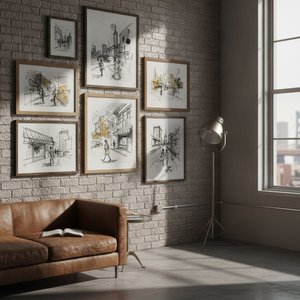
Raw Energy: Why Sketch Studies are the Ultimate Urban Vibe for Your Walls
Elevate your space with the raw energy of sketch studies. Discover how the unfiltered power of charcoal, line, and gesture creates the ultimate urban vibe for modern interiors. Expert trends in contemporary wall art curation for the design-conscious professional.