

 Se i rommet
 Del som digitalt kort
 Del
Del
 Detaljer
 Studentguide

 Last ned
 Liknende objekter
 Røntgen
 Lysbildefremvisning
 Besøksstatistikk
John Bright (1811–1889)
 Akryl på lerret
- Veggkunst
- Pre-Raphaelite Realism
 1873
1873 237.0 x 147.0 cm
 Touchstones Rochdale
 Les mer
Giclée / Kunsttrykk
Giclée- eller lerretsprint av museumskvalitet med rask produksjon og fleksible valgmuligheter for etterbehandling. ( Bestill håndmalt reproduksjon Gå til digitalt bilde)




P118B Nkr10

P118H Nkr10

P118W Nkr10

P438Z Nkr10

P508JH Nkr12

P508YH Nkr12

P805H Nkr10

P805Z Nkr10

P919BZ Nkr10

P919G Nkr10

P919XJ Nkr10

P959ZH Nkr10

P968JZ Nkr12

W106C Nkr8

W218G Nkr10

W218JH Nkr8

W218Y Nkr10

W307PJ Nkr10

W316G Nkr10

W316PJ Nkr8

W316Y Nkr10

W398PJ Nkr8

W4111J Nkr10

W500HY Nkr15

W500JH Nkr15

W692G Nkr12

W849H Nkr8

W940BG Nkr15

W953PJ Nkr8




Velg mellom våre forhåndsdefinerte størrelser som bevarer kunstverkets opprinnelige proporsjoner.

Skriv inn bredden og høyden du trenger, slik at den passer til din ramme eller vegg. Et trykk kan kun beskjæres, aldri gjøres større enn bildet, så et format med en annen form vil miste en del av motivet. Vi sender deg en digital mockup for godkjenning før vi trykker noe som helst. Bildet som vises på denne siden viser ikke den faktiske beskjæringen — det er kun mockuppen som gjør det.
Verdensomspennende levering () på 2 uker i stedet for standard 4/5 uker. (25 October)

Gratis ekspressfrakt over hele verden

Lerretsduk av høykvalitets lin

Full transportforsikring

Garanti for refusjon av toll og importavgifter

Garantert fargeekthet

100 dagers returrett ved fabrikasjonsfeil

100% pengene tilbake-garanti

Mengderabatt
 Glassalternativet er kun tilgjengelig i størrelser under 110 cm

John Bright (1811–1889)
Giclée / Kunsttrykk
Format på reproduksjon
-


Totalpris
Nkr 760
A Portrait of Moral Resolve: John Bright by Lowes Cato Dickinson
Lowes Cato Dickinson’s 1873 portrait of John Bright stands as a testament to Victorian England's fascination with capturing the dignity and intellect of prominent figures. Located at Touchstones Rochdale, this oil on canvas masterpiece offers more than just a likeness; it embodies the spirit of a man deeply committed to social reform and moral conviction.
Subject Matter and Composition
The painting depicts John Bright seated in a chair, dressed impeccably in dark attire—a suit complemented by a crisp white shirt. Dickinson meticulously rendered Bright’s features: a prominent beard and mustache indicative of his age, conveying wisdom and experience. His gaze is directed inward, suggesting contemplation and profound thought – an expression that speaks volumes about his inner life.
Stylistic Considerations: Realism Infused with Pre-Raphaelite Sensibility
Dickinson’s approach aligns closely with the tenets of Pre-Raphaelitism, prioritizing accuracy and detail alongside a subtle infusion of Romantic idealism. Unlike many portraits of the era that prioritized idealized beauty, Dickinson focused on portraying Bright realistically, capturing the nuances of his appearance and environment. The soft lighting illuminates Bright's face without harsh shadows, enhancing the sense of intimacy and conveying sincerity.
Setting and Symbolism
The backdrop is a dimly lit room furnished with a desk and books—a deliberate choice that underscores Bright’s intellectual pursuits and professional life as a barrister. This setting symbolizes his dedication to reason and knowledge, aligning perfectly with the broader Victorian ethos of moral seriousness. Dickinson's restrained palette emphasizes textures and tones rather than vibrant hues, contributing to the painting’s contemplative mood.
Legacy and Emotional Impact
“John Bright” transcends mere representation; it captures a man grappling with weighty ethical dilemmas—a figure who championed universal suffrage and advocated for social justice. Dickinson's masterful technique conveys not only Bright’s physical presence but also his inner character, inviting viewers to contemplate the importance of moral courage and intellectual integrity. It remains an enduring symbol of Victorian idealism and continues to inspire admiration for its artistic merit.
Spørsmål og svar
Hva er "John Bright (1811–1889)" laget med, og i hvilken stil?
"John Bright (1811–1889)" av Lowes Cato Dickinson kombinerer Akryl på lerret-teknikken med Pre-Raphaelite Realism-stilen. Teknikk og stilretning beskriver verkets utførelse og estetiske uttrykk.
Hvilken kunstner og hvilken stil står bak "John Bright (1811–1889)"?
"John Bright (1811–1889)" ble skapt av Lowes Cato Dickinson i Pre-Raphaelite Realism-stil. Kunstneren og stilen identifiserer verkets tradisjon.
Hvilke farger dominerer "John Bright (1811–1889)" av Lowes Cato Dickinson?
"John Bright (1811–1889)" av Lowes Cato Dickinson bruker en Jordnær-palett, med Espresso (#40311c) som den dominerende fargen.
Kunstnerbiografi
A Life Etched in Portraits: The World of Lowes Cato Dickinson
Lowes Cato Dickinson, born in Kilburn, London, in 1819, was a figure deeply embedded within the artistic and social currents of Victorian England. Coming from a family intimately connected to the art world—his father, Joseph Dickinson, being a respected lithographer and publisher on Bond Street—Dickinson’s path seemed preordained. Yet, his journey wasn't merely one of inheritance but of active engagement with the evolving aesthetic sensibilities and progressive social movements of his time. One of eleven siblings, he received his early education at Topsham School and Dr Lord's School in Tooting, grounding him in a solid foundation before fully immersing himself within the family business following his father’s death in 1849. He then joined forces with his brothers, Gilbert Bell Dickinson and William Robert Dickinson, to continue the legacy of Dickinson Brothers on Bond Street, a firm that quickly became synonymous with quality art publishing and photography. This early exposure wasn't simply about commerce; it was an apprenticeship in visual culture, shaping his eye for detail and composition—qualities that would define his later work as a portraitist.The Pre-Raphaelite Circle and the Call of Social Reform
Dickinson’s artistic development took a significant turn with a three-year sojourn in Italy around 1850. This period proved formative, exposing him to the masterpieces of the Renaissance and influencing his evolving style. He absorbed the stylistic principles championed by Dante Gabriel Rossetti and John Ruskin—a fervent desire for truth to nature combined with an emotional intensity that would characterize his oeuvre. The Pre-Raphaelite Brotherhood’s emphasis on rejecting academic conventions and celebrating medieval art profoundly impacted Dickinson's artistic vision. His correspondence with fellow artists reveals a shared belief in elevating art beyond mere decoration, aiming instead for profound psychological insight. He lectured alongside Ruskin and Rossetti, solidifying his position within this influential artistic milieu—a group dedicated to reforming Victorian society through the transformative power of beauty. This engagement extended beyond aesthetics; Dickinson actively participated in the burgeoning Christian socialist movement, advocating for social justice rooted in moral principles. The establishment of the Working Men's College in London stands as a testament to this conviction – he served as one of its founding tutors alongside luminaries like Ruskin and Kingsley, fostering artistic education and promoting intellectual discourse amongst aspiring working-class students.A Portraitist of Victorian Society
Dickinson’s talent lay not in grand historical narratives or dramatic allegories but in capturing the essence of his sitters—the prominent figures who shaped British society. He possessed an extraordinary ability to convey personality and character through subtle shading and nuanced facial expressions, prioritizing psychological realism over stylistic grandeur. His meticulous technique involved painstakingly recreating likenesses from photographs or detailed descriptions – a remarkable feat considering the limitations of photographic technology at the time. Among his prolific subjects were Queen Victoria herself, members of Parliament, leading scientists like Arthur Cayley and James Clerk Maxwell, and influential Christian socialists such as Charles Kingsley and Thomas Hughes. He skillfully rendered portraits of Gladstone’s Cabinet in 1872 – a piece that captures the solemnity and importance of British governance. His enduring legacy resides not only in his impressive collection of artworks but also in his unwavering dedication to fostering intellectual enlightenment and promoting social reform—values that continue to resonate today.Notable Works and Recognition
Dickinson’s artistic output spanned decades, producing over 300 portraits that adorn galleries across Britain and beyond. His meticulous attention to detail ensured that each canvas conveyed not merely physical likeness but also the inner spirit of his subjects. Particularly noteworthy is *General Gordon at Khartoum*, a haunting depiction of heroism and resilience—a masterpiece recognized for its expressive power and technical brilliance. Many of Dickinson’s portraits reside in prestigious institutions like Cambridge University and the National Portrait Gallery, cementing his place as one of Victorian England's foremost portrait painters. His posthumous crayon drawings – notably *Gladstone* – continue to captivate audiences with their remarkable fidelity to life and profound psychological depth.Legacy and Enduring Influence
Lowes Cato Dickinson’s contribution to British art extends far beyond the canvases he completed; his influence can be seen in the establishment of institutions dedicated to artistic education and social reform—most notably, the Lowes Dickinson Award at the Working Men's College. This prize recognizes student excellence and embodies Dickinson’s belief in empowering individuals through knowledge – a legacy that persists into the 21st century. His papers, meticulously preserved at Princeton, Oxford, and Cambridge Universities, provide invaluable insights into Victorian art history and social thought—a testament to his enduring intellectual curiosity and artistic vision. Dickinson's life exemplifies a harmonious blend of artistic talent, moral conviction, and scholarly pursuit – an inspiration for artists and thinkers alike who strive to capture the complexities of human experience and contribute meaningfully to society.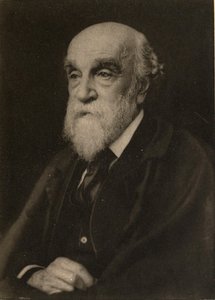
Lowes Cato Dickinson
1819 - 1908 , Storbritannia
Kort om kunstneren
- Artistic Movement Or Style: Pre-Raphaelite
- Artists Or Movements Influenced By This Artist: ['Christian Socialism']
- Artists Who Influenced This Artist:
- John Ruskin
- Dante Gabriel Rossetti
- Date Of Birth: November 27, 1819
- Date Of Death: 1908
- Full Name: Lowes Cato Dickinson
- Nationality: Britisk
- Notable Artworks:
- Gladstone's Cabinet (1868)
- Gordon Portrait
- Place Of Birth: Kilburn, United Kingdom
Relaterte artikler
The Pre-Raphaelite Brotherhood: Reclaiming Beauty, Nature, and Truth in Victorian Art History
Explore the revolutionary Pre-Raphaelite Brotherhood. Discover how these visionary artists rejected academic tradition to reclaim beauty, nature, and truth through luminous detail and literary depth in Victorian art history.

John Singer Sargent's 25 Masterpieces: Portraits & Beyond | OriginalUniqueArt
Explore 25 iconic John Singer Sargent paintings – from dazzling portraits to Impressionist landscapes. Discover the stories behind Madame X, El Jaleo & more! Find museum-quality art reproductions and elevate your home decor with OriginalUniqueArt.com.

Dante Gabriel Rossettis 25 Mesterverk: Kunst, Symbolikk og Skjønnhet for Ditt Hjem
Utforsk de 25 mest ikoniske maleriene av Dante Gabriel Rossetti! Oppdag symbolisme, romantikk og viktoriansk skjønnhet i Pre-Raphaelittenes mesterverk. Finn kunsttrykk & reproduksjoner for ditt hjem på OriginalUniqueArt.com.

John Constable: Topp 25 Maler – Engelsk Landskapskunst i Ditt Hjem
Opplev John Constables 25 mest ikoniske malerier! Fordyp deg i engelsk romantikk, landskapskunst og atmosfæriske scener. Finn museumskvalitets reproduksjoner & interiørinspirasjon på OriginalUniqueArt.com. Utforsk samlingen online!

Sir John Everett Millais: Pre-Raphaelite Rebellion & Victorian Narrative Detail
Explore the revolutionary art of Sir John Everett Millais & the Pre-Raphaelite Brotherhood. Discover their radical realism, symbolic narratives, and lasting impact on Victorian aesthetics. A deep dive into 19th-century masterpieces.


