Forhåndsvisning
 Send
Send Del
Del
 Vis detaljer
 Utskriftsvennlig guide

 Last ned bilde
 Liknende objekter
 Røntgenundersøkelse
 Lysbildefremvisning
 Spørsmål og svar
 Statistikk
Sankt Jerome

- 103.0 x 107.0 cm


 Vis hele teksten
Giclée / Kunsttrykk
Giclée- eller lerretsprint av museumskvalitet med rask produksjon og fleksible valgmuligheter for etterbehandling. ( Kjøp håndmalt maleri Bytt til digitalt bilde)




P118B Nkr10

P118H Nkr10

P118W Nkr10

P438Z Nkr10

P508JH Nkr12

P508YH Nkr12

P805H Nkr10

P805Z Nkr10

P919BZ Nkr10

P919G Nkr10

P919XJ Nkr10

P959ZH Nkr10

P968JZ Nkr12

W106C Nkr8

W218G Nkr10

W218JH Nkr8

W218Y Nkr10

W307PJ Nkr10

W316G Nkr10

W316PJ Nkr8

W316Y Nkr10

W398PJ Nkr8

W4111J Nkr10

W500HY Nkr15

W500JH Nkr15

W692G Nkr12

W849H Nkr8

W940BG Nkr15

W953PJ Nkr8




Velg mellom våre forhåndsdefinerte størrelser som bevarer kunstverkets opprinnelige proporsjoner.

Skriv inn ønsket bredde og høyde for å tilpasse trykket til din ramme eller vegg. Et trykk kan kun beskjæres, aldri skaleres opp utover motivets opprinnelige størrelse, noe som betyr at et format med andre proporsjoner vil føre til tap av deler av bildet. Vi sender deg en digital mockup for godkjenning før vi starter trykkeprosessen. Bildet som vises på denne siden viser ikke den faktiske beskjæringen — det er kun mockuppen som viser dette.
Verdensomspennende levering () på 2 uker i stedet for standard 4/5 uker. (4 November)

Gratis ekspressfrakt over hele verden

Lerretsduk av lin av høy kvalitet

Full transportforsikring

Garanti for refusjon av toll og importavgifter

Garantert fargegjengivelse

100 dagers returrett ved fabrikasjonsfeil

100% pengene tilbake-garanti

Rabatt ved flere kjøp
 Glassalternativet er kun tilgjengelig i størrelser under 110 cm

Sankt Jerome
Giclée / Kunsttrykk
Størrelse på reproduksjon
-


Totalpris for valgte alternativer
Nkr 777
Leonardo da Vinci’s “Saint Jerome”: A Portrait of Penitence and Renaissance Genius
Deep within the Pinacoteca Vaticana Museum resides a painting that transcends mere representation—it is an immersion into the soul, a profound meditation on faith, solitude, and the very essence of human experience. Leonardo da Vinci's "Saint Jerome in the Wilderness," completed around 1480-1490, isn’t simply a depiction of a biblical figure; it’s a window into the mind of one of history’s most visionary artists, a testament to his unparalleled understanding of both human emotion and artistic technique. The painting whispers tales of introspection, spiritual struggle, and the enduring power of faith—a captivating narrative woven through masterful brushstrokes and subtle symbolism.
The scene unfolds with an arresting simplicity: Saint Jerome, an elderly figure cloaked in a deep brown robe, is seated before a rugged stone wall. This isn’t a grand, imposing portrait; rather, it's a study of quiet contemplation, of a man wrestling with his own demons and seeking solace in the wilderness. The landscape behind him—a distant mountain range shrouded in mist, a serene lake reflecting the somber sky—amplifies this sense of isolation and introspection. Yet, within this apparent desolation lies a profound beauty, a testament to da Vinci’s ability to find harmony amidst chaos.
Da Vinci's genius is immediately evident in his masterful use of *sfumato*, a technique he pioneered that involves blurring the lines between colors and forms, creating an ethereal quality. The edges of Jerome’s face are softened, his features subtly shifting, as if viewed through a veil of memory or emotion. This deliberate ambiguity invites viewers to project their own feelings onto the figure, fostering a deeply personal connection with the artwork. The rich pigments—deep browns, muted greens, and subtle blues—are applied in thin, translucent layers, building up depth and luminosity with remarkable precision. The choice of oil on panel allowed for an unprecedented level of detail and control, enabling da Vinci to capture the nuances of texture and light with breathtaking accuracy.
Beyond its technical brilliance, “Saint Jerome” is rich in symbolic meaning. The stone wall represents not just physical isolation but also the barriers that separate humanity from God—the need for repentance and self-reflection. The lion, a recurring motif in da Vinci’s work, symbolizes strength, courage, and divine providence, perhaps alluding to the legend of Saint Jerome receiving a thorn from a lion's paw, a symbol of his willingness to endure hardship for the sake of faith. The landscape itself is laden with symbolism; the distant mountains represent the challenges of life, while the lake reflects the saint’s inner turmoil and the potential for spiritual renewal.
Leonardo da Vinci: Anatomical Precision & Artistic Innovation
What truly elevates “Saint Jerome” beyond a conventional religious painting is da Vinci's profound understanding of human anatomy—a knowledge that was revolutionary for his time. He meticulously studied the musculature of the figure, rendering the subtle contours of Jerome’s torso and neck with an astonishing level of realism. This wasn’t merely about creating a visually accurate representation; it was about capturing the essence of human physicality, reflecting da Vinci's belief that art should strive for truth in all its forms. His anatomical studies, informed by dissections (though often conducted discreetly), anticipated advancements in scientific observation that would shape the course of medicine and science for centuries to come.
The artist’s dedication to realism extends beyond mere physical accuracy; he also sought to convey Jerome's inner psychological state. The slumped posture, the furrowed brow, the melancholic gaze—all contribute to a palpable sense of sorrow and introspection. Da Vinci wasn’t simply painting a saint; he was capturing the very experience of spiritual struggle, inviting viewers to contemplate their own vulnerabilities and anxieties.
Exploring the Landscape of Sorrow
The desolate landscape surrounding Saint Jerome is far more than a mere backdrop—it's an integral part of the painting’s narrative. The misty mountains and distant lake create an atmosphere of profound melancholy, mirroring the saint’s inner anguish and highlighting da Vinci’s ability to evoke emotion through color and perspective. The use of atmospheric perspective—the subtle blurring of details in the distance—further enhances this sense of depth and isolation, drawing the viewer into Jerome's solitary world.
Notice how the light falls upon the scene – it is diffused and muted, contributing to the overall feeling of somber contemplation. The artist masterfully uses shadow to emphasize the contours of the figure and the ruggedness of the landscape, creating a dynamic interplay between light and darkness that adds depth and drama to the composition.
A Fragmented Masterpiece: Rediscovering Da Vinci’s Vision
The history of “Saint Jerome” is marked by tragedy and perseverance. After Leonardo's death in 1519, the painting was tragically cut into five pieces—a consequence of its ambitious scale and the chaotic circumstances surrounding da Vinci’s life. For centuries, it remained a fragmented relic, its beauty obscured by damage and neglect. However, through painstaking restoration efforts, spearheaded by scholars and art conservators, the panels have been meticulously pieced back together, revealing the full glory of this remarkable artwork.
The restoration process has not only reunited the physical fragments but also offered new insights into da Vinci’s artistic techniques and creative intentions. It's a testament to the enduring power of art—its ability to transcend time and circumstance, captivating audiences across generations. Today, “Saint Jerome” stands as a poignant reminder of Leonardo da Vinci’s genius, his unwavering dedication to truth, and his profound understanding of the human condition.
Experience Saint Jerome Through OriginalUniqueArt’s Reproductions
For those seeking to immerse themselves in the grandeur of Renaissance art, OriginalUniqueArt offers exceptional reproductions of Leonardo da Vinci's “Saint Jerome.” Crafted by skilled artisans using traditional techniques—specifically oil painting on panel—these reproductions capture the essence of Da Vinci’s artistic vision with remarkable fidelity. Explore the beauty and craftsmanship of this iconic artwork at Saint Jerome by Leonardo Da Vinci and discover more masterpieces from OriginalUniqueArt: List of works by Leonardo da Vinci, The Pinacoteca Vaticana Museum of the Vatican City and The Pinacoteca Vaticana Museum of the Vatican City.
Spørsmål og svar
Hvilken plass har "Sankt Jerome" av Leonardo Da Vinci i kunsthistorien?
Historisk sett er "Sankt Jerome" et High Renaissance-verk fra den bredere Renessansen-epoken.
Hvor kan jeg finne kunstverk som ligner på "Sankt Jerome" av Leonardo Da Vinci?
Verker som ligner på "Sankt Jerome" er oppført på verkets Lignende verk-side.
Hvor populær er "Sankt Jerome" innenfor High Renaissance?
"Sankt Jerome" er registrert som Ikonisk blant High Renaissance-verkene i katalogen.
Om kunstneren
Leonardo da Vincis liv og ettermæle.
Leonardo di ser Piero da Vinci, født i 1452 nær den toskanske landsbyen Vinci, står utvilsomt som den mest universelt anerkjente skikkelsen fra renessansen – et ekte polygen som med sin umettelige nysgjerrighet beveget seg på tvers av disipliner og etterlot et uutslettelig preg på kunst, vitenskap og ingeniørkunst. Selve navnet hans har blitt synonymt med genialitet, et vitnesbyrd om hans ekstraordinære bredde i talent og visjonære tenkning. Leonardo ble født utenfor ekteskap av Piero da Vinci, en notarius, og Caterina, en bondekvinne, og hans tidlige liv var ukonvensjonente, men det ga ham tilgang til både den praktiske verden og en dyp forståelse for naturen som skulle forme hans kunstneriske visjon. Han mottok en grunnleggende utdanning i lesing, skriving og aritmetikk, men det var lærlingtiden under Andrea del Verrocchio i Firenze som virkelig tente hans kreative gnist. I Verrocchios verksted lærte ikke Leonardo bare å male eller skulpturere; han ble fordypet i en verden av teknisk ferdighet, der han mestret metallarbeid, snekring, tegning og de intrikate detaljene i den kunstneriske skapelsen – et fundament som han senere skulle bygge sin mangefasetterte genialitet på. Selv i denne formative perioden svirret ryktene om hans eksepsjonelle talent, og historier forteller at Verrocchio selv la ned penselen etter å ha vært vitne til Leonardos overlegne evner.
Milanesiske innovasjoner og kunstnerisk blomstring
I 1482 påbegynte Leonardo et nytt kapittel da han trådte inn i tjenesten til Ludovico Sforza, hertugen av Milano. Dette var ikke bare en kunstnerisk stilling; Leonardo fungerte som militæringeniør, arkitekt, skulptør og designer for hoffet – et bevis på hans mangfoldige ferdigheter. Han utformet innovative festningsverk, designet forseggjorte scenografier og skisserte til og med planer for fantastiske maskiner. Det var imidlertid i denne perioden han begynte arbeidet på et av sine mest ikoniske mesterverk: Det siste måltid. Malt som en freske i refektoriet i klosteret Santa Maria delle Grazie, transcenderer verket ren representasjon; det er en dyp utforskning av menneskelige følelser og psykologisk drama, som fanger det nøyaktige øyeblikket Kristus kunngjør sitt svik. Komposisjonen, som var banebrytende for sin tid, og den mesterlige bruken av perspektiv, skulle prege vestlig kunst i århundrer fremover. Selv om mange skulpturelle prosjekter forble ufullstendige under hans milanesiske periode, fortsatte Leonardos oppfinnsomme ånd å blomstre og la grunnlaget for fremtidige vitenskapelige oppdagelser.
Returen til Firenze og jakten på perfeksjon
Etter den franske invasjonen av Milano i 1499, vendte Leonardo tilbake til Firenze, en by som befant seg på toppen av sin kunstneriske utvikling. Selv om han fullførte færre verk i denne perioden, var deres innvirkning enorm. Det var her han begynte arbeidet med det som skulle bli verdens kanskje mest berømte maleri: Mona Lisa (La Gioconda). Motivets gåtefulle smil og fengslende blikk har fascinert betraktere i generasjoner, mens Leonardos revolusjonerende sfumato-teknikk – den subtile overgangen mellom lys og skygge for å skape uklare konturer og atmosfærisk perspektiv – bidro betydelig til maleriets eteriske kvalitet. Denne perioden var også preget av en kontinuerlig foredling av hans anatomiske studier, drevet av et urokkelig ønske om å forstå menneskekroppen med vitenskapelig presisjon. Han dissekerte lik og dokumenterte muskler, bein og organer med nitid nøyaktighet i en serie utrolig detaljerte tegninger som lå århundrer forut for sin tid.
Et ettermæle hinsides kunsten: Vitenskap, oppfinnelser og varig innflytelse
Leonardos senere år var preget av reiser mellom Firenze, Milano og Roma, hvor han alltid ble ettertraktet for sin ekspertise, men ofte etterlot prosjekter ufullstendige – kanskje en refleksjon av hans rastløse intellekt og de enorme omfangene av hans interesser. I 1516 takket han ja til en invitasjon fra kong Frans I om å leve og arbeide ved Château du Clos Lucé nær Amboise i Frankrike, hvor han tilbrakte sine siste år. Han døde der i 1519 og etterlot seg en enorm arv som strekker seg langt utover kunstens domene. Hans notatbøker avslører banebrytende arbeid innen anatomi, optikk, hydraulikk, geologi og kartografi – og han konseptualiserte oppfinnelser som lå århundrer forut for sin tid, inkludert flyvemaskiner, stridsvogner og avanserte våpen. Leonardo da Vincis innvirkning på kunsthistorien er uoppnåelig stor. Han hevet kunstnerens status fra dyktig håndverker til intellektuell skikkelse, og demonstrerte at kunstnerisk skapelse kunne næres av vitenskapelig undersøkelse og en dyp forståelse av den naturlige verden. Hans malerier hylles for sin realisme, psykologiske dybde og innovative teknikker. Han forblir et symbol på menneskelig nysgjerrighet, kreativitet og den utrettelige jakten på kunnskap – en sann legemliggjøring av renessansens ånd, hvis arv fortsetter å inspirere med ærefrykt og fascinasjon flere århundrer etter hans død.
Viktige bragder og varig betydning
- Maleri: Mona Lisa, Det siste måltid, Madonnan i klippene, Bebudelsen
- Tegning og skissering: Omfattende anatomiske studier, ingeniørdesign (flyvemaskiner, våpen), botaniske illustrasjoner
- Vitenskap og ingeniørkunst: Banebrytende arbeid innen anatomi, optikk, hydraulikk, geologi og kartografi. Konseptualiserte oppfinnelser som lå århundrer forut for sin tid.
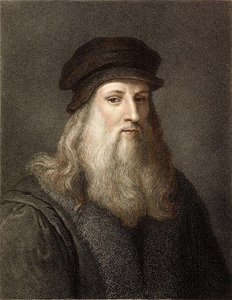
Leonardo Da Vinci
1452 - 1519 , Italia
Kort om kunstneren
- Artistic Movement Or Style: Høyrenessansen
- Artists Or Movements Influenced By This Artist: ['Renessansekunst']
- Artists Who Influenced This Artist: ['Andrea del Verrocchio']
- Date Of Birth: 15. april 1452
- Date Of Death: 2. mai 1519
- Full Name: Leonardo di ser Piero da Vinci
- Nationality: Italiensk
- Notable Artworks:
- Mona Lisa
- Nattverden
- Vitruviansk mann
- Place Of Birth: Vinci, Italia
Relaterte artikler

Leonardo da Vincis 25 Mesterverk: Kunst, Historie og Inspirasjon for Ditt Hjem
Oppdag Leonardo da Vincis 25 mest ikoniske kunstverk! Fordyp deg i renessansens mesterverk – fra Mona Lisa til Nattverden. Historie, teknikk og inspirasjon for ditt hjem. Finn museumskvalitets reproduksjoner på OriginalUniqueArt.com.

Galleria degli Uffizi: Topp 25 Kunstverk for Din Vegg – Historie & Inspirasjon
Opplev renessansens storhet! Utforsk de 25 mest ikoniske kunstverkene i Galleria degli Uffizi, Firenze – fra Botticelli til Leonardo da Vinci. Historier, teknikker & inspirasjon for ditt hjem. Finn museumskvalitets reproduksjoner på OriginalUniqueArt.com.

Louvrens 25 Mesterverk: Kunsthistorie til Ditt Hjem | OriginalUniqueArt
Opplev Louvrens 25 mest ikoniske kunstverk! Fra Mona Lisa til Venus de Milo – lær historien bak mesterklassikere og finn inspirasjon for ditt hjem. Eksklusive reproduksjoner av høy kvalitet på OriginalUniqueArt.com.
Renessansens Menneskesyn: 10 Kunstverk som Definerte Epoken | OriginalUniqueArt
Opplev renessansens menneskesyn gjennom 10 ikoniske kunstverk! Leonardo da Vinci, Michelangelo & Botticelli. Historier, teknikker og tidløs skjønnhet. Finn museumskvalitets reproduksjoner på OriginalUniqueArt.com.
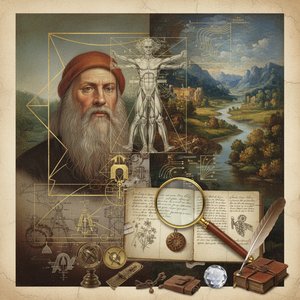
Leonardo da Vinci: A Renaissance Master’s Synthesis of Art, Science & Human Observation – Reinterpreted for the Collector
Explore Leonardo da Vinci’s timeless masterpieces with OriginalUniqueArt. Discover insights into his art, science, and legacy – trusted expertise for discerning collectors seeking authentic reproductions & investment opportunities.