
 Forhåndsvisning
 Send
Send Del med andre
 Vis detaljer

 Last ned bildet
 Liknende objekter
 Røntgenundersøkelse
 Lysbildefremvisning
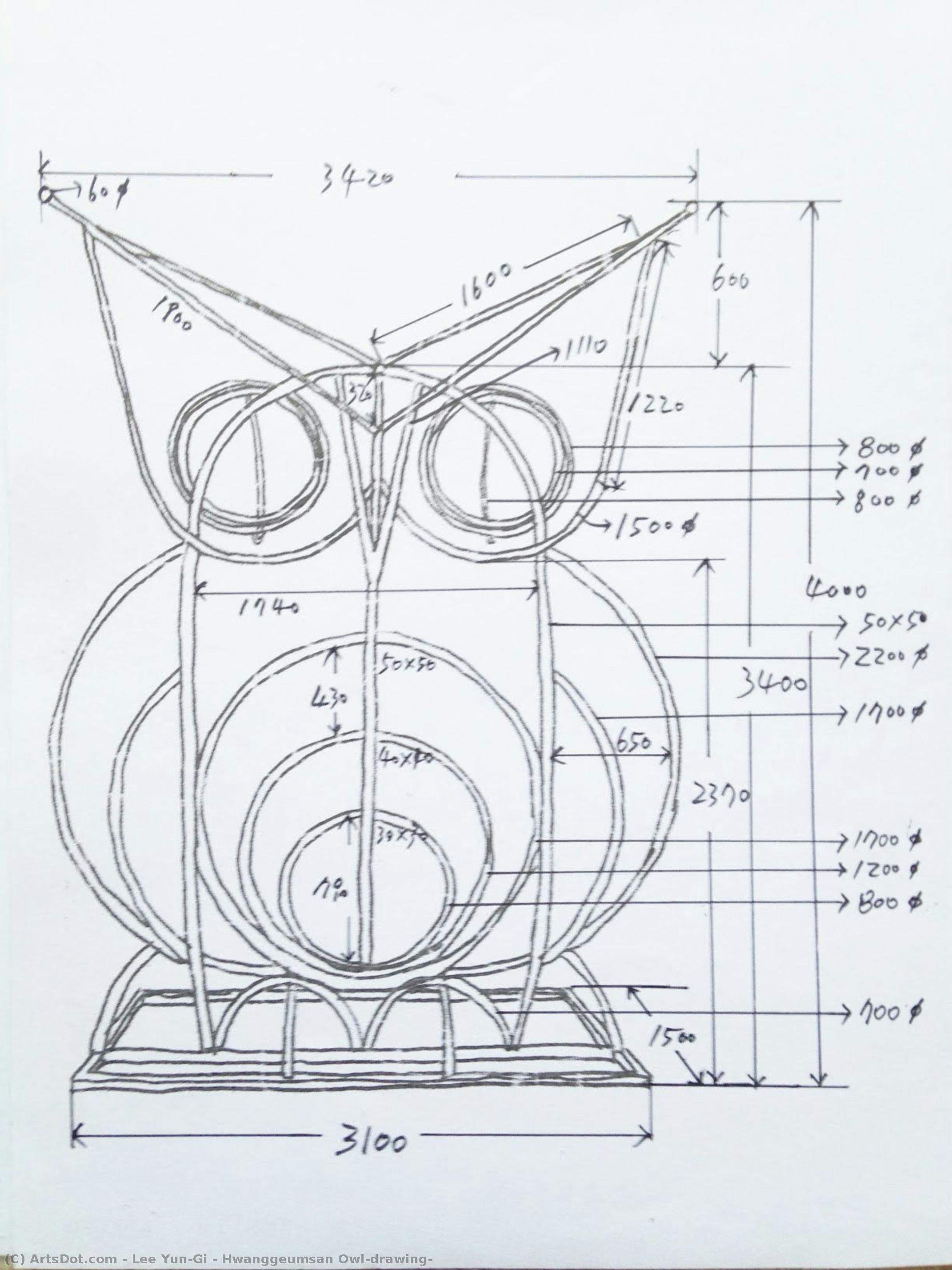
Hwanggeumsan Owl(drawing)

 Vis hele teksten
Kjøp et høyoppløselig, forbedret digitalt bilde som er langt bedre enn forhåndsvisningen på nettet.
Hver fil er omhyggelig klargjort av våre egne spesialister ved hjelp av avanserte verktøy og profesjonell manuell retusjering. Vi sørger for at hvert bilde har eksepsjonell klarhet, presis fargegjengivelse og fine detaljer.
Den endelige filen leveres via e-post innen 72 timer, optimalisert for umiddelbar bruk i profesjonelle, redaksjonelle og trykte miljøer. Dette er den samme kvaliteten som benyttes av ledende designstudioer, utgivere og gallerier.
Digitalt bilde
Last ned en høyoppløselig fil for personlig bruk, utskrift og kreative prosjekter. ( Kjøp trykk Kjøp håndlaget maleri)
Inkludert i alle bestillinger av digitale bilder
Ekspert digital levering, garantert
Når du velger OriginalUniqueArt.com, får du ikke bare et bilde – du mottar et profesjonelt forbedret digitalt kunstverk, skapt med presisjon og med en garantert tilfredshetsgaranti. Her er alt som automatisk følger med din bestilling:

Rask digital levering
Din høyoppløselige digitale bildefil sendes til din e-post innen 72 timer etter bestilling – klar til umiddelbar bruk.

KI-forbedret digital fil
Ditt kunstverk blir profesjonelt optimalisert ved hjelp av avanserte AI-verktøy og manuell redigering, noe som sikrer maksimal detaljrikdom, klarhet og fargegjengivelse.

Gratis livslang nyutlevering
Har du ved et uhell slettet eller mistet filen din? Ingen bekymring – vi sender den på nytt når som helst, helt gratis.

Ingen importavgifter – noen gang
Nyt ditt kunstverk umiddelbart uten toll, avgifter eller leveringskostnader – digitale nedlastinger er alltid avgiftsfrie.

Garantert fargenøyaktighet
Vi sikrer at ditt digitale bilde gjenspeiler de originale fargene så nøyaktig som mulig ved hjelp av profesjonelle verktøy og fargehåndtering.

60 dagers tilfredshetsgaranti
Hvis du ikke er fornøyd med ditt digitale bilde, vil vi revidere det eller refundere 100% innen 60 dager – uten spørsmål.

100% Penggaranti
Ikke fornøyd? Få full refusjon innen 60 dager etter at du har mottatt din digitale fil – uten spørsmål.

Rabatt ved storkjøp
Kjøp 3 bilder, spar 10% - Kjøp 5, spar 15% - Kjøp 10+, spar 20%. Ideelt for kreative prosjekter, gallerier og byråer.
Beskrivelse av samlerobjektet
Om kunstneren
The Weaver of Myth and Memory
Lee Yun-gi (1947–2010) occupied a rare space in the Korean cultural landscape, acting as a bridge between the profound depths of ancient mythology and the visceral realities of modern existence. Born in Gunwi-si, South Korea, his early life was shaped by the complex tensions of a nation navigating its postwar identity. While history often remembers him as a titan of literature—a prize-winning novelist and a prolific translator who brought the intricate labyrinths of Umberto Eco to Korean readers—his artistic soul sought expression through a more tactile medium. For Lee, the boundaries between the written word and the painted canvas were fluid; both served as vessels for exploring the psychological repercussions of conflict, displacement, and the enduring power of human connection.
His creative journey was profoundly marked by his observations during the Vietnam War, an experience that birthed his 1977 literary debut, Hayan Hellikop. This early encounter with the shadows of war ignited a lifelong preoccupation with themes of trauma and survival. As he matured, his intellectual horizons expanded through formal studies at Michigan State University, where he immersed himself in comparative literature and religious studies. This academic rigor allowed him to master the art of translation, eventually publishing over 150 works that included the heavy, symbolic weight of Greek and Roman myths. This deep immersion in classical archetypes provided the foundational vocabulary for his visual art, allowing him to infuse his paintings with a sense of timelessness and universal truth.
Texture, Symbolism, and the Visual Narrative
In his transition from the precision of translation to the expressive freedom of painting, Lee Yun-gi developed a stylistic approach that was as much about physical sensation as it was about visual representation. His work is characterized by a remarkable use of texture, where layers of pigment are built upon the canvas to create a palpable, sculptural depth. This technique does not merely depict a subject; it invites the viewer to feel the weight of history and the grit of memory. In celebrated pieces such as Blue-eyed Owl, Lee utilizes avian symbolism—a recurring motif in his oeuvre—to evoke a sense of watchful wisdom and the ethereal connection between the earthly and the divine.
The artist’s ability to blend disparate elements is perhaps his greatest achievement. His paintings often mirror the structure of his prose, utilizing subtle variations in color and heavy impasto to drive a narrative forward without the need for explicit depiction. In series such as the Migrant Bird Series, he explores the poignant themes of displacement and the search for home, reflecting the socio-political shifts of the Korean peninsula. Through his use of light and shadow, Lee creates landscapes that feel both intimately personal and mythically vast, turning the canvas into a space where the individual struggle meets the collective human experience.
A Legacy of Intercultural Dialogue
The historical significance of Lee Yun-gi lies in his role as a cultural mediator. By translating the complexities of Western thought into the Korean vernacular, and subsequently translating those same archetypes into a visual language, he fostered a unique intercultural dialogue. His work resisted the easy comforts of simple description, opting instead for a dynamic use of dialogue—both literal in his books and metaphorical in his paintings—to challenge and engage his audience. He approached life with a characteristic sense of optimism and wit, refusing to succumb to the despair of human cruelty, choosing instead to focus on the resolution of conflict through creativity.
Ultimately, Lee Yun-gi’s legacy is one of profound synthesis. He remains a significant figure in contemporary Korean art because he successfully merged the analytical precision of a scholar with the emotive power of a storyteller. His life's work stands as a testament to the idea that whether through the meticulous translation of a text or the heavy application of paint to a canvas, the ultimate goal of the artist is to uncover the universal truths that bind us all together across time and geography.

Lee Yun-gi
1947 - 2010 , South Korea
Kort om kunstneren
- Artistic Movement Or Style: Modern Fiction
- Date Of Birth: 1947
- Date Of Death: 2010
- Full Name: Lee Yun-gi
- Nationality: Korean
- Notable Artworks:
- Blue-eyed Owl
- Migrant Bird Series (DMZ Labor Party Office)
- Migrant Bird Series (The house just below)
- Place Of Birth: Gunwi-si, South Korea

