- Forsiden

- Trykk på lerret
- Lasar Segall
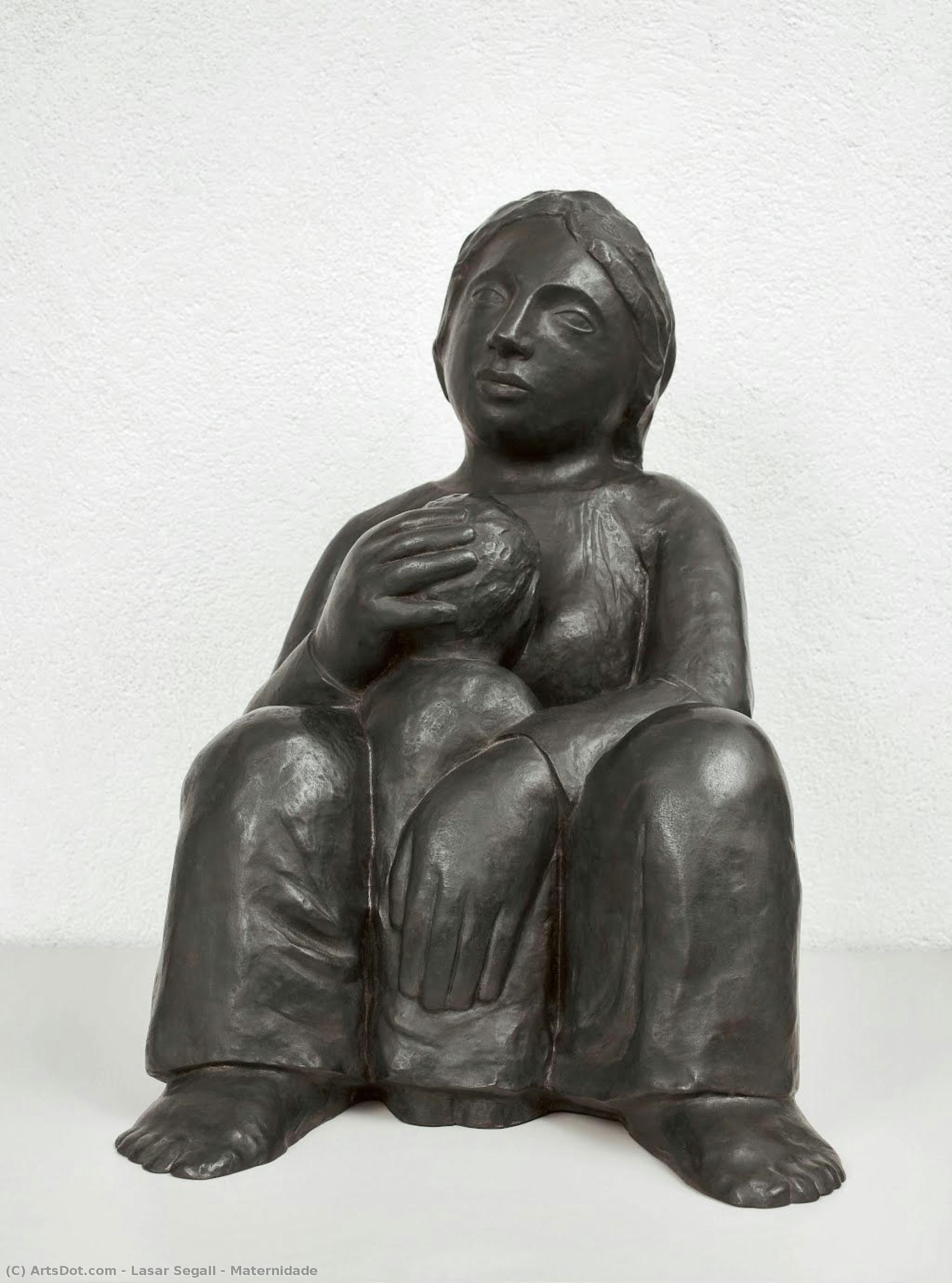
- Maternidade
 Bestill maleri Kjøp digitalt bilde
 Send
Send
 Del med andre
 Vis detaljer
 Legg til i favoritter

 Last ned bildet
 Liknende objekter
 Røntgenundersøkelse
 Lysbildefremvisning
Maternidade
 Olje på lerret
- Veggkunst
 Renessansen
 5.0 x 44.0 cm
 Museu Lasar Segall
 Vis hele teksten
Giclée / Kunsttrykk
Giclée- eller lerretsprint av museumskvalitet med rask produksjon og fleksible valgmuligheter for etterbehandling.




P118B $10

P118H $10

P118W $10

P438Z $10

P508JH $12

P508YH $12

P805H $10

P805Z $10

P919BZ $10

P919G $10

P919XJ $10

P959ZH $10

P968JZ $12

W106C $8

W218G $10

W218JH $8

W218Y $10

W307PJ $10

W316G $10

W316PJ $8

W316Y $10

W398PJ $8

W4111J $10

W500HY $15

W500JH $15

W692G $12

W849H $8

W940BG $15

W953PJ $8




Velg mellom våre forhåndsdefinerte størrelser som bevarer kunstverkets opprinnelige proporsjoner.

Du kan oppgi egne mål for å tilpasse en spesifikk ramme eller et bestemt område. Dersom den valgte størrelsen ikke samsvarer med det originale bildets proporsjoner, vil vi enten beskjære kunstverket eller utvide bildet med en speilet eller ensfarget kant. En digital mockup vil bli sendt til din godkjenning før produksjonen starter.
Vennligst merk at forhåndsvisningen på skjermen ikke gjenspeiler den faktiske beskjæringen eller utvidelsen. Kun mockuppen vil vise den endelige komposisjonen nøyaktig.
Selv om tilpassede størrelser er tilgjengelige, anbefaler vi å velge et mål fra den forhåndsdefinerte listen for å bevare de originale proporsjonene.
Verdensomspennende levering () på 2 uker i stedet for standard 4/5 uker. (18 July)

Gratis ekspressfrakt over hele verden

Lerretsduk av høykvalitets lin

Full forsikring under transport

Garanti for refusjon av toll og importavgifter

Garantert korrekt fargegjengivelse

60 dagers returrett (kun ved feil)

100% pengene tilbake-garanti

Rabatt ved flere kjøp
 Glassalternativet er kun tilgjengelig i størrelser under 110 cm

Maternidade
Giclée / Kunsttrykk
Størrelse på reproduksjon
-


Endelig pris
-
Beskrivelse av samleobjektet
Lasar Segall’s “Maternidade”: A Symphony of Vulnerability
“Maternidade” (Motherhood), painted in 1935 by the Lithuanian-Brazilian artist Lasar Segall, is more than a simple depiction of a woman and child; it's a profoundly moving exploration of human connection, displacement, and the enduring strength of familial bonds. Executed in oil on canvas, this work exemplifies Segall’s distinctive style – a potent blend of Expressionism, Cubism, and deeply personal symbolism rooted in his own experiences as a refugee and artist navigating profound social upheaval. It's a piece that whispers of resilience, loss, and the unwavering power of maternal love.
The composition itself is strikingly direct. A woman, rendered with a deliberate solidity yet imbued with an undeniable fragility, cradles her infant son within her arms. The child’s face remains largely obscured, adding to the sense of mystery and emphasizing the protective embrace of the mother. Segall's masterful use of color – earthy browns, muted greens, and touches of ochre – contributes significantly to the painting’s somber yet comforting atmosphere. These colors evoke a sense of groundedness, reflecting the primal connection between mother and child, while simultaneously hinting at the hardships endured by those displaced from their homes. The palette isn't bright or celebratory; it’s deliberately muted, mirroring the emotional weight of the subject matter.
A Reflection of Displacement and Resilience
Segall’s life story is inextricably linked to the artwork. Fleeing persecution in Lithuania during the early 20th century, he eventually settled in Brazil, carrying with him a deep sense of loss and a commitment to portraying the human condition with unflinching honesty. “Maternidade” can be interpreted as a powerful meditation on this experience – a testament to the resilience of the human spirit and the enduring need for connection amidst chaos. The painting’s raw emotion speaks directly to the universal themes of motherhood, protection, and the profound bond between generations. It's a poignant reminder that even in times of immense upheaval, the instinct to nurture remains.
The influence of Cubism is evident in Segall's fragmented forms and multiple perspectives, subtly suggesting the fractured nature of identity and experience often associated with displacement. Unlike some Cubist works focused on intellectual abstraction, Segall’s use of this technique serves to heighten the emotional impact of the scene, intensifying the viewer’s sense of empathy for the figures within. The slightly distorted shapes aren't merely an artistic choice; they represent a fractured reality – the disorientation and uncertainty felt by those forced to rebuild their lives in unfamiliar lands.
Symbolism and Emotional Resonance
Beyond its formal elements, “Maternidade” is rich in symbolic meaning. The woman’s posture – protective, enveloping, almost sculptural – suggests a fortress against the world, while her gaze conveys both tenderness and a quiet determination. The child’s presence represents not just future generations but also the continuation of life itself, a symbol of hope amidst adversity. The painting’s title itself underscores its central theme: the fundamental role of motherhood as a source of strength, security, and enduring love. It's a visual embodiment of unconditional devotion.
Segall's ability to capture such profound emotional depth through seemingly simple imagery is a testament to his artistic genius. “Maternidade” remains a powerful and timeless work – a poignant reminder of our shared humanity and the importance of cherishing those closest to us. This reproduction offers a unique opportunity to own a piece of art that transcends time, resonating with universal emotions and offering a glimpse into the soul of a remarkable artist.
Om kunstneren
A Life Forged in Displacement: The Journey of Lasar Segall
Lasar Segall’s life was a testament to the power of art born from displacement and suffering, a narrative etched onto canvas with raw emotion and innovative technique. Born on July 21, 1891, in Vilnius, Lithuania—then part of the Russian Empire—Segall inherited a profound connection to his Jewish heritage through his father, a Torah scribe. This early immersion in tradition would become a recurring undercurrent throughout his artistic explorations, even as he navigated a world increasingly defined by upheaval and change. His formative years were steeped in the anxieties of a society grappling with political unrest and religious persecution, themes that would later dominate his work. The seeds of an artist acutely sensitive to human vulnerability were sown early, nurtured by a childhood shadowed by uncertainty.From Berlin to Brazil: A Blossoming Artistic Voice
At fifteen, Segall embarked on a journey that would irrevocably shape his artistic trajectory, moving to Berlin in 1906 to study at the Königliche Akademie der Künste. This immersion into the vibrant German art scene proved pivotal, exposing him to new ideas and techniques while simultaneously solidifying his commitment to self-expression. He continued his studies in Dresden, becoming a “Meisterschüler” at the Kunstakademie, where he began developing a distinctive style characterized by troubled figures inhabiting claustrophobic spaces, their features often exaggerated to convey profound emotional distress. These early works were not merely representations of form; they were visceral expressions of alienation and suffering, influenced by African tribal art and foreshadowing the Expressionist movement that would soon claim him as one of its own. Segall’s involvement with the Dresden Secession Gruppe in 1919, alongside artists like Otto Dix and Conrad Felixmüller, marked a significant step toward artistic independence and a rejection of conventional norms. However, the turbulence of post-war Europe fueled his desire for a new beginning. In 1923, he made the momentous decision to relocate to São Paulo, Brazil, joining siblings who had already established themselves in the country. This move proved transformative, not only offering him refuge but also exposing him to a culture brimming with vibrant colors, diverse influences, and a unique energy that would infuse his art with new life.Brazilian Rhythms and Modernist Visions
Brazil became more than just a haven for Segall; it was a catalyst for artistic reinvention. He quickly embraced the country’s multifaceted identity, drawing inspiration from its bustling cities, lush landscapes, and diverse population. The red-light districts of Rio de Janeiro, the lives of plantation workers, and the vibrant energy of the favelas all found their way onto his canvases. His participation in the pivotal Semana de Arte Moderna (Modern Art Week) in 1922 solidified his position as a leading figure in the Brazilian modernist movement, challenging traditional artistic conventions and paving the way for a new era of creative expression. While retaining elements of Expressionism, Segall’s style evolved towards a more Cubist-influenced approach, reflecting the dynamic forms and bold colors of Brazilian life. He became a Brazilian citizen, fully immersing himself in the cultural landscape while continuing to explore universal themes of human suffering, displacement, and identity.A Legacy of Empathy and Social Commentary
The mature phase of Segall’s career was marked by a deepening exploration of portraiture, landscapes imbued with social commentary, and a continued commitment to portraying the marginalized and oppressed. His portraits, such as “Portrait of Lucy” (1937) and “Lucy with Flower” (1942), are particularly poignant, capturing not just physical likeness but also the inner lives and emotional complexities of his subjects. These works demonstrate an extraordinary ability to convey empathy and understanding through expressive brushwork and a keen sensitivity to human emotion. His landscapes often served as vehicles for social critique, reflecting on the realities of poverty, inequality, and injustice in Brazil. Throughout his life, Segall remained deeply connected to his Jewish heritage and experiences as an immigrant, themes that consistently resurfaced in his art. He died on August 2, 1957, leaving behind a rich artistic legacy that continues to resonate with audiences today. The Museu Lasar Segall in São Paulo, housed in his former residence and studio, stands as a testament to his enduring influence and provides invaluable insight into the life and work of this remarkable artist—a pivotal figure who bridged European traditions with Brazilian realities, leaving an indelible mark on the landscape of modern art. His work remains a powerful reminder of the importance of empathy, social consciousness, and artistic integrity.
Lasar Segall
1891 - 1957 , Lithuania
Kort om kunstneren
- Artistic Movement Or Style: Expressionism, Modernism
- Artists Or Movements Influenced By This Artist: ['Brazilian modern artists']
- Artists Who Influenced This Artist: ['African tribal art']
- Date Of Birth: July 21, 1891
- Date Of Death: August 2, 1957
- Full Name: Lasar Segall
- Nationality: Lithuanian-Brazilian
- Notable Artworks:
- Lucy with Flower
- Portrait of Lucy
- Place Of Birth: Vilnius, Lithuania
Relaterte artikler
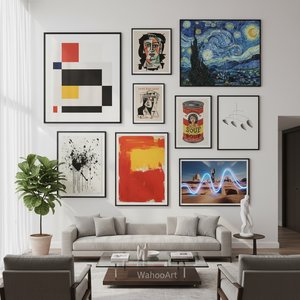
De 10 Mesterverkene som Definerte Moderne Kunst | Malerier & Inspirasjon
Utforsk de 10 mest innflytelsesrike maleriene fra moderne kunsts gullalder! Lær historien bak ikoniske verk av Picasso, Monet & mer. Finn museumskvalitets reproduksjoner og interiørinspirasjon på OriginalUniqueArt.com.

Umberto Boccioni: Dynamism, Futurist Ideals & the Evolution of Modern Sculpture
Explore the revolutionary art of Umberto Boccioni, a leading figure of Futurism. Discover his iconic sculptures & paintings, and delve into the movement's impact on modern art history with OriginalUniqueArt.
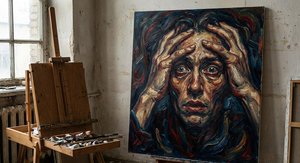
Figurative Expressionism: Emotional Intensity & Subjective Reality in 20th-Century Art
Explore the powerful world of Figurative Expressionism with OriginalUniqueArt. Discover key artists like Kirchner & Beckmann, understand its emotional depth, and learn how to collect this influential 20th-century art movement.
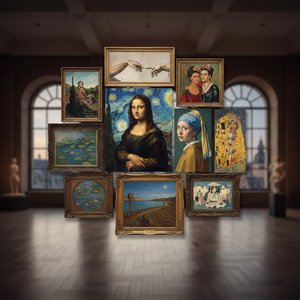
De 10 mest ikoniske oljemalerier som forandret kunsthistorien – OriginalUniqueArt.com
Oppdag de 10 mest innflytelsesrike oljemaleriene gjennom tidene! Fra Mona Lisa til Van Goghs mesterverk – lær historien bak ikoniske kunstverk og finn inspirasjon for ditt hjem. Museumskvalitet reproduksjoner på OriginalUniqueArt.com.

The Enduring Allure of Marble in Art History: From Classical Sculpture to Modern Abstraction
Explore the captivating history of marble sculpture from ancient Greece to modern art. Discover renowned artists like Canova & Michelangelo, carving techniques, and investment insights at OriginalUniqueArt.


