

 Se i rommet
 Del som digitalt kort
 Del
Del
 Detaljer
 Studentguide

 Last ned
 Liknende objekter
 Røntgen
 Lysbildefremvisning
 Besøksstatistikk
Cigar or bar cabinet


 Les mer
Giclée / Kunsttrykk
Giclée- eller lerretsprint av museumskvalitet med rask produksjon og fleksible valgmuligheter for etterbehandling. ( Bestill håndmalt reproduksjon Gå til digitalt bilde)




P118B Nkr10

P118H Nkr10

P118W Nkr10

P438Z Nkr10

P508JH Nkr12

P508YH Nkr12

P805H Nkr10

P805Z Nkr10

P919BZ Nkr10

P919G Nkr10

P919XJ Nkr10

P959ZH Nkr10

P968JZ Nkr12

W106C Nkr8

W218G Nkr10

W218JH Nkr8

W218Y Nkr10

W307PJ Nkr10

W316G Nkr10

W316PJ Nkr8

W316Y Nkr10

W398PJ Nkr8

W4111J Nkr10

W500HY Nkr15

W500JH Nkr15

W692G Nkr12

W849H Nkr8

W940BG Nkr15

W953PJ Nkr8




Velg mellom våre forhåndsdefinerte størrelser som bevarer kunstverkets opprinnelige proporsjoner.

Skriv inn bredden og høyden du trenger, slik at den passer til din ramme eller vegg. Et trykk kan kun beskjæres, aldri gjøres større enn bildet, så et format med en annen form vil miste en del av motivet. Vi sender deg en digital mockup for godkjenning før vi trykker noe som helst. Bildet som vises på denne siden viser ikke den faktiske beskjæringen — det er kun mockuppen som gjør det.
Verdensomspennende levering () på 2 uker i stedet for standard 4/5 uker. (27 October)

Gratis ekspressfrakt over hele verden

Lerretsduk av høykvalitets lin

Full transportforsikring

Garanti for refusjon av toll og importavgifter

Garantert fargeekthet

100 dagers returrett ved fabrikasjonsfeil

100% pengene tilbake-garanti

Mengderabatt
 Glassalternativet er kun tilgjengelig i størrelser under 110 cm

Cigar or bar cabinet
Giclée / Kunsttrykk
Format på reproduksjon
-


Totalpris
Nkr 761
Koloman Moser’s Cigar Bar: A Symphony of Geometric Elegance
The Vienna Secession movement, born in 1897 as a defiant reaction against the conservative artistic conventions of the Austro-Hungarian Empire, sought to forge a new aesthetic path—one rooted in clarity, precision, and an embrace of modern geometric forms. Among its most influential figures was Koloman Moser (1868–1918), a multifaceted artist who excelled not only as a graphic designer but also as a furniture maker, architect, and textile artist. His “Cigar Bar,” created around 1903, embodies the spirit of this revolutionary movement perfectly—a testament to Moser’s unwavering commitment to Gesamtkunstwerk ideals: the unification of art and craft into a single harmonious whole.- Historical Context: The Secession emerged from a milieu grappling with anxieties about industrialization and societal change, rejecting the ornate grandeur of Historicism in favor of a more austere yet intellectually stimulating aesthetic. Moser’s work reflects this ethos, aligning itself with the broader cultural currents shaping Vienna at the turn of the century.
- Design Principles: The cabinet's design is characterized by its striking simplicity—a double stand-like base supporting a cube-shaped body divided into two halves by a mirror. This geometric structure immediately establishes a sense of balance and order, mirroring the principles championed by Josef Hoffmann and Ludwig Wittgenstein, who were instrumental in establishing Wiener Werkstätte.
- Material & Technique: Constructed primarily from walnut wood, Moser’s masterpiece showcases exceptional craftsmanship. The intricate inlay work covering the entire body is executed with meticulous attention to detail—rows of symmetrical motifs crafted from brass and enamel—demonstrating a mastery of traditional techniques adapted for contemporary expression.
The Mirror's Reflection: Symbolism and Spatial Illusion
Beyond its formal geometry, “Cigar Bar” possesses a profound symbolic dimension. The inclusion of a mirror within the cabinet’s interior serves as more than just a functional element; it represents introspection and duality—a visual metaphor for contemplating one's own identity amidst the complexities of the surrounding world. Moser skillfully employs spatial illusion to heighten the viewer’s experience, creating an atmosphere of refined contemplation. The mirrored surface subtly expands the perceived dimensions of the space, inviting viewers to immerse themselves in its elegant simplicity.- Vienna Secession Influence: Moser's embrace of geometric abstraction aligns seamlessly with the Secession’s rejection of academic conventions and its pursuit of expressive forms inspired by Japanese art and Islamic design—a deliberate departure from Western artistic traditions.
- Decorative Motifs: The symmetrical motifs adorning the cabinet’s surface are not merely decorative embellishments; they embody the Secession's fascination with mathematical precision and harmonious proportions—reflecting a belief in the power of rational order to elevate aesthetic experience.
A Celebration of Craftsmanship and Artistic Vision
Featured prominently in the eighth Secession exhibition, “Cigar Bar” solidified Moser’s reputation as one of Vienna's foremost artists of the Art Nouveau era—a movement that celebrated organic forms and flowing lines while simultaneously embracing technological innovation. The piece exemplifies the Gesamtkunstwerk ideal—the unification of art and craft into a single cohesive artistic statement—demonstrating Moser’s unwavering belief in the transformative potential of creative collaboration. Its enduring appeal lies not only in its exquisite aesthetic qualities but also in its embodiment of Vienna's cultural dynamism during a pivotal moment in European history.- Ver Sacrum Publication: The Secession’s periodical Ver Sacrum documented Moser’s artistic endeavors and championed his innovative approach to design—further elevating his profile within the Viennese art community.
- Legacy & Influence: “Cigar Bar” continues to inspire designers and artists today, serving as a timeless exemplar of geometric elegance and masterful craftsmanship—a testament to Koloman Moser's enduring contribution to the history of Art Nouveau.
Provenance and Recognition
The cabinet’s inclusion in the György Ráth Villa collection underscores its significance within Viennese art history. Its appearance in issue no. 3 of Ver Sacrum cemented Moser’s place as a leading figure of the Secession movement—a celebration of artistic innovation and cultural dynamism that reverberates through the decades. Today, “Cigar Bar” resides in the Museum of Applied Arts Vienna (MAK), where it stands as an enduring symbol of Austria's artistic heritage—a masterpiece crafted with unwavering dedication to both aesthetic beauty and intellectual rigor.Spørsmål og svar
Er "Cigar or bar cabinet" av Koloman Moser et velkjent kunstverk?
"Cigar or bar cabinet" av Koloman Moser har et Recognized popularitetsnivå. Denne klassifiseringen gjenspeiler hvor utbredt verket er anerkjent.
Befinner "Cigar or bar cabinet" seg i kunstnerens hjemland?
Nei – kunstverket oppbevares i utlandet. "Cigar or bar cabinet" befinner seg i Hungary, mens Koloman Moser ble født i Kroatia.
Hvor harmoniske er fargene i "Cigar or bar cabinet" av Koloman Moser?
Fargene i "Cigar or bar cabinet" av Koloman Moser viser en Unified Palette harmoni. Harmoni beskriver hvordan fargene forholder seg til hverandre.
Kunstnerbiografi
Early Life and Education
Koloman Moser, født den 30. mars 1868 i Wien, Østerrike-Ungarn (nå en del av Kroatia), var en sentral figur i det østerrikske kunstmiljøet, spesielt kjent for sine bidrag til grafisk kunst og som grunnlegger av Wiener Secession-bevegelsen. Hans kunstneriske reise begynte med formell utdanning ved Wiener Akademie og Kunstgewerbeschule, hvor han senere ble lærer fra 1899. Denne akademiske bakgrunnen var avgjørende for å forme hans mangfoldige karriere innen ulike medier. Mosers familiebakgrunn påvirket hans tidlige eksponering for kunst og design, og fremmet en skarp observasjonsevne og estetisk sans som ville definere hans kunstneriske stil. Han vokste opp i et miljø preget av kunstnerisk interesse, noe som ga ham et solid grunnlag for å utvikle sine egne kreative evner.Artistic Contributions: A Multifaceted Career
Mosers bidrag til kunsten var utrolig varierte og omfattende. Han utmerket seg i flere disipliner, og hans arbeid spenner over en rekke medier.- Grafisk kunst: Mosers innflytelse på grafisk kunst er uomtvistelig. Han designet frimerker, magasinillustrasjoner og andre trykkmaterialer med distinkte geometriske mønstre og stiliserte bilder. Hans design var preget av klarhet, eleganse og innovativ bruk av typografi.
- Mote og anvendt kunst: Ut over grafisk design utvidet Mosers talent seg til mote, glassmalerier, porselen, keramikk, blåst glass, servise, sølv og smykker. Dette demonstrerer hans engasjement for å integrere kunst i hverdagen.
- Arkitektur: Hans arkitektoniske design, spesielt mosaikken og glassvinduene i Kirche am Steinhof i Wien (1904), viser hans evne til å blande kunstnerisk visjon med funksjonell design. Disse verkene regnes som mesterverk innen Art Nouveau-arkitektur.
The Wiener Werkstätte and Collaborative Spirit
I 1903 dannet Moser sammen med Josef Hoffmann det Wiener Werkstätte (Wiener Verkstatt). Dette samarbeidsverksted hadde som mål å skape estetisk tiltalende husholdningsartikler ved å forene kunstnere og håndverkere. Wiener Werkstätte fremmet en filosofi om “Gesamtkunstwerk” – total kunstverk, hvor alle aspekter av et objekt, fra design til produksjon, ble nøye vurdert. Mosers deltakelse i Wiener Werkstätte forsterket hans engasjement for funksjonell skjønnhet og hevet statusen til anvendt kunst. Verkstedet ble et senter for innovasjon og eksperimentering innen kunst og håndverk, og Moser spilte en nøkkelrolle i å forme dets estetiske retning.Influences, Development, and Legacy
Mosers kunstneriske utvikling ble påvirket av flere viktige bevegelser, inkludert Art Nouveau, Symbolisme og Wiener Secession. Han fant inspirasjon i japanske treblokkupapirer, som informerte hans bruk av flate farger og forenklede former. Hans stil utviklet seg over tid, og ble stadig mer abstrakt og geometrisk mens han beholdt en følelse av eleganse og raffinement. Mosers arv er sikret gjennom hans design, som er immortaliserte på den østerrikske 100 euro-mynten for Kirche am Steinhof (2005), som anerkjenner hans vedvarende innflytelse på kunst og design. Han døde i Wien i 1918, og etterlot seg et betydelig kunstnerisk verk som fortsatt inspirerer kunstnere og designere i dag. Hans bidrag hjalp til å forme kunstens og designets gang, og understreket viktigheten av å integrere skjønnhet i hverdagsgjenstander og -rom. Han var en mann med et visjonært blikk for fremtiden, som så at kulturendring krevde et prosjekt som måtte spres bredt.Notable Works
Mosers kunstneriske produksjon er rikholdig og variert, og inkluderer:- Postkortdesign: Hans postkortdesign var kjent for sin klare linje og elegante komposisjon.
- Glassmalerier: Han skapte vakre glassmalerier for Kirche am Steinhof, som er et eksempel på hans evne til å kombinere kunstnerisk visjon med funksjonell design.
- Møbler og interiørdesign: Mosers møbler og interiørdesign var preget av en minimalistisk stil og bruk av naturlige materialer.
- Grafiske trykk: Han produserte et stort antall grafiske trykk, inkludert plakater og illustrasjoner for magasiner.

Koloman Moser
1868 - 1918 , Kroatia
Kort om kunstneren
- Artistic Movement Or Style: Secesjonen i Wien
- Artists Or Movements Influenced By This Artist: ['Secesjonen i Wien']
- Artists Who Influenced This Artist: ['Wiener Werkstätte']
- Date Of Birth: 30 mars 1868
- Date Of Death: 18 okt 1918
- Full Name: Koloman Moser
- Nationality: Østerriksk
- Notable Artworks:
- Dekorasjon av fasade
- Danser
- Tre liggende kvinner
- Frøkongen
- Slaget mellom titanene
- De tre gracier
- Lys
- Place Of Birth: Vienna, Kroatia
Relaterte artikler

The Vienna Secession: A Rebellion of Form & Spirit in Fin-de-Siècle Art
Discover the revolutionary Vienna Secession art movement! Explore Klimt, Olbrich & more. Learn about its history, characteristics & lasting influence on modern art. High-quality reproductions available.

The Vienna Secession: A Golden Revolution of Modernism and the Legacy of Gustav Klimt
Explore the profound impact of the Vienna Secession movement. Discover how visionaries like Gustav Klimt revolutionized modern art through symbolism, gold leaf, and the concept of Gesamtkunstwerk in this expert-led historical guide.
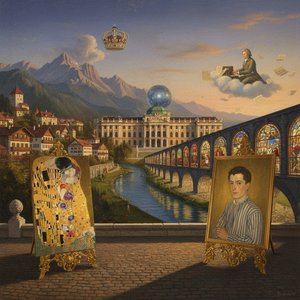
Austrian Masterpieces: A Journey Through the Soul of Central European Art
Embark on a sophisticated journey through Austrian art history. Explore the golden brilliance of Gustav Klimt and the elegance of the Vienna Secession through an expert lens, celebrating the enduring soul of Central European masterpieces.
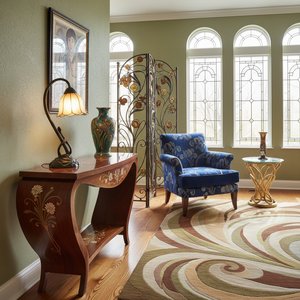
Art Nouveau: Topp 10 Mesterverk som Definerte Epoken – Malerier og Inspirasjon fra OriginalUniqueArt.com
Oppdag de 10 mest ikoniske Art Nouveau mesterverkene! Lær historien bak Alphonse Mucha, Gustav Klimt og andre jugendstil-kunstnere. Finn inspirasjon til interiørdesign og kjøp museumskvalitets reproduksjoner på OriginalUniqueArt.com – din kilde for tidløs kunst.
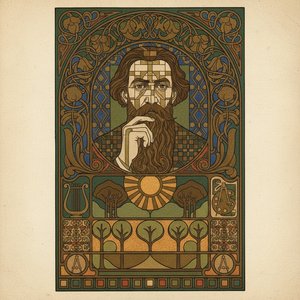
Koloman Moser: A Synthesis of Art Nouveau, Secessionism & the Gesamtkunstwerk Ideal
Explore the life & work of Koloman Moser, a pivotal figure in the Vienna Secession & Wiener Werkstätte. Discover his stunning graphic design, architecture, and applied arts – a true pioneer of Viennese Art Nouveau. Learn more at OriginalUniqueArt.
