
 Forhåndsvisning
 Send
Send Del med andre
 Vis detaljer

 Last ned bildet
 Liknende objekter
 Røntgenundersøkelse
 Lysbildefremvisning
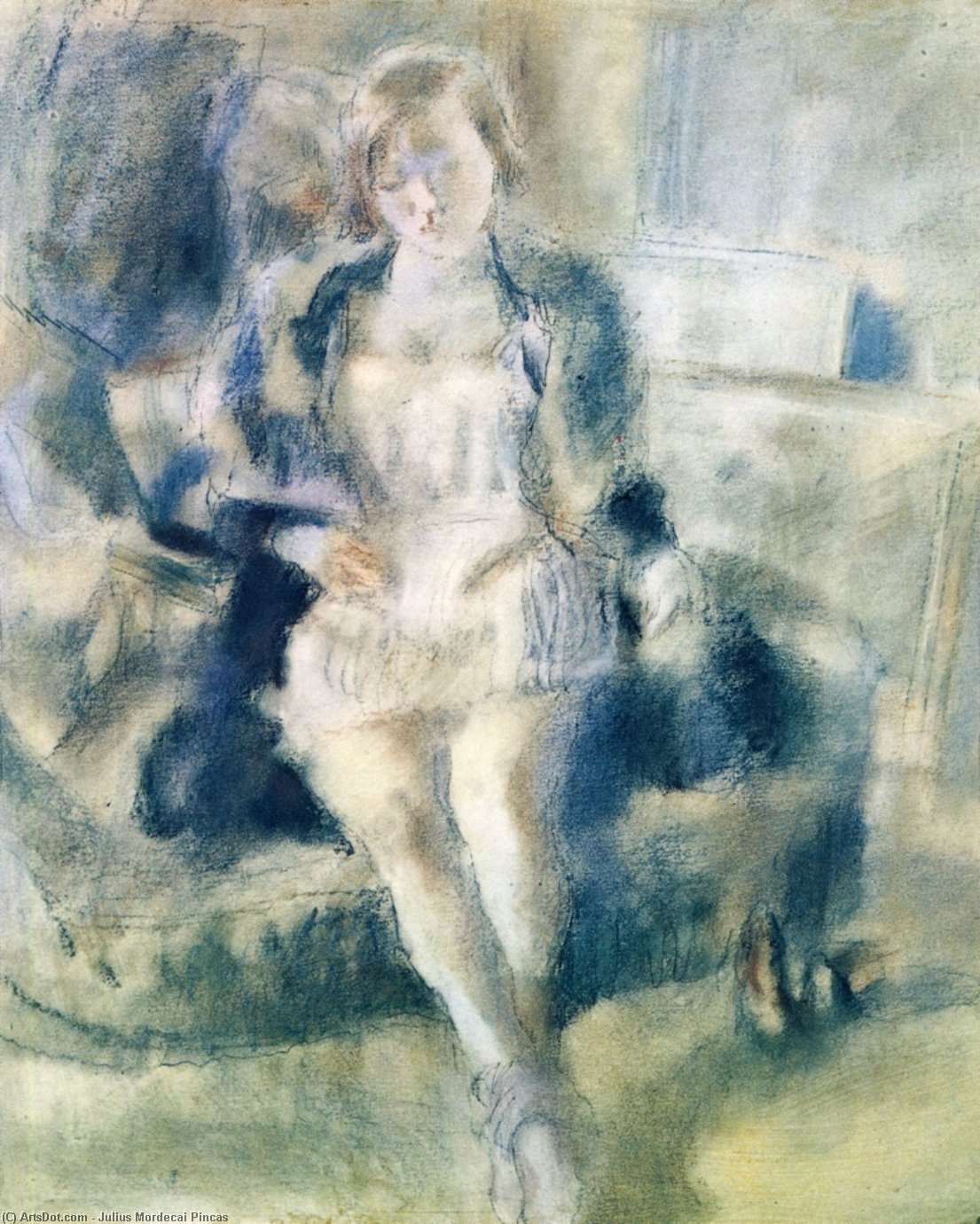
Mrieille


 Vis hele teksten
Håndlaget oljereproduksjon
Håndmalt olje på lerret i din valgte størrelse og ramme, laget på bestilling av våre kunstnere. ( Kjøp trykk Kjøp bilde)




P118B $10

P118H $10

P118W $10

P438Z $10

P508JH $12

P508YH $12

P805H $10

P805Z $10

P919BZ $10

P919G $10

P919XJ $10

P959ZH $10

P968JZ $12

W106C $8

W218G $10

W218JH $8

W218Y $10

W307PJ $10

W316G $10

W316PJ $8

W316Y $10

W398PJ $8

W4111J $10

W500HY $15

W500JH $15

W692G $12

W849H $8

W940BG $15

W953PJ $8




Velg mellom våre forhåndsdefinerte størrelser som bevarer kunstverkets opprinnelige proporsjoner.

Du kan angi egne mål for å tilpasse en spesifikk ramme eller plass. Dersom den valgte størrelsen ikke samsvarer med originalbildets proporsjoner, vil vi enten beskjære kunstverket eller utvide maleriet med ytterligere håndmalte elementer. En digital mockup vil bli sendt til din godkjenning før produksjonen starter.
Vennligst merk at forhåndsvisningen på skjermen ikke gjenspeiler den faktiske beskjæringen eller utvidelsen. Kun mockuppen vil vise den endelige komposisjonen nøyaktig.
Selv om tilpassede størrelser er tilgjengelige, anbefaler vi å velge et mål fra den forhåndsdefinerte listen for å bevare de originale proporsjonene.
Etter bestilling vil OriginalUniqueArt.com-teamet sende e-post til kunden for instruksjoner og sende et utkast (mockup) som forhåndsvisning.
Verdensomspennende levering () på 3–4 uker i stedet for standard 5 uker. (22 August). Ingen kompromisser med kvaliteten.

Gratis ekspressfrakt over hele verden

Lerretsduk av høykvalitets lin

Full forsikring under transport

Garanti for refusjon av toll og importavgifter

Garantert korrekt fargegjengivelse

60 dagers returrett (kun ved feil)

100% pengene tilbake-garanti

Rabatt ved flere kjøp
 Glassalternativet er kun tilgjengelig i størrelser under 110 cm

Mrieille
Teknikk for reproduksjon
Størrelse på reproduksjon
-


Endelig pris
$ 300
Beskrivelse av kunstverket
Mireille - A Portrait of Delicate Beauty Amidst Parisian Shadows
The painting “Mireille” by Jules Pascin (1930) stands as a testament to the School of Paris’s fascination with capturing fleeting moments and conveying profound emotion through subtle visual cues. More than just a depiction of a woman seated on a couch, it's an exploration of vulnerability and quiet contemplation within the bustling backdrop of early 20th-century Parisian life.- Subject Matter: Pascin’s subject is Hermine David, a fellow artist and muse who became his lifelong companion. The portrait captures her serene gaze as she rests on a couch, crossed legs suggesting both comfort and restraint.
- Style & Technique: Executed in pastel and fusain on carton prepared à la gouache, “Mireille” exemplifies Pascin’s signature style—characterized by muted colors, atmospheric lighting, and meticulous detail. The artist skillfully employs hatching and cross-hatching to sculpt the form of David's body, creating a sense of depth and texture that draws the viewer into the scene.
- Historical Context: Created during Pascin’s Parisian years, “Mireille” reflects the artistic spirit of the time—a movement embracing Impressionism’s exploration of light and color alongside Expressionist tendencies to convey psychological states. The painting aligns with the broader aesthetic concerns of École de Paris artists who sought to depict human experience with honesty and sensitivity.
- Symbolism: The couch itself symbolizes domestic tranquility, yet David's posture conveys a subtle melancholy—perhaps hinting at unspoken anxieties or reflections on life’s complexities. Pascin’s masterful use of light casts shadows across David’s face, emphasizing her vulnerability and adding to the painting’s emotional resonance.
- Emotional Impact: “Mireille” succeeds in capturing a moment of quiet introspection—a portrait that invites contemplation about beauty, solitude, and the human condition. Its understated elegance speaks volumes about Pascin's ability to distill profound emotion into deceptively simple visual elements.
Provenance & Recognition
The artwork is housed at Centre Pompidou in Paris, a prestigious institution dedicated to modern art and cultural heritage. It was generously donated by Hermine David and Lucy Krohg in 1936, cementing its place within the canon of École de Paris masterpieces. Its inclusion in exhibitions like “Ginette and Mireille” (2014) underscores Pascin’s enduring influence on artistic discourse.Further Exploration & Collecting
Interested collectors can delve deeper into Jules Pascin's oeuvre through publications such as "20th Century Drawings" by Una E. Johnson, which meticulously examines his stylistic innovations and thematic preoccupations. Notably, “Ginette and Mireille” was featured prominently in the 2014 exhibition “Pascin: Exposition Pascin au Japon,” showcasing his work alongside contemporaries like Picasso and Matisse—a testament to his contribution to European art history.Resources & Inspiration
For those seeking inspiration or delving into the world of Impressionistic pastel portraits, explore articles detailing Jules Pascin’s artistic journey and legacy. Discover how he captured the essence of human emotion through masterful technique and evocative imagery – a timeless pursuit that continues to resonate with artists and audiences alike.Om kunstneren
Julius Mordecai Pincas (Jules Pascin): A Biography
Julius Mordecai Pincas, better known as Jules Pascin, stands as a singular voice within the vibrant tapestry of early 20th-century art – specifically, the School of Paris. Born in Vidin, Bulgaria, on March 31st, 1885, into a wealthy Sephardic Jewish family deeply rooted in grain trading, his artistic journey began amidst familial disapproval for his penchant for satirical sketches. This initial hesitation would ultimately fuel an unwavering dedication to capturing the essence of human experience with unparalleled sensitivity and boldness.Early Life and Influences
His formative years were spent in Bucharest, where he absorbed the cultural currents shaping Romania at the time. From a young age, Pascin demonstrated an innate fascination for art, sketching prolifically even within the unconventional setting of a Parisian brothel – a detail that foreshadowed his distinctive artistic vision. His father’s reservations regarding his rebellious drawings underscored the importance of familial acceptance in nurturing creative pursuits. He pursued formal education in Vienna (1902) and Munich (1903), immersing himself in the burgeoning artistic landscape of Central Europe and forging connections with luminaries like Paul Klee and Wassily Kandinsky, artists who championed experimentation and challenged conventional aesthetic norms. These encounters profoundly impacted his stylistic development.Parisian Years and Artistic Development
Pascin’s arrival in Paris in 1905 marked the commencement of a transformative period characterized by artistic exploration and social engagement. He swiftly established himself within “Les Dômiers,” a bohemian circle at Café le Dome, where he cultivated relationships with fellow artists and writers—a milieu that nurtured his rebellious spirit and fueled his creative output. Initially influenced by Fauvism and Cézanne, Pascin’s early canvases showcased portraits and nudes rendered in vibrant hues and expressive brushstrokes – techniques that would become hallmarks of his oeuvre. He diligently studied at the Académie Matisse, honing his skills while simultaneously drawing inspiration from the grandeur of 18th-century masters like Greuze and Watteau, artists who excelled in portraying human emotion with dramatic intensity. However, Pascin refused to adhere strictly to established conventions; he sought to forge a unique artistic path—one that prioritized psychological depth and emotional resonance above all else.Themes and Artistic Style
Pascin’s artistic signature resided in his unwavering focus on women – figures rendered with remarkable tenderness and vulnerability. He captured their sensual beauty and inner complexities through carefully composed scenes bathed in evocative light and shadow, creating an atmosphere of palpable emotion. His paintings are distinguished by bold color palettes—often dominated by reds, yellows, and greens—and masterful brushwork that conveyed movement and dynamism. Beyond mere visual representation, Pascin’s art probed the depths of human consciousness, hinting at unspoken desires and anxieties. He achieved particular renown for his watercolors and drawings, which served as conduits for conveying profound psychological states.Major Works and Achievements
Among Pascin's most celebrated creations are *Nude with a Green Hat* (1925), housed in the Cincinnati Art Museum, and *Little Girl on an Armchair* (1925)—works that exemplify his ability to distill complex emotions into striking visual forms. His depiction of *Loose Women* (1911) captured the spirit of its time—a period marked by social upheaval and shifting moral sensibilities. Furthermore, *Portrait of Hermine David* (1918), residing in the Musée National d'Art Moderne, Centre Pompidou in Paris, stands as a testament to his artistic prowess and enduring legacy. His paintings continue to captivate audiences worldwide through reproductions offered by platforms like OriginalUniqueArt.com—a lasting tribute to an artist who dared to confront darkness with luminous color and unwavering conviction. Despite achieving considerable acclaim during his lifetime, Pascin wrestled with debilitating depression and alcoholism – challenges that ultimately culminated in a tragic suicide in June 1930 at the age of 45. Nevertheless, Jules Mordecai Pincas’s artistic legacy persists—a beacon illuminating the path of subsequent generations of artists who embraced experimentation and pursued truthfulness in their depictions of human experience.
Jules Pascin
1885 - 1930 , Bulgaria
Kort om kunstneren
- Artistic Movement Or Style: Skolen Paris, Ekspressionisme
- Artists Who Influenced This Artist:
- Paul Cézanne
- Henri Matisse
- Date Of Birth: 1885-03-31
- Full Name: Julius Mordecai Pincas
- Nationality: Bulgarisk
- Notable Artworks:
- Nude med en grön hatt
- Liten flicka på en stol
- Släppta kvinnor
- Place Of Birth: Vidin, Bulgaria
Relaterte artikler

The Hague School: Realism, Atmosphere & the Dawn of Dutch Impressionism
Explore the Hague School's pivotal role in Dutch art history. Discover realism, atmospheric landscapes & its influence on Impressionism. Learn about key artists like Mauve & Maris with OriginalUniqueArt.
Capturing the Grey Light: A Journey Through the Soulful Atmosphere of the Hague School
Explore the evocative beauty of the Hague School. Discover how Dutch masters captured the soulful 'grey light' through atmospheric realism and tonalism, paving the way for Impressionism. A deep dive into the misty landscapes and emotional depth of this legendary art movement.

Hudson River School: Topp 10 Malerverk som Definerte en Epoke – Kunst og Dekorasjon
Opplev Hudson River School! Utforsk 10 ikoniske malerier av Thomas Cole, Frederic Church og andre mestere. Lær om romantikkens landskapskunst og finn inspirasjon til din interiørdesign på OriginalUniqueArt.com – museumskvalitet reproduksjoner online.

The Sublime Landscape: Exploring the Hudson River School Movement
Explore the captivating world of the Hudson River School! Discover the history, artists, and defining characteristics of this iconic American art movement. Learn about Romanticism's influence & find inspiration for your collection.

The Ashcan School: A Guide to Urban Realism for Professional Interior Design and Hospitality Procurement
Discover the raw energy of the Ashcan School. Our guide for hotel designers explores urban realism, offering professional insights into sourcing hand-painted oil reproductions and custom large-scale murals for high-end hospitality and corporate interiors.

