

 Forhåndsvisning
 Send
Send Del med andre
 Vis detaljer

 Last ned bildet
 Liknende objekter
 Røntgenundersøkelse
 Lysbildefremvisning
Vita somnium breve
 Akryl på lerret
- Veggkunst
- Art Nouveau Modern
 1906
1906 163.0 x 143.0 cm
 Nasjonalmuseet i Kraków
 Vis hele teksten
Håndlaget oljereproduksjon
Håndmalt olje på lerret i din valgte størrelse og ramme, laget på bestilling av våre kunstnere. ( Kjøp trykk Kjøp bilde)




P118B $10

P118H $10

P118W $10

P438Z $10

P508JH $12

P508YH $12

P805H $10

P805Z $10

P919BZ $10

P919G $10

P919XJ $10

P959ZH $10

P968JZ $12

W106C $8

W218G $10

W218JH $8

W218Y $10

W307PJ $10

W316G $10

W316PJ $8

W316Y $10

W398PJ $8

W4111J $10

W500HY $15

W500JH $15

W692G $12

W849H $8

W940BG $15

W953PJ $8




Velg mellom våre forhåndsdefinerte størrelser som bevarer kunstverkets opprinnelige proporsjoner.

Du kan angi egne mål for å tilpasse en spesifikk ramme eller plass. Dersom den valgte størrelsen ikke samsvarer med originalbildets proporsjoner, vil vi enten beskjære kunstverket eller utvide maleriet med ytterligere håndmalte elementer. En digital mockup vil bli sendt til din godkjenning før produksjonen starter.
Vennligst merk at forhåndsvisningen på skjermen ikke gjenspeiler den faktiske beskjæringen eller utvidelsen. Kun mockuppen vil vise den endelige komposisjonen nøyaktig.
Selv om tilpassede størrelser er tilgjengelige, anbefaler vi å velge et mål fra den forhåndsdefinerte listen for å bevare de originale proporsjonene.
Etter bestilling vil OriginalUniqueArt.com-teamet sende e-post til kunden for instruksjoner og sende et utkast (mockup) som forhåndsvisning.
Verdensomspennende levering () på 3–4 uker i stedet for standard 5 uker. (19 August). Ingen kompromisser med kvaliteten.

Gratis ekspressfrakt over hele verden

Lerretsduk av høykvalitets lin

Full forsikring under transport

Garanti for refusjon av toll og importavgifter

Garantert korrekt fargegjengivelse

60 dagers returrett (kun ved feil)

100% pengene tilbake-garanti

Rabatt ved flere kjøp
 Glassalternativet er kun tilgjengelig i størrelser under 110 cm

Vita somnium breve
Teknikk for reproduksjon
Størrelse på reproduksjon
-


Endelig pris
$ 300
Beskrivelse av kunstverket
Vita Somnium Breve: A Fragment of Polish Symbolism
Józef Mehoffer’s “Vita Somnium Breve” (Life is a Short Dream), completed in 1906, stands as a cornerstone of Art Nouveau stained glass artistry and embodies the spirit of Young Poland – a movement dedicated to reviving Polish national identity after centuries of partitions. Created by Krakowski Zakład Witrażów i Mozaiki S.G. Żeleński, this monumental window is housed in the National Museum of Kraków and offers a mesmerizing glimpse into the artistic sensibilities of its time. ### Artistic Style and Technique: The Fluid Embrace of Art Nouveau Mehoffer’s approach to stained glass aligns perfectly with the tenets of Art Nouveau – a style characterized by organic forms, flowing lines, and intricate ornamentation inspired by nature. Unlike the rigid geometric patterns prevalent in earlier styles, “Vita Somnium Breve” pulsates with dynamism. The artist skillfully employs curvilinear contours to depict figures and foliage, creating an illusion of movement that draws the viewer’s eye across the expansive surface. The technique itself involved meticulous layering of colored glass sheets held together by lead cames – a painstaking process demanding exceptional precision and artistic vision. ### Symbolism Within the Forest Scene: Dreams and Renewal The window's imagery transcends mere visual beauty; it is laden with symbolic meaning rooted in Polish folklore and Christian iconography. A group of individuals, predominantly women and children, populate a stylized woodland setting. These figures are not merely presented as subjects but actively engaged in contemplation – gazing upwards towards the heavens, suggesting aspirations for spiritual enlightenment and renewal. The dominant color palette—primarily shades of emerald green and sapphire blue—further reinforces this thematic resonance. Green symbolizes fertility, growth, and rebirth, while blue represents purity, faith, and divine grace. ### Historical Context: Young Poland’s Artistic Renaissance “Vita Somnium Breve” emerged during a period of fervent artistic revival within Young Poland (Młoda Polska), a nationalist movement striving to recapture Poland's cultural heritage amidst political instability. Artists like Mehoffer sought inspiration from Byzantine art and Celtic symbolism, reflecting the broader desire for spiritual renewal and national pride. The window’s commission underscores the importance placed on decorative arts as instruments of cultural expression during this transformative era—a testament to Kraków’s commitment to preserving its artistic legacy. ### Emotional Impact: Capturing Transient Beauty Ultimately, “Vita Somnium Breve” succeeds in conveying a profound sense of serenity and wonder. The luminous colors bathe the scene in an ethereal glow, inviting contemplation and fostering an appreciation for fleeting beauty. Mehoffer's masterful composition captures not just a visual representation but also an emotional state—a yearning for transcendence and a recognition of life’s ephemeral nature. Reproductions of this stunning artwork offer collectors and interior designers alike the opportunity to bring a piece of Polish artistic history into their homes, celebrating the enduring power of symbolism and craftsmanship.Om kunstneren
Henri Matisse: A Life Painted in Color
Henri Matisse, a name synonymous with vibrant color and fluid form, stands as one of the most pivotal figures in 20th-century art. Born in Le Cateau, France, in December 1869, his artistic journey began not with fervent ambition but with a surprising late interest – a revelation sparked by a box of paints gifted to him during convalescence. Initially drawn to the structured world of law, Matisse ultimately abandoned this path, embracing instead the intoxicating freedom of creative expression. His career spanned nearly six decades, witnessing and profoundly shaping the evolution of modern art, leaving behind an astonishingly diverse body of work that continues to captivate audiences worldwide.
Early Years and Artistic Foundations
Matisse’s early artistic training was decidedly conventional. He enrolled in the Académie Julian in Paris, studying under William-Adolphe Bouguereau, a master of academic realism. This period instilled in him a respect for traditional techniques and composition. However, Matisse quickly recognized that he sought something beyond mere imitation. He experimented with various styles – from Neo-Impressionism, influenced by Paul Signac’s pointillist approach, to Symbolism, absorbing the evocative moods of artists like Gustave Moreau. Crucially, his time in Paris exposed him to a vibrant artistic landscape, fostering an openness to new ideas and movements. It was during this period that he began to develop his distinctive palette and explore ways to convey emotion through color alone – a radical departure from prevailing artistic norms.
The Fauvist Revolution
Around 1905, Matisse’s artistic trajectory underwent a dramatic transformation. He joined forces with Paul Gauguin and André Derain in Collioure, on the French Riviera, where they collectively spearheaded what became known as the Fauvist movement – “Fauves” meaning “wild beasts.” This revolutionary style prioritized intense, non-naturalistic color, often applied in arbitrary and jarring combinations. Matisse’s paintings of this period, such as *Woman with a Hat* and *The Joy of Life*, exemplify this bold approach. He deliberately rejected the subtle gradations of tone favored by earlier artists, opting instead for flat planes of saturated hues that pulsed with energy and emotion. This deliberate disregard for realism was initially met with criticism, but it ultimately paved the way for future developments in modern art.
Mature Style and Artistic Evolution
Following the intensity of the Fauvist period, Matisse’s style evolved into a more refined and controlled aesthetic. He moved to Nice in 1917, seeking inspiration from the Mediterranean light and landscape. During this time, he developed a distinctive approach characterized by flattened forms, simplified shapes, and an economy of line – a deliberate move away from the illusionistic depth of earlier painting. His use of color remained central, but it was now employed with greater precision and restraint, creating a sense of harmony and balance. Works like *The Red Studio* (1913) demonstrate this shift towards geometric abstraction while retaining his signature vibrant palette. Later in his career, Matisse turned to the medium of paper cutouts – intricate designs created by cutting shapes from colored paper, a technique that allowed him to explore new forms of composition and spatial relationships.
Legacy and Historical Significance
Henri Matisse’s impact on the art world is immeasurable. He not only spearheaded the Fauvist movement but also profoundly influenced generations of artists who followed, including Pablo Picasso, André Derain, and many others. His emphasis on color as a primary means of expression revolutionized painting, demonstrating its power to evoke emotion and create visual experiences beyond mere representation. His work continues to be celebrated for its beauty, innovation, and enduring appeal. Matisse’s legacy extends far beyond the canvas; his approach to art—characterized by joy, spontaneity, and an unwavering belief in the transformative potential of color—remains a powerful inspiration today.

józef mehoffer
1869 - 1946
Kort om kunstneren
- Artistic Movement Or Style:
- Fauvism
- Modernism
- Artists Or Movements Influenced By This Artist: ['Pablo Picasso']
- Artists Who Influenced This Artist:
- William-Adolphe Bouguereau
- Paul Cézanne
- Date Of Birth: December 31, 1869
- Date Of Death: November 3, 1954
- Full Name: Henri-Émile-Benoît Matisse
- Nationality: French
- Notable Artworks:
- The Red Studio
- Dance (Matisse)
- Blue Nude
- Place Of Birth: Le Cateau, Picardy, France
Relaterte artikler
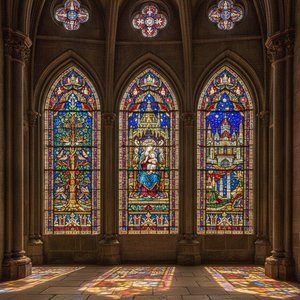
Luminous Masterpieces: The Captivating Beauty and Timeless Elegance of Stained Glass Artworks
Embark on a visual journey through the luminous world of stained glass art. Discover the exquisite craftsmanship, historical significance, and captivating beauty of masterworks from Art Nouveau to the Gothic era, curated for the discerning fine art enthusiast.
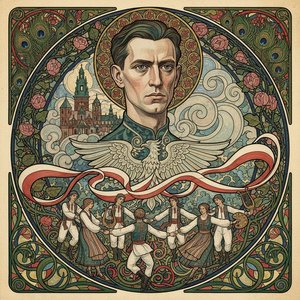
Stanisław Wyspiański: Symbolism, National Identity & the Polish Secession
Explore the life & work of Stanisław Wyspiański, a pivotal figure in Polish Symbolism and the Young Poland movement. Discover his iconic paintings, dramas, and stained glass designs reflecting national identity & artistic innovation.
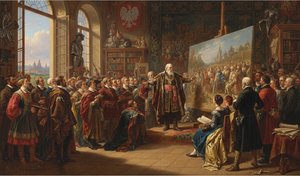
Jan Matejko: Historical Narrative & National Identity in 19th-Century Polish Painting
Explore the powerful historical paintings of Jan Matejko, Poland's national artist. Discover his iconic works & learn how he shaped Polish identity in the 19th century. High-quality reproductions available.
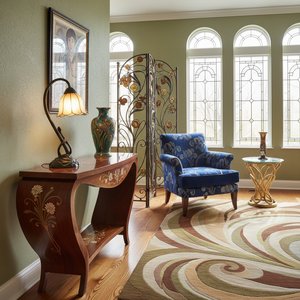
Art Nouveau: Topp 10 Mesterverk som Definerte Epoken – Malerier og Inspirasjon fra OriginalUniqueArt.com
Oppdag de 10 mest ikoniske Art Nouveau mesterverkene! Lær historien bak Alphonse Mucha, Gustav Klimt og andre jugendstil-kunstnere. Finn inspirasjon til interiørdesign og kjøp museumskvalitets reproduksjoner på OriginalUniqueArt.com – din kilde for tidløs kunst.
The Flowing Line & Flourishing Form: Exploring Art Nouveau's Aesthetic Legacy
Explore the captivating world of Art Nouveau! Discover its origins, key artists like Horta & Mucha, regional styles, innovative techniques, and lasting influence on architecture & design. A comprehensive guide for art enthusiasts.


