

 Se i rommet
 Del som digitalt kort
 Del
Del
 Detaljer
 Studentguide

 Last ned
 Liknende objekter
 Røntgen
 Lysbildefremvisning
 Besøksstatistikk
Hounds and a Magpie
 Oil On Canvas
- WallArt
- 18th Century Rococo
 1740
1740 152.0 x 128.0 cm
 Eremitasjen
 Les mer
Giclée / Kunsttrykk
Giclée- eller lerretsprint av museumskvalitet med rask produksjon og fleksible valgmuligheter for etterbehandling. ( Bestill håndmalt reproduksjon Gå til digitalt bilde)




P118B Nkr10

P118H Nkr10

P118W Nkr10

P438Z Nkr10

P508JH Nkr12

P508YH Nkr12

P805H Nkr10

P805Z Nkr10

P919BZ Nkr10

P919G Nkr10

P919XJ Nkr10

P959ZH Nkr10

P968JZ Nkr12

W106C Nkr8

W218G Nkr10

W218JH Nkr8

W218Y Nkr10

W307PJ Nkr10

W316G Nkr10

W316PJ Nkr8

W316Y Nkr10

W398PJ Nkr8

W4111J Nkr10

W500HY Nkr15

W500JH Nkr15

W692G Nkr12

W849H Nkr8

W940BG Nkr15

W953PJ Nkr8




Velg mellom våre forhåndsdefinerte størrelser som bevarer kunstverkets opprinnelige proporsjoner.

Skriv inn bredden og høyden du trenger, slik at den passer til din ramme eller vegg. Et trykk kan kun beskjæres, aldri gjøres større enn bildet, så et format med en annen form vil miste en del av motivet. Vi sender deg en digital mockup for godkjenning før vi trykker noe som helst. Bildet som vises på denne siden viser ikke den faktiske beskjæringen — det er kun mockuppen som gjør det.
Verdensomspennende levering () på 2 uker i stedet for standard 4/5 uker. (28 October)

Gratis ekspressfrakt over hele verden

Lerretsduk av høykvalitets lin

Full transportforsikring

Garanti for refusjon av toll og importavgifter

Garantert fargeekthet

100 dagers returrett ved fabrikasjonsfeil

100% pengene tilbake-garanti

Mengderabatt
 Glassalternativet er kun tilgjengelig i størrelser under 110 cm

Hounds and a Magpie
Giclée / Kunsttrykk
Format på reproduksjon
-


Totalpris
Nkr 768
A Sporting Symphony: John Wootton’s “Hounds and a Magpie”
John Wootton's "Hounds and a Magpie," painted in 1740, is more than just a charming depiction of dogs; it’s a meticulously crafted window into the aristocratic world of 18th-century England. This vibrant scene, measuring 152 x 128 cm, captures a moment of lively interaction amongst a carefully arranged group of hounds and a solitary magpie, all set within a subtly rendered landscape. Wootton, a pivotal figure in British sporting art, masterfully blended the burgeoning trends of animal portraiture with elements of classical composition, establishing himself as a leading voice in his era.
Wootton’s artistic journey began under the tutelage of Jan Wyck, providing him with a solid foundation in draftsmanship. However, it was his association with the Beaufort family that truly shaped his career, immersing him in the world of equestrian pursuits and aristocratic patronage. This connection is powerfully evident in “Hounds and a Magpie,” where the dogs are presented not merely as animals but as symbols of status, skill, and the pursuit of excellence – qualities highly valued within the circles frequented by figures like George II.
The Art of Sporting Portraiture
Wootton’s style is characterized by an elegant realism that prioritized capturing the essence of his subjects. He eschewed overly dramatic poses or theatrical lighting, instead favoring a naturalistic approach that highlighted the animals' grace and movement. Note the careful attention to detail in each hound – the texture of their coats, the alert expressions in their eyes, and the subtle variations in posture all speak to Wootton’s keen observational skills. The composition itself is carefully balanced, drawing the eye through the scene with a clear sense of depth and perspective.
The use of light and shadow further enhances the painting's realism. Wootton employs soft, diffused lighting that illuminates the dogs while leaving the background in gentle obscurity. This technique creates a sense of atmosphere and allows the viewer to fully appreciate the details of each animal. The subtle gradations of tone contribute significantly to the overall feeling of depth and three-dimensionality within the canvas.
Symbolism and Context
The inclusion of the magpie, perched on a branch, adds an intriguing layer of symbolism to the painting. Magpies were traditionally associated with intelligence, cunning, and even prophecy in folklore. In this context, the bird’s presence could be interpreted as a subtle commentary on the skills and instincts required for successful hunting – qualities admired in both dogs and their handlers. The setting itself—a gently rolling landscape reminiscent of the English countryside—reinforces the connection to rural life and the aristocratic pursuit of sporting activities.
“Hounds and a Magpie” was created during a period of significant social and cultural change in England. The rise of the gentry as a powerful class, coupled with an increasing interest in hunting and equestrian pursuits, fueled the demand for sporting art. Wootton’s paintings catered directly to this market, providing wealthy patrons with elegant depictions of their beloved hounds and the activities they enjoyed.
A Legacy of Elegance
John Wootton's "Hounds and a Magpie" stands as a testament to his skill as an artist and his understanding of the cultural context in which he worked. It’s a captivating image that offers a glimpse into the world of 18th-century England, where hunting was not just a pastime but a symbol of status and refinement. Today, reproductions of this remarkable painting offer art lovers and collectors alike the opportunity to experience Wootton's artistry firsthand, bringing a touch of elegance and historical charm to any interior space.
Wootton’s influence extended beyond his own work; he is considered a key figure in shaping the aesthetics of sporting art for generations to come. His meticulous attention to detail, combined with his ability to capture the essence of his subjects, established him as one of the most celebrated artists of his time.
Spørsmål og svar
Hvordan er fargekomposisjonen i "Hounds and a Magpie" av John Wootton bygget opp?
Fargeanalysen av "Hounds and a Magpie" av John Wootton viser en Bold kontrast og en Balanced Harmony harmoni.
Hvilken emosjonell tone ledsager 18th Century Rococo-stilen i "Hounds and a Magpie"?
Innenfor 18th Century Rococo-retningen er "Hounds and a Magpie" nedtegnet med en Calm tone.
Hvilken fase i John Wootton sin karriere tilsvarer datoen 1740 for "Hounds and a Magpie"?
"Hounds and a Magpie", skapt i 1740, tilhører Mature Period i John Wootton sin karriere.
Kunstnerbiografi
A Pioneer of Sporting Art: The Life and Legacy of John Wootton
John Wootton, born around 1686 in the quaint Warwickshire village of Snitterfield, near Stratford-upon-Avon, emerged as a pivotal figure in the development of British sporting art. While precise details of his early life remain somewhat elusive, it is believed he entered the service of the esteemed Beaufort family at a young age, an experience that likely fostered his deep connection to equestrian pursuits and the aristocratic world surrounding them. His artistic journey began with formal training under Jan Wyck during the 1690s, where he honed fundamental skills in draftsmanship and painting techniques – a foundation upon which he would build a remarkably successful career. Even in these early years, Wootton demonstrated an innate talent for capturing the essence of horses, as evidenced by his earliest known work, “Bonny Black” (1711), a piece that foreshadowed his future mastery of equine portraiture.Establishing a Reputation and Artistic Innovation
By 1706, Wootton had firmly established himself in London, quickly gaining recognition for his depictions of horses, particularly those gracing the renowned racing scene at Newmarket. He wasn’t merely documenting these animals; he was capturing their spirit, their power, and their individual character with an unprecedented level of detail and sensitivity. This specialization brought him into close contact with Britain's elite – a patronage that included figures like George II and Frederick, Prince of Wales. Wootton actively engaged with the artistic community, subscribing to the first English Academy of Painting and Drawing in 1711 and later serving as a steward of the Virtuosi Club of St Luke’s by 1717, demonstrating his commitment to fostering artistic discourse and collaboration. However, Wootton's contribution extended beyond simply painting horses. He was a key figure in introducing what became known as the “ideal landscape” to British art – a style heavily influenced by artists like Gaspard Dughet (also known as Gaspar van Wittel). By incorporating classical elements into his landscapes, he offered a refreshing alternative to the prevailing Dutch and Flemish styles, laying the groundwork for future generations of British landscape painters, including Thomas Gainsborough.Mastering the Canvas: Style and Major Works
Wootton’s artistic style is characterized by meticulous detail, a realistic rendering of animals, and a harmonious blend of figure and landscape painting. He possessed an exceptional ability to observe and then idealize, creating works that were both aesthetically pleasing and reflective of the sporting culture of his time. His equine portraits are arguably his most celebrated achievement – paintings like “The Bloody-Shouldered Arabian” showcase not only technical skill but also a deep understanding of anatomy and character. Beyond individual horse portraits, Wootton excelled at depicting lively hunting scenes and equestrian activities, often incorporating "conversation pieces" that featured riders, hounds, and picturesque settings. These works weren’t simply records of events; they were carefully constructed narratives that captured the social dynamics and leisurely pursuits of the British aristocracy. His landscapes, while sometimes overshadowed by his animal paintings, demonstrate a refined understanding of perspective, composition, and atmospheric effects, further solidifying his position as a versatile and innovative artist. Works like “Viscount Weymouth’s Hunt” exemplify this skill, portraying aristocratic leisure with classic style and rich detail.Influences and Legacy
Wootton's artistic vision was profoundly shaped by the influences of Jan Wyck and Gaspard Dughet – masters of Flemish Baroque painting who instilled in him a meticulous attention to observation and an appreciation for classical ideals. He absorbed techniques from these artists, adapting them to his own distinctive style and elevating British art to new heights. Wootton’s legacy extends far beyond his individual paintings; he established sporting art as a legitimate genre, paving the way for subsequent artists to explore this subject matter with increasing sophistication. His introduction of the ideal landscape style had a lasting impact on British painting, influencing generations and contributing to the development of a distinctly British aesthetic sensibility. He bridged the gap between earlier traditions and the emerging styles that would define 18th-century British art. He stands as a testament to the power of observation, innovation, and the enduring appeal of capturing the beauty and dynamism of both the natural world and the aristocratic pursuits that defined his era. Today, Wootton’s works are held in prestigious collections worldwide – including the Tate Gallery (London), the Virginia Museum of Fine Arts (Richmond), and the Yale Center for British Art (New Haven) – ensuring his influence continues to inspire artists and scholars alike.
John Wootton
1682 - 1764 , Storbritannia
Kort om kunstneren
- Artistic Movement Or Style: Sporting art, Landscape
- Artists Or Movements Influenced By This Artist: ['Thomas Gainsborough']
- Artists Who Influenced This Artist:
- Jan Wyck
- Gaspard Dughet
- Date Of Birth: c. 1686
- Date Of Death: 1764
- Full Name: John Wootton
- Nationality: British
- Notable Artworks:
- Bonny Black
- Before the hunt
- The Bloody-Shouldered Arabian
- Place Of Birth: Snitterfield, UK
Relaterte artikler
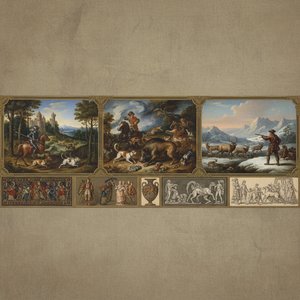
The Pursuit of Power & Prestige: Hunting Scenes in Western Art
Explore the rich history of hunting scenes in Western art, from royal pursuits to powerful allegories. Discover masterpieces & expert insights for discerning collectors. OriginalUniqueArt offers museum-quality reproductions.

John Singer Sargent's 25 Masterpieces: Portraits & Beyond | OriginalUniqueArt
Explore 25 iconic John Singer Sargent paintings – from dazzling portraits to Impressionist landscapes. Discover the stories behind Madame X, El Jaleo & more! Find museum-quality art reproductions and elevate your home decor with OriginalUniqueArt.com.
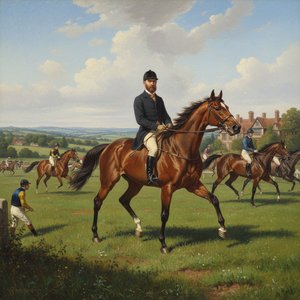
John Frederick Herring Sr.: Equestrian Mastery & the Rise of Sporting Art in Victorian England
Explore the life & work of John Frederick Herring Sr., a leading Victorian equestrian artist. Discover his masterpieces, patronage, techniques & investment potential. Expert insights for collectors.
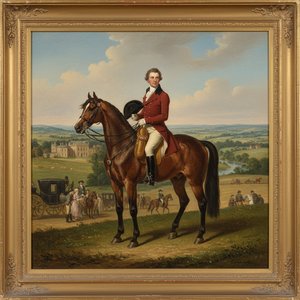
Sr. John E. Ferneley: Equestrian Portraiture & England's Social Fabric
Explore the captivating world of Sr. John E. Ferneley, a master of British sporting art. Discover his exquisite equestrian paintings & insights into 19th-century society. Invest in timeless masterpieces with OriginalUniqueArt.

John Constable: Topp 25 Maler – Engelsk Landskapskunst i Ditt Hjem
Opplev John Constables 25 mest ikoniske malerier! Fordyp deg i engelsk romantikk, landskapskunst og atmosfæriske scener. Finn museumskvalitets reproduksjoner & interiørinspirasjon på OriginalUniqueArt.com. Utforsk samlingen online!
