
 Forhåndsvisning
 Send
Send Del
Del
 Vis detaljer
 Utskriftsvennlig guide

 Last ned bilde
 Liknende objekter
 Røntgenundersøkelse
 Lysbildefremvisning
 Spørsmål og svar
 Statistikk
Two Camels


 Vis hele teksten
Giclée / Kunsttrykk
Giclée- eller lerretsprint av museumskvalitet med rask produksjon og fleksible valgmuligheter for etterbehandling. ( Kjøp håndmalt maleri Bytt til digitalt bilde)




P118B Nkr10

P118H Nkr10

P118W Nkr10

P438Z Nkr10

P508JH Nkr12

P508YH Nkr12

P805H Nkr10

P805Z Nkr10

P919BZ Nkr10

P919G Nkr10

P919XJ Nkr10

P959ZH Nkr10

P968JZ Nkr12

W106C Nkr8

W218G Nkr10

W218JH Nkr8

W218Y Nkr10

W307PJ Nkr10

W316G Nkr10

W316PJ Nkr8

W316Y Nkr10

W398PJ Nkr8

W4111J Nkr10

W500HY Nkr15

W500JH Nkr15

W692G Nkr12

W849H Nkr8

W940BG Nkr15

W953PJ Nkr8




Velg mellom våre forhåndsdefinerte størrelser som bevarer kunstverkets opprinnelige proporsjoner.

Skriv inn ønsket bredde og høyde for å tilpasse trykket til din ramme eller vegg. Et trykk kan kun beskjæres, aldri skaleres opp utover motivets opprinnelige størrelse, noe som betyr at et format med andre proporsjoner vil føre til tap av deler av bildet. Vi sender deg en digital mockup for godkjenning før vi starter trykkeprosessen. Bildet som vises på denne siden viser ikke den faktiske beskjæringen — det er kun mockuppen som viser dette.
Verdensomspennende levering () på 2 uker i stedet for standard 4/5 uker. (13 November)

Gratis ekspressfrakt over hele verden

Lerretsduk av lin av høy kvalitet

Full transportforsikring

Garanti for refusjon av toll og importavgifter

Garantert fargegjengivelse

100 dagers returrett ved fabrikasjonsfeil

100% pengene tilbake-garanti

Rabatt ved flere kjøp
 Glassalternativet er kun tilgjengelig i størrelser under 110 cm

Two Camels
Giclée / Kunsttrykk
Størrelse på reproduksjon
-


Totalpris for valgte alternativer
Nkr 770
Identification of Two Camels by John Frederick Lewis
In this 1843 watercolor, John Frederick Lewis presents Two Camels. The work captures a quiet moment within an expansive, sandy landscape. One of the animals carries a solitary figure, while the other turns its head, adding a sense of life to the composition. It is a piece that reflects the artist's deep engagement with the light and atmosphere of the East.
The artist, John Frederick Lewis, achieved a remarkable level of detail through his command of the watercolor medium. This specific work, Two Camels, relies on subtle tonal shifts to define the textures of the desert terrain and the forms of the animals. The presence of several figures in the background suggests a wider, lived-in environment beyond the immediate subjects.
Composition and Visual Elements of the Work
The composition centers on two camels moving across a sandy expanse. There is a quiet sense of movement as they walk through the frame. The camel on the left has its head turned to the side, while the other camel faces straight ahead. A solitary figure is perched atop one of the animals, adding a human presence to the desert scene. In the distance, several people are visible in the background, suggesting a wider social setting beyond the immediate subjects.
Lewis organizes the space to emphasize the rhythm of the animals' gait. The placement of the figures and the camels creates a sense of progression across the landscape. The muted palette of sandy browns and pale blues establishes a tranquil atmosphere. This color choice allows the viewer to focus on the subtle postures of the camels and the figures within the environment.
Technique and Artistic Style of the Artist
Lewis demonstrates a profound command of watercolor, utilizing the medium to achieve a remarkable tonal range. Through careful layering and subtle blending, he captures the specific quality of desert light. His brushstrokes appear delicate, yet they possess a confidence that defines the forms of the camels and the figures in the background. This technical precision allows for a high level of textural detail across the sandy expanse.
The palette is intentionally muted, relying on a harmony of sandy browns and pale blues. This choice creates a tranquil atmosphere, avoiding the heavy drama often found in other works of this period. The colors work together to suggest the heat and the vastness of the landscape without overwhelming the viewer. It is a restrained approach that emphasizes the atmosphere of the scene.
Related Works by John Frederick Lewis
To understand the breadth of Lewis’s vision, one might look toward his watercolor A Bedouin, which exemplifies his specific Orientalist style. This approach to the genre is further reflected in A Young Turkish Woman, another striking example of his interest in the people and customs of the East. These works demonstrate his ability to capture the essence of a culture through a focused, observational lens.
His technical range extends into more structured environments as well. In The Ramesseum at Thebes, his remarkable attention to architectural detail becomes the primary focus. This precision contrasts with the intimate, domestic atmosphere found in his oil painting Harem Life in Constantinople, which depicts Ottoman domestic life with a quiet, detailed hand.
Spørsmål og svar
Hvor gammel var John Frederick Lewis da "Two Camels" ble skapt?
Da "Two Camels" ble skapt i 1843, var John Frederick Lewis – født i 1805 – 38 år gammel.
Hvilken fase av John Frederick Lewis sin karriere tilhører "Two Camels" (1843)?
Dateringen fra 1843 plasserer "Two Camels" i Orientalist Painting av John Frederick Lewis sin kunstneriske utvikling.
Hvilken kunstner og hvilken stil står bak "Two Camels"?
Bak "Two Camels" står John Frederick Lewis og Orientalist Painting-bevegelsen.
Om kunstneren
John Frederick Lewis: En Livsstil i Orientalsk Maleri
John Frederick Lewis, en fremtredende engelsk orientalistmaler, ble født den 14. juli 1804 i London. Han var sønn av Frederick Christian Lewis, en graver og landskapsmaler. Denne familiære kunstneriske bakgrunnen påvirket utvilsomt hans tidlige utvikling. Hans formelle opplæring begynte under veiledningen av Sir Thomas Lawrence, hvor han finpusset sine ferdigheter sammen med andre kunstnere som Edwin Landseer. Dette grunnleggende tidsrom la en solid forståelse av teknikk og komposisjon til grunn for ham.
Kunstnerisk Karriere og Utvikling
Lewis’s kunstneriske karriere utfoldet seg gjennom flere distinkte faser, hver preget av utviklende stiler og tematiske fokusområder:
- Orientalsk Periode: Lewis foretok omfattende reiser i det middelhavsmiddelhavsregionen, og fanget essensen av det der med detaljerte vannfarge- og oljemaleri. Han gjentok ofte komposisjoner, og skapte dem på tvers av flere medier.
- Spanske og Marokkanske Innflytelser (1832-1834): En tur til Spania og Marokko viste seg å være avgjørende. Han produserte en rekke litografier som ble publisert senere som “Skisser og Tegninger av Alhambra” (1835) og “Lewis’s Skisser av Spania og Spansk Karakter” (1836).
- Egyptisk Periode (1841-1851): Hans opphold i Cairo var uten tvil hans mest produktive. Her perfeksjonerte han sin orientalistiske stil, og skapte høyt detaljerte verk som viste både realistiske sjangervisninger og idealiserte fremstillinger av øvreklasse egyptiske interiører.
Lewis’s kunst var sterkt påvirket av den romantiske ideen om Orient, men han forsøkte å skildre det med en nøyaktighet som var unik for sin tid. Han studerte grundig arkitektur, tekstiler og kostymer, og fanget ofte atmosfæren i de stedene han besøkte.
Betydelige Verk
Lewis skapte et betydelig antall verk som ble feiret for sin metoderte detalj og suggestive atmosfære. Noen av hans mest anerkjente stykker inkluderer:
- A Bedouin (Yale Center for British Art, New Haven) – En vannfarge som eksemplifiserer hans orientalistiske stil.
- The Ramesseum at Thebes (Yale Center for British Art, New Haven) – Som viser hans bemerkelsesverdige oppmerksomhet på arkitektonisk detalj.
- A Young Turkish Woman (Yale Center for British Art, New Haven) – Et annet slående eksempel på hans orientalistiske arbeid.
- Harem Life in Constantinople - Et detaljert oljemaleri som skildrer ottomansk husholdningsliv.
Lewis var kjent for sin evne til å fange lys og skygge, og for sine rike fargepaletter. Hans malerier er ofte preget av en følelse av ro og mystikk, og gir et innblikk i livet i det fjerne Østen.
Innflytelser og Kunstnerisk Stil
Lewis’s stil ble formet av flere innflytelser, først og fremst Sir Thomas Lawrences vekt på portrettkunst og komposisjon. Imidlertid ga hans direkte observasjon av middelhavskulturer ham muligheten til å utvikle en unik estetikk preget av:
- Metoderte Detaljer: En forpliktelse til å representere teksturer, mønstre og arkitektoniske elementer nøyaktig.
- Rike Fargepaletter: Bruk av livlige farger inspirert av landskapene og kostymene han møtte.
- Sjangervisninger og Interiørutsikter: Fokus på dagligliv og intime husholdningsscener.
Arv og Historisk Betydning
Lewis’s bidrag til kunstverdenen ligger i hans betydelige rolle i å utvikle orientalistmaleri. Hans metoderte fremstillinger av islamsk arkitektur, møbler og kostymer satte nye standarder for realisme innen sjangeren. Han populariserte en romantisk, men detaljert visjon av Midtøsten blant vestlige publikum. Etter sin tilbakekomst til England i 1851 fortsatte han å male til sin død den 15. august 1876 i Walton-on-Thames.
Hans arbeid fortsetter å bli studert og beundret for sitt kunstneriske talent og historiske innsikt i 1900-tallets oppfatninger av Østen.

John Frederick Lewis
1805 - 1876 , Storbritannia
Kort om kunstneren
- Artistic Movement Or Style: Orientalist
- Artists Or Movements Influenced By This Artist: ['Orientalisme']
- Artists Who Influenced This Artist: Sir Thomas Lawrence
- Date Of Birth: 14. juli 1804
- Date Of Death: 15. august 1876
- Full Name: John Frederick Lewis
- Nationality: Britisk
- Notable Artworks:
- A Bedouin
- Ramesseum
- Ung tyrkisk kvinne
- Place Of Birth: London, Storbritannia
Relaterte artikler

John Constable: Topp 25 Maler – Engelsk Landskapskunst i Ditt Hjem
Opplev John Constables 25 mest ikoniske malerier! Fordyp deg i engelsk romantikk, landskapskunst og atmosfæriske scener. Finn museumskvalitets reproduksjoner & interiørinspirasjon på OriginalUniqueArt.com. Utforsk samlingen online!
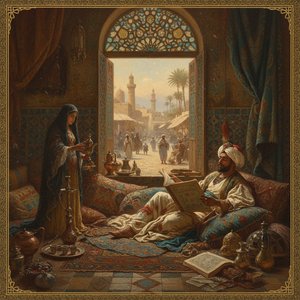
John Frederick Lewis: Orientalism, Detail & Genre Painting in 19th-Century British Art
Explore the captivating Orientalist paintings of John Frederick Lewis! Discover his mastery of detail, genre scenes & influence on 19th-century British art. Learn about his life, techniques & legacy at OriginalUniqueArt.

De 10 mest ikoniske akvarellmesterverkene som revolusjonerte kunsten | OriginalUniqueArt.no
Oppdag de 10 mest legendariske akvarellmesterverkene av kunstnere som Turner, Monet & Goya. Lær om historien bak ikoniske malerier og finn inspirasjon til interiørdesign. Museumskvalitet reproduksjoner på OriginalUniqueArt.no – utforsk samlingen online!

John Singer Sargent's 25 Masterpieces: Portraits & Beyond | OriginalUniqueArt
Explore 25 iconic John Singer Sargent paintings – from dazzling portraits to Impressionist landscapes. Discover the stories behind Madame X, El Jaleo & more! Find museum-quality art reproductions and elevate your home decor with OriginalUniqueArt.com.

Ephemeral Visions: Exploring the Artistic Legacy & Contemporary Practice of Watercolor Painting
Explore the captivating world of watercolor painting! Discover its rich history, essential techniques, influential artists & collecting tips. A comprehensive guide for art enthusiasts from OriginalUniqueArt.