Se i rommet
 Del som digitalt kort
 Del
Del
 Detaljer
 Studentguide

 Last ned
 Liknende objekter
 Røntgen
 Lysbildefremvisning
 Besøksstatistikk
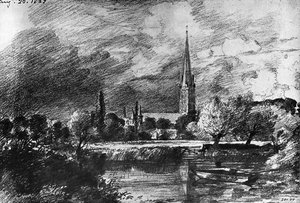
Sketch for The Leaping Horse
 Acrylic On Canvas
- WallArt
- Romantic Landscape
 1824
1824 129.0 x 188.0 cm
 Victoria and Albert Museum
 Les mer
Giclée / Kunsttrykk
Giclée- eller lerretsprint av museumskvalitet med rask produksjon og fleksible valgmuligheter for etterbehandling. ( Bestill håndmalt reproduksjon Gå til digitalt bilde)




P118B Nkr10

P118H Nkr10

P118W Nkr10

P438Z Nkr10

P508JH Nkr12

P508YH Nkr12

P805H Nkr10

P805Z Nkr10

P919BZ Nkr10

P919G Nkr10

P919XJ Nkr10

P959ZH Nkr10

P968JZ Nkr12

W106C Nkr8

W218G Nkr10

W218JH Nkr8

W218Y Nkr10

W307PJ Nkr10

W316G Nkr10

W316PJ Nkr8

W316Y Nkr10

W398PJ Nkr8

W4111J Nkr10

W500HY Nkr15

W500JH Nkr15

W692G Nkr12

W849H Nkr8

W940BG Nkr15

W953PJ Nkr8




Velg mellom våre forhåndsdefinerte størrelser som bevarer kunstverkets opprinnelige proporsjoner.

Skriv inn bredden og høyden du trenger, slik at den passer til din ramme eller vegg. Et trykk kan kun beskjæres, aldri gjøres større enn bildet, så et format med en annen form vil miste en del av motivet. Vi sender deg en digital mockup for godkjenning før vi trykker noe som helst. Bildet som vises på denne siden viser ikke den faktiske beskjæringen — det er kun mockuppen som gjør det.
Verdensomspennende levering () på 2 uker i stedet for standard 4/5 uker. (22 October)

Gratis ekspressfrakt over hele verden

Lerretsduk av høykvalitets lin

Full transportforsikring

Garanti for refusjon av toll og importavgifter

Garantert fargeekthet

100 dagers returrett ved fabrikasjonsfeil

100% pengene tilbake-garanti

Mengderabatt
 Glassalternativet er kun tilgjengelig i størrelser under 110 cm

Sketch for The Leaping Horse
Giclée / Kunsttrykk
Format på reproduksjon
-


Totalpris
Nkr 755
A Moment Frozen in Time: John Constable’s ‘Sketch for The Leaping Horse’
This evocative black and white sketch, measuring 129 x 188 cm, offers a rare glimpse into the creative process of one of England's most beloved landscape painters, John Constable. Dating back to 1824, it transcends a simple preparatory study; instead, it embodies the very essence of Constable’s profound connection with the Suffolk countryside – a world he meticulously rendered not just with accuracy but with an intensely felt emotional resonance. The image captures a fleeting moment in a rural scene: horses grazing peacefully across a vast field, punctuated by the scattered figures of individuals engaged in their daily routines. A small boat rests near the left edge, hinting at the proximity of human activity to the natural world, suggesting a harmonious coexistence that was increasingly rare during this period.
Constable’s artistic journey began not with formal training but within the familiar embrace of his family's estate in Dedham Vale. His father, a successful merchant, possessed both land and mills along the River Stour – providing an unparalleled opportunity for observation and inspiration. This intimate relationship with the landscape shaped Constable’s entire approach to painting. He wasn’t simply recording what he saw; he was attempting to capture the *feeling* of a place, its light, its atmosphere, and the subtle shifts in color that defined its character. The ‘Sketch for The Leaping Horse’ exemplifies this deeply personal engagement with nature, revealing an artist wholly absorbed in his subject.
The Language of Line and Light: Technique and Style
Executed with remarkable economy and precision, the sketch is a testament to Constable's mastery of line. He employs a loose, expressive charcoal technique, prioritizing tonal variation over meticulous detail. Notice how he uses rapid, broken strokes to suggest movement – particularly in the bodies of the horses – while simultaneously creating a sense of atmospheric depth through subtle gradations of gray. The absence of color forces the viewer to focus entirely on these nuances of line and value, highlighting the artist’s keen eye for capturing light and shadow. This technique is characteristic of Constable's early work, reflecting his desire to represent the ephemeral qualities of natural light with immediacy and spontaneity.
The composition itself is deceptively simple yet powerfully effective. The arrangement of figures and horses within the expansive field creates a sense of scale and openness, drawing the eye into the distance. Constable’s use of aerial perspective – diminishing details and colors in the background to suggest depth – further enhances this effect, immersing the viewer in the vastness of the Suffolk landscape. The placement of the boat adds an element of narrative, inviting speculation about the lives and activities unfolding within this rural setting.
Symbolism and the English Countryside
More than just a depiction of a pastoral scene, ‘Sketch for The Leaping Horse’ speaks to broader themes of rural life, human connection with nature, and the changing social landscape of early 19th-century England. The horses themselves are potent symbols – representing both industry (the agricultural economy) and freedom. Their leisurely grazing suggests a world largely untouched by the rapid industrialization that was transforming Britain at this time. The presence of people tending to them underscores the continued importance of agriculture, while also hinting at the enduring value placed on traditional rural skills.
The sketch’s inherent tranquility reflects Constable's own deeply held appreciation for the beauty and stability of the English countryside. He saw himself as a guardian of this landscape, striving to capture its essence before it was irrevocably altered by progress. This sentiment is powerfully conveyed in ‘Sketch for The Leaping Horse,’ offering a poignant reminder of a time when nature reigned supreme and the rhythms of rural life held an unparalleled allure.
Bringing Constable’s Vision Home: A Reproduction
OriginalUniqueArt offers meticulously crafted, hand-painted reproductions of this extraordinary sketch. Each reproduction is created by skilled artists who have painstakingly studied Constable's original techniques, ensuring that every detail – from the subtle nuances of line to the atmospheric depth – is faithfully reproduced. Whether you’re an art collector, a design enthusiast, or simply seeking to infuse your home with a touch of timeless beauty, this reproduction provides a stunning and authentic representation of one of England’s greatest landscape painters. Imagine this evocative scene adorning your walls, transporting you to the serene fields of Suffolk and allowing you to experience the profound emotional impact of Constable's art.
Spørsmål og svar
Er fargene i "Sketch for The Leaping Horse" av John Constable mettede eller dempede?
Fargepaletten i "Sketch for The Leaping Horse" har Muted i metning.
Hvilken følelse formidler "Sketch for The Leaping Horse" av John Constable?
Den emosjonelle tonen som er registrert for "Sketch for The Leaping Horse" av John Constable, er Tranquil. Den oppsummerer følelsen verket uttrykker.
Hva er anbefalt trykkstørrelse for "Sketch for The Leaping Horse" av John Constable?
"Sketch for The Leaping Horse" anbefales i en trykkstørrelse på Medium. Andre størrelser er tilgjengelige med de samme proporsjonene.
Kunstnerbiografi
A Life Rooted in the English Landscape
John Constable, født i 1776 i den idylliske Suffolk-landsby East Bergholt, var langt mer enn bare en maler av landskap; han var en poet av landet, og overførte dets subtile stemninger og vedvarende skjønnhet på lerret med en uovertruffen følelsesmessig dybde. Hans far, en velstående kornhandler som eide både Dedham Vale og møllerier langs River Stour, sørget ikke bare for økonomisk sikkerhet, men også for selve motivet som ville definere Constables kunstneriske liv. Denne tidlige fordypningen i det rurale livet – den langsomme rytmen av jordbruksliv, det stadig skiftende lys over åkre og vann, de intime detaljene i naturen – ble uforgjengelig innskrevet i hans sanselige opplevelser. Selv om han var tilsynelatende bestemt til å følge faren sin inn i handel, en spirende lidenskap for kunst, dyrket av lokale mecenater som George Beaumont som introduserte ham for verkene til Claude Lorrain, førte han til slutt ham på en annen vei. Constables kunstneriske reise var ikke umiddelbar; det var en gradvis utfolding, formet av nøye observasjon og et vedvarende ønske om å fange ikke bare *hva* han så, men *hvordan* det føltes å være tilstede i landskapet.Breaking with Convention: A New Vision of Nature
Constables kunstneriske utvikling ble preget av en bevisst avvisning av gjeldende akademiske konvensjoner. Misfornøyd med de idealiserte og ofte teatralske landskapene som favoriseres av Royal Academy, søkte han i stedet etter en sannferdig representasjon av naturen, fylt med personlig følelse. Han var ikke interessert i storslåtte historiske narrativer eller mytologiske scener; fokuset hans forble fast bestemt på det kjente landskapet rundt ham. Denne forpliktelsen til å skildre vanlige motiver – høyballer, gårdsbygninger, landsbyliv – ble opprinnelig møtt med motstand fra kritikere som mente at arbeidet hans var for vanlig og manglet ambisjoner. Likevel fortsatte Constable, drevet av en overbevisning om at skjønnhet lå i det daglige. Han banet vei for en teknikk for *plein air*-maleri, og beveget seg utendørs for å observere og fange de flyktige effektene av lys og vær direkte. Denne direkte engasjementet med naturen tillot ham å innføre lerretet sitt med umiddelbarhet og vitalitet som tidligere ikke hadde vært sett i britisk landskapskunst. Hans penselstrøk ble stadig løsere og mer uttrykksfulle, og brukte *impasto* – tykke lag med maling – for å skape tekstur og formidle en følelse av bevegelse og atmosfære. Han bare registrerte ikke det han så; han overførte sin følelsesmessige respons på landet inn i visuell form.Iconic Works and Lasting Influence
Constables mest berømte verk står som vitnesbyrd om hans unike visjon. The Hay Wain (1821), kanskje hans mest gjenkjennelige maleri, skildrer en quintessential rural scene på River Stour, og fanger roen og harmoniene i jordbrukslivet. Hadleigh Castle (1829) viser hans dramatiske bruk av lys og atmosfæriske effekter, og forvandler et forfallent ruiner til et kraftig symbol på tidens gang. Serien med malerier som skildrer Salisbury Cathedral from the Meadows (1831), demonstrerer hans evne til å fremkalle forskjellige stemninger og tider på døgnet, og avslører katedralen som en integrert del av det naturlige landskapet. Netley Abbey (1824), med sin beskrivende skildring av arkitektonisk storhet midt i den truende naturen, eksemplifiserer hans ferdigheter i å blande menneskelig skapelse med den ville skjønnheten i landskapet. Til tross for innledende vanskeligheter med anerkjennelse i England, oppnådde Constable betydelig ros i Frankrike, hvor hans innovative teknikker og følelsesmessige dybde resonerte dypt med kunstnere som søkte en mer naturalistisk tilnærming til landskapsmaleri. Han påvirket kraftig Barbizon-skolen, en gruppe franske kunstnere som delte hans forpliktelse til *plein air*-maleri og direkte observasjon av naturen.Personal Life & Final Years
Constables personlige liv ble preget av både glede og sorg. Han giftet seg med Maria Bicknell i 1816, og de fikk syv barn, men dessverre overlevde mange ikke barndommen. Hans ekteskap ga ham emosjonell støtte, men også økonomisk belastning. Han ble valgt til Royal Academician i 1829, fortsatte han imidlertid å møte kritikk fra noen hold, spesielt angående hans ukonvensjonelle teknikker. Hans senere år var skyggelagt av Marias forverrede helse og hennes endelige død i 1828, en hendelse som dypt påvirket ham. Til tross for disse vanskelighetene fortsatte Constable med sin kunst, og malte til sin egen død den 31. mars 1837. Han etterlot seg et rikt kunstnerisk arv – et vitnesbyrd om hans urokkelige forpliktelse til å fange skjønnheten og den følelsesmessige resonansen i det britiske landskapet. Hans malerier er fortsatt kraftfulle evokasjoner av en svunnen tid, som inviterer seerne til å oppleve landet gjennom hans unikt sensitive øyne.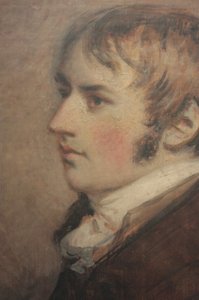
John Constable
1776 - 1837 , Storbritannia
Kort om kunstneren
- Artistic Movement Or Style: Romantikk
- Artists Or Movements Influenced By This Artist: ['Barbizon Skolen']
- Artists Who Influenced This Artist:
- Claude Lorrain
- Ruisdael
- Date Of Birth: 11. juni 1776
- Date Of Death: 31. mars 1837
- Full Name: John Constable
- Nationality: Britisk
- Notable Artworks:
- The Hay Wain
- Hadleigh
- Salisbury
- Place Of Birth: East Bergholt, UK
Relaterte artikler

Cultivating Visions: A Historical Journey Through Rural Landscapes in Art
Explore the rich history of rural landscape painting with OriginalUniqueArt. Discover Impressionist masterpieces, key artists & movements. Find your perfect serene artwork and bring nature's beauty home.

John Constable: Topp 25 Maler – Engelsk Landskapskunst i Ditt Hjem
Opplev John Constables 25 mest ikoniske malerier! Fordyp deg i engelsk romantikk, landskapskunst og atmosfæriske scener. Finn museumskvalitets reproduksjoner & interiørinspirasjon på OriginalUniqueArt.com. Utforsk samlingen online!

John Singer Sargent's 25 Masterpieces: Portraits & Beyond | OriginalUniqueArt
Explore 25 iconic John Singer Sargent paintings – from dazzling portraits to Impressionist landscapes. Discover the stories behind Madame X, El Jaleo & more! Find museum-quality art reproductions and elevate your home decor with OriginalUniqueArt.com.

Romantiske landskap: Topp 10 mesterverk for hjemmet – Kunst fra OriginalUniqueArt.com
Oppdag de 10 mest ikoniske romantiske landskapsmaleriene! Fra Caspar David Friedrich til Turner – utforsk kunsthistorien, stemningen og fargepalettene. Finn museumskvalitets reproduksjoner på OriginalUniqueArt.com.
John Constable: Nature, Light & the Romantic Vision of Rural England
Explore the life & art of John Constable, the Romantic painter who revolutionized landscape with emotive scenes of rural England. Discover his techniques, legacy, and key works – perfect for collectors & enthusiasts.