Forhåndsvisning
 Send
Send Del
Del
 Vis detaljer
 Utskriftsvennlig guide

 Last ned bilde
 Liknende objekter
 Røntgenundersøkelse
 Lysbildefremvisning
 Spørsmål og svar
 Statistikk
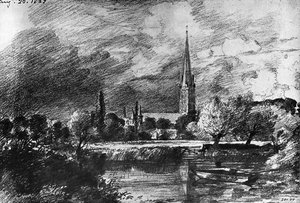
Harwich The Low Lighthouse and Beacon Hill


 Vis hele teksten
Giclée / Kunsttrykk
Giclée- eller lerretsprint av museumskvalitet med rask produksjon og fleksible valgmuligheter for etterbehandling. ( Kjøp håndmalt maleri Bytt til digitalt bilde)




P118B Nkr10

P118H Nkr10

P118W Nkr10

P438Z Nkr10

P508JH Nkr12

P508YH Nkr12

P805H Nkr10

P805Z Nkr10

P919BZ Nkr10

P919G Nkr10

P919XJ Nkr10

P959ZH Nkr10

P968JZ Nkr12

W106C Nkr8

W218G Nkr10

W218JH Nkr8

W218Y Nkr10

W307PJ Nkr10

W316G Nkr10

W316PJ Nkr8

W316Y Nkr10

W398PJ Nkr8

W4111J Nkr10

W500HY Nkr15

W500JH Nkr15

W692G Nkr12

W849H Nkr8

W940BG Nkr15

W953PJ Nkr8




Velg mellom våre forhåndsdefinerte størrelser som bevarer kunstverkets opprinnelige proporsjoner.

Skriv inn ønsket bredde og høyde for å tilpasse trykket til din ramme eller vegg. Et trykk kan kun beskjæres, aldri skaleres opp utover motivets opprinnelige størrelse, noe som betyr at et format med andre proporsjoner vil føre til tap av deler av bildet. Vi sender deg en digital mockup for godkjenning før vi starter trykkeprosessen. Bildet som vises på denne siden viser ikke den faktiske beskjæringen — det er kun mockuppen som viser dette.
Verdensomspennende levering () på 2 uker i stedet for standard 4/5 uker. (4 November)

Gratis ekspressfrakt over hele verden

Lerretsduk av lin av høy kvalitet

Full transportforsikring

Garanti for refusjon av toll og importavgifter

Garantert fargegjengivelse

100 dagers returrett ved fabrikasjonsfeil

100% pengene tilbake-garanti

Rabatt ved flere kjøp
 Glassalternativet er kun tilgjengelig i størrelser under 110 cm

Harwich The Low Lighthouse and Beacon Hill
Giclée / Kunsttrykk
Størrelse på reproduksjon
-


Totalpris for valgte alternativer
Nkr 774
A Coastal Symphony in Light and Shadow
In the gentle sweep of John Constable’s 1820 masterpiece, Harwich: The Low Lighthouse and Beacon Hill, we are invited to witness more than a mere coastal landscape; we are granted entry into a profound meditation on the English spirit. As one gazes upon this evocative scene, the eye is immediately drawn to the iconic Low Lighthouse, perched with stoic grace atop Beacon Hill. This weathered stone sentinel stands as a silent guardian over Harwich Bay, overlooking an expansive Essex coastline that seems to breathe with the rhythm of the tides. The painting captures a moment of exquisite tranquility, where the sea meets the sky in a seamless dance of atmosphere and light. Small vessels dot the shimmering waters, their presence adding a sense of human scale and quiet industry to the vastness, while a solitary figure wanders along the shore, embodying the peaceful communion between man and the natural world.
Constable’s technical mastery is nothing short of revolutionary, particularly in his pursuit of luminism. Rather than seeking an idealized or static perfection, he sought to capture the fleeting, ephemeral qualities of the atmosphere—the way a sudden cloud might cast a shadow or how the morning mist softens the horizon. Through the painstaking application of thin, translucent glazes over carefully prepared underpaintings, Constable achieved a luminous depth that allows light to appear as if it is emanating from within the canvas itself. This technique creates a shimmering effect on the water and a palpable sense of moisture in the air, making the coastal breeze almost tangible to the viewer. For the discerning collector or interior designer, this ability to manipulate light offers a dynamic quality that can transform the mood of any room, bringing a sense of airy, natural vitality to a sophisticated space.
The Romantic Soul and the Sublime Landscape
To understand this work is to understand the heart of the Romantic movement. Painted during a period of significant transition in Britain, the piece reflects a burgeoning fascination with the sublime—the concept of finding spiritual renewal and awe within the wild, untamed beauty of nature. While the Neoclassical artists of his era often sought rigid harmony and order, Constable embraced the organic complexity of the landscape. The lighthouse serves as a powerful symbol in this context; it is a beacon of human perseverance amidst the overwhelming and ever-changing forces of the sea and sky. There is a poignant tension here between the permanence of the stone structure and the transient nature of the clouds and waves, a theme that resonates deeply with anyone who finds beauty in the ephemeral moments of life.
For those looking to adorn a home or gallery with a high-quality reproduction, this painting offers an unparalleled emotional depth. It is not merely a decorative element but a window into a vanished era of pastoral serenity. The soft palette of blues, greys, and earthy tones provides a calming influence, making it an ideal centerpiece for spaces designed for contemplation and repose. Whether placed in a sun-drenched morning room or a moody, library-style study, Constable’s Harwich lighthouse brings with it a legacy of profound connection to the land, inviting every viewer to pause, breathe, and reconnect with the enduring beauty of the natural world.
Spørsmål og svar
Hvilken periode i John Constable sin karriere tilhører "Harwich The Low Lighthouse and Beacon Hill"?
I John Constable sin karriere tilhører "Harwich The Low Lighthouse and Beacon Hill" Mature Landscape Style. Denne perioden gjør det mulig å sammenligne verket med kunstnerens øvrige arbeider.
Er bildet av "Harwich The Low Lighthouse and Beacon Hill" av John Constable i det frie domene?
Opphavsrettslig status for "Harwich The Low Lighthouse and Beacon Hill" av John Constable: verket er fritt tilgjengelig – opphavsretten har utløpt. Dette avgjør om det er tillatt å lage frie reproduksjoner av bildet.
Hvordan passer "Harwich The Low Lighthouse and Beacon Hill" inn i John Constable sin tematikk og stil?
"Harwich The Low Lighthouse and Beacon Hill" deler med John Constables andre verk sin Romantic Landscape Painting-stil og de gjentakende temaene: lorrain influence, rural tradition, english identity, pastoral idealism, constable legacy.
Om kunstneren
A Life Rooted in the English Landscape
John Constable, født i 1776 i den idylliske Suffolk-landsby East Bergholt, var langt mer enn bare en maler av landskap; han var en poet av landet, og overførte dets subtile stemninger og vedvarende skjønnhet på lerret med en uovertruffen følelsesmessig dybde. Hans far, en velstående kornhandler som eide både Dedham Vale og møllerier langs River Stour, sørget ikke bare for økonomisk sikkerhet, men også for selve motivet som ville definere Constables kunstneriske liv. Denne tidlige fordypningen i det rurale livet – den langsomme rytmen av jordbruksliv, det stadig skiftende lys over åkre og vann, de intime detaljene i naturen – ble uforgjengelig innskrevet i hans sanselige opplevelser. Selv om han var tilsynelatende bestemt til å følge faren sin inn i handel, en spirende lidenskap for kunst, dyrket av lokale mecenater som George Beaumont som introduserte ham for verkene til Claude Lorrain, førte han til slutt ham på en annen vei. Constables kunstneriske reise var ikke umiddelbar; det var en gradvis utfolding, formet av nøye observasjon og et vedvarende ønske om å fange ikke bare *hva* han så, men *hvordan* det føltes å være tilstede i landskapet.Breaking with Convention: A New Vision of Nature
Constables kunstneriske utvikling ble preget av en bevisst avvisning av gjeldende akademiske konvensjoner. Misfornøyd med de idealiserte og ofte teatralske landskapene som favoriseres av Royal Academy, søkte han i stedet etter en sannferdig representasjon av naturen, fylt med personlig følelse. Han var ikke interessert i storslåtte historiske narrativer eller mytologiske scener; fokuset hans forble fast bestemt på det kjente landskapet rundt ham. Denne forpliktelsen til å skildre vanlige motiver – høyballer, gårdsbygninger, landsbyliv – ble opprinnelig møtt med motstand fra kritikere som mente at arbeidet hans var for vanlig og manglet ambisjoner. Likevel fortsatte Constable, drevet av en overbevisning om at skjønnhet lå i det daglige. Han banet vei for en teknikk for *plein air*-maleri, og beveget seg utendørs for å observere og fange de flyktige effektene av lys og vær direkte. Denne direkte engasjementet med naturen tillot ham å innføre lerretet sitt med umiddelbarhet og vitalitet som tidligere ikke hadde vært sett i britisk landskapskunst. Hans penselstrøk ble stadig løsere og mer uttrykksfulle, og brukte *impasto* – tykke lag med maling – for å skape tekstur og formidle en følelse av bevegelse og atmosfære. Han bare registrerte ikke det han så; han overførte sin følelsesmessige respons på landet inn i visuell form.Iconic Works and Lasting Influence
Constables mest berømte verk står som vitnesbyrd om hans unike visjon. The Hay Wain (1821), kanskje hans mest gjenkjennelige maleri, skildrer en quintessential rural scene på River Stour, og fanger roen og harmoniene i jordbrukslivet. Hadleigh Castle (1829) viser hans dramatiske bruk av lys og atmosfæriske effekter, og forvandler et forfallent ruiner til et kraftig symbol på tidens gang. Serien med malerier som skildrer Salisbury Cathedral from the Meadows (1831), demonstrerer hans evne til å fremkalle forskjellige stemninger og tider på døgnet, og avslører katedralen som en integrert del av det naturlige landskapet. Netley Abbey (1824), med sin beskrivende skildring av arkitektonisk storhet midt i den truende naturen, eksemplifiserer hans ferdigheter i å blande menneskelig skapelse med den ville skjønnheten i landskapet. Til tross for innledende vanskeligheter med anerkjennelse i England, oppnådde Constable betydelig ros i Frankrike, hvor hans innovative teknikker og følelsesmessige dybde resonerte dypt med kunstnere som søkte en mer naturalistisk tilnærming til landskapsmaleri. Han påvirket kraftig Barbizon-skolen, en gruppe franske kunstnere som delte hans forpliktelse til *plein air*-maleri og direkte observasjon av naturen.Personal Life & Final Years
Constables personlige liv ble preget av både glede og sorg. Han giftet seg med Maria Bicknell i 1816, og de fikk syv barn, men dessverre overlevde mange ikke barndommen. Hans ekteskap ga ham emosjonell støtte, men også økonomisk belastning. Han ble valgt til Royal Academician i 1829, fortsatte han imidlertid å møte kritikk fra noen hold, spesielt angående hans ukonvensjonelle teknikker. Hans senere år var skyggelagt av Marias forverrede helse og hennes endelige død i 1828, en hendelse som dypt påvirket ham. Til tross for disse vanskelighetene fortsatte Constable med sin kunst, og malte til sin egen død den 31. mars 1837. Han etterlot seg et rikt kunstnerisk arv – et vitnesbyrd om hans urokkelige forpliktelse til å fange skjønnheten og den følelsesmessige resonansen i det britiske landskapet. Hans malerier er fortsatt kraftfulle evokasjoner av en svunnen tid, som inviterer seerne til å oppleve landet gjennom hans unikt sensitive øyne.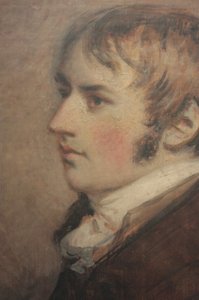
John Constable
1776 - 1837 , Storbritannia
Kort om kunstneren
- Artistic Movement Or Style: Romantikk
- Artists Or Movements Influenced By This Artist: ['Barbizon Skolen']
- Artists Who Influenced This Artist:
- Claude Lorrain
- Ruisdael
- Date Of Birth: 11. juni 1776
- Date Of Death: 31. mars 1837
- Full Name: John Constable
- Nationality: Britisk
- Notable Artworks:
- The Hay Wain
- Hadleigh
- Salisbury
- Place Of Birth: East Bergholt, UK
Relaterte artikler
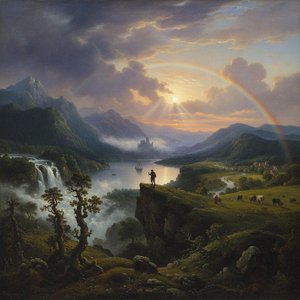
10 Iconic Masterpieces That Defined Romantic Landscape Art
Experience the sublime emotion of Romantic landscape art. From Friedrich’s dramatic vistas to Turner’s atmospheric seascapes, explore 10 timeless masterpieces and find museum-quality reproductions for your home decor. Discover all masterpieces on OriginalUniqueArt.com.

Romantiske landskap: Topp 10 mesterverk for hjemmet – Kunst fra OriginalUniqueArt.com
Oppdag de 10 mest ikoniske romantiske landskapsmaleriene! Fra Caspar David Friedrich til Turner – utforsk kunsthistorien, stemningen og fargepalettene. Finn museumskvalitets reproduksjoner på OriginalUniqueArt.com.
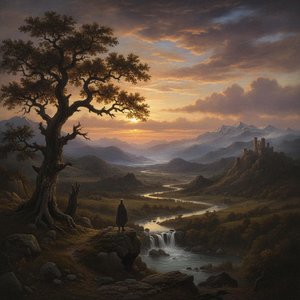
Top 10 Iconic Masterpieces of Romantic Landscape Painting
Experience the sublime power of Romantic landscape painting. From Friedrich’s misty peaks to Turner’s dramatic skies, explore 10 iconic masterpieces that define an era. Find museum-quality art reproductions and curated decor inspiration at OriginalUniqueArt.com. Discover all masterpieces on OriginalUniqueArt.com.

Evocations of Place: A Historical Journey Through Landscape Art
Explore the rich history of landscape art with OriginalUniqueArt. Discover renowned artists, movements like Impressionism & Romanticism, and expert guidance for collecting timeless pieces. Find your perfect serene escape today!

John Constable: Topp 25 Maler – Engelsk Landskapskunst i Ditt Hjem
Opplev John Constables 25 mest ikoniske malerier! Fordyp deg i engelsk romantikk, landskapskunst og atmosfæriske scener. Finn museumskvalitets reproduksjoner & interiørinspirasjon på OriginalUniqueArt.com. Utforsk samlingen online!