
 Forhåndsvisning
 Send
Send Del
Del
 Vis detaljer
 Utskriftsvennlig guide

 Last ned bilde
 Liknende objekter
 Røntgenundersøkelse
 Lysbildefremvisning
 Spørsmål og svar
 Statistikk
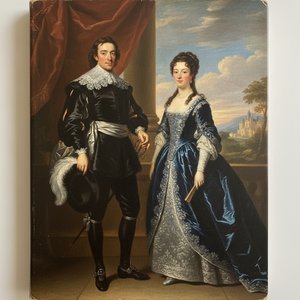
Field-Marshal George Wade


 Vis hele teksten
Giclée / Kunsttrykk
Giclée- eller lerretsprint av museumskvalitet med rask produksjon og fleksible valgmuligheter for etterbehandling. ( Kjøp håndmalt maleri Bytt til digitalt bilde)




P118B Nkr10

P118H Nkr10

P118W Nkr10

P438Z Nkr10

P508JH Nkr12

P508YH Nkr12

P805H Nkr10

P805Z Nkr10

P919BZ Nkr10

P919G Nkr10

P919XJ Nkr10

P959ZH Nkr10

P968JZ Nkr12

W106C Nkr8

W218G Nkr10

W218JH Nkr8

W218Y Nkr10

W307PJ Nkr10

W316G Nkr10

W316PJ Nkr8

W316Y Nkr10

W398PJ Nkr8

W4111J Nkr10

W500HY Nkr15

W500JH Nkr15

W692G Nkr12

W849H Nkr8

W940BG Nkr15

W953PJ Nkr8




Velg mellom våre forhåndsdefinerte størrelser som bevarer kunstverkets opprinnelige proporsjoner.

Skriv inn ønsket bredde og høyde for å tilpasse trykket til din ramme eller vegg. Et trykk kan kun beskjæres, aldri skaleres opp utover motivets opprinnelige størrelse, noe som betyr at et format med andre proporsjoner vil føre til tap av deler av bildet. Vi sender deg en digital mockup for godkjenning før vi starter trykkeprosessen. Bildet som vises på denne siden viser ikke den faktiske beskjæringen — det er kun mockuppen som viser dette.
Verdensomspennende levering () på 2 uker i stedet for standard 4/5 uker. (6 November)

Gratis ekspressfrakt over hele verden

Lerretsduk av lin av høy kvalitet

Full transportforsikring

Garanti for refusjon av toll og importavgifter

Garantert fargegjengivelse

100 dagers returrett ved fabrikasjonsfeil

100% pengene tilbake-garanti

Rabatt ved flere kjøp
 Glassalternativet er kun tilgjengelig i størrelser under 110 cm

Field-Marshal George Wade
Giclée / Kunsttrykk
Størrelse på reproduksjon
-


Totalpris for valgte alternativer
Nkr 775
A Vision of Command: The Presence of Field-Marshal George Wade
In the grand tradition of eighteenth-century portraiture, few works capture the intersection of military authority and natural majesty as effectively as Johan van Diest’s 1731 masterpiece, Field-Marshal George Wade. This striking oil painting serves as more than a mere likeness; it is a profound study of power, duty, and the indomitable spirit of an era defined by expansion and conflict. As the viewer encounters the subject, they are immediately struck by the commanding presence of the Field-Marshal, whose vibrant red attire—the iconic hue of British military distinction—commands the center of the composition. Van Diest utilizes a masterful command of light to illuminate the textures of the man's uniform, creating a tactile experience that brings the historical weight of the 1730s directly into the modern collector's gaze.
The artistry of Johan van Diest is deeply rooted in the dramatic legacy of the Dutch masters, particularly through his sophisticated use of chiaroscuro. By orchestrating a delicate interplay between deep shadows and brilliant highlights, Van Diest breathes life into the subject’s features, lending an air of contemplative wisdom to the Field-Marshal's expression. The meticulous detail found in the lace of his cravat, the sheen of his military regalia, and the subtle contours of his wig reflects a technical precision that was hallmark to the Enlightenment period. This level of craftsmanship ensures that every brushstroke contributes to a narrative of dignity, making the piece an exquisite focal point for those who appreciate the rigorous standards of classical European portraiture.
Beyond the individual, the painting offers a breathtaking dialogue between man and the wild landscape. The backdrop of rugged, soaring mountains provides a dramatic contrast to the structured, formal elegance of the Field-Marshal’s attire. This juxtaposition serves as a powerful symbol: it represents the imposition of order and civilization upon the untamed frontiers of the world. The distant, smaller figures scattered within the landscape add a sense of immense scale and historical movement, suggesting the vast theaters of war and governance that Wade oversaw. For the interior designer or art enthusiast, this composition offers a unique emotional depth, blending the intimacy of a personal portrait with the epic scope of a historical landscape.
Integrating such a distinguished work into a curated space brings an atmosphere of timeless sophistication and intellectual gravity. Whether placed in a stately library, a formal dining room, or a contemporary gallery setting, this reproduction of Van Diest’s work acts as a window into the past. It invites conversation about leadership, the evolution of military history, and the enduring beauty of the Baroque-influenced style. For collectors seeking to invest in pieces that evoke both prestige and emotional resonance, Field-Marshal George Wade stands as an unparalleled choice, offering a permanent connection to the grandeur of the eighteenth century.
Spørsmål og svar
Hvor intens er fargebruken i "Field-Marshal George Wade" av Johan Van Diest?
Fargeintensiteten i "Field-Marshal George Wade" er Balanced. Intensitet beskriver hvor sterke fargene fremstår.
Hvor stor er kontrasten i "Field-Marshal George Wade" av Johan Van Diest?
Kontrastnivået i "Field-Marshal George Wade" av Johan Van Diest er Gentle.
Hvilken følelse formidler "Field-Marshal George Wade"?
"Field-Marshal George Wade" av Johan Van Diest formidler en Powerful emosjonell tone.
Om kunstneren
The Painter of Dignified Presence
Johan van Diest (1695 – 1757) stands as a singular figure in Dutch portraiture during the Enlightenment, distinguished not merely by his technical skill but by an unwavering commitment to capturing the essence of character and conveying profound dignity. Unlike many of his contemporaries who prioritized superficial beauty or flamboyant display, Van Di Diest’s canvases offer glimpses into the inner lives of his subjects—nobles, statesmen, and military leaders—presenting them as embodiments of virtue and intellect. His work serves as a window into an era where the portrait was more than a mere likeness; it was a profound study of power, duty, and the indomitable spirit of a changing world.
Born in Leiden, Van Diest received a rigorous artistic education that deeply embedded the legacy of the Dutch Masters within his technique. The influence of Rembrandt Harmensz van Rijn is particularly palpable in his approach to light; the masterful use of chiaroscuro—the dramatic interplay between deep shadows and brilliant highlights—became a cornerstone of his style. This ability to orchestrate light allowed him to breathe life into his subjects, lending an air of contemplative wisdom to even the most formidable military figures. While the shadows provided depth, his application of thin glazes over meticulous underdrawings achieved a remarkable luminosity, allowing him to render the textures of silk, lace, and heavy military regalia with astonishing realism.
Mastery of Detail and Command
The technical precision of Van Diest’s oeuvre is characterized by an almost sculptural quality. He employed a painstaking layering process that allowed for a tactile experience, where the viewer can almost feel the sheen of a commander's uniform or the delicate crispness of a cravat. This meticulous attention to detail was not merely decorative but served a narrative purpose, reinforcing the status and authority of his sitters. His portraits often juxtapose the structured, formal elegance of human attire against dramatic, rugged landscapes, creating a powerful symbolic dialogue between the order of civilization and the untamed majesty of nature.
His notable commissions reflect the high esteem in which he was held by the European elite. Among his most celebrated works are depictions of:
- Willem III, Prince of Orange, capturing the weight of royal responsibility.
- Field-Marshal George Wade, a masterpiece from 1731 that exemplifies the intersection of military authority and natural majesty through vibrant red attire and commanding presence.
- General George Wade, where Baroque elegance meets the raw power of a seasoned leader.
- Cornelis Tromp, the commander-in-chief of the Dutch West Indies fleet, rendered with psychological insight.
Legacy of the Enlightenment
While the shadows of Rembrandt, Rubens, and Caravaggio loom large over his formative years, Van Diest forged a path uniquely his own. His artistic legacy is defined by an uncompromising pursuit of dignity and a refusal to succumb to the purely ornamental. In an age of expansion and conflict, his portraits provided a sense of permanence and moral weight. Through his ability to capture both the physical likeness and the psychological depth of his subjects, Johan van Diest ensured that his work would remain a vital record of the individuals who shaped the political and military landscape of the eighteenth century.

Johan Van Diest
1695 - 1757
Kort om kunstneren
- Artistic Movement Or Style: Classical Portraiture
- Artists Who Influenced This Artist:
- Peter Paul Rubens
- Rembrandt
- Date Of Birth: 1695
- Date Of Death: 1757
- Full Name: Johan van Diest
- Nationality: Dutch
- Notable Artworks:
- Portrait of Willem III
- Portrait of Johan Casimir van Nassau-Siegen
- Place Of Birth: Amsterdam, Netherlands
Relaterte artikler
Sir Anthony van Dyck: Courtly Portraiture & the Shaping of Baroque Identity
Explore the life & legacy of Sir Anthony van Dyck, the leading court painter of his era. Discover his innovative portraiture, Baroque masterpieces, and investment potential for discerning collectors. Learn more at OriginalUniqueArt.

Barokkens Mesterverk: Topp 10 Kunstverk som Definerte en Epoke | OriginalUniqueArt.no
Opplev barokkens prakt! Utforsk Rembrandts, Caravaggios og Rubenses mest ikoniske verk. Lær om historien bak disse mesterverkene og finn inspirasjon til din interiørdekor på OriginalUniqueArt.com. Museums kvalitet kunsttrykk.

Rembrandts Mesterverk: Topp 25 Kunstverk for Din Vegg | OriginalUniqueArt.no
Utforsk Rembrandts 25 mest ikoniske kunstverk! Oppdag historiene bak mestermalerier, portretter og bibelske scener fra den nederlandske barokken. Finn museumskvalitets reproduksjoner & interiørinspirasjon på OriginalUniqueArt.com.

Georges Seurat: Topp 25 Maler – Impresjonisme og Punktillismens Mesterverk | OriginalUniqueArt.no
Utforsk Georges Seurats 25 mest ikoniske malerier! Oppdag historien bak punktillismen, impresjonismen og mesterverk som 'Et søndagsettermiddag på La Grande Jatte'. Finn kunsttrykk av høy kvalitet for ditt hjem på OriginalUniqueArt.com.

Georges Braques 25 Mesterverk: En Kunstnerisk Reise for Din Bolig
Utforsk Georges Braques 25 mest ikoniske verk! Fordyp deg i kubismens verden, fargepaletter og kunstnerisk nyskapning. Finn inspirasjon til din bolig med museumskvalitets reproduksjoner på OriginalUniqueArt.com.