
 Forhåndsvisning
 Send
Send Del med andre
 Vis detaljer

 Last ned bildet
 Liknende objekter
 Røntgenundersøkelse
 Lysbildefremvisning
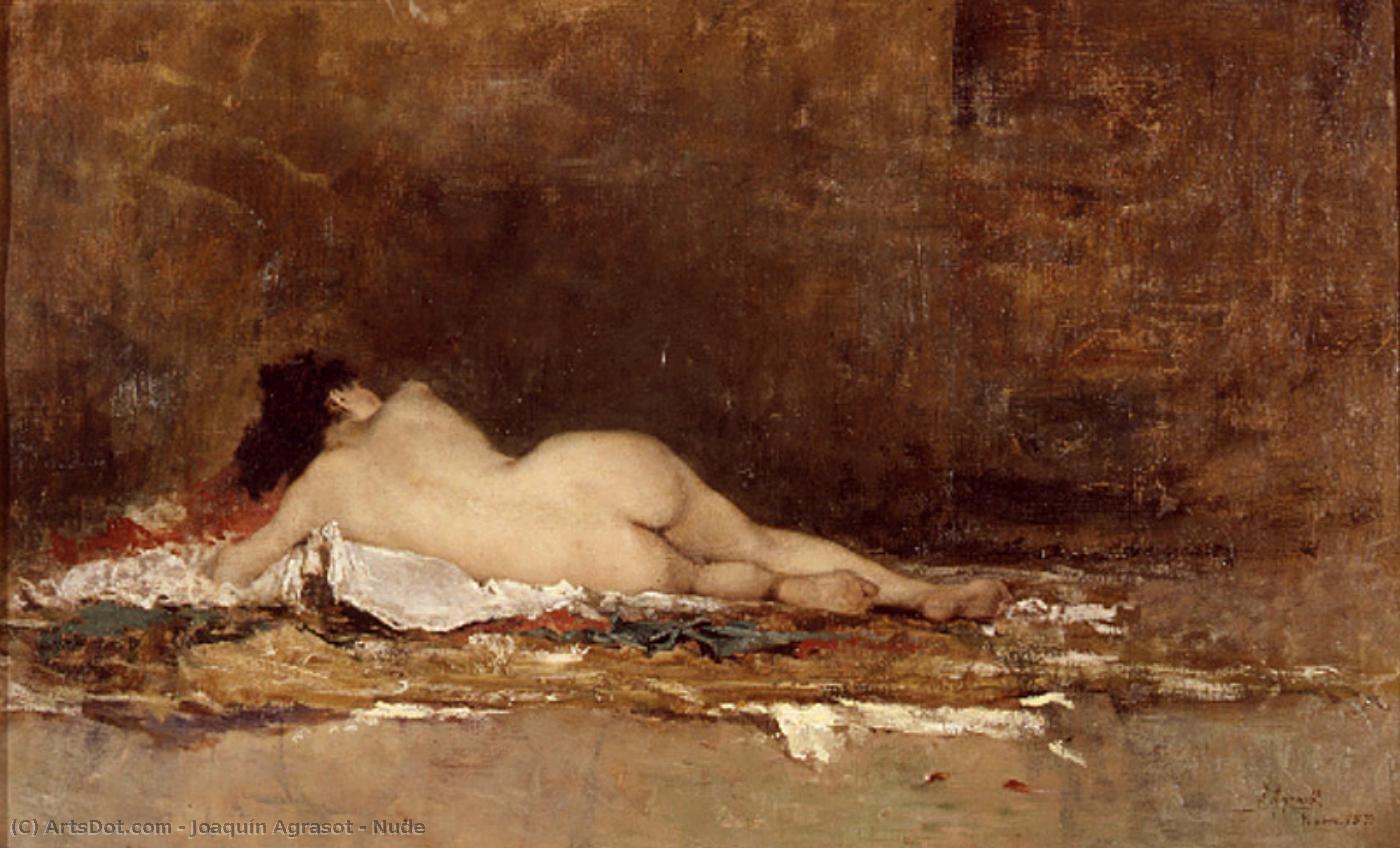
Nude
 Realism
 1871
1871 28.0 x 45.0 cm
 Museum of Fine Arts of Valencia
 Vis hele teksten
Håndlaget oljereproduksjon
Håndmalt olje på lerret i din valgte størrelse og ramme, laget på bestilling av våre kunstnere. ( Kjøp trykk Kjøp bilde)




































Velg mellom våre forhåndsdefinerte størrelser som bevarer kunstverkets opprinnelige proporsjoner.

Du kan angi egne mål for å tilpasse en spesifikk ramme eller plass. Dersom den valgte størrelsen ikke samsvarer med originalbildets proporsjoner, vil vi enten beskjære kunstverket eller utvide maleriet med ytterligere håndmalte elementer. En digital mockup vil bli sendt til din godkjenning før produksjonen starter.
Vennligst merk at forhåndsvisningen på skjermen ikke gjenspeiler den faktiske beskjæringen eller utvidelsen. Kun mockuppen vil vise den endelige komposisjonen nøyaktig.
Selv om tilpassede størrelser er tilgjengelige, anbefaler vi å velge et mål fra den forhåndsdefinerte listen for å bevare de originale proporsjonene.
Etter bestilling vil OriginalUniqueArt.com-teamet sende e-post til kunden for instruksjoner og sende et utkast (mockup) som forhåndsvisning.
Verdensomspennende levering () på 3–4 uker i stedet for standard 5 uker. (21 August). Ingen kompromisser med kvaliteten.

Gratis ekspressfrakt over hele verden

Lerretsduk av høykvalitets lin

Full forsikring under transport

Garanti for refusjon av toll og importavgifter

Garantert korrekt fargegjengivelse

60 dagers returrett (kun ved feil)

100% pengene tilbake-garanti

Rabatt ved flere kjøp
 Glassalternativet er kun tilgjengelig i størrelser under 110 cm

Nude
Teknikk for reproduksjon
Størrelse på reproduksjon
-


Endelig pris
$ 300
Om kunstneren
Joaquín Agrasot y Juan: A Pioneer of Costumbrismo
Joaquín Agrasot y Juan (December 24, 1836 – January 8, 1919) stands as a prominent figure in Spanish Realist painting and a cornerstone of the Costumbrismo movement. Born in Orihuela, Alicante Province, Spain, Agrasot’s artistic journey began with formal training at the Real Academia de Bellas Artes de San Carlos de Valencia, where he honed his skills amidst fellow artists striving for academic excellence. This formative period instilled in him a dedication to meticulous observation and skillful representation of everyday life—a characteristic that would define his distinctive style.- Early Life & Education: Agrasot’s upbringing fostered an appreciation for artistic pursuits, though biographical details remain somewhat sparse. His enrollment at San Carlos cemented his commitment to mastering traditional techniques and capturing the nuances of Spanish society.
- Roman Influences & Artistic Circle: A pivotal moment arrived in 1860 when Agrasot secured a fellowship to study in Rome—a pilgrimage that exposed him to the grandeur of Italian Renaissance art and broadened his artistic horizons. He joined the influential artistic circle centered at the antico caffè greco, engaging in stimulating discussions and exchanging ideas with contemporaries who championed realism and expressive brushwork.
The Costumbrismo Style: Capturing Spanish Soul
Agrasot’s artistic vision crystallized into the Costumbrismo genre—a movement dedicated to portraying scenes of ordinary Spanish life, imbued with regional character and psychological depth. Unlike idealized depictions favored by academic painting, Costumbrismo embraced unflinching realism, prioritizing honest portrayals of landscapes, interiors, and portraits of common people. Agrasot’s canvases pulsate with vibrant colors and dynamic compositions, reflecting the spirit of his time—a period marked by social reform and burgeoning artistic experimentation. His works aim to convey not merely what is seen but also what is felt, capturing the essence of Spanish culture and identity.- National Exhibitions & Recognition: Agrasot’s unwavering dedication to his craft garnered considerable acclaim through participation in national exhibitions organized by the Royal Academy of Fine Arts. His canvases consistently impressed juries and critics alike, establishing him as a respected voice within the Spanish artistic community.
- Return to Valencia & Academic Roles: After three years abroad, Agrasot returned to his hometown of Orihuela, where he resided for many years before settling in Granada. He continued his academic pursuits at San Carlos and subsequently joined the Real Academia de Bellas Artes de San Fernando, serving as a juror on numerous occasions—a testament to his enduring influence within Spanish art education.
Notable Works & Legacy
Agrasot’s oeuvre encompasses a diverse range of subjects—from landscapes and portraits to genre scenes depicting daily life. Among his most celebrated paintings are “A Picador on a grey horse,” “Nude,” and “Interior with woman embroidering”—each piece exemplifies the artist's mastery of Costumbrismo techniques and his ability to evoke profound emotional resonance. His meticulous attention to detail, combined with expressive brushwork and masterful use of color, ensures that Agrasot’s artworks continue to captivate audiences today.Historical Significance
Joaquín Agrasot y Juan's contribution to Spanish art history extends beyond his individual achievements. He served as a pivotal figure in establishing Costumbrismo as a distinct artistic movement—a reaction against academic conventions and a celebration of Spanish vernacular culture. His legacy resides not only in the beauty of his paintings but also in their enduring portrayal of the human condition—a timeless reminder of the power of art to illuminate the complexities of everyday life and capture the spirit of an era.
joaquín agrasot y juan
1836 - 1919 , Spain
Kort om kunstneren
- Artistic Movement Or Style: Realism
- Date Of Birth: December 24, 1836
- Date Of Death: January 8, 1919
- Full Name: Joaquín Agrasot y Juan
- Nationality: Spanish
- Notable Artworks:
- A Picador on a grey horse
- Nude
- Interior with woman embroidering
- Place Of Birth: Orihuela, Spain

