
 Se i rommet
 Del som digitalt kort
 Del
Del
 Detaljer
 Studentguide

 Last ned
 Liknende objekter
 Røntgen
 Lysbildefremvisning
 Besøksstatistikk
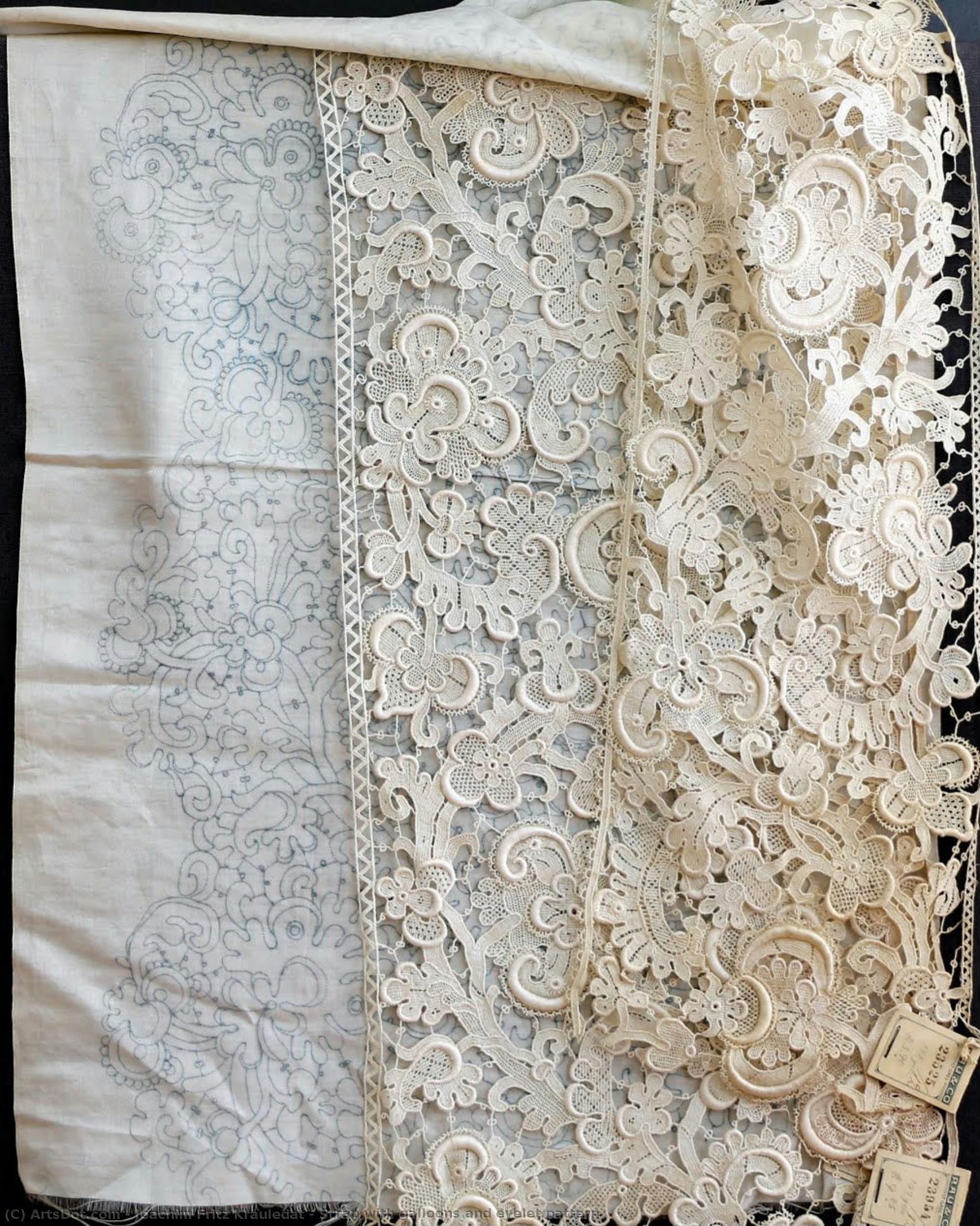
Strap with galloons and eyelet pattern


 Les mer
Giclée / Kunsttrykk
Giclée- eller lerretsprint av museumskvalitet med rask produksjon og fleksible valgmuligheter for etterbehandling. ( Bestill håndmalt reproduksjon Gå til digitalt bilde)




































Velg mellom våre forhåndsdefinerte størrelser som bevarer kunstverkets opprinnelige proporsjoner.

Du kan oppgi egne mål for å tilpasse en spesifikk ramme eller et bestemt område. Dersom den valgte størrelsen ikke samsvarer med det originale bildets proporsjoner, vil vi enten beskjære kunstverket eller utvide bildet med en speilet eller ensfarget kant. En digital mockup vil bli sendt til din godkjenning før produksjonen starter.
Vennligst merk at forhåndsvisningen på skjermen ikke gjenspeiler den faktiske beskjæringen eller utvidelsen. Kun mockuppen vil vise den endelige komposisjonen nøyaktig.
Selv om tilpassede størrelser er tilgjengelige, anbefaler vi å velge et mål fra den forhåndsdefinerte listen for å bevare de originale proporsjonene.
Verdensomspennende levering () på 2 uker i stedet for standard 4/5 uker. (27 September)

Gratis ekspressfrakt over hele verden

Lerretsduk av høykvalitets lin

Full transportforsikring

Garanti for refusjon av toll og importavgifter

Garantert fargeekthet

100 dagers returrett ved fabrikasjonsfeil

100% pengene tilbake-garanti

Mengderabatt
 Glassalternativet er kun tilgjengelig i størrelser under 110 cm

Strap with galloons and eyelet pattern
Giclée / Kunsttrykk
Format på reproduksjon
-


Totalpris
$ 80
Kunstnerbiografi
Early Life and Transatlantic Journey
Joachim Fritz Krauledat, a name perhaps unfamiliar to many, belies the iconic figure he would become: John Kay, the driving force behind the legendary rock band Steppenwolf. Born on April 12, 1944, in Tilsit, East Prussia – now Sovetsk, Kaliningrad Oblast, Russia – Krauledat’s early life was irrevocably shaped by the tumultuous events of World War II and its aftermath. His father, Fritz Krauledat, tragically passed away just a month before his birth, casting a long shadow over his formative years. The subsequent evacuation of East Prussia in the harsh winter of 1945 became a harrowing tale of survival for his mother and infant son, fleeing the advancing Soviet troops. This experience, etched deeply into Kay’s memory, would later find expression in his songwriting, particularly in the poignant ballad “Renegade,” which recounts their desperate journey to resettle in Hanover, West Germany. The early years were marked by hardship and displacement, but also a burgeoning love for music, fostered by listening to broadcasts from British Forces Broadcasting Service. This nascent passion would ultimately lead him on a path that transcended borders and generations.The Formation of Steppenwolf and the Rise to Rock Stardom
In 1958, the Krauledat family embarked on a new chapter, emigrating to Canada, where Joachim adopted the name John Kay – a symbolic shedding of his past and an embrace of a new identity. He quickly immersed himself in the burgeoning music scene, joining a blues rock and folk group called The Sparrows in 1965. After moderate success within Canada, the band relocated to California in 1967, undergoing a transformation that would forever alter the landscape of rock music. Renamed Steppenwolf, the ensemble began crafting a sound that blended hard-driving rhythms with introspective lyrics, pioneering what would become known as heavy metal and hard rock. Kay’s distinctive voice – raw, powerful, and imbued with a sense of urgency – became the band's signature. The release of their debut album in 1968 catapulted Steppenwolf to international fame, fueled by anthems like “Born to Be Wild,” which famously captured the spirit of rebellion and freedom, forever linked to the counterculture movement and immortalized in the film *Easy Rider*. Subsequent hits such as "Magic Carpet Ride," "Monster," and "The Pusher" solidified their status as rock icons.A Legacy Forged in Songwriting and Activism
John Kay’s influence extends far beyond Steppenwolf's chart-topping singles. He is a prolific songwriter, exploring themes of social injustice, personal struggle, and the search for meaning with remarkable depth and honesty. His lyrics often reflect his own experiences – the trauma of displacement, the challenges of assimilation, and the complexities of the human condition. Beyond music, Kay has demonstrated a lifelong commitment to activism and conservation efforts. He is known for his advocacy work on behalf of environmental protection and indigenous rights, using his platform to raise awareness about critical issues facing the world. His dedication to these causes reflects a deep sense of responsibility and a desire to make a positive impact beyond the realm of entertainment. Kay’s distinctive image – often sporting dark sunglasses due to congenital achromatopsia (complete colorblindness) – has become synonymous with his rebellious spirit and unwavering commitment to his principles.Solo Ventures, Continued Touring, and Enduring Influence
Throughout the late 1970s and beyond, Kay continued to explore his musical creativity through solo projects while simultaneously maintaining Steppenwolf’s legacy. Despite numerous lineup changes over the years, he remained the sole original member involved from 1980 until 2018, tirelessly touring and releasing albums under the banner of John Kay & Steppenwolf. His dedication ensured that the band's iconic sound continued to resonate with audiences across generations. In 2004, Kay was rightfully inducted into Canada’s Walk of Fame, a testament to his early years as a Canadian citizen and the profound impact he had on the nation’s musical landscape. He remains an active performer and songwriter, continuing to inspire musicians and fans alike with his powerful voice, insightful lyrics, and unwavering commitment to artistic integrity.Historical Significance and Enduring Appeal
John Kay & Steppenwolf occupy a unique place in rock history, bridging the gap between blues-based roots music and the burgeoning heavy metal scene of the late 1960s and early 1970s. Their music captured the zeitgeist of an era marked by social upheaval, political unrest, and a yearning for freedom. “Born to Be Wild”, in particular, became an anthem for a generation, embodying the spirit of rebellion and challenging conventional norms. Kay’s songwriting prowess, coupled with his distinctive vocal style, helped define the sound of hard rock and paved the way for countless artists who followed in their footsteps.- Pioneering Hard Rock Sound
- Influential Songwriting
- Cultural Impact through *Easy Rider*
- Advocacy for Social Causes

joachim fritz krauledat
1944 - , Germany
Kort om kunstneren
- Artistic Movement Or Style: Hard Rock, Heavy Metal
- Date Of Birth: April 12, 1944
- Full Name: Joachim Fritz Krauledat
- Nationality: German-Canadian
- Notable Artworks:
- Born to Be Wild
- Magic Carpet Ride
- Rock Me
- Place Of Birth: Tilsit, Germany