Forhåndsvisning
 Send
Send Del med andre
 Vis detaljer

 Last ned bildet
 Liknende objekter
 Røntgenundersøkelse
 Lysbildefremvisning
 Statistikk
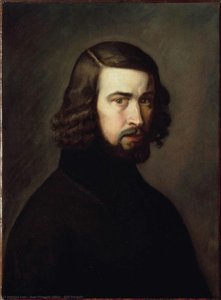
The Bather

 Vis hele teksten
Håndlaget oljereproduksjon
Håndmalt olje på lerret i din valgte størrelse og ramme, laget på bestilling av våre kunstnere. ( Bytt til trykk Bytt til digitalt bilde)




P118B $10

P118H $10

P118W $10

P438Z $10

P508JH $12

P508YH $12

P805H $10

P805Z $10

P919BZ $10

P919G $10

P919XJ $10

P959ZH $10

P968JZ $12

W106C $8

W218G $10

W218JH $8

W218Y $10

W307PJ $10

W316G $10

W316PJ $8

W316Y $10

W398PJ $8

W4111J $10

W500HY $15

W500JH $15

W692G $12

W849H $8

W940BG $15

W953PJ $8




Velg mellom våre forhåndsdefinerte størrelser som bevarer kunstverkets opprinnelige proporsjoner.

Du kan angi egne mål for å tilpasse en spesifikk ramme eller plass. Dersom den valgte størrelsen ikke samsvarer med originalbildets proporsjoner, vil vi enten beskjære kunstverket eller utvide maleriet med ytterligere håndmalte elementer. En digital mockup vil bli sendt til din godkjenning før produksjonen starter.
Vennligst merk at forhåndsvisningen på skjermen ikke gjenspeiler den faktiske beskjæringen eller utvidelsen. Kun mockuppen vil vise den endelige komposisjonen nøyaktig.
Selv om tilpassede størrelser er tilgjengelige, anbefaler vi å velge et mål fra den forhåndsdefinerte listen for å bevare de originale proporsjonene.
Etter bestilling vil OriginalUniqueArt.com-teamet sende e-post til kunden for instruksjoner og sende et utkast (mockup) som forhåndsvisning.
Verdensomspennende levering () på 3–4 uker i stedet for standard 5 uker. (18 September). Ingen kompromisser med kvaliteten.

Gratis ekspressfrakt over hele verden

Lerretsduk av høykvalitets lin

Full forsikring under transport

Garanti for refusjon av toll og importavgifter

Garantert korrekt fargegjengivelse

100 dagers returrett (kun ved mangler)

100% pengene tilbake-garanti

Rabatt ved flere kjøp
 Glassalternativet er kun tilgjengelig i størrelser under 110 cm

The Bather
Teknikk for reproduksjon
Størrelse på reproduksjon
-


Endelig pris
$ 300
A Portrait of Rural Dignity: Exploring Jean-François Millet’s “The Bather”
Jean-François Millet stands as one of the titans of Realism, an artist who dared to confront the realities of peasant life with unflinching honesty and profound empathy. His masterpiece, "The Bather," completed in 1870, isn't merely a depiction of a woman bathing; it’s a distillation of the spirit of its time—a testament to Millet’s unwavering commitment to portraying the everyday struggles and triumphs of rural France during the waning years of the Second Empire.- Historical Resonance: The painting emerged from a period marked by significant societal upheaval. Napoleon III's reign was drawing to a close, ushering in anxieties about political stability and cultural direction. Millet’s work responded directly to this climate, mirroring the broader artistic movement that sought to abandon Romantic idealism for grounded observation of the natural world.
- Realist Vision: Unlike the grand narratives favored by earlier generations, Millet eschewed theatrical grandeur. Instead, he focused on capturing the quiet dignity of ordinary individuals—specifically a woman tending to her bathwater in a sunlit meadow. This deliberate simplicity underscores his belief that beauty could be found not in idealized fantasies but in the tangible details of human experience.
Composition and Technique: Light, Shadow, and Texture
Millet’s artistic prowess lies primarily in his masterful manipulation of light and shadow—elements he employed with remarkable precision. The muted palette—dominated by earthy browns and greens—creates an atmosphere of serene contemplation. Loose brushstrokes contribute to a palpable sense of texture, mirroring the rough surface of the rocks upon which the woman rests and conveying the warmth of the sun’s rays illuminating her skin. Notice how Millet skillfully directs our gaze toward the central figure, emphasizing her vulnerability yet simultaneously projecting strength through her posture. The artist's meticulous attention to detail—from the subtle creases in the woman’s clothing to the delicate feathers drifting from the birds overhead—further enhances the painting’s realism.- Symbolism of Nature: Beyond its visual beauty, “The Bather” carries symbolic weight. The meadow itself represents fertility and renewal, mirroring the cyclical rhythms of rural life. The woman's bathing ritual symbolizes purification—a yearning for solace amidst hardship—reflecting a broader humanist concern with the human condition.
- Emotional Impact: Millet’s work transcends mere representation; it evokes profound emotion. Viewers are invited to contemplate themes of solitude, resilience, and connection to the natural world. The painting's quiet dignity speaks to an enduring fascination with the beauty inherent in simplicity and the importance of confronting life’s challenges with grace.
Legacy and Influence: Millet’s Enduring Relevance
Jean-François Millet’s influence extends far beyond his own lifetime. He championed Realism as a corrective to Romantic sentimentality, paving the way for subsequent artists like Gustave Courbet and Jules Bastien Lepage. His unwavering dedication to portraying the lives of rural laborers solidified his place among the pioneers of Impressionism and continues to inspire contemporary artists seeking authenticity and emotional depth. To experience Millet’s vision firsthand, explore exquisite reproductions at OriginalUniqueArt.com – where you can discover a stunning rendition of “The Good Samaritan” and other iconic works.Om kunstneren
A Life Rooted in the Soil: The World of Jean-François Millet
Jean-François Millet, a name synonymous with the dignity of rural life and the burgeoning Realist movement in 19th-century France, was born not into artistic privilege but into the very world he would immortalize on canvas. October 4, 1814, found him arriving in Gruchy, a small Norman village steeped in agricultural tradition. This upbringing wasn’t merely a backdrop to his life; it *was* his life, shaping his vision and imbuing his art with an authenticity that resonated deeply with a society undergoing rapid change. His parents, Jean-Louis-Nicolas and Aimée-Henriette-Adélaïde Henry Millet, were farmers themselves, instilling in young Jean-François a profound connection to the land and its laborers. Early education came not only from formal schooling—facilitated by local priests who recognized his intellectual promise—but also from the rhythms of farm work: sowing, reaping, threshing, tasks that would later become central motifs in his paintings. This intimate knowledge wasn’t simply observational; it was experiential, a visceral understanding of hardship and resilience.From Academic Aspirations to Rural Revelation
Millet's artistic journey began with formal training, first under portrait painter Bon Du Mouchel in Cherbourg, then with Théophile Langlois de Chèvreville, a student of Baron Gros. In 1837, he ventured to Paris and enrolled at the prestigious École des Beaux-Arts, studying under Paul Delaroche. However, the academic expectations of the Salon system proved stifling. Initial successes were followed by rejections, and Millet found himself grappling with artistic disillusionment. A turning point came in the 1840s, marked by personal tragedy – the loss of his wife, Pauline-Virginie Ono – and a growing dissatisfaction with the prevailing romanticized depictions of peasant life. He began to reject idealized pastoral scenes, seeking instead to portray rural existence with unflinching honesty. This shift was further solidified by his association with artists like Constant Troyon, Narcisse Diaz, Charles Jacque, and Théodore Rousseau, who formed the core of the Barbizon school. These painters shared a commitment to *plein air* painting – working directly from nature – and a rejection of academic artifice. Millet’s move to Barbizon in 1849 marked a decisive break with Parisian conventions and an embrace of his artistic destiny, deeply rooted in the landscapes and lives surrounding him.The Poetry of Labor: Themes and Techniques
Millet's oeuvre is characterized by its profound empathy for the working class, particularly peasant farmers. He didn’t merely depict their labor; he elevated it to a level of dignity and spiritual significance previously unseen in art. His paintings are not sentimental idealizations but rather honest portrayals of hardship, resilience, and quiet devotion. The Gleaners (1857), perhaps one of his most iconic works, exemplifies this approach. The three women depicted gathering leftover grain after the harvest aren’t romanticized figures; they are laborers, bent double by toil, yet possessing a quiet dignity that commands respect. *The Angelus (1850-1861)*, another masterpiece, captures a moment of profound spirituality – a peasant couple pausing for prayer as the church bell tolls – transforming an everyday act into something sacred. The Sower (1850) is arguably his most recognizable image, representing the cyclical nature of agricultural labor and humanity’s connection to the land. He employed a limited palette, focusing on earthy tones that reflected the colors of the countryside, and built up layers of paint to create a sense of texture and depth, drawing inspiration from the Dutch Masters' masterful use of light and shadow. Millet’s compositions often feature simple, uncluttered arrangements, emphasizing the figures within their environment.A Lasting Legacy: Millet’s Influence and Historical Significance
Jean-François Millet died in Barbizon on January 20, 1875, leaving behind a body of work that profoundly impacted the course of modern art. He played a pivotal role in establishing Realism as a dominant force in painting, challenging the conventions of academic art and paving the way for future movements like Impressionism and Social Realism. His focus on everyday life and social issues resonated with artists who sought to depict the world around them with honesty and authenticity. His influence extended beyond painting; his images became symbols of rural virtue and working-class solidarity, inspiring writers, poets, and political thinkers. Artists such as Correa Benito Rebolledo continued to explore themes of rural life and social justice, directly influenced by Millet’s example. Today, Millet's paintings continue to captivate audiences with their timeless beauty, emotional depth, and enduring message of human dignity. His work serves as a powerful reminder that even in the face of hardship, there is grace, resilience, and profound spiritual meaning to be found in the simplest of lives.Major Works
- The Gleaners (1857): A poignant depiction of women gathering leftover grain.
- The Angelus (1850-1861): A symbol of rural piety and a moment of quiet devotion.
- The Sower (1850): An iconic image representing the cycle of agricultural labor.
- Man with a Hoe: A powerful representation of physical toil and human endurance.
- Harvesters Resting: Capturing a moment of respite amidst arduous work.
- Woman Baking Bread: A depiction of domestic labor imbued with dignity.

Jean-François Millet
1814 - 1875 , Frankrike
Kort om kunstneren
- Artistic Movement Or Style: Realisme, Barbizon
- Artists Or Movements Influenced By This Artist:
- Impressionisme
- Sosialrealisme
- Artists Who Influenced This Artist:
- Nederlandske malere
- Delaroche
- Date Of Birth: 4 okt 1814
- Date Of Death: 20 jan 1875
- Full Name: Jean-François Millet
- Nationality: Fransk
- Notable Artworks:
- Gleanere
- Angelus
- Såreren
- Place Of Birth: Gruchy, Frankrike
Relaterte artikler
Realismens Mesterverk: Topp 10 Kunstverk som Definerte Epoken – OriginalUniqueArt.no
Utforsk realismens 10 største mesterverk! Oppdag Gustave Courbet, Millet og Daumier – historiene bak ikoniske malerier. Finn inspirasjon til interiøret & kjøp kunst online hos OriginalUniqueArt.no. Utforsk samlingen nå!
The Barbizon School: Pioneering Realism & the Pastoral Vision in 19th-Century French Painting
Explore the Barbizon School's pivotal role in 19th-century French painting. Discover how these artists revolutionized landscape art with their commitment to Realism and a profound connection to nature. Learn about key figures like Rousseau, Millet & Corot.

Romantic Realism's Finest: 10 Masterpieces for Your Home | OriginalUniqueArt
Explore 10 defining masterpieces of Romantic Realism! Discover Courbet, Millet & Daumier's powerful paintings—capturing emotion and social realities. Find museum-quality reproductions for your home at OriginalUniqueArt.com.
Golden Fields & Rustic Souls: Exploring the Timeless Art of Jean-François Millet
Discover the profound beauty of Jean-François Millet’s masterpieces. Explore the soul of the Barbizon School through an expert lens, celebrating the dignity of rural life and the timeless legacy of Realism in fine art history.

Jean-François Millet: Realism, Rural Life & the Poetic Depiction of Labor
Explore the life & work of Jean-François Millet, a founder of Realism. Discover his poignant depictions of rural France, iconic paintings like 'The Angelus,' and lasting influence on art history. Learn more at OriginalUniqueArt.