Se i rommet
 Del som digitalt kort
 Del
Del
 Detaljer
 Studentguide

 Last ned
 Liknende objekter
 Røntgen
 Lysbildefremvisning
 Besøksstatistikk
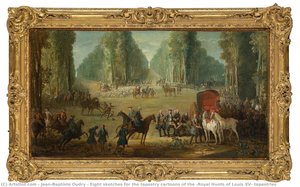
Dog Pointing a Partridge
 Acrylic On Canvas
- WallArt
- Rococo
 1725
1725 129.0 x 162.0 cm
 Eremitasjen
 Les mer
Giclée / Kunsttrykk
Giclée- eller lerretsprint av museumskvalitet med rask produksjon og fleksible valgmuligheter for etterbehandling. ( Bestill håndmalt reproduksjon Gå til digitalt bilde)




P118B Nkr10

P118H Nkr10

P118W Nkr10

P438Z Nkr10

P508JH Nkr12

P508YH Nkr12

P805H Nkr10

P805Z Nkr10

P919BZ Nkr10

P919G Nkr10

P919XJ Nkr10

P959ZH Nkr10

P968JZ Nkr12

W106C Nkr8

W218G Nkr10

W218JH Nkr8

W218Y Nkr10

W307PJ Nkr10

W316G Nkr10

W316PJ Nkr8

W316Y Nkr10

W398PJ Nkr8

W4111J Nkr10

W500HY Nkr15

W500JH Nkr15

W692G Nkr12

W849H Nkr8

W940BG Nkr15

W953PJ Nkr8




Velg mellom våre forhåndsdefinerte størrelser som bevarer kunstverkets opprinnelige proporsjoner.

Skriv inn bredden og høyden du trenger, slik at den passer til din ramme eller vegg. Et trykk kan kun beskjæres, aldri gjøres større enn bildet, så et format med en annen form vil miste en del av motivet. Vi sender deg en digital mockup for godkjenning før vi trykker noe som helst. Bildet som vises på denne siden viser ikke den faktiske beskjæringen — det er kun mockuppen som gjør det.
Verdensomspennende levering () på 2 uker i stedet for standard 4/5 uker. (22 October)

Gratis ekspressfrakt over hele verden

Lerretsduk av høykvalitets lin

Full transportforsikring

Garanti for refusjon av toll og importavgifter

Garantert fargeekthet

100 dagers returrett ved fabrikasjonsfeil

100% pengene tilbake-garanti

Mengderabatt
 Glassalternativet er kun tilgjengelig i størrelser under 110 cm

Dog Pointing a Partridge
Giclée / Kunsttrykk
Format på reproduksjon
-


Totalpris
Nkr 755
A Moment of Focused Grace: Oudry’s “Dog Pointing a Partridge”
Jean-Baptiste Oudry's "Dog Pointing a Partridge," painted in 1725, isn’t merely a depiction of a hunt; it’s a distillation of the Rococo spirit – an elegant tableau capturing a fleeting moment of intense concentration and the harmonious relationship between man and animal. The painting immediately draws the eye to the dog, a magnificent specimen of the Pointer breed, utterly absorbed in its task. Its head is lowered, tail held high in anticipation, and posture radiating unwavering focus. This isn’t a clumsy or frantic pursuit; it's a controlled, almost meditative state, suggesting an innate understanding of scent and instinct. The Partridge, perched delicately amongst the grasses, becomes a secondary subject, almost a reward for this dedicated vigilance.
The Rococo Palette and Precise Observation
Oudry’s mastery lies in his meticulous observation and the skillful application of Rococo techniques. The painting is rendered in a remarkably detailed black and white, emphasizing form and texture rather than relying on vibrant color. This monochrome palette was common for hunting scenes at the time, allowing Oudry to concentrate on capturing the nuances of light and shadow – the way it falls across the dog’s fur, the delicate details of the bird's plumage, and the undulating surface of the grass. The brushstrokes are smooth and refined, contributing to a sense of serenity and control. Notice how he uses subtle gradations of tone to create depth and volume, particularly in the dog’s musculature and the surrounding foliage. The composition itself is carefully balanced, with the elements arranged to guide the viewer's eye through the scene – from the rock at the foreground, up to the bird and then back down to the dog.
- Technique: Oil on canvas, demonstrating Oudry’s command of chiaroscuro (light and shadow).
- Composition: Balanced arrangement drawing the eye through the scene.
- Brushwork: Smooth, refined strokes contributing to a sense of serenity.
A Royal Pursuit and Aristocratic Leisure
“Dog Pointing a Partridge” reflects the aristocratic pursuits of 18th-century France, specifically the royal hunt. These scenes weren’t simply records of hunting expeditions; they were carefully constructed displays of wealth, skill, and social status. Oudry was commissioned by figures like Noël-Antoine de Mérou, director of the Royal Beauvais Tapestry Manufactory, to create designs for tapestries depicting similar hunts – a testament to their popularity and importance within courtly life. The painting embodies the Rococo fascination with leisure, elegance, and the idealized depiction of aristocratic pursuits. The dog’s posture speaks volumes about the values of the time: loyalty, discipline, and an appreciation for the natural world—all carefully curated and presented for a discerning audience.
Symbolism and Emotional Resonance
Beyond its technical brilliance, the painting holds symbolic weight. The dog represents not just a hunting tool but also a companion – a loyal friend engaged in a shared activity. The Partridge, often associated with fertility and renewal, adds another layer of meaning to the scene. The overall effect is one of quiet grace and focused intensity. It’s a moment frozen in time, capturing the beauty of nature and the harmonious relationship between man and animal—a timeless image that continues to resonate with viewers today. Reproductions allow us to appreciate Oudry's skill and bring this elegant scene into our own homes, offering a glimpse into the refined world of 18th-century French aristocracy.
Spørsmål og svar
Kan jeg bruke utvidet virkelighet (AR) for å se "Dog Pointing a Partridge" av Jean-Baptiste Oudry i rommet mitt?
"Dog Pointing a Partridge" av Jean-Baptiste Oudry kan forhåndsvises på din egen vegg med kunstverkets AR-forhåndsvisning-side, ved bruk av utvidet virkelighet (AR) på en kompatibel enhet.
Hvilken atmosfære ville en reproduksjon av "Dog Pointing a Partridge" av Jean-Baptiste Oudry tilføre et rom?
Den Elegant atmosfæren i "Dog Pointing a Partridge" av Jean-Baptiste Oudry passer perfekt til det anbefalte rommet: et Living Room.
Er fargene i "Dog Pointing a Partridge" av Jean-Baptiste Oudry livlige eller dempede?
"Dog Pointing a Partridge" av Jean-Baptiste Oudry er gjengitt med en Subtle Color metning og en Monochromatic intensitet.
Kunstnerbiografi
Jean-Baptiste Oudry: Et liv i kunsten
Tidlig liv og utdanning
- Født: 17. mars 1686, i Paris, Frankrike.
- Oudry kom fra en kunstnerisk familie; hans far, Jacques Oudly, var maler og kunsthandler. Hans mor, Nicole Papillon, var i slekt med den berømte kobberstikkeren Jean-Baptiste-Michel Papillon.
- Han begynte sin utdannelse ved Académie de Saint-Luc, hvor han studerte under Nicolas de Largillière fra 1707 til 1712. Denne grunnleggende perioden formet hans tidlige ferdigheter innen portrettmaleri og observasjonsteknikk.
- Han gjorde raske fremskritt, og ble assisterende professor ved Académie de Saint-Luc i 1714, og full professor innen 1717.
Kunstnerisk utvikling og stil
- Opprinnelig med fokus på portretter, utvidet Oudry gradvis sitt repertoar til å inkludere stilleben, spesielt av frukt og dyr, samt religiøse motiver.
- Hans stil utviklet seg mot rokokkoen, preget av eleganse, naturalisme og en leken fremstilling av det aristokratiske livet og fritidssysler.
- Oudrys nitidige oppmerksomhet på detaljer og hans evne til å fange dyrenes teksturer og egenskaper ble selve kjennetegnet på hans arbeid.
- Han utviste mesterskap i både maleri og design, og beveget seg sømløst mellom lerretets verden og skapelsen av praktfulle gobeliner.
Store prestasjoner og fremstående verk
- The Pastoral Amusements (Les Ammutements Champêtres): En serie gobeliner designet for den kongelige Beauvais-fabrikken, som viser idylliske scener fra landlivet og jakt.
- Louis XV jakter på en hjort i skogen ved Saint-Germain (1730): Dette maleriet sementerte Oudrys rykte som den offisielle maleren for den kongelige jakten. Det eksemplifiserer hans ferdighet i å skildre både jaktens storhet og det naturlige miljøet.
- Louis XVs kongelige jakter (Chasses Royales Gobelins): En serie gobelin-design for Gobelins-fabrikken, som ytterligere etablerte Oudrys posisjon som en fremstående tekstildesigner.
- Tallrike portretter av vilt bestilt av kong Louis XV, som demonstrerer hans ekspertise innen dyreanatomi og komposisjon av stilleben.
Innflytelse og ettermæle
- Påvirket av: Nicolas de Largillière spilte en avgjørende rolle i Oudrys tidlige kunstneriske utvikling ved å gi ham grunnleggende opplæring i portrettkunst og teknikk.
- Oudrys arbeid påvirket etterfølgende generasjoner av dyremalere og tekstildesignere. Hans naturalistiske stil og detaljrikdom satte en ny standard for fremstilling av dyrelivet.
- Han bidro betydelig til de dekorative kunstene ved det franske hoffet, ved å skape luksuriøse gobeliner som prydet de kongelige residensene.
Historisk betydning
- Oudrys arbeid gir verdifull innsikt i det 18. århundrets aristokratiske liv og betydningen av jakt som en fritidssyssel for den franske adelen.
- Hans gobeliner regnes som mesterverk innen fransk dekorativ kunst, og viser periodens tekniske ferdighet og kunstneriske kreativitet.
- Han ble utnevnt til prestisjetunge posisjoner innen Académie Royale de Peinture et de Sculpture, noe som vitner om hans anerkjennelse som en ledende kunstner i sin tid.
- Død: 30. april 1755, og etterlot seg en arv av utsøkte malerier og gobeliner som fortsetter å bli beundret den dag i dag.

Jean-Baptiste Oudry
1686 - 1755 , Frankrike
Kort om kunstneren
- Artistic Movement Or Style: Rokoko
- Artists Who Influenced This Artist: ['Nicolas de Largillière']
- Date Of Birth: 17 mars 1686
- Date Of Death: 30 april 1755
- Full Name: Jean-Baptiste Oudry
- Nationality: Französisk
- Notable Artworks:
- The Pastoral Amusements
- Louis XV Hunting a Deer in the Forest of Saint-Germain
- Place Of Birth: Paris, Frankrike
Relaterte artikler
Animalia: Dyrenes varige tilstedeværelse i kunst og interiørdesign
Utforsk dyrenes fascinerende symbolske betydning i kunst og interiørdesign! Lær om historiske trender, kulturelle allegorier og hvordan du kan bruke dyremotiver for å skape et unikt hjem.
The Pursuit of Power & Prestige: Hunting Scenes in Western Art
Explore the rich history of hunting scenes in Western art, from royal pursuits to powerful allegories. Discover masterpieces & expert insights for discerning collectors. OriginalUniqueArt offers museum-quality reproductions.

Rokokkoens Mesterverk: Topp 10 Kunstverk som Definerte en Epoke | OriginalUniqueArt.no
Oppdag Rokokkoens 10 mest ikoniske mesterverk! Lær om Boucher, Fragonard og Watteau – kunsthistorie, pastellfarger & elegante interiører. Finn museumskvalitets reproduksjoner på OriginalUniqueArt.no.
Beastly Brushstrokes: A Historical Journey Through Animal Painting & Aesthetic Movements
Explore the rich history of animal painting across cultures & movements. Discover iconic artists, symbolism, collecting trends & expert art consultation at OriginalUniqueArt.com.

The Rococo Aesthetic: Opulence, Rebellion & the Pursuit of Pleasure in 18th-Century Art
Explore the opulent world of Rococo art! Discover its origins, key artists like Watteau & Boucher, and lasting influence on design. Expert insights for collectors & enthusiasts.