
 Send
Send Del
Del
 Vis detaljer
 Utskriftsvennlig guide

 Last ned bilde
 Liknende objekter
 Lysbildefremvisning
 Spørsmål og svar
 Statistikk
Kul-e Farah relief I


 Vis hele teksten
Kunstverket som vises på denne siden er beskyttet av opphavsretten, noe som betyr at vi ikke har juridisk tillatelse til å lage eller selge identiske reproduksjoner. Denne beskyttelsen håndheves i henhold til internasjonale avtaler som for eksempel Bernerkonvensjonen og av nasjonale lover, inkludert de som er fastsatt i Amerikansk lov om opphavsrett – Tittel 17.
Denne metoden er i fullt samsvar med opphavsrettslige regler, da den ikke innebærer kopiering eller duplisering av det beskyttede kunstverket. I stedet er det snakk om en kreativ nytolkning – et nytt maleri som er inspirert av originalen, men ikke identisk med den.
Giclée / Kunsttrykk
Giclée- eller lerretsprint av museumskvalitet med rask produksjon og fleksible valgmuligheter for etterbehandling. ( Kjøp håndmalt maleri Bytt til digitalt bilde)




































Velg mellom våre forhåndsdefinerte størrelser som bevarer kunstverkets opprinnelige proporsjoner.

Skriv inn ønsket bredde og høyde for å tilpasse trykket til din ramme eller vegg. Et trykk kan kun beskjæres, aldri skaleres opp utover motivets opprinnelige størrelse, noe som betyr at et format med andre proporsjoner vil føre til tap av deler av bildet. Vi sender deg en digital mockup for godkjenning før vi starter trykkeprosessen. Bildet som vises på denne siden viser ikke den faktiske beskjæringen — det er kun mockuppen som viser dette.
Verdensomspennende levering () på 2 uker i stedet for standard 4/5 uker. (10 November)

Gratis ekspressfrakt over hele verden

Lerretsduk av lin av høy kvalitet

Full transportforsikring

Garanti for refusjon av toll og importavgifter

Garantert fargegjengivelse

100 dagers returrett ved fabrikasjonsfeil

100% pengene tilbake-garanti

Rabatt ved flere kjøp
 Glassalternativet er kun tilgjengelig i størrelser under 110 cm

Kul-e Farah relief I
Giclée / Kunsttrykk
Størrelse på reproduksjon
-


Totalpris for valgte alternativer
Nkr 775
A Silent Witness to Elamite Grandeur
Perched high above the landscape, carved into a vertical niche some five and a half meters from the ground, the Kul-e Farah relief I stands as a profound testament to the enduring spirit of the Elamite highland tradition. This ancient masterpiece is not merely a carving on stone; it is a monumental dialogue between man and nature, frozen in time since approximately 500 BC. The relief serves as a vital historical link, embodying the sophisticated artistic language of an era that flourished in the ancient Near East. To gaze upon this work is to witness the intersection of political authority and artistic devotion, where every line etched into the rock face speaks of a civilization deeply rooted in its rugged, mountainous terrain.
The composition of the relief is both intricate and commanding, showcasing a scene of figures positioned with a deliberate sense of hierarchy and presence. The artistry lies in the way the carver utilized the natural contours of the rock to breathe life into the subjects, creating a sense of depth that invites the viewer to contemplate the lives of those depicted. Within the vertical niche, the relief integrates multiple elements of elite representation, drawing from much older traditions of valley carvings to assert the prestige of its creators. For the discerning collector or lover of antiquity, this piece offers a window into a world where art was used to solidify the identity of rulers and the sanctity of their lands.
The Language of Power and Inscription
Beyond its visual majesty, the Kul-e Farah relief I is a literary treasure, housing a complex narrative written in stone. The surface is adorned with twenty-four horizontal registers of an inscription that remains one of the most significant, yet enigmatic, archaeological finds of the region. This text provides a rare glimpse into the political landscape of the time, identifying the local ruler Hanni, son of Tahhi, who served as the "caretaker, protector, and ruler" of Ayapir. His role as a vassal to the Elamite king Shutur-Nahhunte highlights the intricate web of loyalty and governance that defined the period between 625 and 585 BC. The presence of nine additional epigraphs, delicately inscribed over the skirts of the carved figures, adds a layer of rhythmic detail that enhances the relief's textural complexity.
For interior designers and curators of historical reproductions, this artwork offers an unparalleled opportunity to introduce a sense of profound history and intellectual depth into a space. The interplay between the rugged texture of the stone and the precise, delicate epigraphs creates a visual tension that is both intellectually stimulating and aesthetically grounding. A high-quality reproduction of this relief does more than decorate a wall; it anchors a room with the weight of millennia, providing a conversation piece that bridges the gap between modern luxury and ancient heritage.
An Eternal Legacy in Stone
The emotional impact of the Kul-e Farah relief I stems from its sheer resilience. Despite the passage of over two thousand years, the figures and their stories remain remarkably well-preserved, offering a hauntingly beautiful connection to the Elamite civilization. The way the light plays across the carved surfaces—mimicking the natural sunlight that has illuminated this niche for centuries—creates an ever-changing aesthetic experience. It is a work that celebrates the concept of permanence in an impermanent world.
Owning or displaying a tribute to this relief allows one to participate in the preservation of human memory. Whether integrated into a contemporary gallery setting or used as a focal point in a sophisticated study, the piece evokes a sense of awe and reverence. It invites the observer to look upward, much like the original viewers did, and to find inspiration in the enduring strength of the Elamite spirit and the masterful hands that carved it into the very bones of the earth.
Spørsmål og svar
Hvordan beskrives stemningen i "Kul-e Farah relief I" av Javier Álvarez Mon?
"Kul-e Farah relief I" av Javier Álvarez Mon beskrives med en Earthy stemning. Denne klassifiseringen kan bidra til å matche verket med et passende miljø.
Hvilken følelse formidler "Kul-e Farah relief I"?
"Kul-e Farah relief I" er forbundet med en Mysterious følelse. Den emosjonelle tonen beskriver inntrykket verket gir.
Hvordan kan jeg kjøpe et trykk av "Kul-e Farah relief I" av Javier Álvarez Mon?
Du kan bestille et trykk av "Kul-e Farah relief I" av Javier Álvarez Mon direkte på siden for Kunsttrykk i høy kvalitet: et kunsttrykk på bomullslerret eller arkivbestandig lerretspapir.
Om kunstneren
Javier Álvarez-Mon er en spansk arkeolog og historiker, spesialisert på det gamle Nære Østen. Han ble født i Madrid i 1969 og tok sin doktorgrad i arkeologi ved Universidad Complutense de Madrid i 2001. I dag er han forsker ved Det nasjonale forskningsrådet (CSIC) og leder for gruppen for elamittiske studier ved Universitetet i Barcelona.
Utdanning og karriere
Javier Álvarez-Mons utdanning fokuserte på arkeologi og historie, med et særlig blikk rettet mot det gamle Nære Østen. Hans forskning har i stor grad vært dedikert til den elamittiske kulturen, noe som har resultert i en rekke publiserte artikler og bøker om emnet, inkludert den elamittiske verden (2018) og Elam: historie, kunst og arkeologi (2021).
Forskning og publikasjoner
Gjennom sitt arbeid med den elamittiske kulturen har Javier Álvarez-Mon utgitt omfattende verk som belyser denne eldgamle sivilisasjonen. Blant hans mest fremtredende publikasjoner finner vi:
- den elamittiske verden (2018)
- Elam: historie, kunst og arkeologi (2021)
- den elamittiske kulturen (2015)

Javier Álvarez Mon
1969 - , Spania
Relaterte artikler

Mastering the Woodcut: A Definitive Guide to the Art of Relief Printing and its Historical Legacy
Explore the profound history and technical mastery of woodcut relief printing. From ancient origins to German Expressionism, discover how artists use the subtractive process to create iconic works. A definitive guide for art students, collectors, and historians.
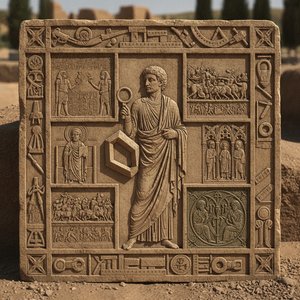
Mastering Dimension: An Art Historian's Guide to the Elegance of Sculptural Relief Art
Explore the profound beauty of sculptural relief art. From classical bas-relief to modern geometric textures, discover how depth and light transform spaces through an expert guide on art history and sophisticated curation for discerning collectors.

Sculpting with Soul: The Ultimate Guide to Mastering Bas-Relief and Plaster Artistry
Master the intricate art of plaster bas-relief with our expert guide for art students. Learn professional techniques in material selection, texture carving, and pigment integration to create soulful, dimensionally rich sculptural masterpieces.
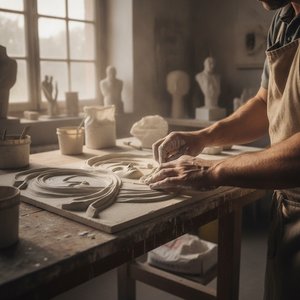
Sculpting with Soul: An Expert Guide to the Tactile Elegance of Plaster Relief Art
Discover the captivating world of plaster relief art. Our expert guide explores the history, techniques, and curation of textured bas-relief, helping collectors bring depth, light, and soulful dimension to their modern interiors through sophisticated sculptural masterpieces.

Steintoner i Kunsten: Topp 10 Maler som Fascinerer – OriginalUniqueArt.no
Oppdag topp 10 berømte malerier dominert av steintoner! Utforsk historien bak klassiske kunstverk, kjente kunstnere og unike fargepaletter. Finn inspirasjon til interiørdesign & museumskvalitets reproduksjoner på OriginalUniqueArt.no – din kilde for tidløs veggkunst.