
 Forhåndsvisning
 Send
Send Del
Del
 Vis detaljer
 Utskriftsvennlig guide

 Last ned bilde
 Liknende objekter
 Røntgenundersøkelse
 Lysbildefremvisning
 Spørsmål og svar
 Statistikk
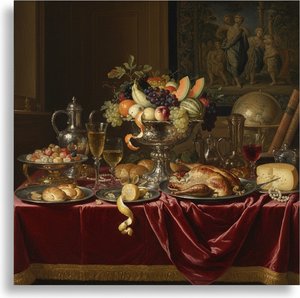
Fruit Still-Life

- 50.0 x 42.0 cm


 Vis hele teksten
Giclée / Kunsttrykk
Giclée- eller lerretsprint av museumskvalitet med rask produksjon og fleksible valgmuligheter for etterbehandling. ( Kjøp håndmalt maleri Bytt til digitalt bilde)




P118B Nkr10

P118H Nkr10

P118W Nkr10

P438Z Nkr10

P508JH Nkr12

P508YH Nkr12

P805H Nkr10

P805Z Nkr10

P919BZ Nkr10

P919G Nkr10

P919XJ Nkr10

P959ZH Nkr10

P968JZ Nkr12

W106C Nkr8

W218G Nkr10

W218JH Nkr8

W218Y Nkr10

W307PJ Nkr10

W316G Nkr10

W316PJ Nkr8

W316Y Nkr10

W398PJ Nkr8

W4111J Nkr10

W500HY Nkr15

W500JH Nkr15

W692G Nkr12

W849H Nkr8

W940BG Nkr15

W953PJ Nkr8




Velg mellom våre forhåndsdefinerte størrelser som bevarer kunstverkets opprinnelige proporsjoner.

Skriv inn ønsket bredde og høyde for å tilpasse trykket til din ramme eller vegg. Et trykk kan kun beskjæres, aldri skaleres opp utover motivets opprinnelige størrelse, noe som betyr at et format med andre proporsjoner vil føre til tap av deler av bildet. Vi sender deg en digital mockup for godkjenning før vi starter trykkeprosessen. Bildet som vises på denne siden viser ikke den faktiske beskjæringen — det er kun mockuppen som viser dette.
Verdensomspennende levering () på 2 uker i stedet for standard 4/5 uker. (8 November)

Gratis ekspressfrakt over hele verden

Lerretsduk av lin av høy kvalitet

Full transportforsikring

Garanti for refusjon av toll og importavgifter

Garantert fargegjengivelse

100 dagers returrett ved fabrikasjonsfeil

100% pengene tilbake-garanti

Rabatt ved flere kjøp
 Glassalternativet er kun tilgjengelig i størrelser under 110 cm

Fruit Still-Life
Giclée / Kunsttrykk
Størrelse på reproduksjon
-


Totalpris for valgte alternativer
Nkr 775
A Symphony of Color and Light: Jan van Huysum’s “Fruit Still-Life”
Jan van Huysum's "Fruit Still-Life," painted around 1728, isn’t merely a depiction of produce; it’s an immersive experience. This remarkable work, housed within the Rijksmuseum in Amsterdam, exemplifies the pinnacle of Dutch Golden Age still life painting – a genre where meticulous observation and masterful illusionism converged to create breathtakingly realistic and emotionally resonant scenes. More than just a collection of fruits and flowers, it's a testament to van Huysum’s extraordinary ability to capture not only their appearance but also their inherent vitality and the play of light upon them.
The painting immediately draws the eye with its profusion of color – deep ruby reds of ripe cherries and apples, the vibrant yellows of peaches and apricots, and the cool greens of grapes and leafy vines. These aren’t simply painted colors; they possess a remarkable luminosity, achieved through van Huysum's innovative use of oil paint on copper. This technique allowed for an unparalleled level of detail and brilliance, mimicking the way light would naturally interact with these textures. The background, rendered in a warm, earthy brown, serves as a sophisticated foil, intensifying the impact of the vibrant foreground elements.
The Master’s Technique: Illusion and Detail
Van Huysum was renowned for his technical virtuosity, a skill honed under the tutelage of his father, Justus van Huysum the Elder – another accomplished flower painter. This lineage instilled in him not only an understanding of botanical accuracy but also a deep appreciation for the art of illusion. He didn’t simply paint what he saw; he painted what he *felt* was there, creating a sense of depth and volume that transcends the two-dimensional surface. Notice how the individual petals appear to curl and unfold, the droplets of moisture clinging to the fruit, and the delicate veins running through the leaves – all rendered with astonishing precision.
The use of chiaroscuro—the dramatic contrast between light and shadow—is particularly noteworthy. Van Huysum masterfully employs this technique to sculpt the forms, creating a sense of three-dimensionality that makes the still life feel almost tangible. The shafts of light, seemingly originating from an unseen source, illuminate specific areas, drawing the viewer’s eye across the composition and highlighting the textures and colors of each element.
Symbolism and Context: A Dutch Golden Age Masterpiece
"Fruit Still-Life" is deeply rooted in the artistic conventions of its time. During the Dutch Golden Age (roughly 1600-1700), still life painting gained prominence as a genre, often imbued with symbolic meaning. Fruits and flowers weren’t just decorative elements; they frequently represented virtues, vices, or even religious concepts. While the precise symbolism within this particular piece may be open to interpretation, it's likely that van Huysum incorporated elements of abundance, fertility, and the fleeting beauty of nature – themes central to Dutch culture at the time.
Furthermore, the inclusion of a landscape element in the background—a subtle suggestion of architecture or a distant vista—adds another layer of complexity. This technique, common in Dutch still life painting, served to create a sense of space and depth, grounding the composition within a broader context. It’s a reminder that even in a seemingly simple depiction of fruit and flowers, van Huysum was engaging with complex artistic traditions and philosophical ideas.
A Legacy of Blossoms: Van Huysum's Enduring Appeal
Jan van Huysum’s legacy extends far beyond his technical skill. He elevated still life painting to a new level of artistry, capturing not just the appearance but also the essence of the natural world. His works continue to captivate viewers with their vibrant colors, exquisite detail, and profound sense of beauty. Reproductions like those offered by OriginalUniqueArt.com allow us to appreciate this remarkable artist’s genius and bring his luminous floral arrangements into our homes, offering a timeless connection to the artistic richness of the Dutch Golden Age.
Spørsmål og svar
Hvordan forenes kontrast og harmoni i "Fruit Still-Life"?
Fargekomposisjonen i "Fruit Still-Life" av Jan Van Huysum forener en Balanced kontrast med en Balanced Harmony harmoni.
Hvordan relaterer motivet i "Fruit Still-Life" seg til Jan Van Huysum sine vanlige temaer?
Blant Jan Van Huysum sine dokumenterte temaer – floral abundance, dutch golden age, symbolic fruit, classical elements, van huysum’s signature style”, “detailed realism, baroque precision”, family legacy – retter "Fruit Still-Life" sitt eget fokus mot fruit, flowers, composition, copper, van huysum, baroque, dutch golden age, detail.
Er "Fruit Still-Life" et av Jan Van Huysum sine mest populære verk?
"Fruit Still-Life" av Jan Van Huysum har et Iconic popularitetsnivå. Denne klassifiseringen gjenspeiler hvor utbredt verket er anerkjent.
Om kunstneren
Jan van Huysum: Blomsterverkstedets Mesterskap
I Amsterdam, i hjertet av den blomstrende nederlandske gullalderen, ble Jan van Huysum født 15. april 1682. Han var sønn av dekorasjonsmaleren Justus van Huysum, og vokste opp i et hjem hvor kunstnerisk talent allerede var en arv. Det var imidlertid ikke bare et spørsmål om å følge i farens fotspor; Jan utviklet seg til noe mer enn en dyktig håndverker – han ble en mester i illusjon, en poet av blomster som kunne fange deres skjønnhet med en nesten overnaturlig presisjon. Mens hans brødre Jacob og Michiel også valgte kunstneriske veier, var det Jan som skulle bli den mest berømte, hvis arbeider fortsatt fortryller oss med sin tidløse eleganse.
Tidlig i karrieren eksperimenterte han med landskapsmaleri, men det var innenfor stillbildets verden at hans sanne kall åpenbarte seg. Han trakk inspirasjon fra sine forgjengere som Cornelis de Heem og Abraham Mignon, men utviklet raskt sin egen unike stil. Hans tidlige verk viser allerede en bemerkelsesverdig evne til å gjenskape naturens detaljer, men det var i hans senere arbeider at han virkelig nådde sitt kunstneriske høydepunkt. Han forsto hvordan man skapte et illusorisk rom på lerretet, hvor lys og skygge danset over blomsterbladene, og hvor hver dråpe dugg virket til å henge truende klar.
Teknikk og Stil: En Symfoni av Detaljer
Van Huysums teknikk var intet mindre enn eksepsjonell. Han brukte glatte, blanke penselstrøk, bygget opp i lag for å skape en nesten emaljeaktig overflate som fremhevet fargenes rikdom og intensitet. Det var ikke bare fargene som gjorde hans malerier så bemerkelsesverdige; det var også måten han fanget lyset på – hvordan det reflekterte fra petalene, opplyste vanndråpene og skapte en følelse av dybde og volum. Historier forteller om hans utrolige evne til å male detaljer som maur og dugdråper så realistisk at de kunne sees uten forstørrelse – et vitnesbyrd om hans dedikasjon og ferdigheter.
Hans komposisjoner var preget av en raffinert eleganse og balanse. I motsetning til noen av sine samtidige som foretrakk overfylte, kaotiske arrangementer, søkte Van Huysum alltid etter harmoni og ro. Selv om hans senere verk ble mer forseggjorte, beholdt de alltid en følelse av likevekt. Han inkorporerte ofte elementer av fantasi i sine malerier, spesielt i landskapene som viste imaginære scener med klassiske arkitektoniske detaljer og stoiske trær. Disse var ikke forsøk på nøyaktig topografi, men snarere stemningsfulle bakgrunner designet for å fremheve blomstenes skjønnhet.
Et Blømstrrende Rykte: Viktige Verk og Arv
Gjennom hele livet nøt Jan van Huysum betydelig anerkjennelse og økonomisk suksess. Hans malerier var svært ettertraktet av samlere, og han kunne kreve høye priser for sitt arbeid. I dag kan hans mesterverk finnes i prestisjetunge museer over hele verden, inkludert Louvre i Paris, National Gallery i London, samt i samlinger i Berlin og Amsterdam. Blant hans mest feirede verk er Terracotta Vase with Flowers and Fruits, en fantastisk utstilling av farge og tekstur; Flowers and Fruits, som viser hans beherskelse av komposisjon; og Bouquet of Flowers in an Urn, et bevis på hans evne til å fange naturens flyktige skjønnhet.
Van Huysums innflytelse strakte seg langt utover sin egen tid, og inspirerte generasjoner av kunstnere. Malere som Jan van Os og Johannes de Bosch viser tydelig hans innvirkning på senere blomsterstill-tradisjoner. Han representerer kulminasjonen av den nederlandske gullalderens blomstermaling, en periode definert av sin nøye observasjon av naturen og feiringen av skjønnhet. Hans arv er ikke bare knyttet til de mange maleriene han skapte, men også til stilen hans – en stil som fortsetter å inspirere kunstnere og fange publikums oppmerksomhet den dag i dag. Hans arbeid forblir en kraftfull påminnelse om kunsten og ferdighetene som kreves for å transformere flyktige øyeblikk av naturlig skjønnhet til tidløse kunstverk.
Familieforbindelser & Kunstnerisk Slekt
- Justus van Huysum den eldre (1659–1716): Jans far, en produktiv maler av blomsterbilder og dekorative ordninger.
- Jacob van Huysum (1688–1740): Jan’s bror, også en kjent kunstner som spesialiserte seg på botaniske illustrasjoner.
- Justus van Huysum den yngre (1685-1707): En annen av Jans brødre som forfulgte maling, men døde ung.
- Michiel van Huysum (1703–1777): En halvbror, også en blomstermaler.
- Francina Margaretha van Huysum: Jan’s datter, som hjalp ham i sitt arbeid og var selv en dyktig blomstermaler.
Van Huysum-familien representerer en bemerkelsesverdig kunstnerisk slektslinje, som bidrar betydelig til det rike lerretet av nederlandsk gullalder-maling. Jan skiller seg imidlertid ut som det mest feirede medlemmet og etterlater et varig inntrykk på kunsthistorien med sine utsøkte og tidløse blomstermesterverk.

Jan Van Huysum
1682 - 1749 , Nederland
Kort om kunstneren
- Artistic Movement Or Style: Dutch Golden Age, stilleben
- Artists Or Movements Influenced By This Artist:
- Jan van Os
- Johannes de Bosch
- Artists Who Influenced This Artist: ['Justus van Huysum']
- Date Of Birth: 15. april 1682
- Date Of Death: 8. februar 1749
- Full Name: Jan van Huysum
- Nationality: Nederlandsk
- Notable Artworks:
- Terracotta Vase med Blomster
- Blomster og Frukter
- Buket i Urne
- Place Of Birth: Amsterdam, Nederland
Relaterte artikler

De 10 Mesterverkene som Definerte den Nederlandsk Gyldne Tidsalder – Kunst & Interiør
Oppdag de 10 ikoniske mesterverkene fra den nederlandske gullalderen! Lær om Rembrandt, Vermeer og andre store kunstnere. Finn inspirasjon til klassisk interiørdekorasjon og kjøp museumskvalitets reproduksjoner på OriginalUniqueArt.com.
Abraham Hendricksz van Beyeren: Pioneering Dutch Still Life & the Banquet Tradition
Explore the captivating world of Dutch Golden Age still life with Abraham van Beyeren. Discover his innovative techniques, symbolic banquet scenes & lasting influence on art history. Learn about collecting these masterpieces.

Golden Light & Dutch Skies: The Timeless Magic of Dutch Golden Age Landscapes
Discover the breathtaking beauty of Dutch Golden Age landscapes. Explore the mastery of light, chiaroscuro, and 17th-century realism through an expert art history lens, celebrating the enduring legacy of the Dutch Masters for discerning collectors and art lovers.

Jan Jansz Wijnants: A Study in Dutch Golden Age Still Life & Floral Transience
Explore the captivating world of Jan Wijnants and Dutch Golden Age still life painting. Discover symbolism, masterful techniques & lasting influence on floral art history. Learn more!

Rembrandts Mesterverk: Topp 25 Kunstverk for Din Vegg | OriginalUniqueArt.no
Utforsk Rembrandts 25 mest ikoniske kunstverk! Oppdag historiene bak mestermalerier, portretter og bibelske scener fra den nederlandske barokken. Finn museumskvalitets reproduksjoner & interiørinspirasjon på OriginalUniqueArt.com.
