
 Forhåndsvisning
 Send
Send Del med andre
 Vis detaljer

 Last ned bildet
 Liknende objekter
 Røntgenundersøkelse
 Lysbildefremvisning
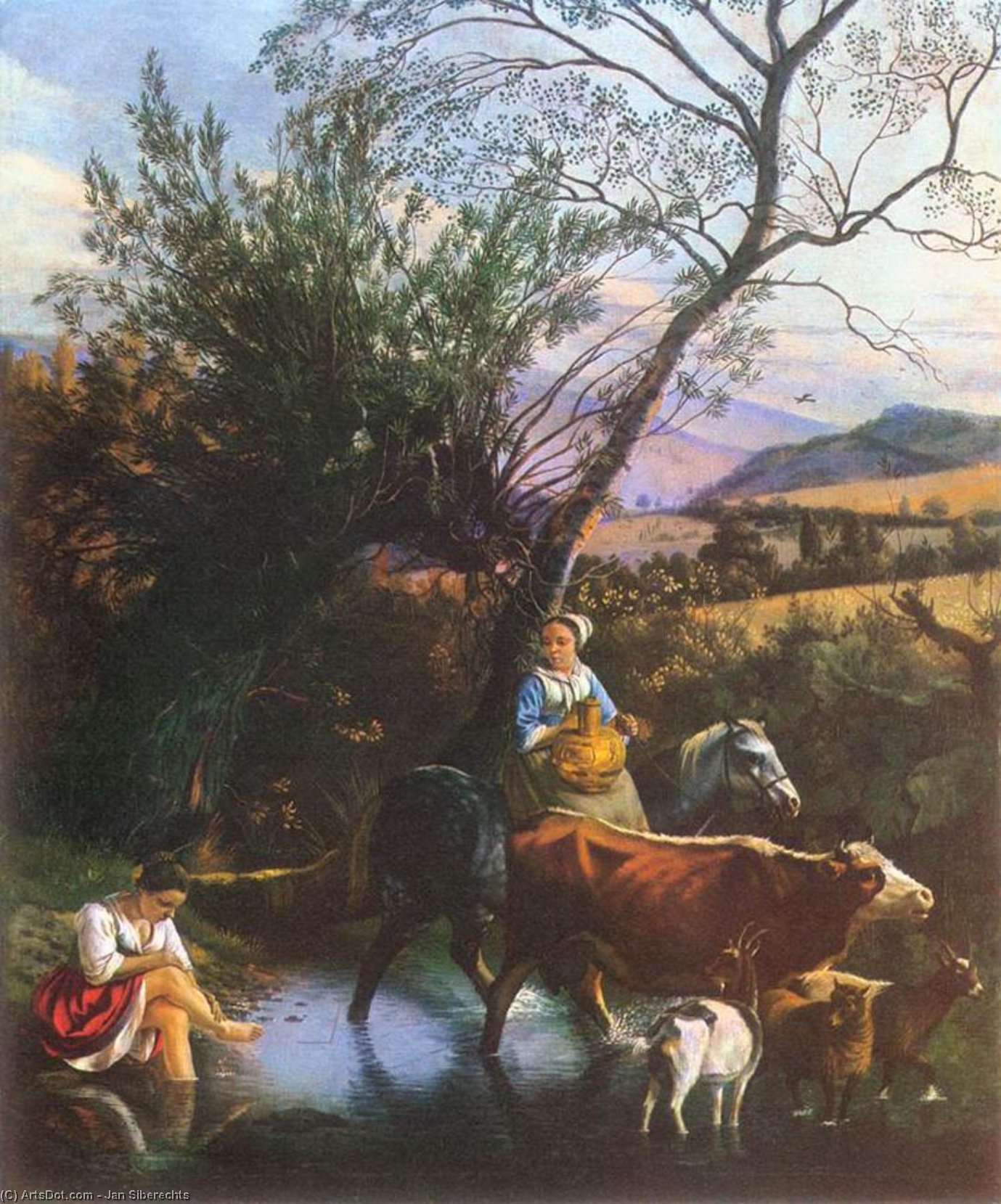
The Ford
 Oil On Canvas
- WallArt
- Romanticism
 1672
1672 71.0 x 59.0 cm
 Szépművészeti Múzeum
 Vis hele teksten
Giclée / Kunsttrykk
Giclée- eller lerretsprint av museumskvalitet med rask produksjon og fleksible valgmuligheter for etterbehandling. ( Kjøp håndlaget maleri Kjøp bilde)




P118B $10

P118H $10

P118W $10

P438Z $10

P508JH $12

P508YH $12

P805H $10

P805Z $10

P919BZ $10

P919G $10

P919XJ $10

P959ZH $10

P968JZ $12

W106C $8

W218G $10

W218JH $8

W218Y $10

W307PJ $10

W316G $10

W316PJ $8

W316Y $10

W398PJ $8

W4111J $10

W500HY $15

W500JH $15

W692G $12

W849H $8

W940BG $15

W953PJ $8




Velg mellom våre forhåndsdefinerte størrelser som bevarer kunstverkets opprinnelige proporsjoner.

Du kan oppgi egne mål for å tilpasse en spesifikk ramme eller et bestemt område. Dersom den valgte størrelsen ikke samsvarer med det originale bildets proporsjoner, vil vi enten beskjære kunstverket eller utvide bildet med en speilet eller ensfarget kant. En digital mockup vil bli sendt til din godkjenning før produksjonen starter.
Vennligst merk at forhåndsvisningen på skjermen ikke gjenspeiler den faktiske beskjæringen eller utvidelsen. Kun mockuppen vil vise den endelige komposisjonen nøyaktig.
Selv om tilpassede størrelser er tilgjengelige, anbefaler vi å velge et mål fra den forhåndsdefinerte listen for å bevare de originale proporsjonene.
Verdensomspennende levering () på 2 uker i stedet for standard 4/5 uker. (12 August)

Gratis ekspressfrakt over hele verden

Lerretsduk av høykvalitets lin

Full forsikring under transport

Garanti for refusjon av toll og importavgifter

Garantert korrekt fargegjengivelse

60 dagers returrett (kun ved feil)

100% pengene tilbake-garanti

Rabatt ved flere kjøp
 Glassalternativet er kun tilgjengelig i størrelser under 110 cm

The Ford
Giclée / Kunsttrykk
Størrelse på reproduksjon
-


Endelig pris
$ 80
Beskrivelse av samleobjektet
Jan Siberechts’ “The Ford”: A Pastoral Vision of Elizabethan England
Jan Siberechts' "The Ford" (1672) stands as a testament to the burgeoning landscape tradition in England during the reign of Charles II, skillfully blending Flemish artistic sensibilities with an idealized depiction of rural tranquility. Painted in Antwerp, Belgium, this oil on canvas masterpiece captures a serene scene of pastoral life—a woman carrying water alongside livestock – cows, horses and a goat – nestled within rolling hills leading to distant mountains under a cloudy sky. The artwork’s enduring appeal lies not only in its exquisite detail but also in its profound symbolic resonance, reflecting the Romantic movement's fascination with nature as a source of spiritual contemplation.- Style & Technique: Siberechts employed a characteristic Flemish style—broad brushstrokes layered to build up rich textures and create an atmospheric haze—a technique that prioritizes capturing the essence of light and shadow rather than precise topographical accuracy. The meticulous rendering of foliage, livestock, and figures demonstrates mastery of chiaroscuro, enhancing the painting’s dramatic effect.
- Historical Context: Commissioned during Charles II's Restoration, “The Ford” embodies the revival of classical ideals following Puritan rule. Landscape painting gained prominence as a genre reflecting humanist values—harmony with nature and contemplation of beauty—a deliberate contrast to the austere moralizing tendencies of earlier Protestant art.
- Composition & Perspective: The horizontal lines dominating the hillside emphasize the expansive landscape, while vertical elements – notably the trees – contribute to depth perception. Siberechts skillfully utilizes atmospheric perspective, subtly diminishing colors and details in the background mountains to convey a sense of distance and grandeur.
- Materials: Traditional oil paints on canvas ensured durability and luminosity, preserving Siberechts’ vision for centuries to come.
Om kunstneren
Jan Siberechts (1627–1703): A Flemish Pioneer of English Landscape Painting
Jan Siberechts, born in Antwerp in 1627, stands as a remarkable confluence of artistic currents—a pivotal link between the rich heritage of Flemish painting and the burgeoning landscape tradition blossoming across the Channel. His life’s journey is marked by astute observation, fortunate patronage, and ultimately, an indelible impact on British art history. The son of a sculptor also named Jan Siberechts, he absorbed foundational skills within his family workshop, imbibing aesthetic sensibilities that would propel him toward artistic distinction. By 1648, he achieved master status in the prestigious Guild of Saint Luke in Antwerp—a testament to his acknowledged proficiency as a craftsman—signaling recognition from his peers and cementing his position within the artistic community. While definitive evidence remains elusive regarding a possible expedition to Italy during the late 1640s or early 1650s, art historians speculate about this formative exposure to Italianate landscape painting—characterized by classical compositions and atmospheric perspective—which undoubtedly instilled in him an enduring influence. This potential encounter with artistic ideals from Rome subtly shaped his evolving style, visible in his earliest works that skillfully blended Flemish realism with the grandeur of Italianate aesthetics.Early Training and Artistic Influences
Siberechts’ initial artistic education unfolded within the nurturing environment of his father’s workshop, fostering a deep understanding of sculptural techniques alongside painting principles. This grounding provided him with invaluable experience—a bedrock upon which he would construct his distinctive oeuvre. Recognizing Siberechts' talent, Nicolaes Berchem and Karel Dujardin—luminaries of Dutch landscape painting—became influential mentors, imparting knowledge of atmospheric perspective and nuanced tonal gradations. Their paintings served as models for Siberechts’ early explorations into the depiction of rural vistas, demonstrating a commitment to capturing the subtleties of light and color. The influence of Rembrandt and Caravaggio is also palpable in his stylistic choices, particularly concerning dramatic lighting—a technique he skillfully employed to heighten emotional impact and convey depth within his compositions. These formative connections underscored Siberechts’ dedication to mastering established artistic conventions while simultaneously forging his own path toward innovation.From Flemish Countryside to English Estates
The 1660s witnessed a decisive turning point in Siberechts’ artistic trajectory—a period during which he decisively embraced the landscapes of Flanders and cultivated an immersive portrayal of rural life. This wasn't merely topographical accuracy; it was an ambitious endeavor to convey the spirit of the Flemish countryside—populated by robust figures—often women engaged in everyday tasks—dressed in brilliantly colored clothing that punctuated the verdant scenes. Siberechts’ meticulous attention to detail—particularly his masterful manipulation of water reflections—created visual echoes and amplified depth within his canvases. These paintings resonated with the pastoral traditions championed by David Teniers the Younger, yet Siberechts infused them with a broader scope and an atmosphere imbued with profound emotional resonance. He skillfully utilized staffage—larger figures or animals placed within a landscape—to explore compositional dynamics and to heighten visual impact. The depiction of willows lining brooks and horses wading through water became recurring motifs in his work—symbols of tranquility and harmony that reflected Siberechts’ artistic sensibilities.A Commission for Buckingham House
The zenith of Siberechts’ career arrived with a monumental undertaking: decorating Cliveden House, the stately home of George Villiers, the Second Duke of Buckingham. This commission demanded exceptional artistic versatility—a capacity to synthesize diverse stylistic elements into a cohesive visual narrative. Siberechts responded magnificently, transforming Cliveden into a breathtaking panorama of English countryside—a testament to his technical prowess and imaginative vision. The resulting artwork remains a cornerstone of British landscape painting—capturing not merely the physical grandeur of Buckingham’s estate but also its intangible essence—its mood and atmosphere. This project solidified Siberechts' reputation as a leading artist of his time, attracting considerable acclaim from aristocratic patrons and establishing him as a pioneer in documenting English landscapes with unparalleled artistry.Legacy and Enduring Influence
Jan Siberechts is rightfully enshrined as a pivotal figure in the genesis of British landscape painting—often lauded as “the father of British landscape.” His topographical views transcended mere representation; they constituted artistic interpretations that profoundly impacted subsequent generations of artists. He inaugurated a tradition of depicting English estates with meticulous detail and evocative atmosphere—a legacy that continues to inspire admiration today. Approximately one hundred paintings attributed to Siberechts survive—providing invaluable insight into his prolific output and stylistic evolution. His distinctive style—characterized by vibrant hues, meticulously rendered figures, and atmospheric landscapes—stands as a testament to his unwavering commitment to artistic excellence. Furthermore, Siberechts’ influence extended beyond the realm of painting; he mentored John Wootton—a celebrated landscape artist who carried forward Siberechts’ vision—demonstrating the enduring ripple effect of his artistic legacy. His contribution lies not only in his technical mastery but also in his ability to convey a sense of place and belonging—a quality that resonates powerfully with viewers across centuries.
Jan Siberechts
1627 - 1703 , Belgia
Kort om kunstneren
- Artistic Movement Or Style: Landskap, Barok
- Artists Or Movements Influenced By This Artist: ['David Teniers den yngre']
- Artists Who Influenced This Artist:
- Nicolaes Berchem
- Karel Dujardin
- Date Of Birth: 1627
- Date Of Death: 1703
- Full Name: Jan Siberechts
- Nationality: Flemish
- Notable Artworks:
- «Ford»
- «Paisage avec figures»
- «Belsize Estate»
- Place Of Birth: Antwerp, Belgia
Relaterte artikler

Jan van Goyen: Master of Dutch Landscape & Atmospheric Perspective
Discover Jan van Goyen, the master of Dutch landscape painting. Explore his subtle technique, atmospheric realism & lasting influence on art history. Learn about this 17th-century pioneer at OriginalUniqueArt.

Golden Light & Dutch Skies: The Timeless Magic of Dutch Golden Age Landscapes
Discover the breathtaking beauty of Dutch Golden Age landscapes. Explore the mastery of light, chiaroscuro, and 17th-century realism through an expert art history lens, celebrating the enduring legacy of the Dutch Masters for discerning collectors and art lovers.

Golden Light & Dutch Skies: Bringing the Magic of Dutch Golden Age Landscapes into Your Home
Transform your home with the breathtaking light of Dutch Golden Age landscapes. Discover how hand-painted oil reproductions of masterworks like Ruisdael and Vermeer bring timeless elegance, atmosphere, and soulful texture to modern interiors. Elevate your space with museum-quality art.

John Constable: Topp 25 Maler – Engelsk Landskapskunst i Ditt Hjem
Opplev John Constables 25 mest ikoniske malerier! Fordyp deg i engelsk romantikk, landskapskunst og atmosfæriske scener. Finn museumskvalitets reproduksjoner & interiørinspirasjon på OriginalUniqueArt.com. Utforsk samlingen online!
Landskapets Mesterverk: Topp 10 Kunstverk som Definerer Sjangeren | OriginalUniqueArt.no
Utforsk de 10 mest ikoniske landskapsmaleriene gjennom tidene! Fra Monet til Friedrich – oppdag historien bak mesterverkene, kunstnernes teknikker og inspirasjonen. Finn reproduksjoner av høy kvalitet for ditt hjem på OriginalUniqueArt.no. Utforsk samlingen online!

