Cubist Abstraction · 1930
Figure (Jacques Lipchitz, 1930)
Jacques Lipchitz (1891–1973) har skapt Figure. Den er fra 1930. Det tilhører Cubist Abstraction-bevegelsen. Laget i Bronze. Verket er bevart ved MoMA - Museum of Modern Art i New York City, USA.

 Håndmalt oljemaleri
 Send
 Del
 Faktablad for elever


 Last ned bilde
 Liknende objekter
 Lysbildefremvisning
 Spørsmål og svar

 Statistikk
Figure, kort fortalt
- Tittel
- Figure
- Kunstner
- Jacques Lipchitz (1891–1973)
- Kunstner født i
- Druskininkai, Litauen
- Dato
- 1930
- Materiale
- Bronze
- Utstillingssted
- MoMA - Museum of Modern Art, New York City, USA
- Bevegelse
- Cubist Abstraction
- Tidsperiode
- Modern
- Motiv
- sculpture, abstraction, bronze, geometric form, cubism style, human figure
Hva forestiller Figure?
A Fragmented Vision of Humanity
Jacques Lipchitz's "Figure," sculpted in 1930, stands as a profound testament to the transformative power of Cubism and its enduring fascination with exploring the fundamental concepts of form and perception. This bronze masterpiece transcends mere representation; it invites a deep, meditative contemplation on the very essence of human existence through a deliberately abstracted aesthetic. In an era defined by rapid societal shifts, Lipchitz utilized a fragmented language to capture the complexity of the modern soul. The sculpture presents a captivating interplay of geometric precision and organic fluidity, where the human form is not merely depicted but reconstructed through a lens of intellectual rigor and emotional depth.
The composition is a masterclass in the Cubist approach, pioneered by luminaries such as Picasso and Braque. Rather than striving for a realistic or anatomical depiction, Lipchitz dismantles the human figure into interlocking planes, presenting multiple viewpoints simultaneously. The head is rendered with striking simplicity—two oval eyes positioned above a small, triangular nose—which disrupts traditional notions of facial harmony to create a sense of enigmatic presence. Below this stylized visage, undulating vertical forms intersect with curved openings, creating a rhythmic tension between movement and stillness. This structural complexity ensures that the viewer's eye is constantly traveling across the surface, discovering new contours and depths within the bronze.
The Alchemy of Bronze and Form
The materiality of the piece is essential to its enduring impact. The choice of bronze allows for an exquisite level of detail and a rich, tactile quality that stone or wood could not achieve. Through the intricate process of bronze casting, Lipchitz was able to capture subtle variations in surface texture, from the sharp, clean edges of his geometric planes to the softer, more rounded contours of the figure's limbs. The rough, uneven patina resulting from natural oxidation lends the sculpture an ancient, weathered character, suggesting a sense of permanence and historical weight. This textured surface catches the light in a way that emphasizes the sculpture's three-dimensionality, making it a dynamic object that changes appearance depending on the surrounding illumination.
For the discerning collector or interior designer, "Figure" offers an unparalleled opportunity to introduce a piece of art history into a contemporary space. The sculpture’s neutral, earthy tones and sophisticated silhouette allow it to integrate seamlessly into various high-end environments, from minimalist modern galleries to richly textured classical studies. It serves as a powerful focal point, commanding attention through its structural integrity and the quiet strength of its presence. Owning a high-quality reproduction of this work is not merely about acquiring an object; it is about bringing a piece of the avant-garde revolution into one's personal sanctuary, fostering an atmosphere of intellectual curiosity and timeless elegance.
Hvilket museum har Figure?
MoMA - Museum of Modern Art
New York City, USA
Opprinnelse og historie til MoMA - Museum of Modern Art Grunnlaget for MoMA - Museum of Modern Art ble lagt i 1929. Institusjonen ble unnfanget av Abby Aldrich Rockefeller, Lillie P. Bliss og Mary Quinn Sullivan, og vokste frem i en tid preget av dype globale omveltninger.


Høyoppløselige bilder av Figure
Beskyttet av opphavsrett: disse filene er kun til personlig bruk og utgjør ikke en lisens for gjenopptrykk.
Jacques Lipchitz, Figure (1930), MoMA - Museum of Modern Art.
Spørsmål om Figure, besvart
Hvilket museum har det originale verket "Figure"?
Originalen av "Figure" av Jacques Lipchitz oppbevares i MoMA - Museum of Modern Art, New York City, USA. En reproduksjon gjør det mulig å stille ut verket i eget hjem.
I hvilket år ble "Figure" av Jacques Lipchitz skapt?
"Figure" dateres til 1930. Denne datoen plasserer verket innenfor Jacques Lipchitz sin karriere og sin epoke.
Hvilket medium er "Figure" av Jacques Lipchitz utført i?
"Figure" er utført i Bronze.
Hva forestiller "Figure" av Jacques Lipchitz?
"Figure" av Jacques Lipchitz avbilder: sculpture, abstraction, bronze, geometric form, cubism style, human figure, texture, modern art.
Er bildet av "Figure" av Jacques Lipchitz i det frie domene?
"Figure" av Jacques Lipchitz er fortsatt beskyttet av opphavsretten. Denne statusen avgjør hvordan bildet av verket kan reproduseres.
Hvem er kunstneren bak "Figure"?
Kunstneren bak "Figure" er Jacques Lipchitz. Verket er katalogisert under Jacques Lipchitz sitt navn.
Hvilken kunstretning tilhører "Figure" av Jacques Lipchitz?
Kunstretningen knyttet til "Figure" av Jacques Lipchitz er Cubist Abstraction. Denne klassifiseringen plasserer verket sammen med relaterte kunstnere og kunstverk.
Hvilken periode i Jacques Lipchitz sin karriere tilhører "Figure"?
"Figure" tilhører Mature Period i Jacques Lipchitz sin karriere. Denne klassifiseringen knytter verket til kunstnerens utvikling.
Hvor gammel var Jacques Lipchitz da "Figure" ble skapt?
Jacques Lipchitz var 39 år gammel da Figure ble skapt i 1930. Alderen er beregnet ut fra kunstnerens fødselsår, 1891.
Om kunstneren, Jacques Lipchitz

1891–1973, Litauen
Jacques Lipchitz
Et liv formet av endring: Jacques Lipchitzs reise Født som Chaim Jacob Lipschitz i 1891 i den litauiske byen Druskininkai, var Jacques Lipchitzs kunstneriske vei dramatisk preget av både fordrivelse og innovasjon. Hans tidlige liv, rotfestet i en litauisk-jødisk familie der faren arbeidet som entreprenør, styrte ham i utgangspunktet mot ingeniørstudier. Men en spirende kreativ ånd, næret av morens støtte, drev ham mot Paris i 1909 – en by som på den tiden pulserte av kunstnerisk revolusjon. Han meldte seg inn ved École des Beaux-Arts og Académie Julian, og fordypet seg i de livlige miljøene i Montmartre og Montparnasse.
Andre verk av Jacques Lipchitz
 Seated Figure1917
 Bellerophon Taming Pegasus: Large Version1964
 Untitled (692)
 Still Life1918
Essays om Figure
 The Alchemy of Bronze: Mastering the Lost-Wax Casting Process and PatinaMaster the intricate lost-wax casting process and the alchemy of bronze patina. Explore the secrets of enduring sculpture today.
 The Lineage of the Abstract Figure: From Cubist Fragmentation to Modern ExpressionTrace the evolution of the abstract figure from Cubism to modernism. Explore this masterclass in art history now.
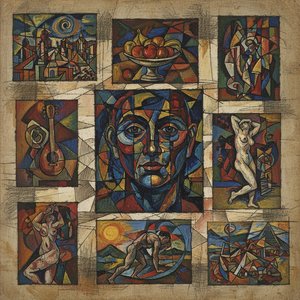 Kubistisk Ekspresjonisme: Topp 10 Mesterverk som Formet Kunsten | OriginalUniqueArt.noUtforsk de 10 mest innflytelsesrike kubistiske og ekspresjonistiske mesterverkene fra Picasso, Braque & Gris. Lær historien bak ikoniske ma…