
 Forhåndsvisning
 Send
Send Del med andre
 Vis detaljer

 Last ned bildet
 Liknende objekter
 Røntgenundersøkelse
 Lysbildefremvisning
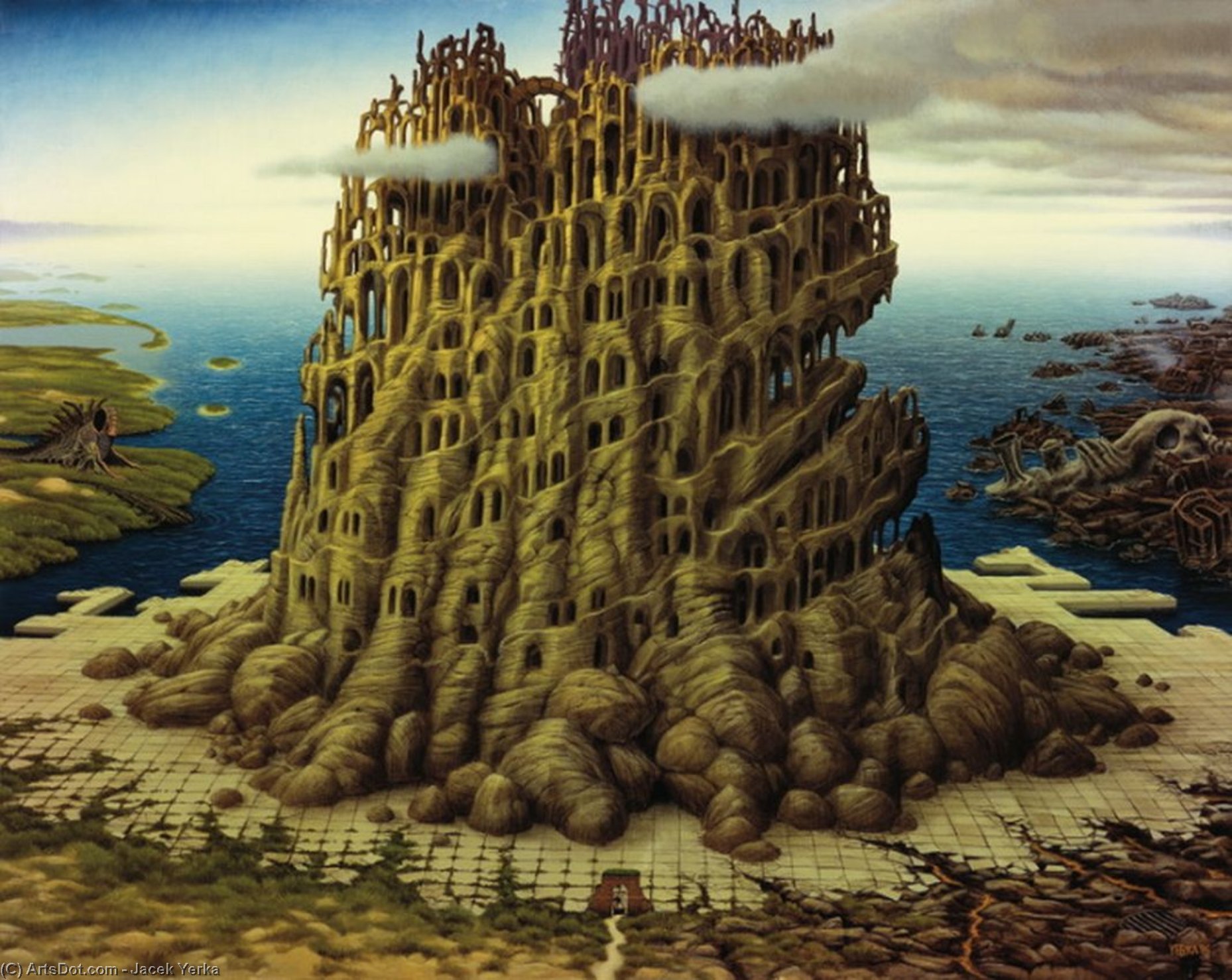
Triptych - the middle part
 Oil On Canvas
- WallArt
- Surrealism
 1996
1996- Contemporary
 54.0 x 68.0 cm
 Vis hele teksten
Giclée / Kunsttrykk
Giclée- eller lerretsprint av museumskvalitet med rask produksjon og fleksible valgmuligheter for etterbehandling. ( Kjøp håndlaget maleri Kjøp bilde)




P118B $10

P118H $10

P118W $10

P438Z $10

P508JH $12

P508YH $12

P805H $10

P805Z $10

P919BZ $10

P919G $10

P919XJ $10

P959ZH $10

P968JZ $12

W106C $8

W218G $10

W218JH $8

W218Y $10

W307PJ $10

W316G $10

W316PJ $8

W316Y $10

W398PJ $8

W4111J $10

W500HY $15

W500JH $15

W692G $12

W849H $8

W940BG $15

W953PJ $8




Velg mellom våre forhåndsdefinerte størrelser som bevarer kunstverkets opprinnelige proporsjoner.

Du kan oppgi egne mål for å tilpasse en spesifikk ramme eller et bestemt område. Dersom den valgte størrelsen ikke samsvarer med det originale bildets proporsjoner, vil vi enten beskjære kunstverket eller utvide bildet med en speilet eller ensfarget kant. En digital mockup vil bli sendt til din godkjenning før produksjonen starter.
Vennligst merk at forhåndsvisningen på skjermen ikke gjenspeiler den faktiske beskjæringen eller utvidelsen. Kun mockuppen vil vise den endelige komposisjonen nøyaktig.
Selv om tilpassede størrelser er tilgjengelige, anbefaler vi å velge et mål fra den forhåndsdefinerte listen for å bevare de originale proporsjonene.
Verdensomspennende levering () på 2 uker i stedet for standard 4/5 uker. (16 August)

Gratis ekspressfrakt over hele verden

Lerretsduk av høykvalitets lin

Full forsikring under transport

Garanti for refusjon av toll og importavgifter

Garantert korrekt fargegjengivelse

60 dagers returrett (kun ved feil)

100% pengene tilbake-garanti

Rabatt ved flere kjøp
 Glassalternativet er kun tilgjengelig i størrelser under 110 cm

Triptych - the middle part
Giclée / Kunsttrykk
Størrelse på reproduksjon
-


Endelig pris
$ 80
Beskrivelse av samleobjektet
A Dreamscape in Stone: Exploring Triptych - The Middle Part
To stand before Jacek Yerka's Triptych - The Middle Part is not merely to observe a painting; it is to step through a veil into a meticulously constructed dream. This oil on canvas, executed in 1996, immediately captivates the viewer with its breathtaking fusion of architectural grandeur and ethereal fantasy. At its heart rises a colossal stone structure—a tower or castle fragment whose very presence suggests untold histories and forgotten narratives. Yerka employs his signature surrealist touch to elevate this edifice beyond mere masonry; it becomes a monumental stage for human contemplation.
The Allure of Surreal Detail and Technique
Yerka’s technical mastery is evident in every windowpane and weathered stone surface. His technique allows the impossible to feel utterly tangible, mimicking the detailed realism found in the Old Masters while simultaneously subverting all expectations of reality. The composition is rich with life, populated by figures scattered across the scene—some gazing outward, others seemingly lost within the structure's depths. These inhabitants, alongside the subtle inclusion of a boat drifting on the left, lend an immediate sense of narrative depth. It compels us to ask: where are they going? What secrets does this towering facade guard?
Symbolism and the Weight of History
The symbolism woven throughout Triptych - The Middle Part is as deep as the shadows cast by its stone walls. Yerka often draws inspiration from historical epochs, echoing the detailed narratives found in artists like Jan van Eyck or Hieronymus Bosch, yet filtering them through a distinctly modern, dreamlike lens. The castle itself can be read as a symbol of permanence, tradition, or perhaps even the labyrinthine complexity of the human mind. It invites us to ponder the weight of history against the fleeting nature of individual existence, making it a profoundly thought-provoking piece for any discerning collector.
Bringing the Dream Home: Decorating with Surreal Majesty
For the interior designer or art lover seeking a focal point that whispers tales of wonder, this reproduction offers unparalleled dramatic impact. The scale and intricate detail of Triptych - The Middle Part make it ideal for grand halls, libraries, or reception areas where conversation is encouraged. Imagine its presence against rich velvet or polished wood; the cool, monumental stone of the painting will provide a breathtaking counterpoint to warm domestic textures. Owning this piece means curating not just a wall hanging, but an entire atmosphere—one steeped in mystery and artistic wonder.
Om kunstneren
Jacek Yerka: A Surrealist Visionary
Born in 1952 in Toruń, Poland, Jacek Yerka emerged from a deeply artistic family. Both his parents were graduates of the local Fine Art Academy, immersing him in a world of paints, inks, and brushes from an early age. This formative environment profoundly shaped his future career path. As a child, Yerka preferred solitary creative pursuits – drawing and sculpting – over outdoor play, leading to social challenges during primary school which he described as a “grey, sometimes horrifying reality.” However, his talent for sketching earned him respect in high school.Early Life and Artistic Beginnings
Yerka’s artistic journey began before formal education, fueled by an innate fascination with visual expression. His parents' dedication to art instilled in him a lifelong appreciation for meticulous craftsmanship and imaginative storytelling. From the outset, he demonstrated a preference for introspection—creating artwork independently rather than engaging in conventional social activities—a characteristic that would continue to define his artistic persona.
Artistic Journey and Development
Initially considering careers in astronomy or medicine – pursuits driven by intellectual curiosity – Yerka ultimately prioritized fine art and graphic design. During his studies at Nicolaus Copernicus University in Toruń, he resisted pressure to adopt prevailing stylistic trends, steadfastly upholding the classic Flemish technique that became synonymous with his artistic identity. This unwavering commitment to detail and traditional methods distinguished him from many of his contemporaries.
Influences and Inspirations
Yerka’s artistic vision draws heavily upon the legacy of masters past. He cites Hieronymus Bosch, Pieter Bruegel, Cagliostro, Jan van Eyck, and Hugo van der Goes as pivotal influences. These artists instilled in him a profound appreciation for intricate detail, symbolic imagery, and fantastical narratives—elements that permeate his oeuvre.
Key Characteristics of His Work
Yerka’s paintings are firmly rooted in the surrealist tradition, seamlessly blending reality with dreamlike visions. He employs a meticulous and detailed painting style reminiscent of the Flemish masters, characterized by an astonishing level of realism achieved through painstaking observation and execution. Recurring motifs include fantastical landscapes populated with bizarre creatures and extraordinary architecture—a testament to Yerka’s boundless imagination.
Notable Works and Achievements
Yerka's portfolio boasts numerous acclaimed pieces, notably “The Angels’ Kitchen” and “Wegener’s Theory,” which have garnered international recognition. His collaborative effort with Hollywood producer Renee Daalder on designs for the science fiction film “Strawberry Fields” further solidified his reputation as a versatile artist.
Yerka's distinctive style—a harmonious blend of scientific precision and surreal fantasy—has cemented his place in contemporary art history. He continues to inspire artists worldwide with his captivating creations, demonstrating an enduring commitment to artistic excellence and imaginative exploration.
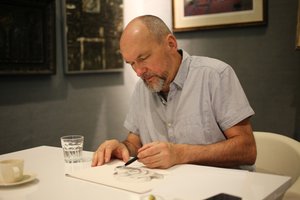
Jacek Yerka
1952 - , Polen
Kort om kunstneren
- Artistic Movement Or Style: Surrealisme
- Artists Or Movements Influenced By This Artist: ['Flemish Painting']
- Artists Who Influenced This Artist:
- Hieronymus Bosch
- Pieter Bruegel
- Jan van Eyck
- Date Of Birth: 1952
- Full Name: Jacek Yerka Kowalski
- Nationality: Polsk
- Notable Artworks:
- The Angels' Kitchen
- Wegener's theory
- Place Of Birth: Toruń, Polen
Relaterte artikler
Giclée Prints: Archival Quality & Aesthetic Nuances for the Discerning Collector
Explore the world of giclée prints with OriginalUniqueArt. Learn about archival quality, aesthetic nuances & investment potential. Expert guidance for discerning art collectors seeking museum-quality reproductions and lasting value.

The Enduring Legacy of Fine Art Prints: Technique, History & Aesthetic Impact
Explore the rich history & techniques of fine art prints. Discover investment potential, assess authenticity, and learn how to preserve your collection with expert guidance. Trusted insights for discerning collectors.

Jacek Yerka: Surreal Visions & Nostalgia in Contemporary Polish Painting
Explore the captivating surreal worlds of Jacek Yerka, a leading Polish painter renowned for his meticulous Flemish technique & dreamlike landscapes. Discover his unique style and learn about collecting this exceptional artist's work.

Echoes of Time: Exploring the Enduring Appeal & Historical Context of Vintage Art Prints
Explore the captivating world of vintage art prints! Discover their history, collecting tips & enduring appeal. Expert insights on chromolithography and building a legacy collection with OriginalUniqueArt.
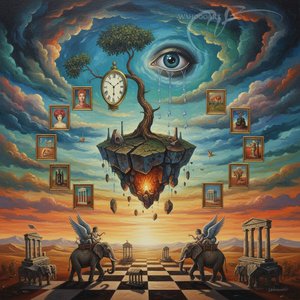
Surrealismens 10 Mesterverk: Kunst som utfordrer virkeligheten – OriginalUniqueArt.no
Utforsk surrealismens 10 mest ikoniske malerier – Dalí, Magritte & mer! Oppdag historiene bak mesterverkene og finn kunsttrykk til ditt hjem. Eksklusive reproduksjoner på OriginalUniqueArt.no.

